

For generations, the concept car was the beating heart of the automotive industry. It was the "moonshot"—a fiberglass-and-steel promise of a future where design knew no bounds, engineering was limited only by imagination, and the sheer audacity of a silhouette could define a decade.
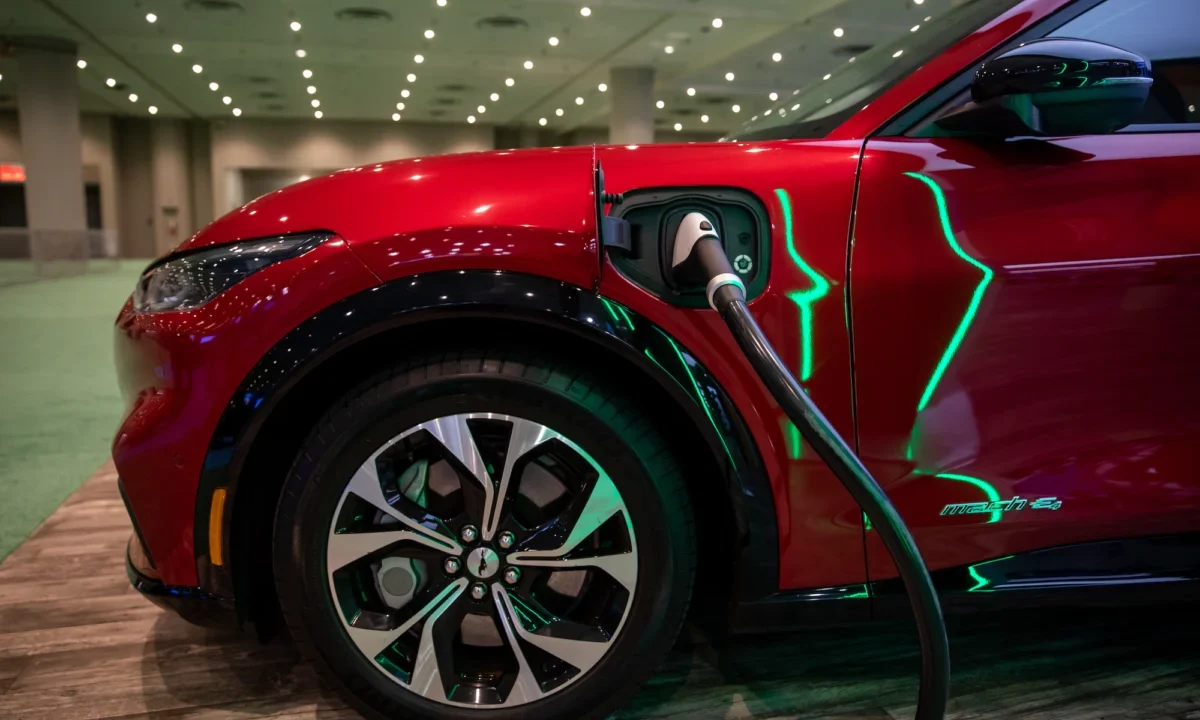
However, a creeping sense of disillusionment has settled over the automotive enthusiast community. Where once we saw jet-fighter styling and avant-garde propulsion systems, today’s auto shows are often populated by iterations of electric crossovers that look suspiciously production-ready. As someone who entered this industry fueled by the posters of radical concept cars on my bedroom wall, I have found myself wondering: Have I simply grown jaded, or has the concept car itself lost its soul?
This question, debated endlessly in the offices of The Drive, is more than just nostalgia. It is a reflection of a fundamental shift in how the automotive industry communicates its future to the world.
The Evolution of the "Moonshot"
Historically, concept cars served a dual purpose. On one hand, they were testbeds for radical new technologies—active aerodynamics, hydrogen fuel cells, or autonomous interfaces. On the other, they were pure, unadulterated "design theater." They were intended to shock, to provoke, and to signal that a brand was capable of defying conventional logic.
In recent years, however, the industry has shifted toward "production-intent" design. Because of the astronomical costs of developing modern platforms, manufacturers are less inclined to fund "flights of fancy." Instead, the concept car has become a marketing tool, a thinly veiled preview of a vehicle that is already six months away from hitting the dealership floor. This transition from "what if" to "what’s next" has stripped away the element of surprise that once defined the golden age of concept design.
A Deep Dive: The Designers Speak
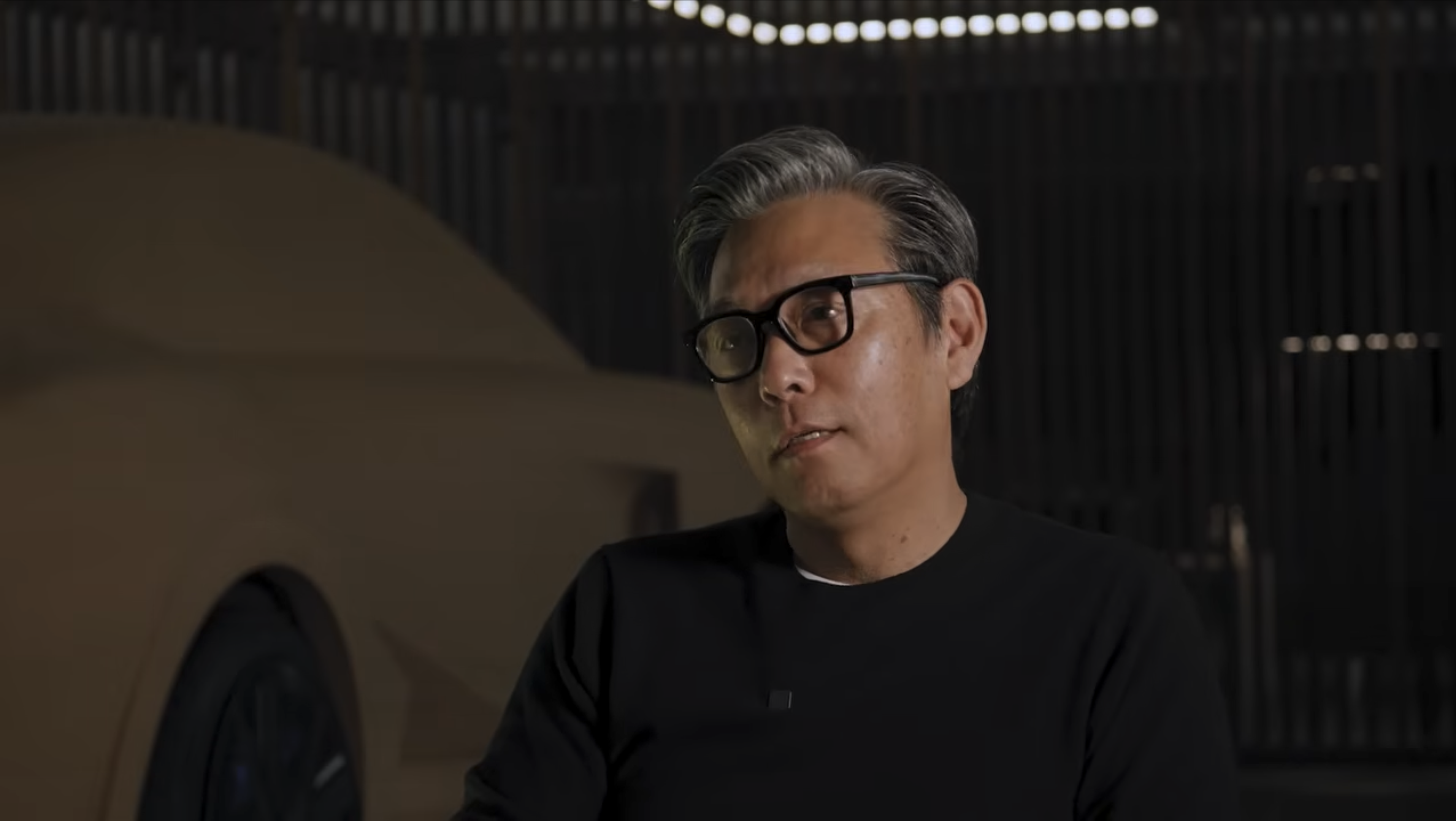
To move beyond mere speculation, The Drive’s Editor-in-Chief, Kyle Cheromcha, recently embarked on an ambitious project: a 30-minute documentary film that pulls back the curtain on the world of automotive design. Rather than relying on corporate press releases, Cheromcha sat down with five of the most influential figures in the industry:
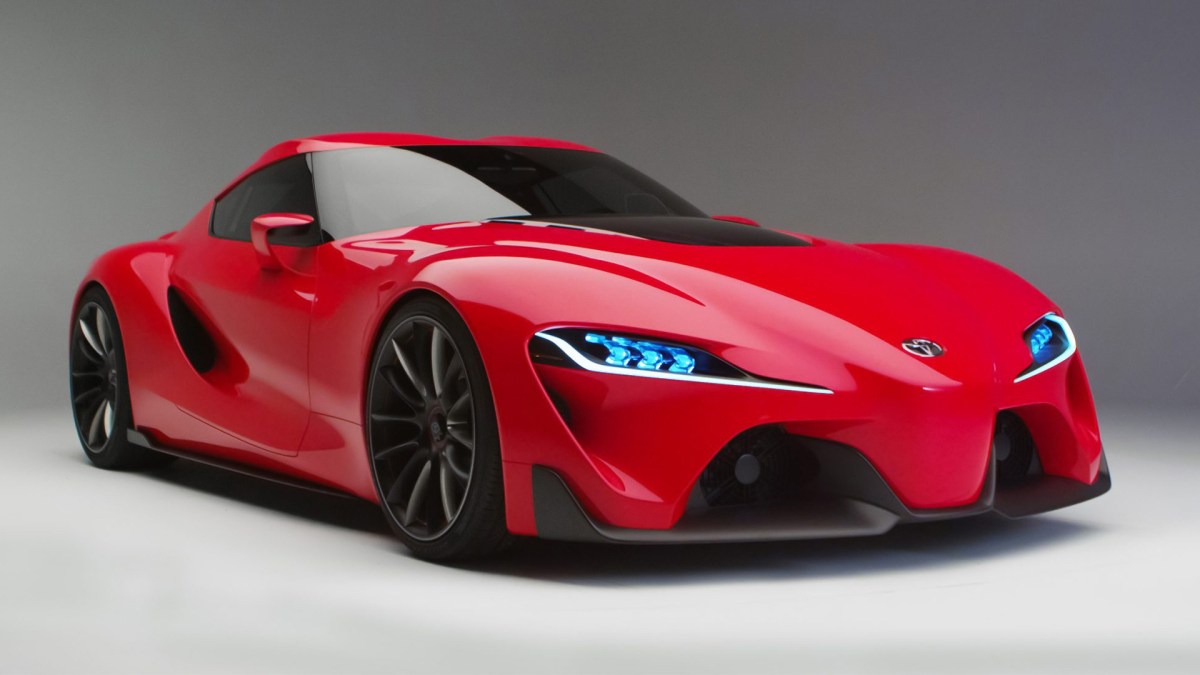
- Alex Shen (Toyota CALTY): The creative force behind the FT-1 concept, which served as the dramatic blueprint for the modern GR Supra.
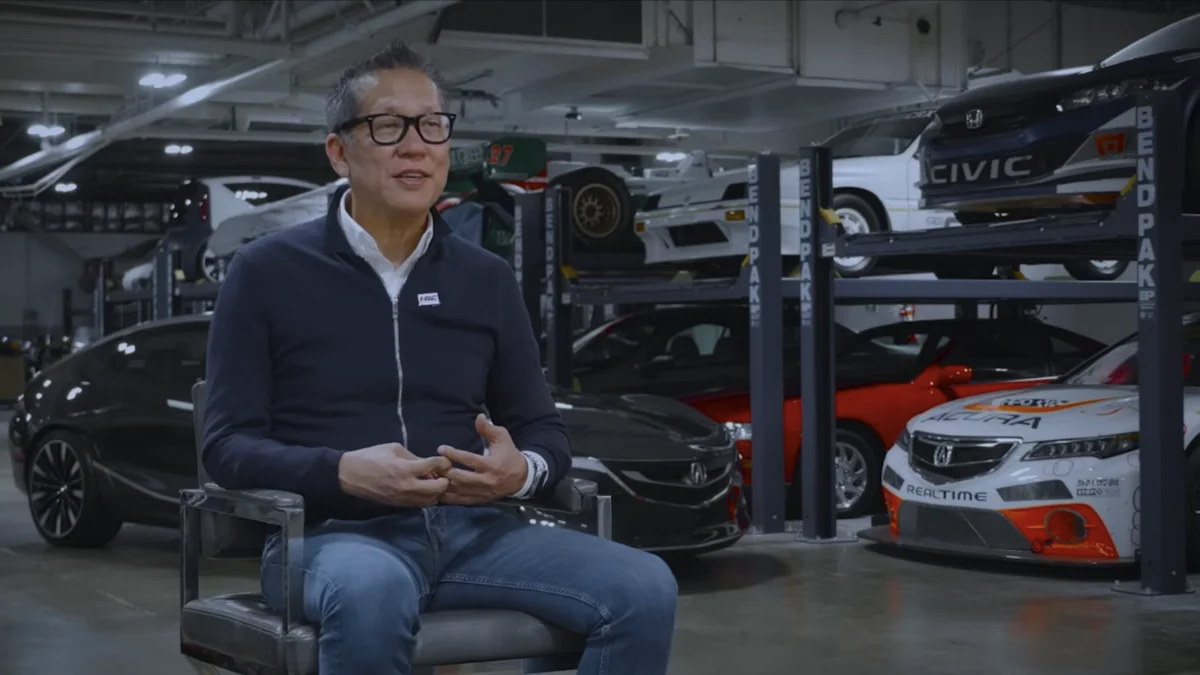
- Jon Ikeda (Acura): The visionary behind the front-engine NSX concept, a project that challenged the very architecture of performance.
- Tom Peters (General Motors): A legend of performance design who helmed the development of the 2007 Camaro concept and the Indy Corvette.
- Ralph Gilles (Stellantis): The global design powerhouse responsible for defining the aesthetic language of some of the world’s most iconic brands.
- Sangyup Lee (Hyundai and Genesis): A transformative figure currently redefining luxury and futurism in the Korean automotive sector.
The resulting film is a masterclass in understanding the friction between creative expression and the harsh realities of the modern automotive market.
The Constraints of Modernity: Why Creativity is Bottled
It is easy for internet enthusiasts to label a concept "uninspired," but the reality is significantly more complex. During the interviews, a common theme emerged: the "Vibe Shift" isn’t a result of designers losing their edge, but of an increasingly suffocating environment of regulation and cost-optimization.
1. Engineering Realism and Safety
In the 1970s and 80s, a concept car could be a rolling sculpture with zero regard for crash-test safety or pedestrian impact regulations. Today, a concept must be "legal" in the sense that its architecture must be able to accommodate modern batteries, sensors, and safety cages. Designers are no longer playing with clay in a vacuum; they are working within a strict set of global compliance guidelines that dictate everything from bumper height to sightlines.
2. The Cost of R&D
Automotive development budgets are under unprecedented pressure. With the pivot to electrification, manufacturers are spending billions on battery chemistry and software integration. As a result, the "show car" budget is often the first to be slashed. If a company is going to build a physical concept, they want it to serve as a high-fidelity marketing asset for a production car, not a one-off experiment that will eventually gather dust in a basement.
3. The Digital Transition
Designers now work primarily in VR and high-fidelity digital modeling. The need for a "clay" model to show investors or the public has diminished. Because of this, the process of finalizing a design is more iterative and data-driven than ever before, leaving less room for the "happy accidents" that often led to the iconic concepts of the past.
The Future of the Concept
Despite these hurdles, the passion expressed by the designers in our film is infectious. It becomes clear that while the form of the concept car has changed, the intent remains largely the same. These individuals are not simply building appliances; they are fighting to maintain a sense of wonder in a world that increasingly values efficiency above all else.
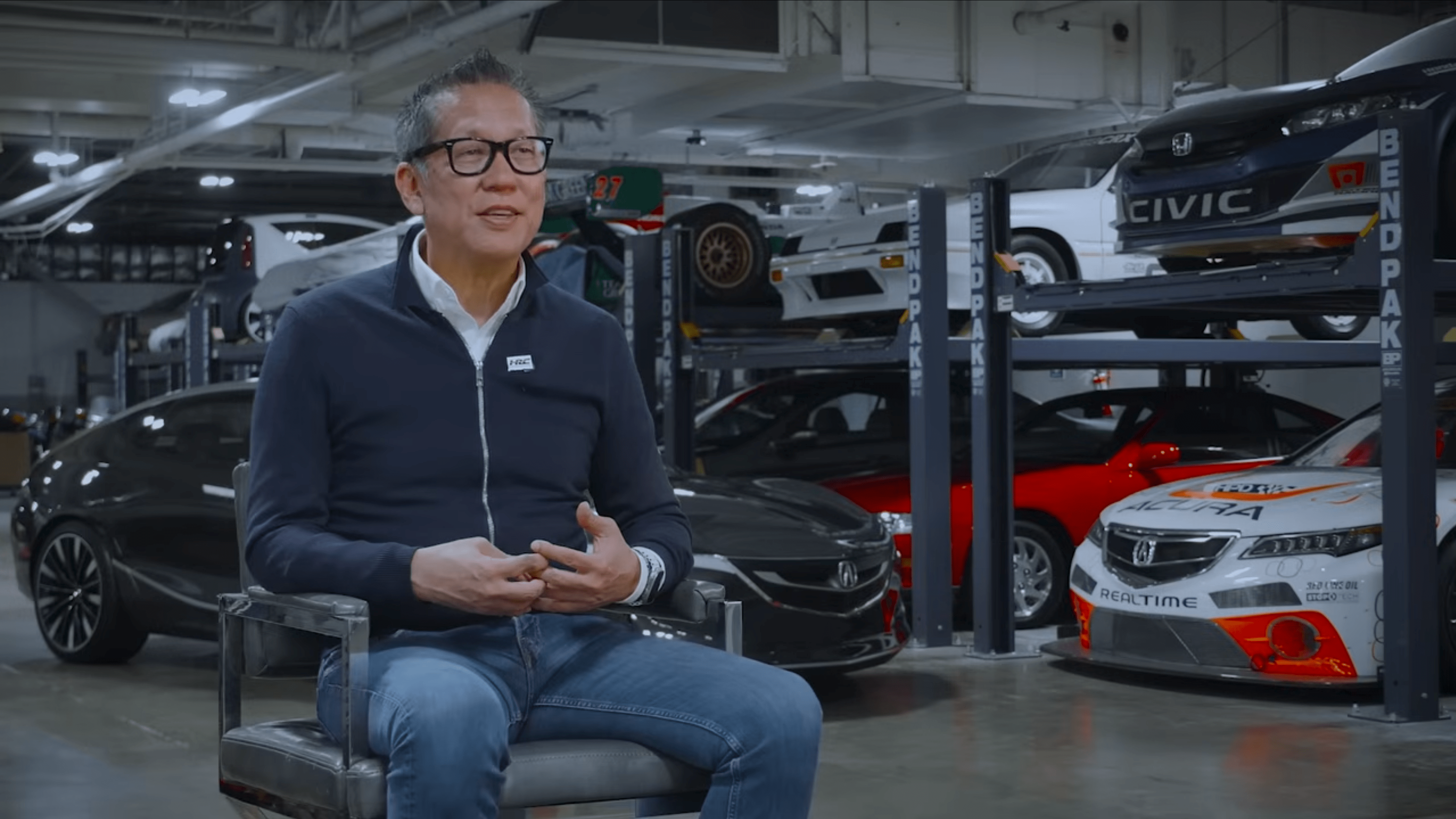
As Jon Ikeda articulated in a follow-up conversation on The Drivecast, the role of the designer is to sell the future. When a brand loses the ability to surprise, it loses its connection to the enthusiast. The goal for these design leaders is to find the "white space"—the room within the regulations to still create something that makes the heart beat a little faster.
Implications for the Consumer
What does this mean for the person who loves cars? First, we must adjust our expectations. We may see fewer "flying cars" and "jet-turbine" concepts, but we are likely to see more meaningful explorations of interior space and human-machine interfaces.
The "death of the concept car" is a myth. Instead, we are witnessing a transition from the concept as an object to the concept as an experience. The cars of the future will be defined by their software, their connectivity, and their ability to integrate into our lives. While that may lack the raw, analog romance of a 1990s supercar prototype, it represents a new frontier of design that is no less challenging to navigate.
Final Thoughts
The takeaway from our deep dive into the design world is clear: the people drawing our future are just as frustrated by the limitations as we are. They are, at their core, enthusiasts who want to create the next generation of icons.

The next time you see a concept car that feels a bit too "production-ready," don’t just write it off as corporate boredom. Look closer. Look at the lines, the lighting signatures, and the materials. There is still a designer behind those panels, fighting to make their mark on the world, pushing against the constraints of a modern industry, and trying to keep the dream alive.
As we continue to cover the industry, we invite you to watch the full documentary on our YouTube channel. It is a rare glimpse into the minds of the people who draw the world, and it may just change your perspective on the next concept car you see on the auto show floor.
For more in-depth reporting on automotive design, engineering, and the future of mobility, subscribe to our daily newsletter and join the conversation in our community forums.
