




As the automotive world pivots toward an inevitable electric future, legacy brands face a singular, existential crisis: how do you retain the "soul" of a marque when the visceral roar of a combustion engine is stripped away? For Bentley, a brand synonymous with the thunderous, dignified rumble of its legendary V8 engines, the transition to electrification is not merely a technical challenge—it is a cultural one.
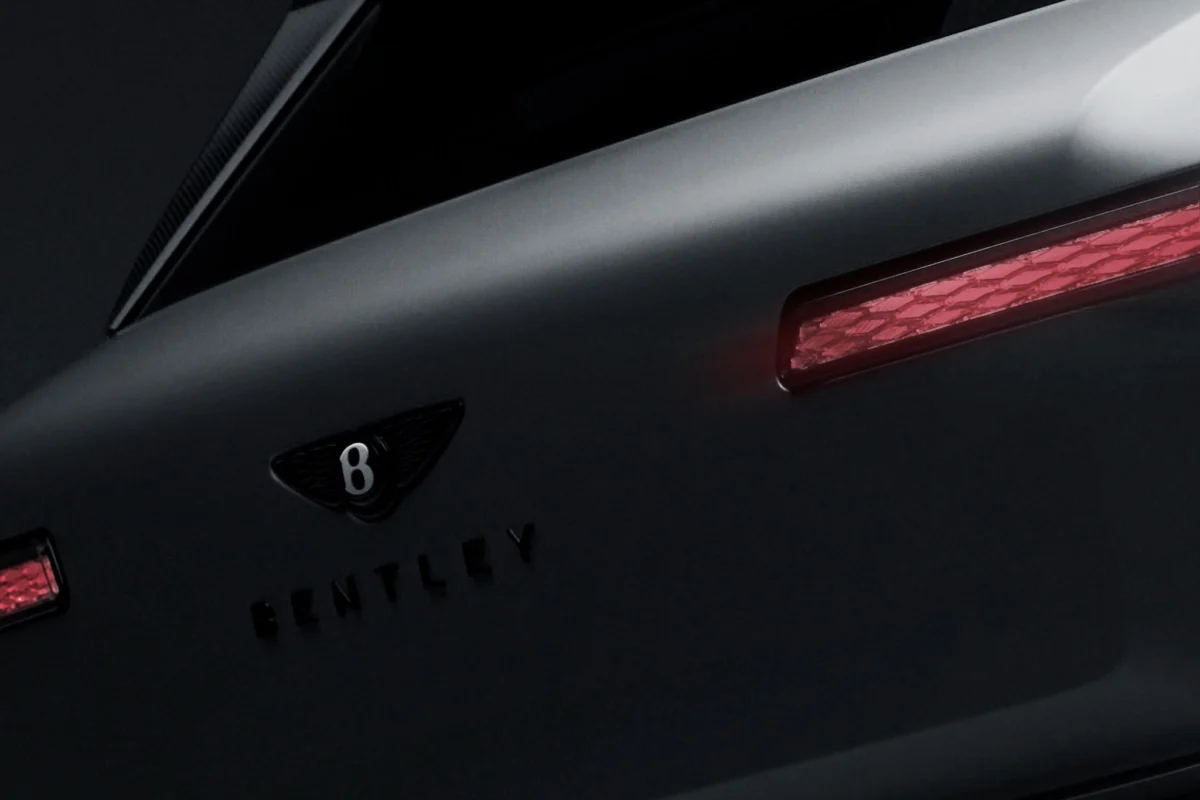
With the upcoming launch of its first fully electric vehicle, the Bentley Torcal, the Crewe-based manufacturer is eschewing the industry-standard trend of synthesized "futuristic" hums. Instead, they are embarking on a radical experiment in acoustic engineering, opting to replace the internal combustion roar with a curated, organic symphony performed by human musicians.
The Evolution of the Bentley Sound
To understand the weight of this decision, one must look at the history of the Bentley power plant. For over six decades, the company’s 6.75-liter V8 engine served as the heartbeat of the brand. It was a sound that defined luxury: a low-frequency, omnipresent thrum that communicated power without the shrillness of a high-revving sports car. When production of this iconic engine ceased in 2020, it marked the end of an era.
Modern EVs, while blisteringly fast, are notoriously silent—a trait that can feel sterile to the traditional luxury consumer. While competitors have attempted to fill this void with digital soundscapes, the results have often been criticized as "video-gamey" or disingenuous. Bentley, however, is taking a different path. Rather than attempting to mimic the V8 via a speaker system, they are leaning into the abstract, utilizing the power of music to translate the sensation of torque and acceleration into an emotional experience.
Chronology: From Concept to Sonic Innovation
The journey toward the Torcal began long before the recent name announcement. The timeline of Bentley’s electrification strategy reveals a deliberate, measured approach to maintaining brand heritage:
- November 2024: Bentley officially confirms the development of its first dedicated EV, described as a "luxury urban SUV." The project is framed not just as a new model, but as a repositioning of the brand for the next generation of buyers.
- April 2026: CEO Mike Rocco provides insight into the brand’s trajectory, confirming that while the Torcal will be smaller than the flagship Bentayga, it will command a similar premium price point, reflecting its status as a high-end luxury vehicle rather than a mass-market offering.
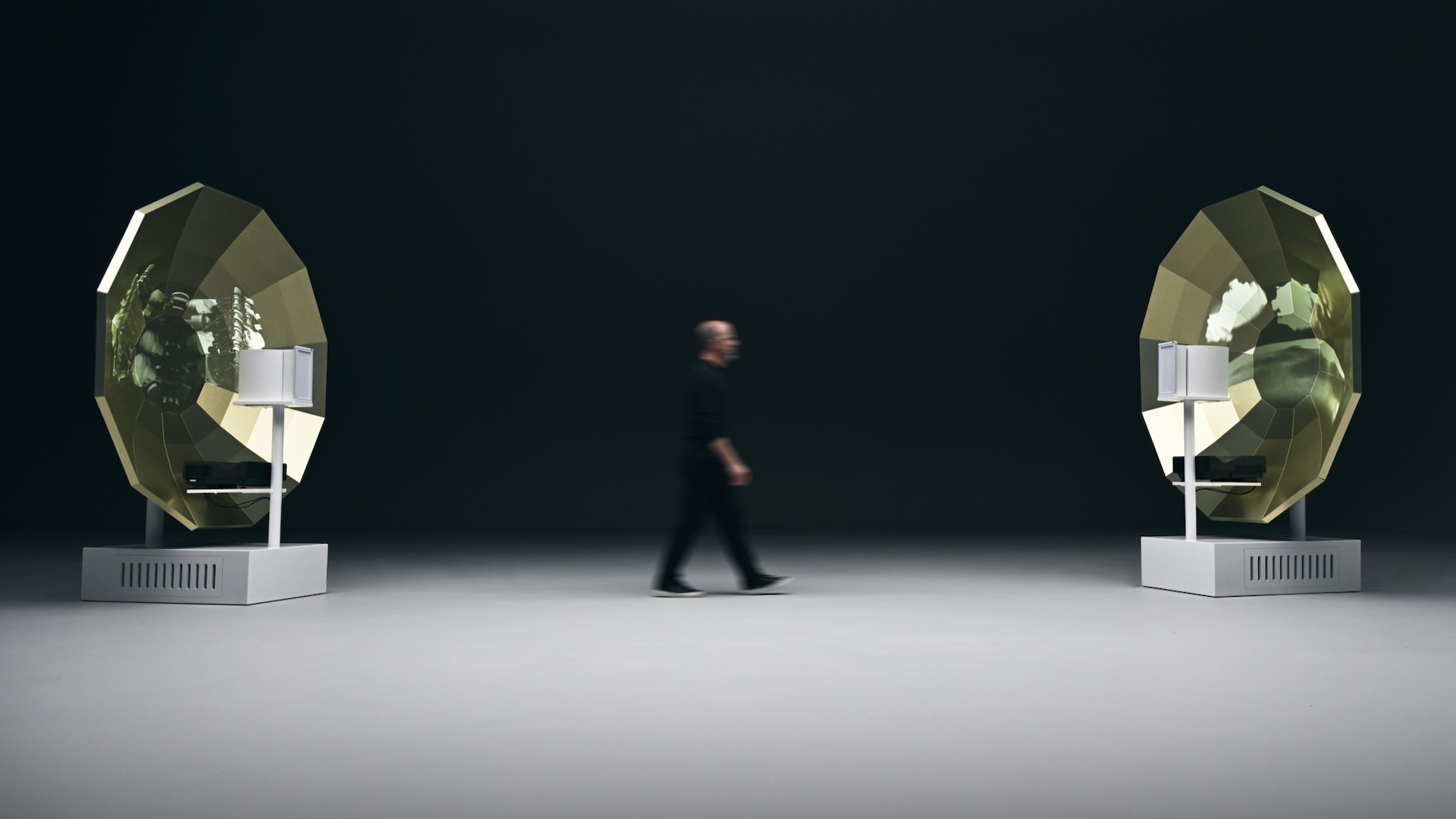
- Summer 2026: Engineering teams begin publicizing their "sonic experiment," demonstrating the use of parabolic speakers and orchestral instruments to replace the mechanical vibrations of the traditional engine.
- September 23, 2026: The official world premiere of the Bentley Torcal.
- Q3 2027: The anticipated market rollout, signaling the arrival of the first electrified Bentley on roads globally.
The Science of Emotion: Why Instruments?
The core of the Torcal’s "sound" is rooted in psychoacoustics. Bentley’s engineering team argues that the human brain connects specific rhythmic patterns to the sensation of power. In a combustion engine, the firing order of the cylinders creates a distinct cadence. Bentley’s researchers discovered that the interplay of drums, viola, and bass guitar could approximate this cadence in a way that feels organic rather than synthetic.
In a series of controlled experiments, participants were asked to walk through an installation of parabolic speakers playing both traditional V8 recordings and the new musical compositions developed for the Torcal. The goal was to see if the musical arrangement could trigger the same "heightened engagement" that a driver feels when pressing the throttle of a Continental GT. By matching the tempo of the music to the driver’s inputs—acceleration, braking, and cornering—the car essentially becomes a dynamic instrument, with the driver serving as the conductor.
Official Stance and Technical Underpinnings
Bentley has been clear: the Torcal is not intended to be a retro-styled homage to the past, but a bridge to the future. CEO Mike Rocco has emphasized that the vehicle will leverage the VW Group’s advanced "Premium Platform Electric" (PPE), the same architecture underpinning the Porsche Cayenne Electric.
"We are not here to fake the past," a spokesperson for the brand noted during the initial sound reveal. "We are here to elevate the future of the driving experience. The Torcal is about the feeling of movement. By using real instruments, we are providing a sonic texture that is sophisticated, evolving, and above all, human."
Technically, the vehicle is expected to feature a multi-layered audio processing system. It will not simply loop a single track; it will use real-time data from the electric drivetrain’s torque delivery and speed sensors to modulate the intensity and pitch of the musical arrangement. If the driver accelerates sharply, the drums increase in complexity and volume; at highway cruising speeds, the viola and bass provide a stabilizing, harmonic layer.

Market Implications: The Luxury SUV Landscape
The name "Torcal" itself, derived from the limestone rock formations of El Torcal de Antequera in Spain, suggests a focus on natural, enduring beauty. This is a deliberate aesthetic choice for an SUV that aims to disrupt the luxury segment.
The implications for the wider market are significant. Bentley is essentially betting that its ultra-wealthy clientele values brand-consistent emotional experiences over pure technological mimicry. If the Torcal succeeds, it could set a new industry standard for EV sound design. Instead of competing to see who can make an electric motor sound the most like a combustion engine, luxury manufacturers may pivot toward "composed" soundscapes that align with the brand’s specific identity.
However, the risk remains. Bentley’s customers are traditionally conservative. Will they embrace a cello-and-drum soundtrack, or will they find it an unnecessary layer of artifice in an already complex vehicle?
Conclusion: A New Era of Sophistication
As the September 2026 debut approaches, all eyes are on the Torcal. The vehicle represents more than just a transition to a battery-powered drivetrain; it represents a fundamental rethinking of what a "Bentley" is. By focusing on the emotional resonance of sound rather than the mechanical output of pistons, Bentley is attempting to maintain the aura of its heritage while embracing the technical realities of the 21st century.
Whether or not this "orchestral" approach becomes the new gold standard for luxury electric vehicles remains to be seen. But one thing is certain: in the silence of the electric revolution, Bentley is refusing to be quiet. They are ensuring that even when the V8 falls silent, the driver will still hear the unmistakable, refined heartbeat of the brand—composed, performed, and delivered with the precision only a Bentley can provide.
