




Skift Take
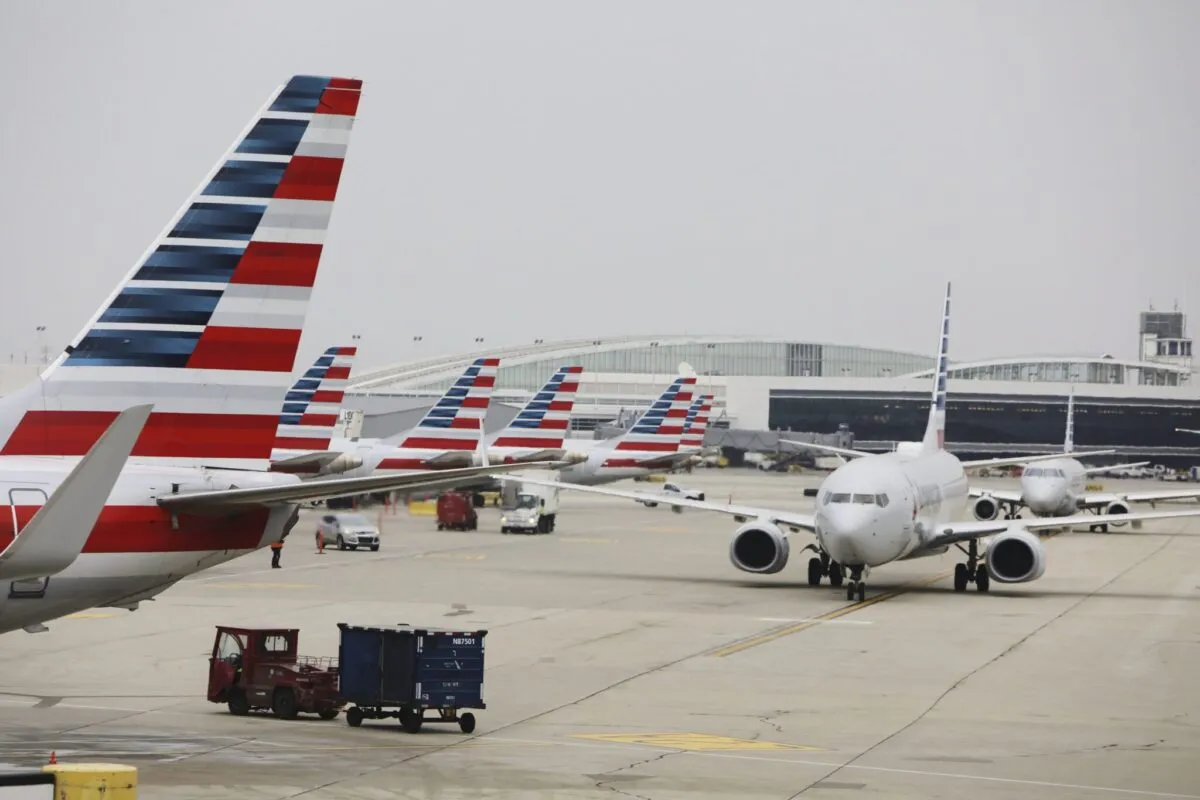
American Airlines is bucking the industry trend of aggressive capacity cuts adopted by rivals Delta and United. While its competitors slash seat counts to protect margins against volatile fuel prices, American is maintaining a more conservative growth trajectory, banking on long-term market share over short-term yield optimization.
The Landscape of Uncertainty: Capacity vs. Profitability
In the high-stakes environment of commercial aviation, the balance between capacity and profitability has become the defining challenge of 2024. As the global airline industry grapples with stubborn inflation, volatile jet fuel prices, and shifting post-pandemic travel patterns, major carriers are reaching a fork in the road. Most have chosen a path of aggressive capacity rationalization—essentially flying fewer seats to create artificial scarcity, thereby driving up airfares and protecting profit margins.
However, American Airlines has charted a notably different course. While Delta Air Lines and United Airlines have moved swiftly to trim their flight schedules in response to market fluctuations, American has remained committed to a more measured, growth-oriented strategy. This divergence has sparked intense debate among Wall Street analysts and industry observers, raising fundamental questions about which strategy will prove more sustainable in an era of economic unpredictability.
Chronology: A Quarter of Contrast
To understand the current tension, one must look at the recent financial performance of the "Big Three" U.S. carriers.
In the second quarter of 2024, the industry narrative appeared clear: growth was secondary to efficiency. Delta Air Lines reported a robust quarterly profit of $1.6 billion, buoyed by a disciplined approach to capacity management that allowed them to command premium pricing. United Airlines followed suit with a strong showing of $805 million in profit, consistently pruning routes that failed to meet high yield thresholds.
American Airlines, conversely, reported a profit of $71 million for the same period. While the result beat Wall Street’s modest expectations, it highlighted a significant delta—pun intended—between American and its peers.
- Q2 Performance: American saw capacity increase by 5.4%.
- Q3 Projections: The carrier anticipates capacity growth between 3% and 5%.
- The Reaction: While Delta and United signaled a cooling-off period to shore up their bottom lines, American executives doubled down on their schedule, arguing that a more conservative approach to cuts is necessary to navigate the volatility of the current fuel market.
Supporting Data: The Math of Flying More
The economic rationale for cutting capacity is well-established in aviation history. When an airline reduces its available seat miles (ASMs), it increases its "pricing power." With fewer seats available across the industry, load factors—the percentage of seats filled—typically rise, and yield (the average fare paid per mile) increases.
For American, the decision to keep capacity elevated is a calculated risk. By flying more, the airline is attempting to capture market share that its competitors are effectively leaving on the table. However, the data reveals the cost of this strategy.
Comparison of Financial Yields (Q2)
| Carrier | Net Profit | Capacity Strategy |
|---|---|---|
| Delta Air Lines | $1.6 Billion | Aggressive Rationalization |
| United Airlines | $805 Million | Moderate Pruning |
| American Airlines | $71 Million | Measured Growth (+5.4%) |
The disparity in net profit is stark. Critics argue that by maintaining higher capacity, American is diluting its ability to raise airfares to the levels seen at Delta. Conversely, supporters of the American strategy suggest that the airline is positioning itself for a long-term advantage, ensuring that its network remains robust and its aircraft utilization remains high as demand fluctuates.
Official Responses: The Executive Rationale
During recent earnings calls, American Airlines executives were pressed by analysts regarding their refusal to join the industry-wide retreat. Their defense centered on the volatility of the energy sector.
"We are taking a more conservative approach to capacity adjustments because the fuel market remains inherently unpredictable," a spokesperson for the airline stated. "Drastic cuts can be just as damaging as over-expansion. If we pull back too hard today, we lose the operational momentum and customer base we have worked to build, leaving us vulnerable if fuel prices stabilize or if demand surges unexpectedly."
American’s leadership team emphasized that their capacity growth is not indiscriminate. They argue that they are focused on core hubs and high-demand corridors where they believe the passenger volume can support the increased supply. By avoiding the knee-jerk reactions of their rivals, they believe they are building a more resilient network that can withstand the "peaks and valleys" of the current economic cycle.
Implications for the Future of Aviation
The divergence between American and its rivals has profound implications for the future of the U.S. airline market.
1. The Pricing War
If American continues to flood the market with seats while Delta and United hold back, we may see a bifurcated pricing environment. American may find itself forced to engage in competitive pricing to fill those extra seats, potentially sparking fare wars on specific routes. For the consumer, this could mean better deals on American-operated flights, but it creates a challenging environment for the airline’s margins.
2. Operational Efficiency
Operating a larger network requires more personnel, more maintenance, and more fuel. If the yield on those additional seats does not materialize as expected, American could face a liquidity squeeze. The "conservative approach" cited by executives assumes that they can maintain efficiency without the same economies of scale that result from trimming the fat.
3. Investor Sentiment
Wall Street currently favors the "Delta Model"—discipline, high margins, and premium returns. American’s strategy is a harder sell to investors who prioritize short-term dividends and share buybacks. The carrier must now prove that its volume-driven strategy will eventually translate into the same level of profitability that its rivals are currently enjoying.
4. The Role of Fuel Volatility
Ultimately, the success of American’s strategy rests on the trajectory of jet fuel prices. If fuel costs spike dramatically, the airlines that have cut capacity will be in a much better position to pass those costs onto consumers through higher ticket prices. If fuel prices remain stagnant or drop, American’s strategy of keeping seats in the air will look like a visionary move to capture market share while others were playing it safe.
Conclusion: A High-Stakes Bet
American Airlines is betting that the current volatility is a temporary hurdle rather than a structural shift in the industry. By choosing to grow capacity while its peers pull back, the airline is clearly signaling that it prioritizes its footprint in the market over the immediate gratification of higher profit margins.
Whether this strategy is a masterstroke of long-term planning or a miscalculation of current market realities remains to be seen. As the industry moves into the final quarter of the year, all eyes will be on American’s load factors and yield performance. If the airline can successfully fill its expanded schedule without resorting to deep discounting, it may prove that there is more than one way to navigate the turbulent skies of the 2024 aviation economy. However, if the gap between American and its rivals continues to widen, the pressure on its leadership to conform to the industry’s "cut-to-profit" playbook will become all but unavoidable.
