




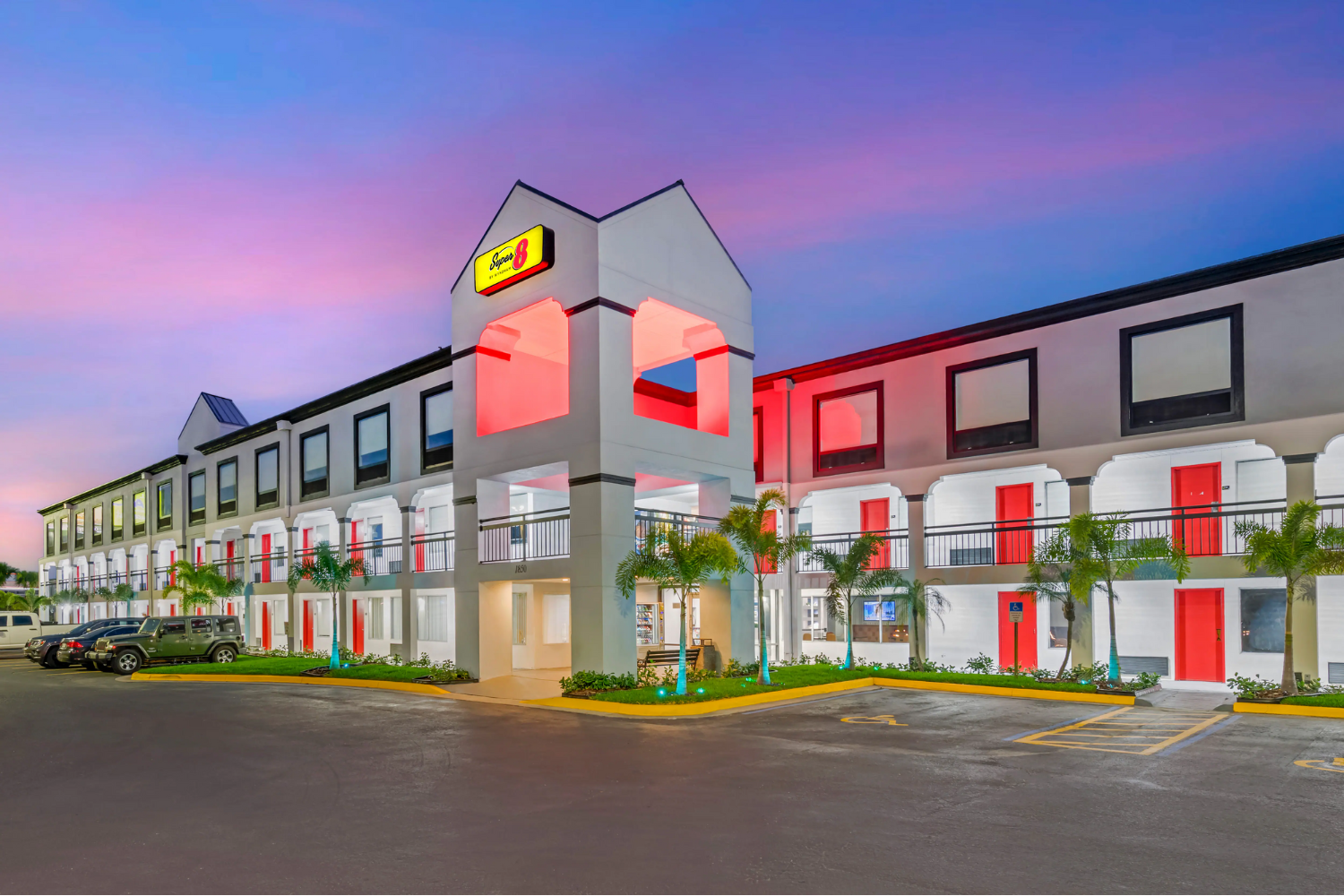
For decades, the name Wyndham Hotels & Resorts has been synonymous with the American road trip. Brands like Super 8, Days Inn, and Howard Johnson built the company’s reputation as the ubiquitous king of the economy lodging sector—reliable, accessible, and essential for the budget-conscious traveler. However, behind the familiar signage of roadside motels, a quiet but profound architectural shift is taking place within the company’s corporate strategy.
On the surface, Wyndham’s U.S. room count appears to be in a state of stasis. In its most recent second-quarter earnings report, the company posted a U.S. room count of 501,100—a figure that remains essentially flat year-over-year. To the casual observer, this might suggest a plateau in growth or a period of stagnation. In reality, the company is executing a surgical, systematic swap of its assets, trading lower-fee economy inventory for higher-margin, midscale offerings.
The Main Facts: A Tale of Two Segments
The crux of Wyndham’s current business model lies in a fundamental transition of its revenue mix. While the total number of rooms has remained anchored at the half-million mark, the composition of those rooms is undergoing a significant transformation.
During the company’s Q2 earnings call, CEO Geoff Ballotti articulated a vision that moves away from pure volume and toward "FeePAR" (Fee Per Available Room) optimization. By shedding properties that provide lower returns and aggressive expansion into the midscale and upper-midscale categories, Wyndham is attempting to insulate itself from the volatility often associated with the bottom-tier economy market.
The data supports this narrative. U.S. economy rooms fell by 3% to 216,600, while the midscale and above segments grew by 2%. This is not an accidental fluctuation; it is a direct consequence of a deliberate portfolio overhaul designed to increase the long-term profitability of the franchise system.
Chronology of a Transformation
The evolution of Wyndham’s portfolio did not happen overnight. It is the culmination of a multi-year strategy to modernize the brand’s image and align its financial performance with the expectations of modern shareholders.
- The Foundational Years (2018–2020): Following the spin-off from its vacation ownership business, Wyndham began focusing on the core franchising model. The initial focus was on operational excellence and the integration of the La Quinta brand, which served as the primary catalyst for the company’s midscale pivot.
- The Pandemic Pivot (2020–2022): COVID-19 disrupted global travel, but the economy segment remained resilient due to essential workers and long-haul truckers. Wyndham used this period to double down on its loyalty program, Wyndham Rewards, creating a cohesive ecosystem that could eventually support higher-end properties.
- The "Quality Over Quantity" Era (2023–Present): With the hospitality industry fully recovered, the company shifted its focus toward the quality of the portfolio. Management began actively pruning the network of "lower quality" properties that were dragging down the average FeePAR, replacing them with new-construction hotels and higher-tier conversions.
Supporting Data: Understanding the FeePAR Metric
To understand why Wyndham is willing to sacrifice economy room count for midscale growth, one must look at the economics of the "FeePAR."
FeePAR is essentially the royalty fee the company collects for every available room in its system. A Super 8 property, while generating significant volume for the brand, typically commands a lower royalty rate compared to a Wyndham Garden or an upscale Trademark Collection property.
As the 3% decline in economy inventory is offset by the 2% gain in midscale rooms, the "math" of the portfolio improves. Higher-tier properties naturally command higher Average Daily Rates (ADR), which in turn results in higher absolute dollar amounts for the franchise fees paid to the parent company.
Furthermore, the operational costs associated with maintaining a massive, older economy portfolio—often involving more intensive compliance oversight and lower-tier franchisee support—are being mitigated. By pivoting toward midscale and above, Wyndham is effectively streamlining its corporate workload while simultaneously increasing its revenue yield per room.
Official Responses: CEO Geoff Ballotti’s Vision
In his address to analysts and investors, CEO Geoff Ballotti was remarkably candid about the necessity of this transition. He framed the strategy as a long-term value creation exercise.
"We’re very focused on replacing those lower-quality, lower FeePAR rooms with higher-quality, higher FeePAR rooms," Ballotti stated. He emphasized that the goal is not to abandon the economy segment, which remains a massive cash cow and a fundamental pillar of the company’s identity, but rather to curate the segment more effectively.
The leadership team is essentially pruning the "long tail" of the portfolio—older hotels that no longer meet the brand standards or the modern expectations of travelers—and replacing them with properties that offer better amenities, higher revenue potential, and a more robust digital guest experience. This is a move toward institutional-grade hospitality, even within the mid-market space.
Implications for the Industry and the Consumer
The implications of Wyndham’s strategy are twofold: they affect the competitive landscape of the hotel industry and the experience of the average American traveler.
For the Competition
Wyndham’s move into the midscale and upper-midscale space puts it in direct competition with giants like Marriott International and Hilton, both of which have been aggressively expanding their mid-market "collection" brands. By upgrading its portfolio, Wyndham is attempting to capture the business traveler and the "bleisure" (business and leisure) traveler—demographics that have historically been the primary targets of the higher-tier chains.
For the Traveler
For the consumer, this shift will likely manifest as a more consistent, upgraded experience. As the company replaces aging inventory with newer, better-appointed properties, the brand equity of names like Microtel or Days Inn will likely rise. Travelers can expect better technology, improved breakfast offerings, and more modernized room designs.
However, there is a risk: as Wyndham pushes for higher-fee properties, the price point for a "Wyndham-branded experience" may gradually creep upward. The company must balance this transition carefully to ensure it does not alienate its traditional, price-sensitive customer base that has been loyal to the brand for decades.
For Franchisees
The shift also changes the dynamic for prospective hotel owners. Franchisees who are willing to invest in higher-tier properties are being incentivized, while owners of legacy properties that require significant capital expenditure to meet new standards may find themselves squeezed out of the network. This creates a "flight to quality" among the franchisee base, which is generally a healthy sign for a franchisor’s long-term sustainability.
Looking Ahead: The Future of the "Roadside Giant"
As Wyndham moves forward, the market will be watching closely to see if this "systematic swap" continues to yield the expected financial results. If the company can successfully continue to trade down-market volume for up-market value without causing a dip in its overall occupancy rates, it will have successfully navigated one of the most difficult transitions in hospitality: moving from a volume-based player to a value-optimized leader.
The "flat" U.S. room count is merely the calm before the storm—a sign of a company in the midst of a sophisticated internal recalibration. While the names on the buildings might remain familiar to the American traveler, the underlying business is becoming leaner, more expensive, and, in the eyes of shareholders, significantly more profitable.
Wyndham’s strategy serves as a masterclass in portfolio management. By embracing the inevitability of change and prioritizing quality over raw count, the company is ensuring that its brand remains not just a roadside staple, but a dominant force in the evolving landscape of American lodging for the next generation of travelers. Whether this shift will fully satisfy the demands of Wall Street remains to be seen, but the intent is clear: Wyndham is building a higher-quality future, one room swap at a time.
