





By Ryan Kushner
Published July 23, 2026
The ongoing tension between urban governance, public health mandates, and the civil rights of the unhoused population has reached a critical juncture in Berkeley, California. A class-action lawsuit, brought forward by Disability Rights Advocates and the East Bay Community Law Center, is challenging the city’s encampment removal practices, alleging that these enforcement actions not only violate the U.S. Constitution but also fundamentally breach the Americans with Disabilities Act (ADA).
As cities across the United States navigate the post-Grants Pass legal landscape, the Berkeley case has become a focal point for the broader debate regarding the balance between maintaining public spaces and protecting the rights of the most vulnerable residents.
The Core Dispute: Property, Accessibility, and the ADA
At the heart of the litigation is the argument that Berkeley’s current enforcement mechanisms—specifically regarding 72-hour parking restrictions and the clearing of encampments—disproportionately impact unhoused individuals with physical and mental disabilities.
The plaintiffs, representing a class of unhoused residents and the non-profit organization "Where Do We Go," contend that the city’s policies lack the necessary "reasonable accommodations" required by federal law. They argue that when the city conducts "sweeps," they often destroy essential items, including medications, assistive medical devices, and critical survival gear, without providing adequate notice or a system for property reclamation.
The lawsuit asserts that these actions constitute an unlawful seizure of property. U.S. District Judge Edward Chen, in a significant July 14 ruling, validated concerns regarding the city’s methodology. "The record contains abundant—and troubling—anecdotal evidence of an enforcement framework weighted in favor of property disposal," Judge Chen noted. He emphasized that the evidence points to a systemic issue regarding how the city handles the belongings of those it displaces, highlighting both the breadth of the risk faced by the unhoused and the severity of the harms caused by current protocols.
A Chronology of Conflict
The legal and policy landscape in Berkeley has been in constant flux over the past three years:
- 2024: The City of Berkeley updates its encampment policy. City Manager Paul Buddenhagen releases a memo emphasizing a "housing-first" and "care first, jails last" philosophy, asserting that the policy is designed to create safe, healthy, and compassionate communities while mitigating safety risks.
- June 2024: The U.S. Supreme Court issues its landmark ruling in Grants Pass v. Johnson, providing local governments with broader authority to ban homeless encampments, effectively lowering the threshold for enforcement actions that were previously blocked by lower court precedents.
- May 2025: California Governor Gavin Newsom issues a directive urging municipalities to "take back the streets," proposing a model ordinance that permits the removal of semi-permanent structures on public land, provided the city gives at least 48 hours’ notice to occupants.
- April 2026: In a separate but related suit, Judge Edward Chen grants the city the ability to resume clearing specific long-standing encampments without the prerequisite of securing immediate housing or city-sanctioned shelter for residents.
- July 2026: The current class-action suit progresses, with Judge Chen citing "troubling" evidence of property destruction, keeping the city’s feet to the fire regarding its duty to accommodate disabled residents during clearance operations.
The Legal Landscape: Grants Pass and the "Housing-First" Dilemma
The 2024 Supreme Court decision in Grants Pass fundamentally shifted the power dynamic between municipal governments and unhoused advocates. Prior to this ruling, the "Eighth Amendment" argument—that punishing people for sleeping outside when no shelter is available constitutes cruel and unusual punishment—had successfully restrained many city sweep programs.
However, the post-Grants Pass environment has emboldened states like California to prioritize the clearing of public spaces. Governor Newsom’s push for a standardized approach has placed immense pressure on cities like Berkeley to reconcile state-level directives with their own progressive municipal charters.
The city maintains that it is not abandoning its "housing-first" commitments. In official statements, Berkeley leadership argues that the enforcement of health and safety codes is not mutually exclusive with providing care. They contend that the encampments, as they currently exist, often pose fire risks, sanitation hazards, and accessibility issues that impede the use of public infrastructure for all citizens.

Supporting Data: The Scale of the Crisis
The urgency of the situation is underscored by the sheer scale of homelessness in California. As the most populous state in the nation, California remains the epicenter of the crisis.
According to data from 2025, California recorded a homeless population of 181,934. While this represents a 2.8% decline from the previous year, the absolute numbers remain staggering compared to other states like New York, which reported 145,560 individuals. The slow downward trend, while statistically positive, masks the volatility experienced by individuals on the ground who are subject to frequent relocation.
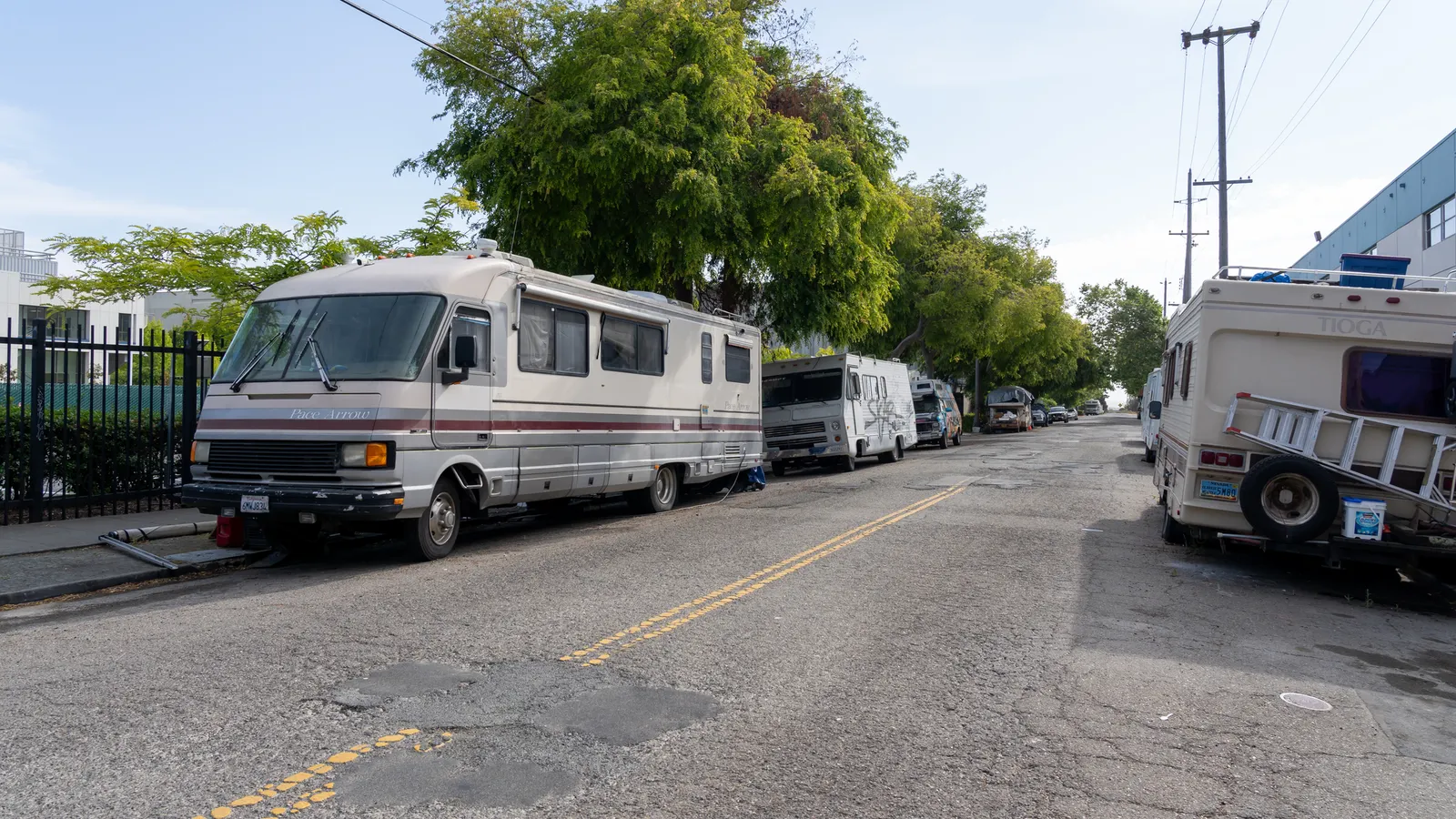
In Berkeley, the "72-hour rule" for vehicle parking has become a flashpoint. Advocates argue that for individuals living in recreational vehicles (RVs) due to disability, the constant need to move their vehicles every three days is not just a logistical burden but an impossibility that often leads to the impoundment of their only form of shelter.
Official Responses and Institutional Stance
Berkeley officials have consistently attempted to frame their policy as a middle path. City Manager Paul Buddenhagen’s 2024 memo serves as the primary defense of the administration’s stance. The city maintains that its outreach teams work diligently to connect individuals with services prior to any enforcement action.
"Staff view Berkeley’s new encampment policy as part of our broader commitment to creating safe, healthy, and compassionate communities," the memo states. "We will continue to prioritize a housing-first approach while addressing the immediate safety risks posed by encampments."

However, the plaintiffs in the class-action suit argue that the gap between the "care-first" rhetoric and the reality of the street-level implementation is wide. They highlight that without a mandated guarantee of shelter, the city’s actions serve only to shuffle the unhoused from one block to the next, often causing them to lose contact with essential social workers, doctors, and legal advocates who provide the very "care" the city claims to prioritize.
Implications for the Future of Urban Policy
The resolution of this case will likely set a significant precedent for how cities across the U.S. implement the Grants Pass ruling. If the court finds in favor of the plaintiffs, it could establish a "disability-first" standard, requiring municipalities to provide robust, individualized accommodations before any sweep or enforcement action can be initiated.
Conversely, if the city prevails, it will signal a green light for a more aggressive, enforcement-heavy approach to urban management, where the clearing of public space takes precedence over the preservation of individual property in the absence of permanent housing.
As the litigation proceeds, Berkeley remains a microcosm of a national struggle. The city must now prove that its policies—which attempt to balance the constitutional rights of the disabled with the state’s mandate to clear public spaces—are not merely performative, but are grounded in a functional system of support that respects the dignity of its most marginalized residents.
For now, the unhoused population of Berkeley remains in a state of uncertainty, awaiting a final judgment that will determine whether the city’s streets will become more accessible to all, or if the current cycle of displacement will continue unabated. The court’s focus on the "severity of actual harms" suggests that the judiciary is no longer willing to accept simple bureaucratic justifications, demanding instead a higher standard of accountability from city hall.
