


By Dan Zukowski | Smart Cities Dive
Published July 23, 2026
The race to redefine urban transportation has entered a high-stakes phase, with Tesla signaling an aggressive, near-term expansion of its autonomous ride-hailing services. During the company’s latest quarterly earnings call, CEO Elon Musk underscored a directive to deploy the firm’s robotaxi fleet across more U.S. cities “as fast as humanly possible,” marking a definitive shift from product development to large-scale market penetration.
As Tesla accelerates its rollout, the company finds itself locked in a fierce competitive landscape against established players like Waymo and a resurgent Uber, each vying to capture the future of urban mobility.
The Core Objective: Rapid Market Penetration
Tesla’s ambition is clear: move beyond the limited pilot phases that characterized the early adoption of its Full Self-Driving (FSD) technology. For Musk and his leadership team, the robotaxi isn’t just a vehicle; it is the cornerstone of a vision where individual car ownership is supplanted by efficient, autonomous, and cost-effective fleets.
During the earnings discussion, Tesla executives emphasized that the foundation for this expansion is already in place. The company is currently operating across six cities in two states, a footprint that leadership insists will grow significantly before the end of the calendar year. This move is designed to leverage Tesla’s massive existing data advantage—the millions of miles logged by consumer vehicles equipped with FSD hardware—to train and optimize the autonomous stack for the specific nuances of diverse urban environments.
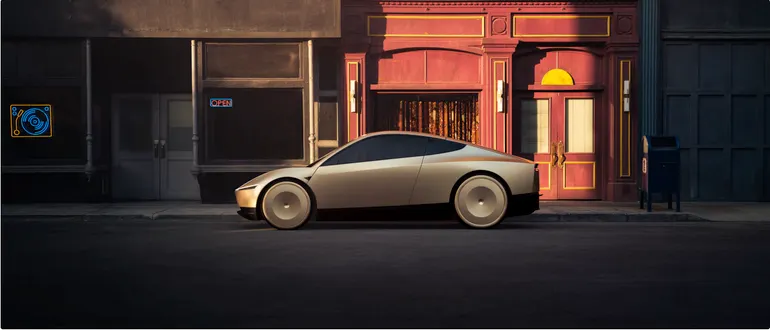
Chronology of a Revolution
The path to the Cybercab has been marked by bold promises and iterative engineering. To understand where Tesla stands, one must look at the timeline of its evolution:
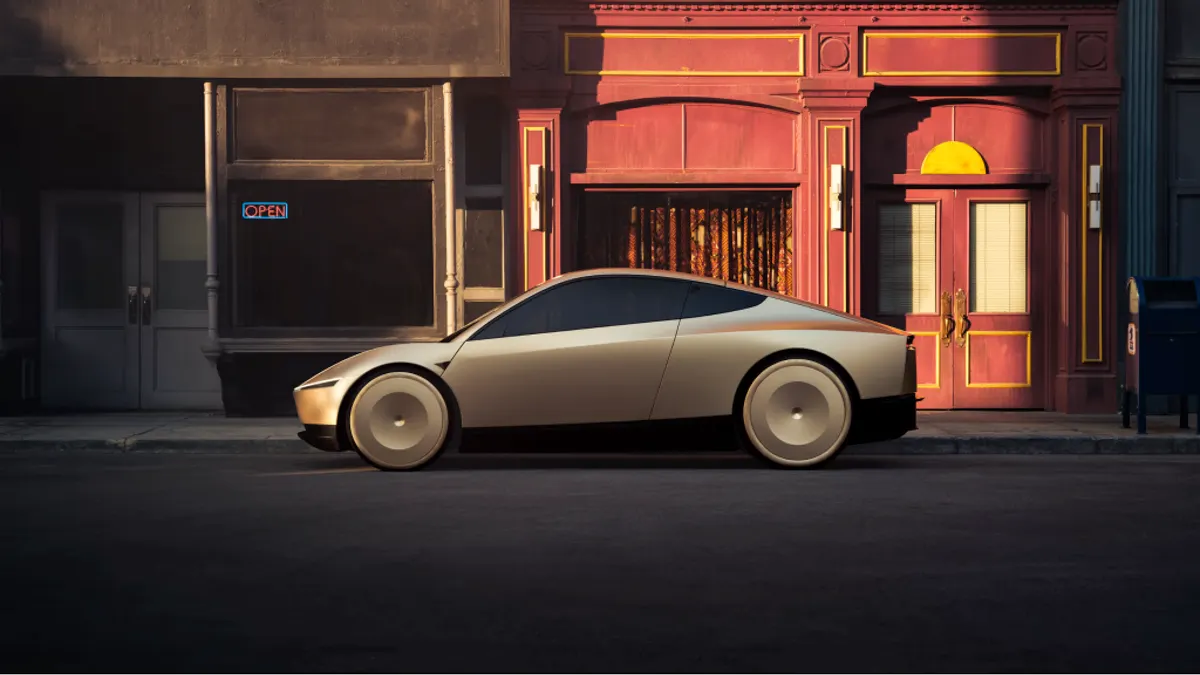
- October 2024: Musk officially unveils the “Cybercab” at a high-profile event in Burbank, California. The vehicle, stripped of steering wheels and pedals, is presented as the ultimate expression of the company’s autonomy goals.
- April 2026: Tesla confirms that mass manufacturing of the Cybercab has officially commenced. While initial production models are tested with manual controls to calibrate chassis dynamics, the design philosophy remains firmly rooted in a driverless experience.
- July 2026: During the Q2 earnings call, leadership reaffirms the goal to scale operations rapidly.
- Pre-2027 Outlook: Tesla maintains its guidance that widespread consumer availability and public-facing production will hit full stride before the end of 2026.
The Safety Narrative: Data vs. Perception
A critical component of Tesla’s pitch to regulators and the public is its safety record. Ashok Elluswamy, Tesla’s Executive Officer, painted a picture of a system that has reached a high level of operational maturity.
“Robotaxi growth, so far, has been literally exponential while keeping an impeccable safety record,” Elluswamy stated. He noted that the fleet has logged over 380,000 miles of completely unsupervised operation. Most importantly, he asserted that there have been “zero notable incidents” attributable to Tesla’s autonomous system. According to the company, any minor incidents reported involving their vehicles were the result of human-driven cars impacting stationary Tesla units.
However, this data is being measured against a backdrop of intense scrutiny. The industry as a whole is struggling to balance rapid deployment with the stringent safety requirements imposed by municipal governments and federal regulators.
Competitive Landscape: The Waymo and Uber Factor
While Tesla pushes forward, it does so in a market where competitors have established significant head starts.

Waymo, the Alphabet-owned autonomous pioneer, continues to lead in total miles logged. As of March 2026, Waymo reported over 220 million miles of driverless operation—a staggering figure that highlights the maturity of its lidar-heavy sensor suite compared to Tesla’s vision-only approach. Waymo’s safety data is equally compelling, reporting 94% fewer injury crashes and 93% fewer pedestrian injury crashes compared to human drivers in the cities where it operates. Currently serving 11 major U.S. cities, with another 20 in the pipeline, Waymo represents the primary benchmark for reliability in the autonomous space.
Meanwhile, the ride-hailing sector is undergoing a massive consolidation of capital. Uber, recognizing that the future of its platform relies on the transition to autonomy, recently announced a $10 billion investment strategy. By partnering with companies like Waymo and expanding its own research, Uber is positioning itself as the "aggregator" of the robotaxi revolution, ensuring that whether a car is a Tesla or a Waymo, the transaction happens through their ecosystem.
Implications for Urban Infrastructure
The shift toward robotaxis poses profound questions for city planners and urban design. The integration of these fleets requires more than just functional software; it requires a complete rethinking of city infrastructure.
1. Curb Management
As robotaxis replace private vehicles, the demand for short-term loading and unloading zones will skyrocket. Cities will need to transition from long-term parking meters to dynamic, high-turnover curb space that can accommodate autonomous pick-ups and drop-offs without snarling traffic.
2. Economic Accessibility
Musk has repeatedly stated that the Cybercab will be priced under $30,000 for public release. If Tesla can deliver on this price point, the cost-per-mile for autonomous rides could drop below that of public transit or private car ownership, potentially democratizing access to point-to-point transportation.

3. Regulatory Hurdles
The deployment of vehicles without pedals or steering wheels requires a shift in federal motor vehicle safety standards. While Tesla is currently using vehicles with manual controls for calibration, the eventual transition to a truly "headless" cabin will require significant regulatory cooperation. Cities are increasingly wary of "untested" software on their streets, leading to a patchwork of local ordinances that Tesla must navigate as it expands.
Conclusion: The Road Ahead
Tesla’s push to bring robotaxis to the masses is a calculated gamble on the maturity of its AI and the patience of its investors. By moving "as fast as humanly possible," the company is forcing the hand of both its competitors and the regulators tasked with ensuring public safety.
The Cybercab represents the ultimate realization of the company’s "Master Plan." If successful, it will effectively render traditional car ownership obsolete in dense urban centers, turning the act of commuting into a seamless, automated service. However, the gap between the 380,000 miles of test data and the millions of miles required for true national ubiquity is wide.
As the calendar turns toward 2027, the focus will shift from the promise of the technology to the reality of its performance in the chaotic, unpredictable, and often dangerous environment of American city streets. The race is officially on, and the outcome will determine the shape of our cities for the next century.
