




For decades, the “Joint Employer Rule” has served as a cornerstone of American labor law, designed to ensure that the realities of modern subcontracting do not shield powerful corporations from their legal obligations. From assembly lines to distribution centers, the rule ensures that if a worker’s rights are violated, the entity that effectively controls their work—not just the staffing agency that cuts their paycheck—can be held accountable.
However, a controversial proposal currently under consideration by the U.S. Department of Labor (DOL) threatens to dismantle this framework. By narrowing the definition of what constitutes a "joint employer," the proposed regulation could grant corporations a "get-out-of-jail-free" card, allowing them to outsource their labor liabilities to smaller, often under-capitalized third-party firms. Advocates argue this shift would trigger a race to the bottom in wages, safety, and labor standards across the American economy.
The Core Conflict: Who Really Signs the Paycheck?
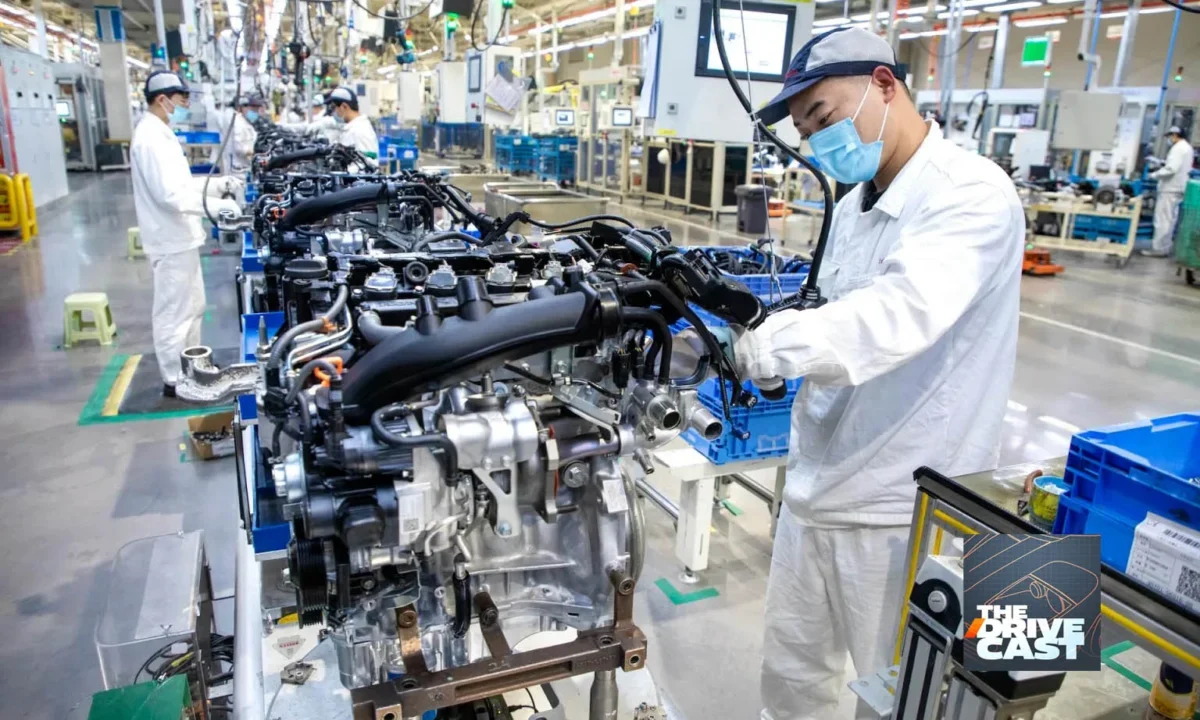
The fundamental question at the heart of this debate is one of control versus liability. In the contemporary manufacturing and service sectors, it is increasingly common for a "lead" company—a major corporation—to use temporary staffing agencies to fill factory, warehouse, or construction roles.
Under the current interpretation of the Fair Labor Standards Act (FLSA), the Family and Medical Leave Act (FMLA), and the Migrant and Seasonal Agricultural Worker Protection Act (MSPA), both the lead company and the staffing agency are often considered joint employers. This legal reality prevents the lead firm from washing its hands of labor violations simply because it did not technically hire the individual worker.
The DOL’s proposed rule seeks to restrict this standard, implementing a significantly narrower test to determine whether a joint employment relationship exists. If finalized, this rule would require a much higher threshold of evidence to prove that a lead company exerts enough control over a worker to be held responsible for their wages, benefits, or safety protections.
Chronology of the Regulatory Shift
The struggle over joint employer status has been a hallmark of administrative tug-of-war for nearly a decade.
- Pre-2016: The courts and the DOL historically maintained a broad interpretation of joint employment, emphasizing the "economic reality" of the relationship between the worker and the lead employer.
- 2016–2017: The DOL under the Obama administration issued guidance reinforcing this broad interpretation, specifically targeting industries heavily reliant on staffing agencies.
- 2020: The Trump administration issued a final rule that drastically narrowed the definition of joint employment, creating a four-factor test that made it much harder to hold lead employers liable.
- 2021: The Biden administration moved to rescind the 2020 rule, seeking to return to a more worker-protective standard.
- 2026: The current DOL has introduced a new proposed rule that mirrors much of the restrictive logic of the 2020 era, sparking intense backlash from labor advocacy groups, including the National Employment Law Project (NELP) and Governing for Impact.
Supporting Data: The Rising Tide of Outsourcing
The rise of the "fissured workplace"—a term coined by economist David Weil—has fundamentally transformed the American labor landscape. As lead companies have increasingly outsourced core functions, the distance between the entity setting work policies and the entity responsible for legal compliance has grown.
Data from the Bureau of Labor Statistics and independent research suggests that industries with the highest rates of subcontracting—such as janitorial services, warehousing, and commercial construction—frequently report the highest rates of wage and hour violations. When a company outsources its labor, it effectively outsources its risk. Often, these staffing agencies operate on thin margins, creating an environment where workers are pressured to work "off the clock" or endure hazardous conditions to meet the production quotas set by the lead firm.
According to labor advocates, the trend is clear: as outsourcing increases, the ability of the average worker to recover unpaid overtime or seek redress for safety violations decreases. By narrowing the joint employer rule, the DOL is effectively incentivizing the expansion of these subcontracting models, as companies seek to insulate themselves from the legal consequences of their operational practices.
Official Responses and the Opposition
The opposition to the DOL’s proposal is robust and well-coordinated. In a formal comment submitted to the federal register, the National Employment Law Project, in partnership with Governing for Impact, has urged the department to withdraw the proposal entirely.
The NELP Position
NELP argues that the proposed rule is fundamentally at odds with the statutory language of the FLSA, FMLA, and MSPA. "The FLSA, FMLA, and MSPA use broad language precisely so that employers who engage subcontracted labor cannot easily evade accountability when workers’ rights are violated," the organization stated.
They further contend that the DOL’s proposal contradicts decades of Supreme Court and circuit court precedents, which have consistently upheld the "economic reality" test. By attempting to codify a narrower standard, the DOL is essentially inviting litigation and creating a legal environment that ignores the practical realities of modern supply chains.
The DOL’s Rationale (The Regulatory Perspective)
The DOL’s stated intent in proposing the rule is to provide "regulatory certainty" for businesses. Proponents of the change argue that the current, broader standard is too vague, leading to unpredictable litigation for companies that utilize staffing agencies. They claim that clarifying the scope of joint employment will encourage companies to engage with staffing agencies without the fear of being dragged into protracted legal disputes over the actions of those third-party vendors.
Implications for the American Workforce
If the DOL’s proposed rule is adopted, the consequences for the American worker could be profound.
1. The Erosion of Wage and Hour Protections
The most immediate risk is the loss of wage recovery. If a worker is not paid overtime, and the staffing agency that employed them has declared bankruptcy or disappeared (a common occurrence in the low-wage sector), the worker currently has the option to pursue the lead company. Under the proposed, narrower rule, that path to recovery would likely be closed, leaving workers with no legal recourse to collect the money they are owed.
2. Deteriorating Health and Safety Conditions
Joint employer liability has historically been a tool for ensuring that safety standards are enforced at the site of work. If lead companies are insulated from liability, they have less incentive to invest in the safety of the entire facility, particularly for the temporary or subcontracted workers who often occupy the most dangerous roles.
3. A Shift in Corporate Strategy
Perhaps the most lasting implication is the acceleration of the outsourcing trend. If a company can effectively outsource its legal liability, the financial incentive to maintain a direct, full-time workforce diminishes. This could lead to a permanent restructuring of sectors like logistics and manufacturing, where a larger portion of the workforce remains in a "precarious" state—lacking benefits, job security, and clear avenues for legal protection.
Conclusion: The Path Forward
The battle over the joint employer rule is more than a technical dispute over administrative law; it is a battle over the definition of responsibility in a globalized, outsourced economy.
As the public comment period concludes and the DOL moves toward a final decision, the voices of labor advocates serve as a stark warning. The statutory intent of the FLSA and its companion laws was to protect workers from the very vulnerabilities that the "fissured" workplace creates. By narrowing the definition of a joint employer, the DOL risks turning back the clock on decades of progress.
Workers, regardless of who signs their check or which agency technically employs them, contribute to the profits of the lead company. Ensuring that these companies remain accountable for the rights of those workers is not just a legal obligation—it is a fundamental requirement for a fair and equitable labor market. As NELP and other advocacy groups have argued, the only responsible path for the DOL is to withdraw the proposed rule and preserve the broad, protective standards that have defined American labor law for generations.
