




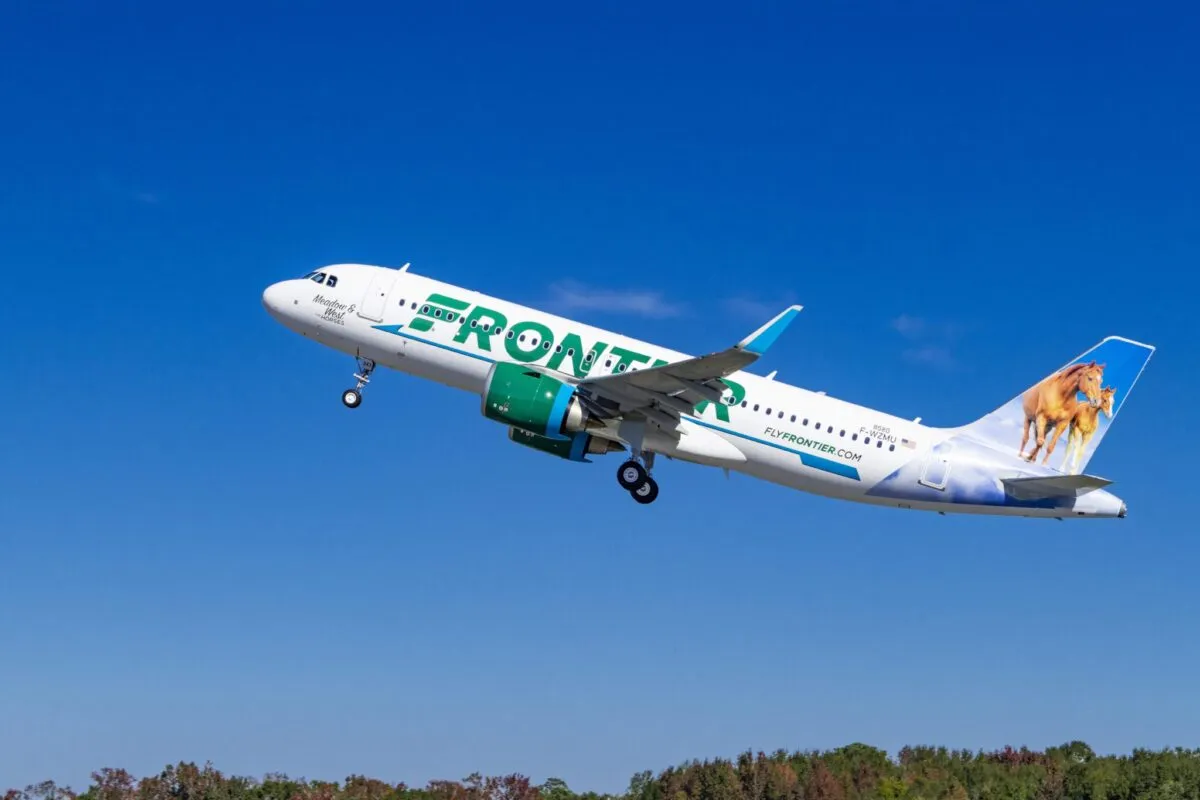
The aviation industry is currently witnessing a profound metamorphosis. For decades, the "Ultra-Low-Cost Carrier" (ULCC) model was defined by a singular, rigid philosophy: strip away every conceivable amenity, charge for the air in the cabin, and keep base fares so low that they essentially function as loss leaders to capture market share. However, Frontier Airlines is signaling that the era of "dirt cheap" is being replaced by an era of "pricing power."
In its latest financial disclosure, Frontier reported a record-breaking $1.3 billion in quarterly revenue—a staggering 38% increase compared to the same period last year. More significantly, the airline recorded a 28% jump in revenue per available seat mile (RASM), a critical industry metric that suggests the carrier is no longer reliant on sheer volume, but is instead successfully extracting higher margins from every passenger who boards its fleet.
The Evolution of the ULCC Model: Main Facts
The shift at Frontier is not merely a byproduct of post-pandemic inflation; it is a calculated strategic pivot. Traditionally, ULCCs like Frontier and Spirit focused on the "unbundled" traveler—the budget-conscious consumer who prioritizes price over comfort. But as the broader travel market has matured post-2021, consumer behavior has changed. Travelers are increasingly willing to pay a premium for reliability and expanded route networks, even on carriers historically associated with "bare-bones" service.
Frontier’s recent financial results confirm that the airline is successfully navigating this transition. By optimizing its network and leaning into ancillary revenue streams—such as seat assignments, carry-on baggage fees, and "bundle" packages—Frontier has managed to grow its top-line revenue at a rate that outpaces many of its legacy competitors. The $1.3 billion revenue milestone serves as a definitive proof of concept: the airline has successfully shed the image of a "budget-only" player to become a robust, revenue-generating machine.
Chronology: From Pandemic Survival to Pricing Power
To understand the significance of Frontier’s current trajectory, one must look at the timeline of the last four years.
2020–2021: The Survival Phase
Like all carriers, Frontier faced an existential crisis. The focus was entirely on cash preservation and survival. During this period, the airline leaned heavily into its ultra-low-cost DNA, slashing fares to record lows to incentivize travel in an environment defined by fear and restriction.
2022: The Demand Inflection
As travel restrictions lifted, Frontier—along with the rest of the industry—saw a surge in "revenge travel." However, Frontier began to notice a shift in the passenger profile. The airline began experimenting with dynamic pricing models, moving away from the "race to the bottom" fare structure. By late 2022, the carrier began to focus on "constructive" pricing, a term used by executives to describe a market where supply is constrained and demand remains stubbornly high.
2023–2024: The Strategic Pivot
This year marked the turning point. Frontier implemented a series of operational changes, including a more sophisticated yield management system that allowed them to capitalize on peak demand periods more effectively. The Q3 financial performance, which highlighted the 38% revenue surge, represents the culmination of this strategy. The airline is no longer just selling a seat; it is selling a travel experience that is priced closer to, and sometimes competitive with, legacy carriers.
Supporting Data: By the Numbers
The data provided in Frontier’s latest earnings call paints a picture of a company operating at a high level of efficiency.
- Total Revenue: $1.3 billion (38% year-over-year growth).
- RASM (Revenue per Available Seat Mile): 28% increase. This figure is arguably the most important data point for analysts. It indicates that for every mile a seat is flown, Frontier is generating significantly more cash than it was twelve months ago.
- Operating Margin Expansion: By controlling operational costs while simultaneously raising the average ticket price, Frontier has managed to widen its operating margins, a rare feat for a carrier that operates with a high sensitivity to fuel price fluctuations.
- Ancillary Growth: While the core fare has increased, Frontier has also seen a double-digit rise in "ancillary spend per passenger." This includes the adoption of the "Frontier Miles" loyalty program and premium seat selection, which have become integral to the airline’s bottom line.
Official Responses: The View from the C-Suite
During the Wednesday earnings call with analysts and investors, the tone from Frontier’s leadership was one of cautious optimism and strategic confidence. Bobby Schroeter, the Chief Commercial Officer, provided the most insight into why the airline is thriving in a period of high inflation.
"The demand environment is strong," Schroeter noted, addressing the concern that higher fares might deter budget-conscious travelers. "The fare environment is constructive."
Schroeter’s use of the term "constructive" is deliberate. In airline industry parlance, a constructive environment is one where carriers are not engaging in aggressive "fare wars." Instead, there is a tacit understanding across the industry that capacity is disciplined, and airlines can command higher prices without fearing a loss of market share. He further emphasized that the airline is seeing sustained strength across both its domestic and international segments, suggesting that the pricing power is not limited to a single niche, but is systemic across their entire network.
Implications: What This Means for the Passenger and the Industry
Frontier’s success has profound implications for the future of commercial aviation.
The Death of the "Dirt Cheap" Fare
The most immediate implication for the average passenger is that the days of $29 cross-country flights are likely behind us. As Frontier proves that it can command higher prices, other ULCCs will inevitably follow suit. The industry is moving toward a model where "low-cost" no longer means "bottom-of-the-barrel pricing," but rather "efficient operations."
Consolidation and Network Discipline
Frontier’s performance also signals a shift in how airlines view capacity. By focusing on RASM rather than simply filling seats at any price, the airline is signaling that it would rather fly a slightly less full plane at a higher fare than a full plane at a loss. This discipline is healthy for the industry’s long-term sustainability, as it reduces the wear and tear on assets and lowers the carbon footprint per revenue dollar generated.
The Competitive Response
Legacy carriers—such as American, United, and Delta—will be watching Frontier closely. For years, the legacy airlines had to compete with Frontier on price. If Frontier continues to raise its fare floor, legacy carriers may find themselves with more room to raise their own prices or offer more aggressive "Basic Economy" products to capture the market share that Frontier is effectively "abandoning" by moving upmarket.
A New Era of Ancillary Revenue
Frontier’s success will likely trigger an "ancillary arms race." If passengers are willing to pay for a "better" Frontier experience, other airlines will rush to unbundle their services further. We should expect to see more airlines adopting sophisticated, AI-driven dynamic pricing tools that can adjust the cost of a carry-on bag or a seat selection in real-time based on the specific passenger’s search history and willingness to pay.
Conclusion: The New Frontier
Frontier Airlines has managed to pull off a difficult trick: it has grown its revenue by 38% while fundamentally changing its identity in the eyes of the consumer. By capitalizing on a "constructive" demand environment and proving that the ultra-low-cost traveler is willing to pay more for reliability and access, the airline has secured its position as a dominant force in the modern travel landscape.
As the industry moves forward, the success of Frontier will serve as the blueprint for other carriers. The era of the "dirt cheap" fare is fading, replaced by a more sophisticated, data-driven approach to pricing. For the passenger, this means a more expensive ticket. For the airline, it means record-breaking revenue and a sustainable path forward in a volatile global economy. The "Frontier" of aviation has moved, and it is far more expensive than it used to be.
