




Europe is currently grappling with a climate-driven crisis of staggering proportions. As a relentless heatwave sweeps across the continent, record-breaking temperatures have transformed forests, scrublands, and rural landscapes into tinderboxes. The resulting wildfires have forced the mass evacuation of thousands of residents and tourists alike, paralyzing travel hubs and casting a pall of smoke over some of the world’s most iconic vacation destinations.
From the sun-drenched coasts of the Iberian Peninsula to the rugged terrains of the Balkans, the fire season has arrived with an intensity that has stretched emergency services to their absolute breaking point. As European Union officials warn of a cascading crisis, the continent faces a grim reality: the intersection of extreme weather and human infrastructure is creating a new, volatile norm for European summers.
The Escalating Crisis: Main Facts and Current Situation
The current fire surge is not an isolated incident but part of a wider meteorological phenomenon characterized by "heat domes" and persistent high-pressure systems. These conditions have trapped hot air over the Mediterranean and Central Europe, driving temperatures well above 40°C (104°F) in several regions.
The Geography of the Blaze
While France and Spain have been the epicenters of the most aggressive fire fronts, the crisis is rapidly migrating. The European Union’s Emergency Response Coordination Center (ERCC) has identified a widening circle of risk. According to Maria Zuber, head of the ERCC, the threat is currently shifting toward Greece and Central Europe.
The volatility of the situation is evidenced by the tragic loss of life. On Wednesday, three firefighters lost their lives in Greece while battling blazes that have proven notoriously difficult to contain due to high winds and rugged, inaccessible terrain. These fatalities serve as a sobering reminder of the physical toll being exacted on emergency responders who are working in conditions that are becoming increasingly unsustainable.
Chronology: A Week of Fire and Flight
To understand the severity of the crisis, one must look at the rapid progression of events over the last ten days.
- Late July – The Initial Spark: Temperatures in Southwestern Europe began to climb, with Spain and France recording their first major fire outbreaks in rural provinces. Dry vegetation, neglected by a lack of spring rain, served as the primary fuel source.
- The Mid-Week Surge: As the heatwave intensified, the fires jumped from local nuisance to national emergencies. In Greece, fire fronts multiplied, forcing the closure of key road networks and the preemptive evacuation of villages.
- Wednesday – The Tragic Turn: The death of three firefighters in Greece marked a turning point in public discourse, shifting the narrative from a regional inconvenience to a major humanitarian and security crisis.
- The Weekend Outlook: Meteorologists and emergency officials are now tracking the movement of the heat plume toward Italy and the Balkans. By the beginning of August, Italian authorities are expected to raise their national alert levels to the maximum, anticipating a surge in fire risk as temperatures peak across the peninsula.
Supporting Data: Climate Patterns and Risk Assessments
The data underpinning the current crisis is alarming. Climate scientists point to the "dry-fuel" index, which measures the moisture content of vegetation. Across much of Southern Europe, this index is at its lowest level in decades.
A Continent Under Stress
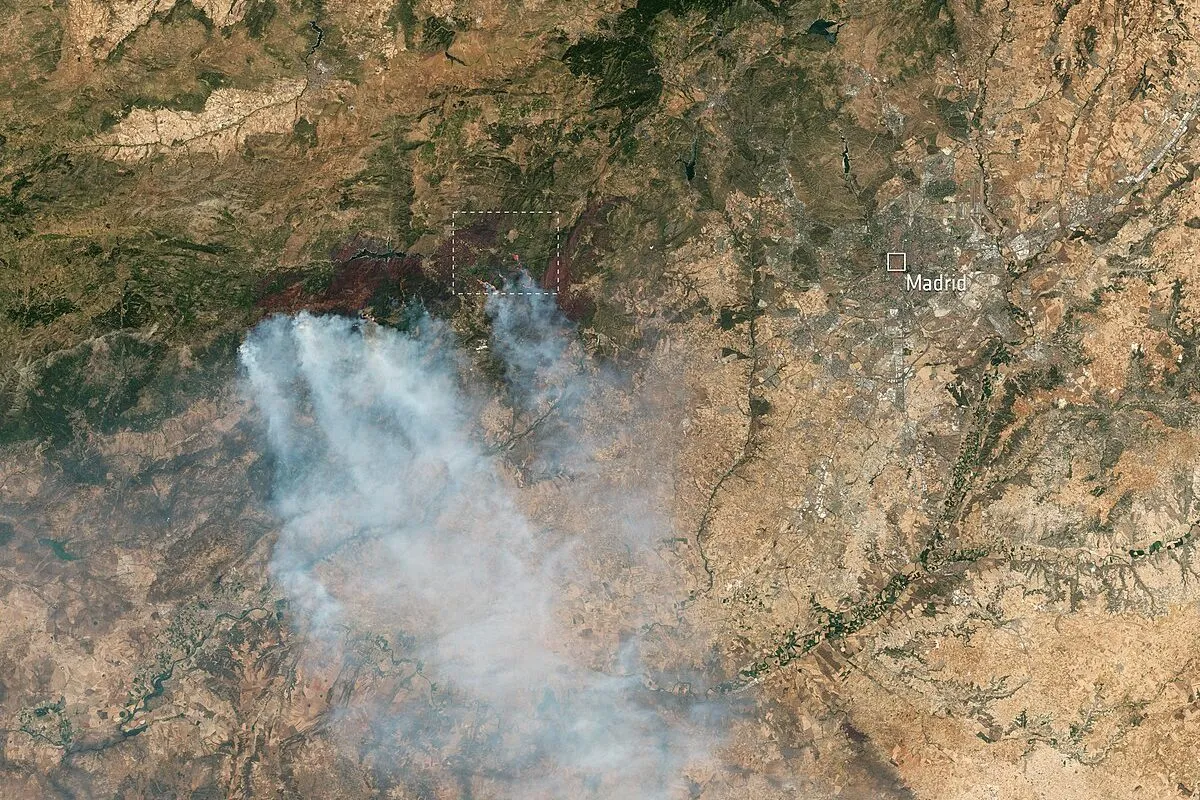
European Union satellite monitoring, conducted via the Copernicus Emergency Management Service, has mapped the progression of the burns. Preliminary data suggests that the area scorched by fire in 2024 is already tracking significantly higher than the ten-year average.
The "Iberian Factor" remains the greatest concern for experts. Spain and Portugal, having already weathered several weeks of sustained heat, are at a critical junction. Zuber’s warning—that if the fires maintain their current intensity in the Iberian Peninsula while simultaneously spreading to the rest of the continent—suggests a scenario where the EU’s shared resources, such as aerial firefighting fleets, will be unable to meet the demand.
Official Responses: Strategies for Containment
Governments across Europe have mobilized, but the scale of the fires has necessitated a unified response under the EU Civil Protection Mechanism.
The Role of the ERCC
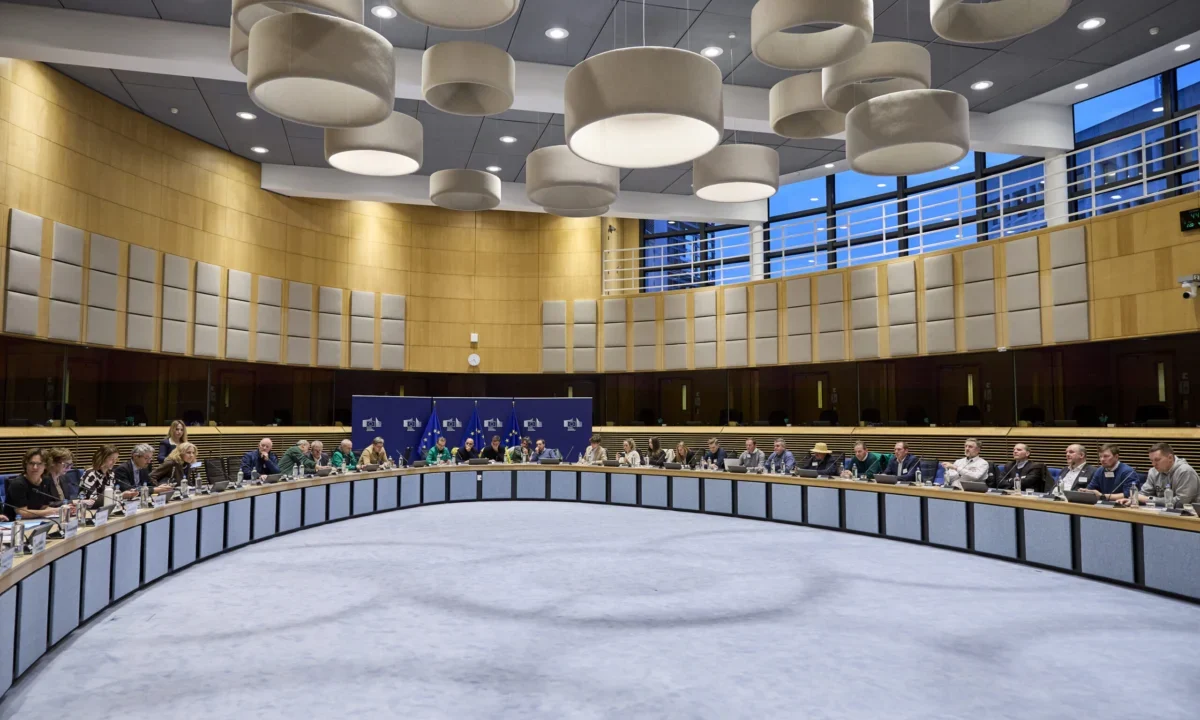
The European Union’s Emergency Response Coordination Center acts as the nerve center for disaster management. By coordinating the deployment of Canadair water-bombing aircraft and specialized ground crews, the EU attempts to bridge the gap between national capacity and regional need.
"We are monitoring the situation in real-time," stated a representative from the ERCC. "The challenge is that these fires are not localized; they are systemic. When you have multiple countries requiring the same specialized equipment at the same time, the logistical strain is immense."
National Efforts
In France and Spain, local governments have shifted to a policy of "aggressive containment." This involves the use of firebreaks—clearing swathes of land to starve the fire of fuel—and the evacuation of residential areas well before fire fronts reach human settlements. In Greece, the government has declared a state of emergency in several districts, allowing for the rapid requisitioning of private transport for the evacuation of tourists and citizens.
Implications: The Future of European Tourism and Infrastructure
The impact of these wildfires extends far beyond the environmental destruction of forests and ecosystems. The socio-economic implications are profound, particularly for the tourism-dependent economies of the Mediterranean.
The "Evacuation" Effect
Hundreds of thousands of individuals have been displaced. In popular tourist destinations, the sight of vacationers fleeing beaches and hotels has created an image of chaos that could have long-term consequences for the travel industry. When tourists are forced to abandon their holidays, it triggers a chain reaction: refunds, lost revenue for local businesses, and a potential decline in future bookings.
Long-term Infrastructure Risks
The infrastructure damage—power lines destroyed, water supply systems compromised by ash and heat, and communication towers failing—will take months, if not years, to fully repair. Furthermore, the agricultural sector in these regions is bracing for a total loss of the harvest, as heat-scorched soil and fire-damaged crops threaten the livelihoods of thousands of farmers.
The Climate Change Paradigm
Ultimately, these fires serve as a visceral manifestation of the climate crisis. As European summers become hotter and drier, the current model of emergency response—relying on reactive measures like water-bombing and evacuation—will become insufficient.
Experts are now calling for a fundamental redesign of European land management. This includes:
- Reforestation with fire-resistant species: Moving away from monoculture plantations that act as accelerants.
- Increased investment in early-warning satellite technology: Improving the speed at which fires are detected in remote areas.
- Cross-border Fire Management: Creating a permanent, EU-wide firefighting force that is not reliant on the ad-hoc contribution of national assets.
Conclusion
As the heatwave continues to grip the continent, the narrative of "a summer of fire" has become a stark reality for millions of Europeans. The resilience of the continent is being tested in a way that few could have predicted even a decade ago. While the heroism of firefighters and the efficiency of the ERCC provide a measure of hope, the underlying data points toward a future where "fire season" may become a permanent fixture of the European calendar.
The continent now stands at a crossroads. The events of this week are not just a challenge to be managed; they are a signal that the climate crisis has arrived at the doorstep of the European mainstream. Whether through legislative reform, infrastructure investment, or a fundamental change in land use, Europe must adapt to the flames, or risk seeing its landscapes and its way of life transformed by the heat.
As we look toward the remainder of the summer, the eyes of the world remain fixed on the Mediterranean. The fires may be the immediate concern, but the lessons learned in the coming days will likely dictate the environmental policy of the European Union for decades to come.
