




By Ryan Kushner
Published July 30, 2026
The 2026 FIFA World Cup brought more than just international soccer prestige to American shores; it ignited a localized economic gold rush. Across the nation, homeowners and investors capitalized on the influx of global visitors, resulting in an average 60% surge in short-term rental (STR) income in host cities. However, as new data reveals, this windfall was far from universal. The disparity in earnings highlights a growing friction between the global gig economy and the increasingly restrictive regulatory environments of major U.S. metropolitan areas.
The Economic Landscape of the 2026 Tournament
When the first whistle blew for the 2026 World Cup, the demand for accommodation in host cities—ranging from New York and Los Angeles to Houston and Miami—skyrocketed. To meet this massive demand, platforms like Airbnb and Vrbo launched aggressive recruitment campaigns. Airbnb, in a bid to expand its inventory, offered a $750 incentive to new hosts who listed their properties ahead of the tournament, effectively encouraging a temporary expansion of the housing supply to accommodate the transient fan base.
While the aggregate income data suggests a banner year for the STR industry, the reality on the ground was dictated less by market demand and more by the strength of local legislation. In cities with permissive STR frameworks, hosts saw their bank accounts swell. In cities with stringent enforcement, the "World Cup premium" was stifled by registration mandates, occupancy caps, and outright bans on short-term leasing.
Chronology of a Regulatory Shift
The tension between housing affordability and the short-term rental market has been brewing for years, but the 2026 World Cup served as a high-stakes stress test for these policies.
- Pre-2025: Many cities began to view the proliferation of STRs as a primary driver of the housing affordability crisis, with research indicating that a 1% increase in Airbnb listings correlates to a 0.018% increase in local rents and a 0.026% rise in house prices.
- Early 2025: Houston began laying the groundwork for a more robust oversight system. By April 2025, the city passed an ordinance designed to track rental activity more closely, primarily to ensure that STR operators were paying their fair share of local occupancy taxes.
- January 2026: A pivotal California state law went into effect, providing local governments with the legal authority to compel platforms like Airbnb and Vrbo to share granular host data. This empowered municipalities to identify non-compliant operators with surgical precision.
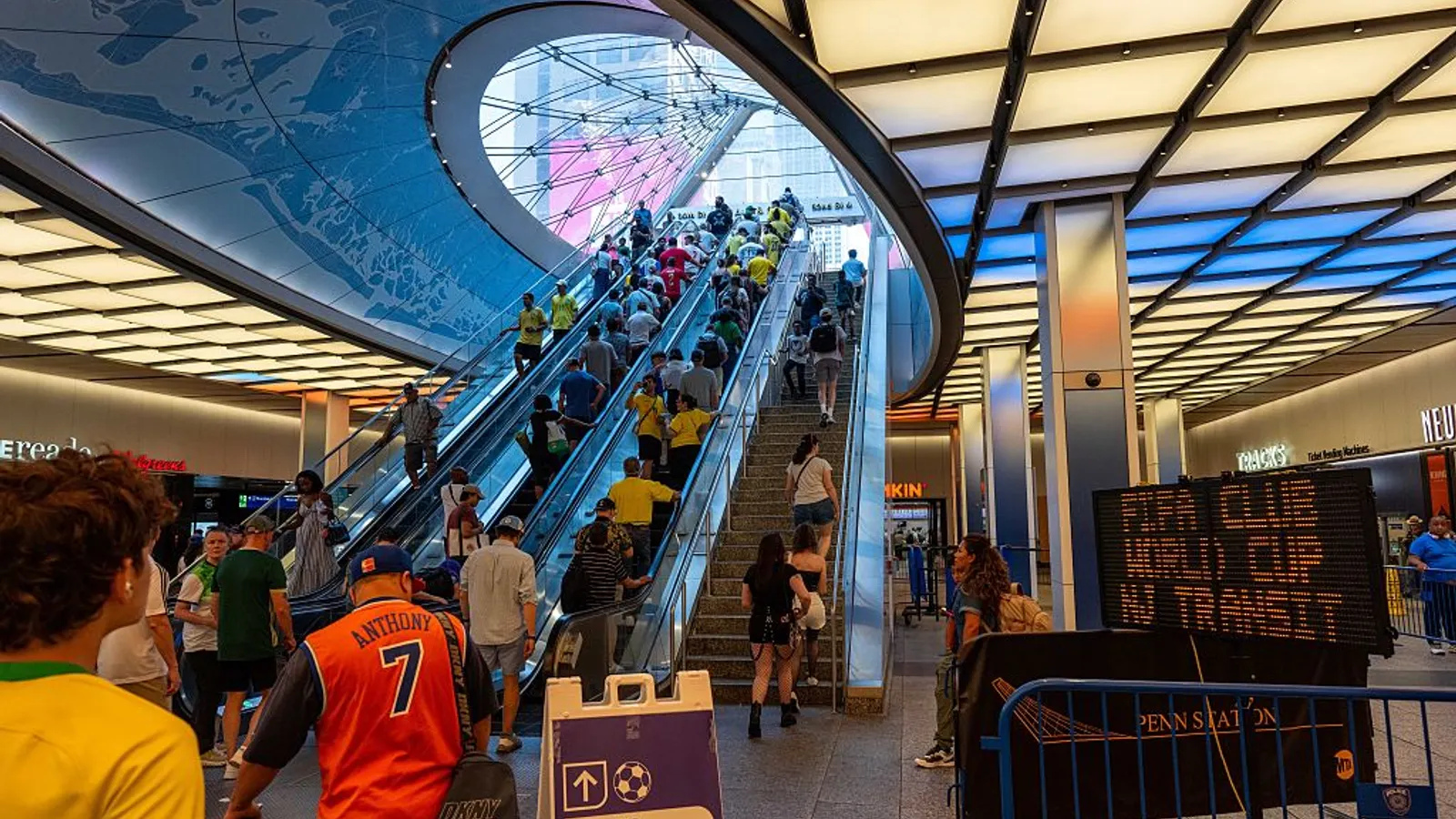
- June 2026: The World Cup commenced. While visitors crowded into major hubs, they encountered a patchwork of accessibility. In New York City, for instance, the strict 30-day minimum stay rule remained firmly in place, effectively barring the "Airbnb experience" for most tournament attendees.
Supporting Data: The Cost of Compliance
The data indicates that the "income surge" was heavily mediated by local law. In jurisdictions where STRs operate under a "wild west" model, the average revenue per available room (RevPAR) skyrocketed as hosts charged premium rates for the tournament duration. Conversely, in cities like New York, which requires registration with the Mayor’s Office of Special Enforcement (OSE), the inventory of available units remained suppressed.
Economists studying the sector suggest that the 60% average surge is somewhat misleading. It represents a concentration of wealth in specific neighborhoods and cities that have yet to implement or enforce rigorous zoning laws. In areas with high compliance burdens, the "Airbnb effect" was mitigated, protecting the long-term rental stock but limiting the immediate windfall for individual homeowners.
Official Responses and Municipal Strategies
Municipalities are no longer viewing STRs as a mere nuisance; they are treating them as a critical housing policy issue.
Houston’s recent ordinances reflect a shift toward "data-driven regulation." By requiring more transparent reporting, the city aims to balance the desire for tourism revenue with the need to maintain a stable, affordable long-term housing market for residents. The goal is to capture the tax revenue that often evaporates in the digital ether of the sharing economy.
California’s approach is perhaps the most aggressive in the nation. By forcing platforms to open their books to local officials, the state has provided cities with the tools to police "shadow hotels"—properties that operate as full-time lodging businesses in residential neighborhoods. This represents a significant departure from the early years of the gig economy, when platforms operated with near-total anonymity.

New York City continues to set the standard for restrictive policies. The city’s insistence on a 30-day minimum stay for entire apartments is effectively a ban on traditional short-term tourism rentals. City officials argue that this is a necessary intervention to stop the depletion of residential apartments that would otherwise be available for permanent tenants, a stance bolstered by the ongoing housing affordability crisis.
Implications: The Future of the Gig Economy
The fallout from the 2026 World Cup suggests a long-term recalibration of the short-term rental market. Several key implications emerge:
1. The Death of the "Passive Income" Dream
The era of homeowners treating their properties as a lucrative side-hustle with little to no oversight is ending. As cities implement registration laws and tax enforcement, the barriers to entry are rising. Prospective hosts must now navigate complex licensing requirements, which often include safety inspections and proof of primary residency.
2. Market Consolidation
With the rise of state-level data sharing, smaller, "hobbyist" hosts are finding it harder to compete. The market is shifting toward professional operators who can afford the legal and administrative costs of compliance. This may lead to a more professionalized, yet more expensive, short-term rental market.
3. The Housing-Tourism Paradox
The central challenge for city planners remains the "Housing-Tourism Paradox." Tourism drives essential local revenue and provides a boost to the service sector during major events like the World Cup. However, the conversion of long-term housing into short-term inventory creates a supply-side shock that inflates costs for local residents. The 2026 tournament has shown that cities are increasingly willing to prioritize the latter, opting to restrict STRs even at the cost of potential tournament-related tourism income.

4. A National Regulatory Patchwork
As the federal government has largely left STR regulation to the states and cities, the U.S. is becoming a patchwork of regulatory environments. A tourist in one city might find a surplus of affordable rental options, while a tourist in a neighboring city might find the same platforms effectively unusable. This fragmentation is likely to continue as cities experiment with different ways to balance their budget needs against the political pressure of the housing crisis.
Conclusion: A Turning Point
The 2026 World Cup was a massive success for soccer, but for the short-term rental industry, it served as a wake-up call. The 60% income surge, while impressive, masks a deeper, more structural transition. Cities have recognized that they hold the levers of power over the digital platforms that once seemed untouchable.
As we look toward the future, the integration of short-term rentals into the urban fabric will likely involve a much tighter tether between the platform, the host, and the city hall. The "gig economy" model, which promised frictionless growth, is being forced to reconcile with the rigid realities of urban infrastructure and housing policy. The winners of the next big event won’t just be the ones with the best location; they will be the ones who have mastered the art of regulatory compliance.
