





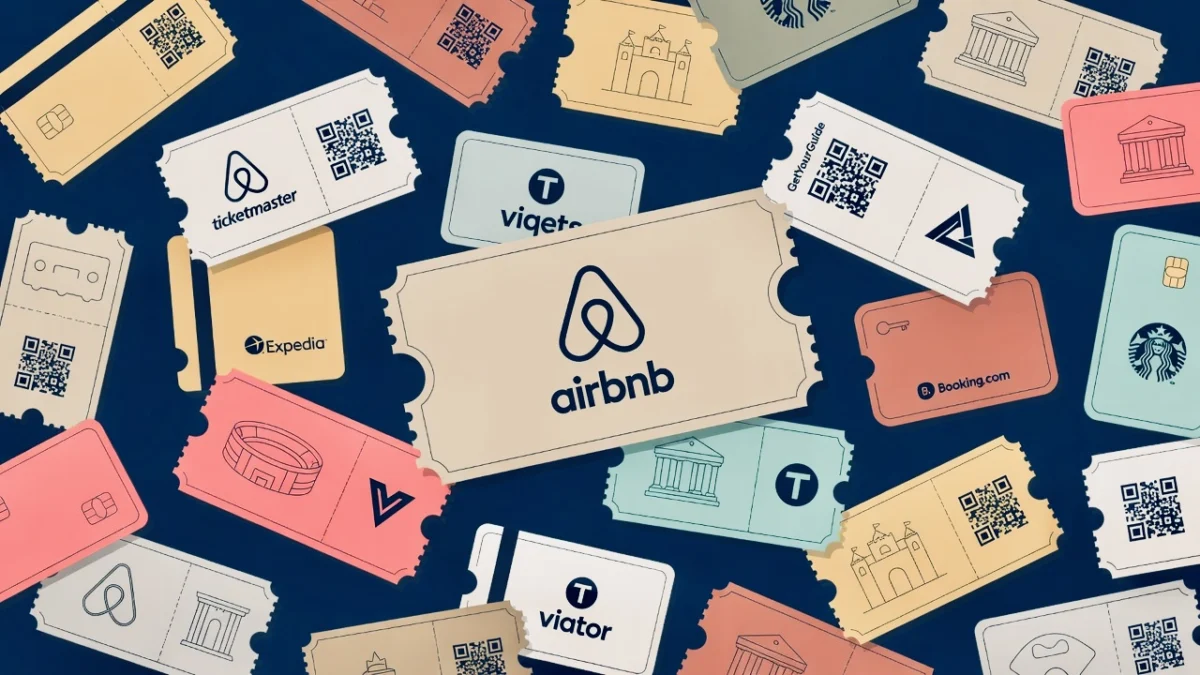
In a significant shift that signals a move toward becoming a comprehensive travel super-app, Airbnb has begun the quiet but aggressive development of a standalone ticketing business and a proprietary digital wallet. Recent job postings on the company’s careers portal reveal that the short-term rental giant is recruiting senior leadership to spearhead these initiatives, marking a departure from its previous strategy of outsourcing experiences and third-party partnerships.
This transition is not merely an operational update; it represents a fundamental change in how Airbnb intends to capture a larger share of the traveler’s wallet. By moving away from its reliance on external partners—a history punctuated by its long-standing stake in the ticketing platform Tiqets—Airbnb is positioning itself to own the entire guest journey, from the initial booking of a stay to the final purchase of a concert ticket or museum pass.
The Genesis: A Chronology of Ambition and Transition
To understand the magnitude of Airbnb’s current hiring spree, one must look at the company’s long-standing, albeit cautious, relationship with the attractions sector.
The Tiqets Era (2016–2023)
For nearly seven years, Airbnb maintained a front-row seat to the growth of the global attractions industry through its investment in Tiqets, an Amsterdam-based platform that allows users to book instant-access tickets for museums and attractions. During this period, Airbnb operated primarily as a passive observer and occasional partner, testing the waters of the "Experiences" market.
The Turning Point
The relationship concluded in a manner that caught industry analysts off guard when Expedia Group acquired Tiqets. For Airbnb, this served as a catalyst. Having watched the mechanics of the ticketing market from the inside, the company seemingly concluded that the potential for ancillary revenue was too significant to leave in the hands of third-party aggregators or direct competitors.
The Current Hiring Phase (July 2024)
As of July 2024, the company has officially shifted from the observation phase to active execution. The posting of senior-level roles—specifically for a "product marketing and management leader" for the Tickets team and a "senior strategy and operations lead"—confirms that the company is no longer treating attractions as a secondary feature of its hosting platform, but as a core business vertical.
Supporting Data: Why Ticketing and Wallets?
The logic behind Airbnb’s new focus is rooted in the "Gross Booking Value" (GBV) imperative. In the current travel tech landscape, customer acquisition costs are rising, and retention is the primary metric of success for public companies.
The Ticketing Opportunity
The global attractions and tours market is a fragmented, multi-billion dollar sector. By integrating tickets directly into the Airbnb app, the company aims to:
- Increase "Share of Wallet": A guest booking a luxury apartment in Rome is a prime candidate for a Vatican tour or a local culinary experience. By keeping the transaction within the Airbnb ecosystem, the company captures a commission that would otherwise go to platforms like GetYourGuide or Viator.
- Operational Control: The job listings explicitly call for experience with "primary and secondary ticketers" and "channel managers." This suggests Airbnb wants to integrate directly with venue reservation systems, reducing friction for the end user and improving inventory reliability.
- Data Dominance: Every ticket sold provides granular data on guest preferences—what they see, when they see it, and how much they are willing to spend—allowing for more accurate AI-driven recommendations.
The Wallet Initiative
Equally critical is the development of the "Airbnb Wallet." While the company has not formally launched this product, the job description for a "Product Manager for Wallet" describes it as a "financial hub for guests."
- Frictionless Spending: A wallet reduces payment friction, allowing for one-click purchases of tours, experiences, and potentially future services like travel insurance or local transport.
- Loyalty and Retention: By holding funds or providing a space for travel credits and rewards, the wallet incentivizes users to stay within the Airbnb ecosystem for their next booking, rather than venturing to a competitor.
Official Responses and Corporate Silence
As is standard practice for the company during the early stages of product development, Airbnb has maintained a posture of strategic silence. There have been no formal press releases regarding the launch of a ticketing platform or a consumer-facing digital wallet.
When approached for comment, representatives for the company declined to provide specifics regarding the timelines or the business model for these initiatives, citing a policy against commenting on "speculative future projects." However, the public nature of the job listings—which remain active on the official Airbnb Careers site—serves as a de facto acknowledgment of the company’s direction.
Industry analysts interpret this silence not as an absence of intent, but as a deliberate attempt to build the infrastructure before facing the regulatory and competitive scrutiny that a formal launch would invite.
Strategic Implications: Airbnb as a Super-App
The implications of these hires are profound for the travel industry at large. Airbnb is effectively signaling its intent to transition from a "Home Sharing Platform" to a "Travel Lifestyle Platform."
1. Competitive Pressure on OTAs
Online Travel Agencies (OTAs) like Expedia and Booking.com have long relied on the cross-selling of flights, hotels, and attractions to boost their margins. By building its own ticketing infrastructure, Airbnb is declaring war on the traditional OTA model. If an Airbnb guest can book their entire itinerary—accommodation, experiences, and local transportation—within a single app, the value proposition of a traditional OTA diminishes significantly.
2. Disintermediation of the Supply Chain
The job listings’ emphasis on "reservation systems" and "channel managers" indicates that Airbnb intends to bypass the middle-men. By integrating directly with venue suppliers, Airbnb can offer lower prices or exclusive inventory, creating a moat that smaller competitors will find difficult to cross.
3. The Challenges Ahead
The transition will not be without hurdles:
- Operational Complexity: Managing inventory for thousands of disparate venues, each with its own booking software and technical limitations, is a monumental task compared to managing a flat listing.
- Regulatory Scrutiny: Entering the financial services space with a "guest wallet" brings with it a host of regulatory requirements regarding data privacy, anti-money laundering (AML) protocols, and cross-border payment compliance.
- Cultural Fit: Airbnb’s brand is built on the unique "host" experience. Moving toward the high-volume, standardized world of ticket sales risks diluting the personal touch that has defined the company since its inception.
Conclusion: The Path Forward
The move to build an internal ticketing engine and a financial wallet represents the most significant strategic pivot for Airbnb since its pivot to include "Airbnb Experiences" in 2016. By internalizing the ticketing process, the company is betting that it can leverage its massive user base to dominate the fragmented experiences market.
As the company continues to hire for these roles, the industry will be watching closely. Whether this leads to a seamless, all-in-one travel app or a bloated ecosystem that struggles with technical debt remains to be seen. However, one thing is certain: Airbnb is no longer content with being the place where you sleep. They want to be the place where you plan your entire life abroad.
For stakeholders and competitors, the message is clear: the era of Airbnb as a simple rental marketplace is coming to a close. The age of the Airbnb Travel Ecosystem has begun.
