





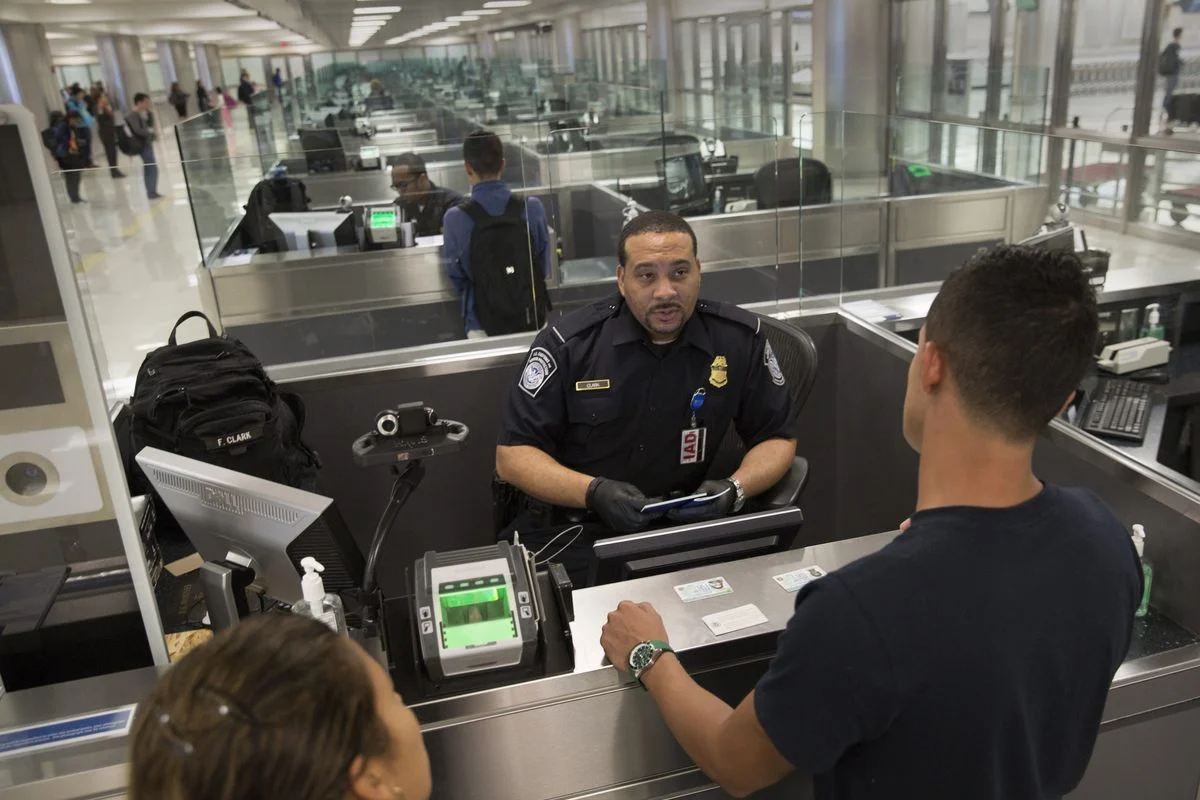
In a move that marks a significant tightening of U.S. immigration policy, the federal government has officially transitioned its experimental visa bond pilot program into a permanent fixture of the national security apparatus. Effective August 3, travelers from specific nations deemed to be at a higher risk for visa misuse or overstays will be required to post a refundable bond of up to $20,000 to secure B1/B2 temporary visas.
This policy shift represents a departure from traditional visa processing, introducing a financial barrier intended to ensure compliance with the terms of entry. By finalizing a year-long pilot program, the Department of State and the Department of Homeland Security are signaling a new era of "enforcement-first" diplomacy.
Main Facts: Understanding the Permanent Bond Requirement
The finalized rule, set to appear in the Federal Register, mandates that consular officers now have the authority to require a financial surety for applicants from countries with historically high overstay rates.
The Financial Mechanism
The bond, which can reach as high as $20,000, is not a fee or a tax; it is a financial instrument designed to guarantee that the traveler will abide by the conditions of their B1/B2 visa—specifically, that they will depart the United States within the authorized timeframe. If the traveler complies with these terms, the bond is fully refundable. If the traveler overstays their visa, the bond is forfeited to the U.S. Treasury.
Targeted Visa Categories
The program specifically addresses B1/B2 visas, which are the most common temporary entry documents for foreign nationals. B1 visas cover business-related travel, such as consulting with associates or attending scientific, educational, or professional conventions. B2 visas are intended for tourism, vacation, or medical treatment.
Compliance Standards
For the bond to be returned, the traveler must adhere to strict entry and exit protocols. The current framework mandates that travel must be conducted via commercial air carriers. Arrivals and departures via land or sea ports of entry currently do not trigger the verification mechanisms necessary for the automatic refund process, adding a layer of complexity to the travel logistics of those affected.
Chronology: From Pilot Program to Permanent Policy
The journey toward this permanent mandate has been marked by iterative testing and internal policy debates within the executive branch.
- Initial Proposal (Late 2020): The U.S. government first signaled the intent to implement visa bonds as a deterrent against visa overstays, citing data that suggested certain nations had overstay rates exceeding 10%.
- Pilot Launch (2023): A year-long pilot program was initiated, focusing on select countries with the highest non-immigrant overstay rates. During this phase, consular officers were granted the discretion to request bonds as a condition of visa approval.
- Data Collection (2023–2024): Throughout the pilot, the Department of State gathered data on the correlation between financial sureties and compliance. Preliminary findings suggested that the threat of losing a significant sum acted as a psychological and financial deterrent for potential overstayers.
- Final Rule Publication (August 3, 2024): The federal government codified the program. By formalizing the rule, the administration has institutionalized the bond process, moving it from a discretionary experiment to a standard regulatory requirement.
Supporting Data: The Rationale Behind the Policy
The impetus for the visa bond program lies in the statistical reality of U.S. border enforcement. According to Department of Homeland Security (DHS) reports, while millions of visitors enter the U.S. legally every year, a significant minority fail to exit by their required date.
The "Overstay" Problem
Visa overstays have long been a focal point for immigration hawks. Unlike illegal border crossings, which are highly visible and monitored by Border Patrol, overstays are difficult to track until after the individual has already disappeared into the interior of the country. Data indicates that in certain regions, overstay rates have remained stubbornly high, prompting the federal government to seek "softer" enforcement tools that do not require physical detention.
Economic Deterrence Theory
The $20,000 figure is not arbitrary. It is calculated to be high enough to represent a genuine financial burden for the average citizen of the targeted countries, thereby ensuring the traveler has "skin in the game." Proponents of the policy argue that this provides a mechanism to hold individuals accountable without the need for costly deportation proceedings, which can drain municipal and federal budgets.
Official Responses: A Divided Regulatory Landscape
The implementation of the bond program has drawn sharp criticism and cautious support from various stakeholders in the international travel and legal sectors.
Department of State Perspective
The Department of State maintains that the program is a necessary tool for maintaining the integrity of the U.S. immigration system. A spokesperson noted that the program is intended to "ensure that foreign nationals respect the terms of their visas," emphasizing that the bond is merely a guarantee of departure, not a penalty for law-abiding tourists.
Immigration Advocates and Legal Critics
Civil rights organizations and immigration attorneys have expressed significant concern. Critics argue that the bond system creates a "wealth test" for travel to the United States. "By requiring $20,000, the U.S. is essentially closing its doors to middle-class and working-class travelers from these nations, while allowing the wealthy to bypass the policy," stated one immigration policy analyst.
Furthermore, legal experts have raised questions regarding the administrative burden of the refund process. There are fears that the system could lead to significant bureaucratic delays, where travelers find themselves unable to recover their funds despite having complied with all visa requirements.
Implications: The Future of Global Mobility
The institutionalization of the visa bond program carries broad implications for both the global travel industry and U.S. foreign relations.
Impact on the Travel and Tourism Industry
The tourism sector, which contributes billions to the U.S. economy, may see a chilling effect. Travel agents and international tour operators are currently scrambling to understand how this will affect group travel and business conferences. If major business hubs or tourist hotspots see a drop in visitors from the targeted nations, the economic consequences could be substantial.
Geopolitical Repercussions
The selection of countries for the bond program is inherently sensitive. Critics point out that being labeled as a "high overstay risk" could strain diplomatic relations with affected nations. If a country is placed on the bond list, it may view the move as a slight against its citizens’ character, potentially leading to reciprocal measures or a decline in bilateral cooperation on other security issues.
The Challenge of Enforcement
The technical requirement of arriving and departing by commercial air adds a layer of logistical difficulty. For many travelers in developing nations, air travel is not always the most accessible or affordable mode of transit. By limiting the scope of the bond’s compliance verification to air travel, the government is essentially creating a two-tiered system for entry, further complicating the visa application process.
A New Precedent
Perhaps the most lasting implication is the precedent this sets for future immigration policy. The U.S. has moved away from a system based purely on background checks and interview-based risk assessment to one that incorporates fiscal surety. Whether this will lead to a broader rollout of the program to include more countries remains an open question. If the program proves "successful" in reducing overstays, it is highly likely that subsequent administrations will expand the mandate, making financial bonds a standard component of global travel to the United States.
Conclusion: Balancing Security and Openness
The United States finds itself at a difficult juncture, attempting to balance the security of its borders with the desire to remain a global hub for tourism and business. The visa bond program is a bold, if controversial, attempt to solve the chronic issue of visa overstays through economic leverage.
As the program goes into effect on August 3, the global community will be watching closely to see if the system functions as intended or if it creates a bureaucratic and financial bottleneck that stifles international exchange. For now, the message from the U.S. government is clear: entry into the United States is a privilege, and for those from specific high-risk regions, that privilege now comes with a significant financial price tag.
Whether this permanent rule will successfully curb overstays without causing long-term damage to America’s international reputation remains the defining question of this new policy era. As stakeholders digest the details, the primary focus will undoubtedly shift to the operational efficiency of the refund mechanism—the true test of whether this program is a legitimate security tool or an exclusionary barrier.
