





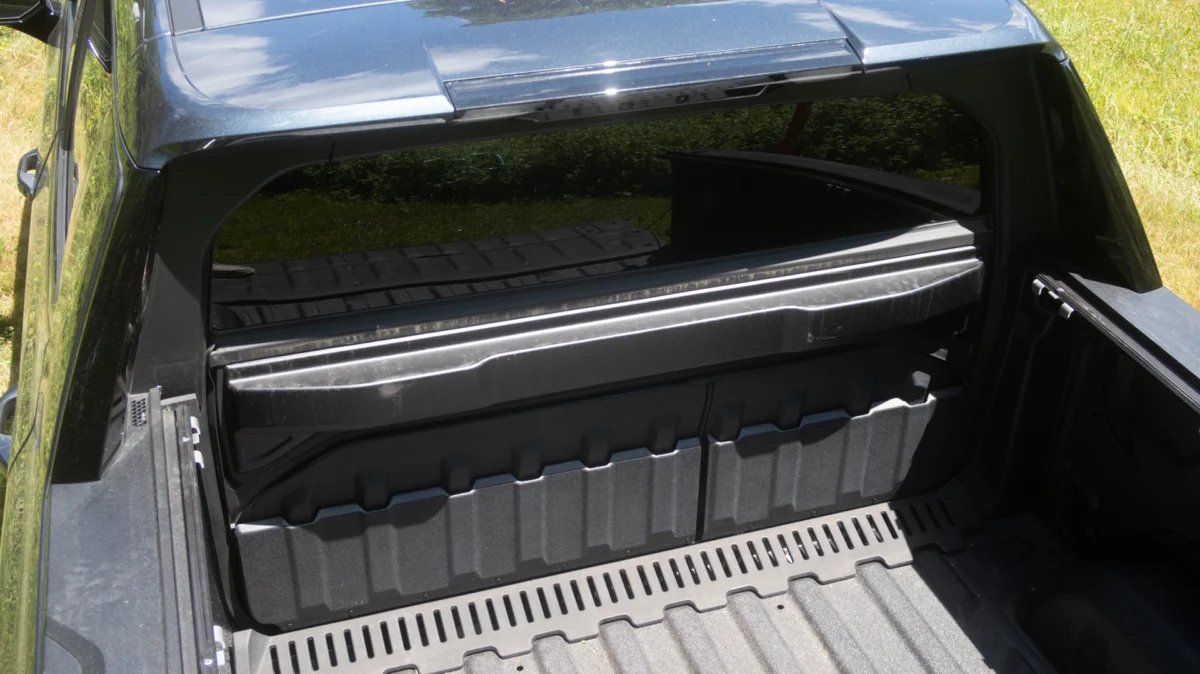
In the landscape of modern automotive engineering, true innovation is often overshadowed by the race for longer battery ranges and faster charging times. However, during a comprehensive seven-day, multi-hundred-mile test of the 2026 GMC Sierra EV Denali Max Range, one feature stood out not for its digital complexity, but for its sheer mechanical utility: the MidGate Pro.
This revolutionary feature—a fully removable back wall of the cab that seamlessly integrates the truck bed with the cabin—represents a return to a concept that was once a niche curiosity and is now a cornerstone of electric truck versatility. Shared across the GMC Sierra EV and its platform sibling, the Chevrolet Silverado EV, the MidGate Pro is more than just a party trick; it is a fundamental rethinking of what a pickup truck can be in the era of electrification.
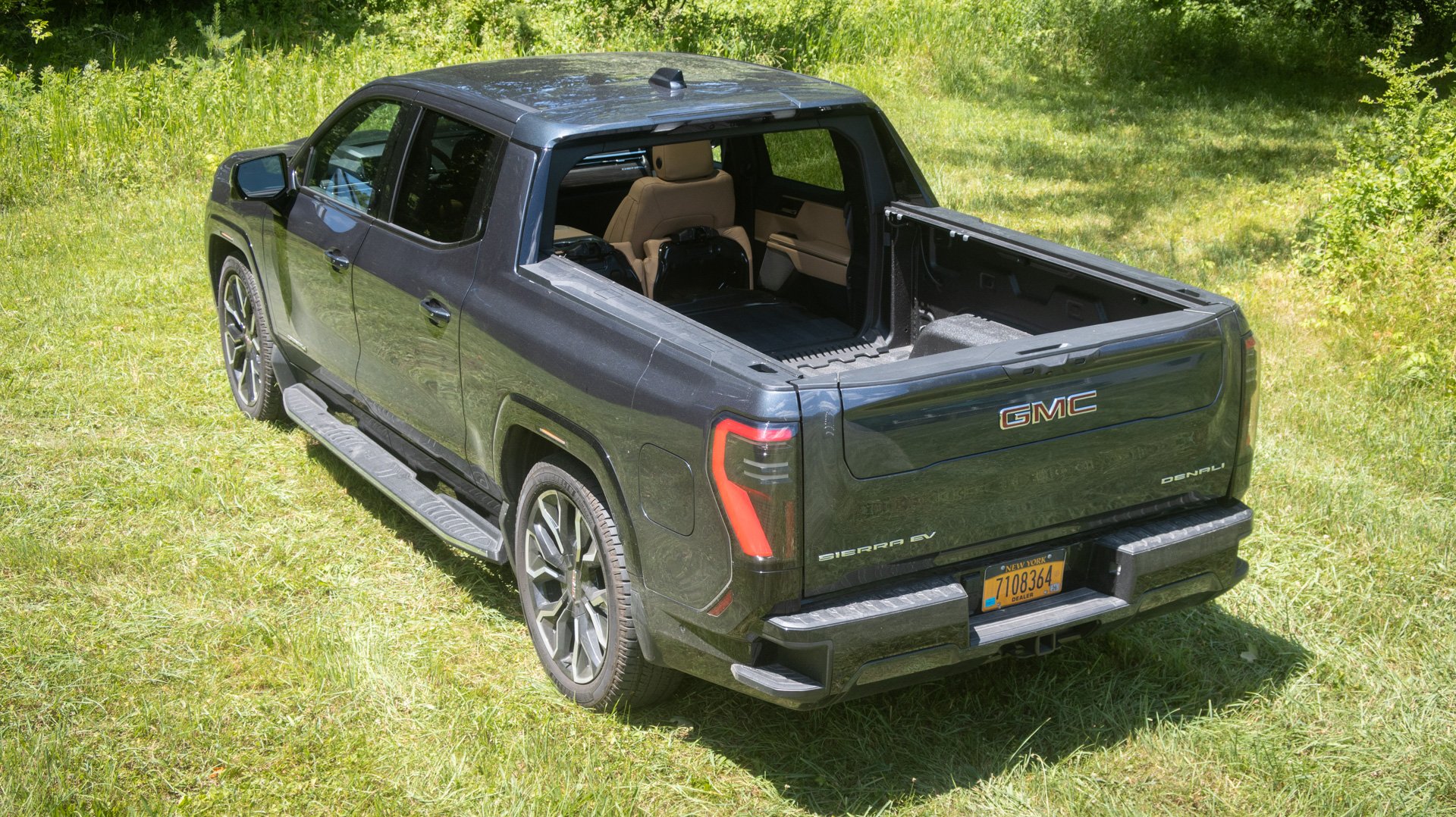
Main Facts: The Anatomy of the MidGate Pro
At its core, the MidGate Pro is a modular system that allows the rear glass and the structural wall behind the second-row seats to be removed or folded. This creates a contiguous, open-air space that stretches from the front seats to the tailgate.
Unlike traditional body-on-frame trucks, where the cab and bed are physically separated by a gap, the electric architecture of the Sierra EV utilizes a unibody-like integration that makes the MidGate possible. Because there is no internal combustion engine to produce exhaust gases, the safety concerns regarding carbon monoxide or fumes entering the cabin—which historically plagued some early attempts at this technology—are rendered obsolete.

Key Capabilities:
- Expansion of Cargo Length: By folding or removing the MidGate, the bed length increases from a standard configuration to an impressive extended floor, capable of accommodating lumber, kayaks, or oversized sporting equipment that would otherwise require a trailer.
- Open-Air Cockpit: Beyond utility, the system allows for an "open-air" driving experience, providing a breeze-filled cabin that blurs the line between a traditional truck and a convertible.
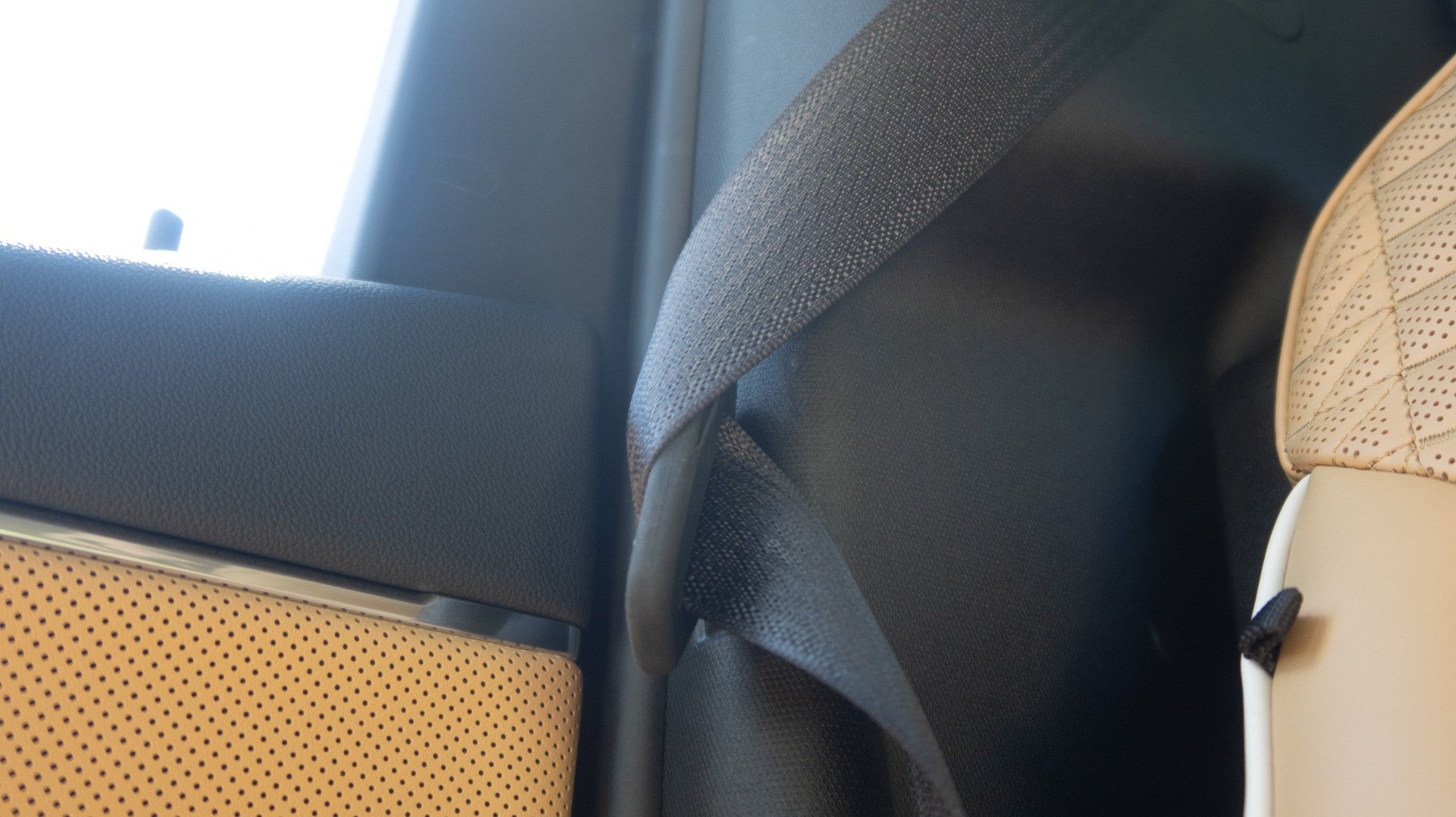
- Integrated Storage: The system features clever storage solutions, including specialized hooks for seatbelts and intuitive latching mechanisms that allow a single user to configure the bed in minutes.
A Chronological Perspective: From Avalanche to EV Revolution
To understand the significance of the MidGate, one must look back at the early 2000s. General Motors introduced this concept on the Chevrolet Avalanche and the Cadillac Escalade EXT. At the time, it was a polarizing design choice; some saw it as the ultimate utility solution, while others felt it compromised the traditional "truck" aesthetic.
However, the technology was arguably ahead of its time. In the context of the 2000s, sealing the gap between a moving cab and a vibrating bed was a massive NVH (Noise, Vibration, and Harshness) challenge. Fast forward to 2026, and the industry has undergone a paradigm shift. The transition to electric vehicle (EV) platforms has provided engineers with a clean slate. With the batteries housed in the floor, the structural rigidity of the frame is significantly enhanced, allowing for a large, removable panel without sacrificing the vehicle’s integrity. The "resurrection" of this feature is not a nostalgic nod, but an evolutionary leap.
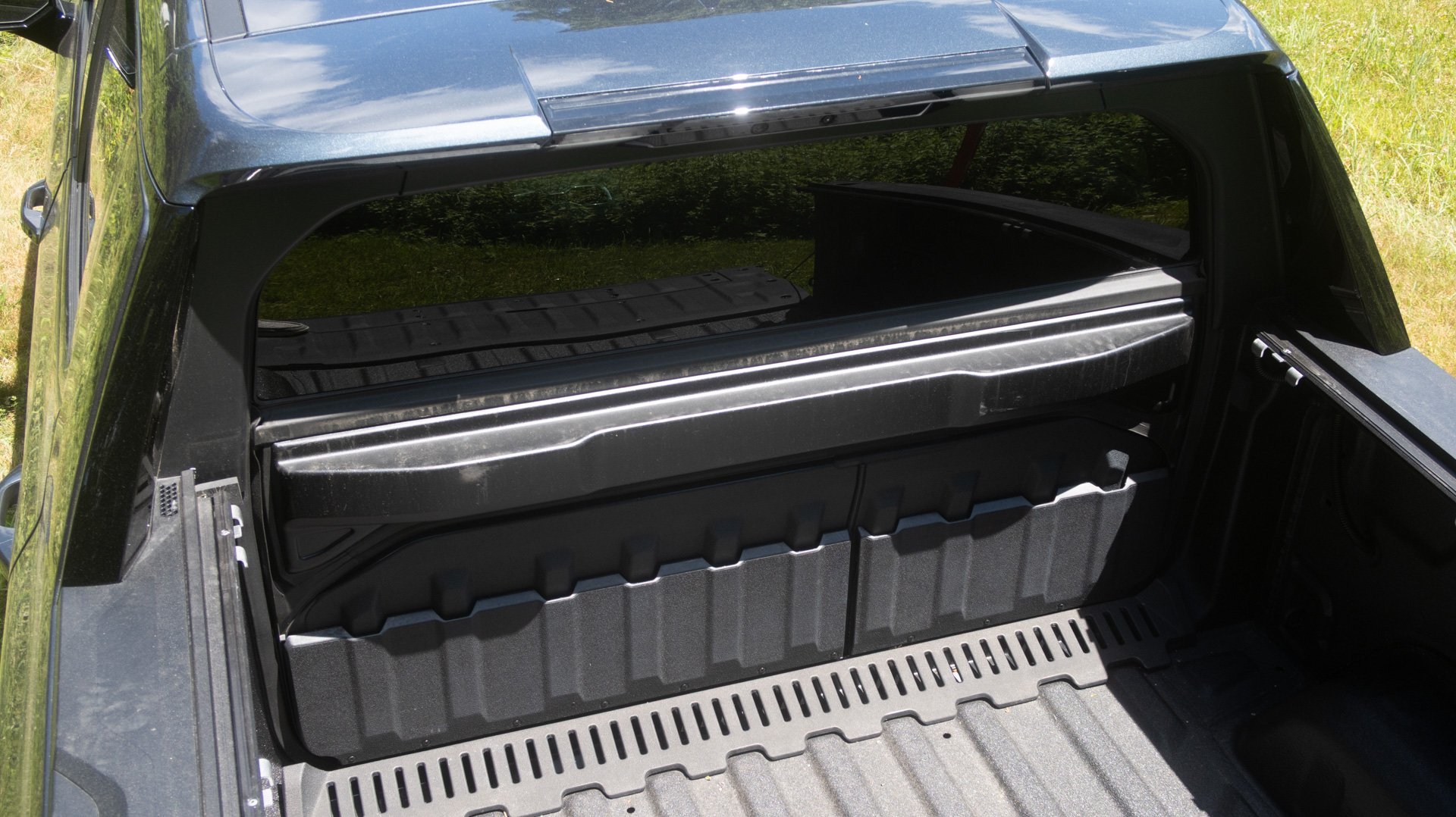
Supporting Data: Real-World Measurements vs. Spec Sheets
While manufacturer spec sheets often paint a rosy picture of utility, real-world application tells a more granular story. During our week-long evaluation, we moved beyond marketing claims to conduct a "tape-measure" analysis of what the MidGate Pro can actually handle.
| Configuration | Usable Floor Length | Utility Potential |
|---|---|---|
| Standard Bed (MidGate Closed) | 5′ 11" | Standard grocery and gear hauling |
| MidGate Open (Tailgate Closed) | 9′ 0" | Construction materials, large furniture |
| Full Open (Tailgate Down) | 10′ 10" | Long-form industrial materials, watercraft |
These measurements confirm that the Sierra EV is not merely a "luxury hauler" but a legitimate workhorse. The hard-shelled floor of the folded MidGate ensures that the transition between the cab and the bed is smooth and durable, capable of withstanding the wear and tear of heavy-duty usage.
Technical Execution and User Experience
The "how-to" of the system is surprisingly intuitive, a testament to the design team’s focus on user accessibility. The process follows a logical, three-step sequence:
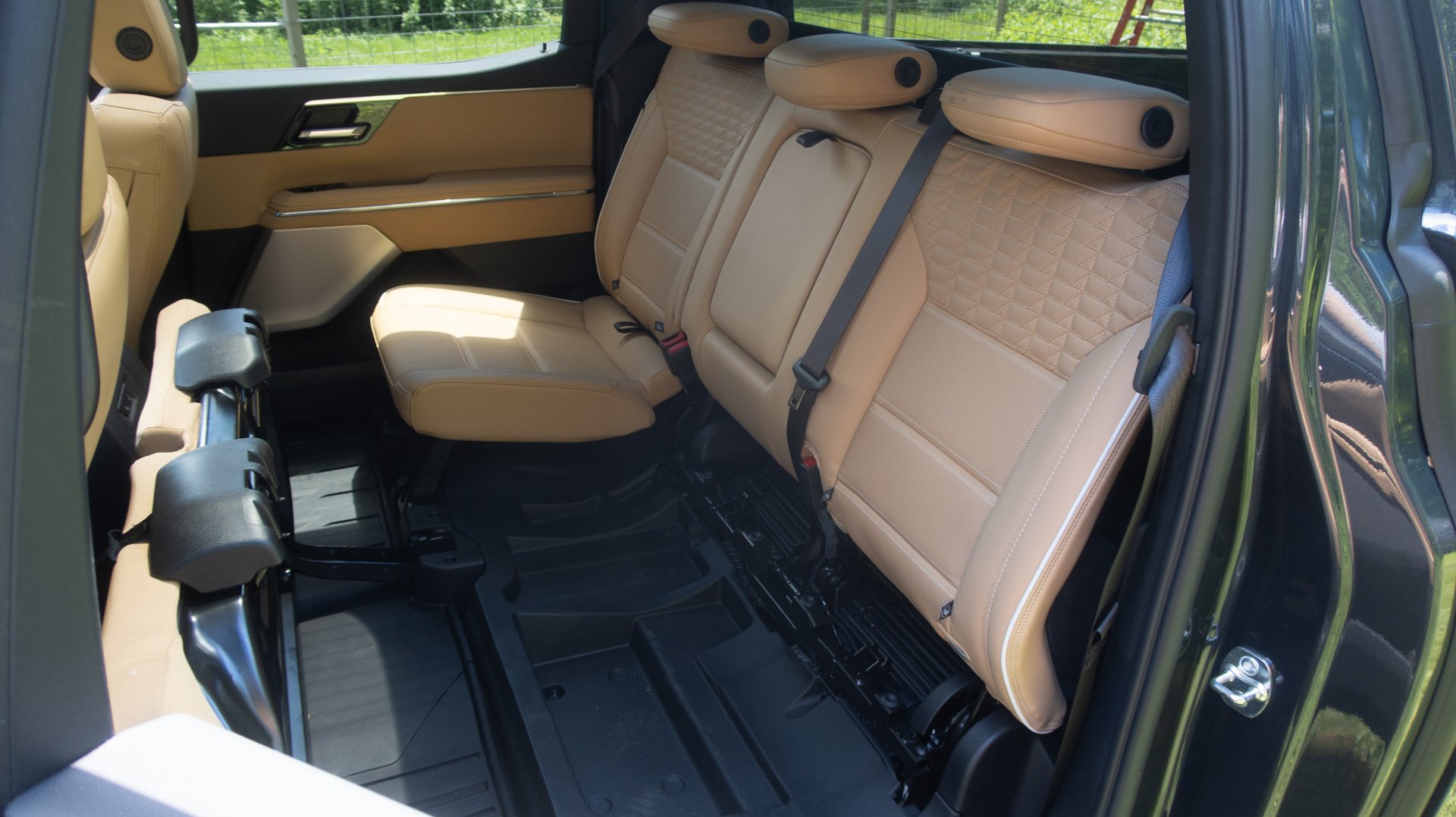
- Seat Configuration: First, the rear seat bottoms are snapped forward.
- Wall Deployment: The seatbacks fold down to create a flat, protected surface.
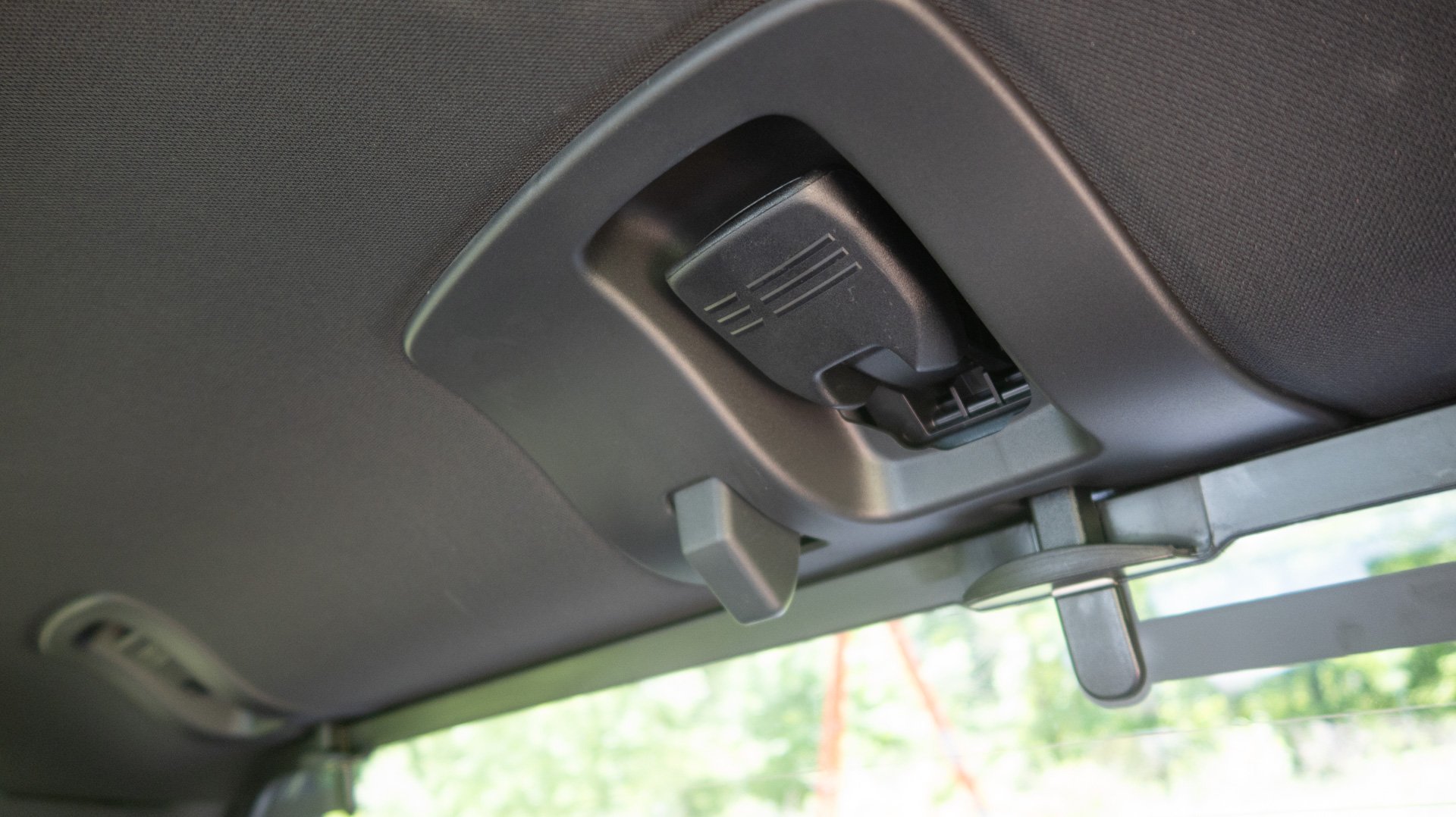
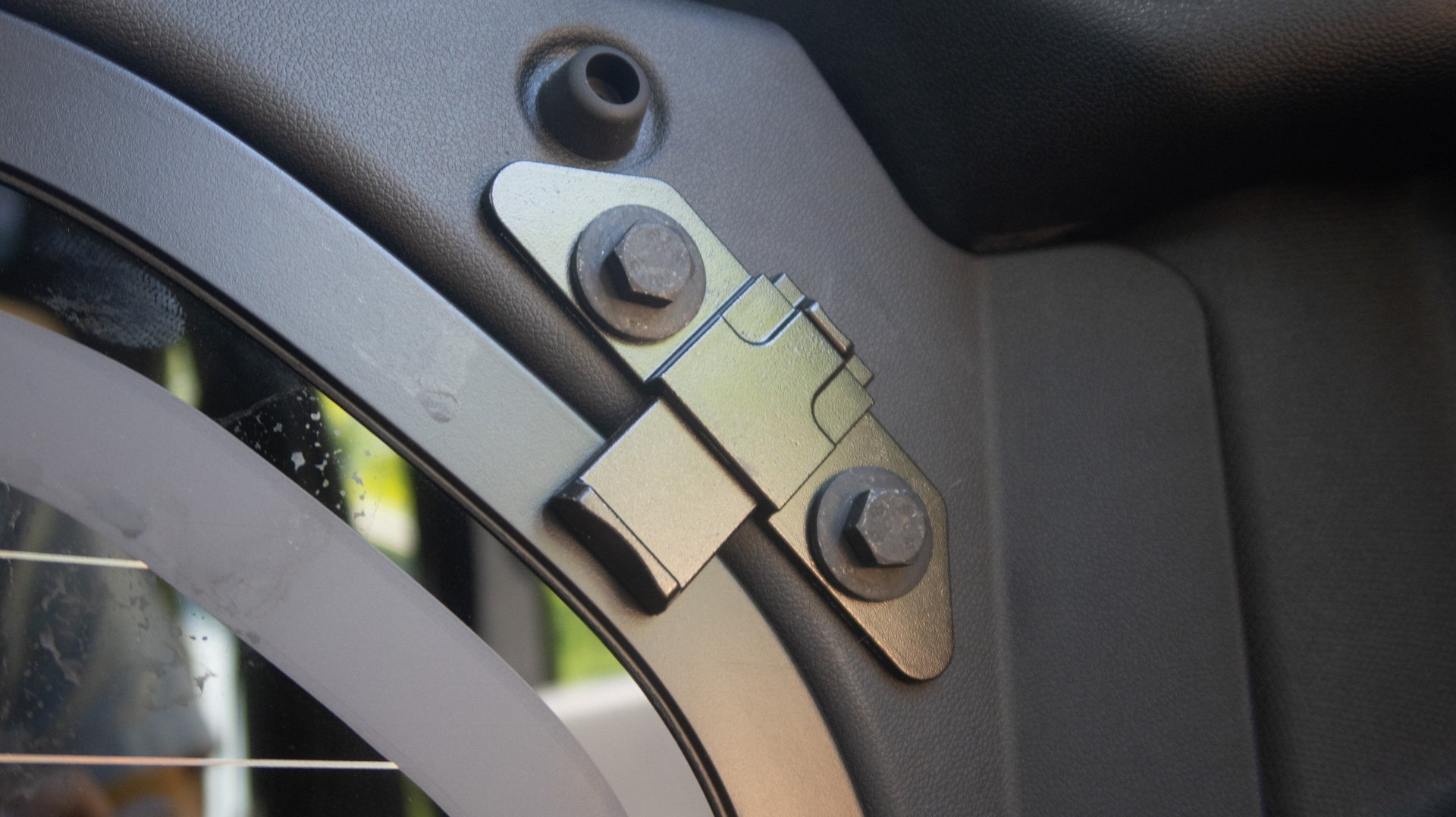
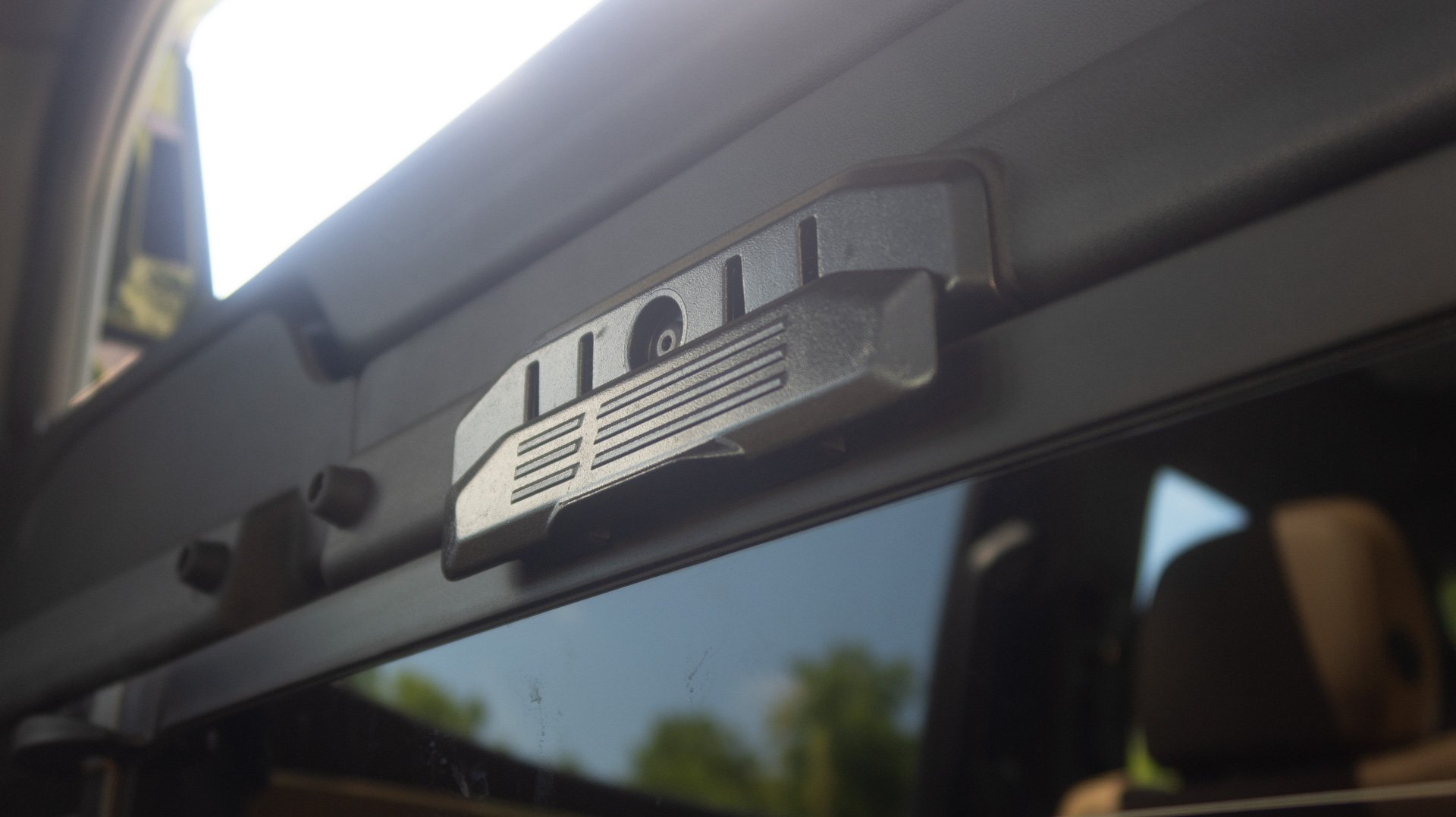
- Glass Removal: The rear glass, which tucks into a dedicated, padded indentation, is released via robust, tactile latches.
The inclusion of an "easy-access" latch system, which prevents the glass from falling and guides it into the secure storage area, makes this a task that doesn’t require a second pair of hands. Furthermore, the inclusion of dedicated hooks to manage seatbelts ensures that when the wall is down, the cabin remains clean and free of tangled straps.
Official Responses and Engineering Philosophy
General Motors has remained vocal about the importance of the MidGate in their electrification strategy. In recent press briefings, lead engineers noted that the "flexibility of the electric architecture was the primary driver for re-introducing the MidGate."
"We didn’t want to just build another electric pickup," a spokesperson for GMC noted. "We wanted to redefine the utility of the segment. The MidGate is the bridge between the daily commuter and the weekend adventurer. By eliminating the partition, we’ve effectively removed the boundary between the cabin’s comfort and the bed’s capability."
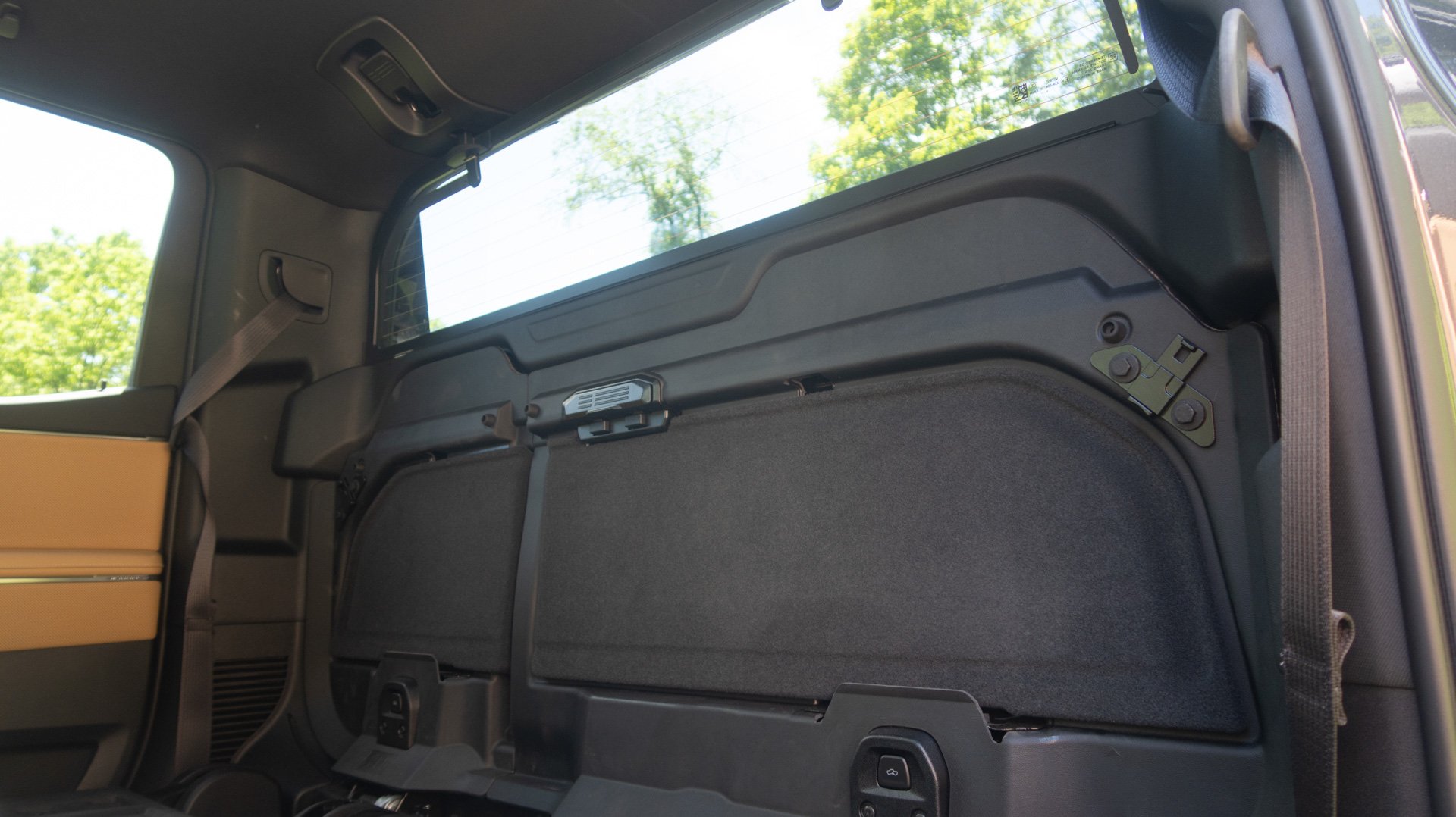
The feedback from initial owners has been overwhelmingly positive, particularly regarding the ease of cleaning the cabin floor after the MidGate has been left open in dusty or muddy conditions. The materials used for the rear-facing side of the folded seats are high-durability, scuff-resistant polymers, designed to withstand the rigors of heavy, abrasive cargo.
Implications for the Truck Industry
The re-emergence of the MidGate is set to have significant implications for the future of the light-duty truck market. Competitors are now under pressure to match this level of modularity. For the consumer, this means that the "standard" pickup truck format is no longer the default.
1. The Death of the "Small Load" Limitation
For years, truck owners have been forced to choose between a crew cab (which limits bed size) or a long bed (which limits interior space). The MidGate effectively renders this choice unnecessary. It offers the cabin space of a luxury SUV with the hauling capability of an extended-bed truck.
2. The Influence on Design
We expect to see future EV designs lean into "modular architectures." If a vehicle can be transformed from a five-passenger commuter into a long-bed utility hauler in under two minutes, the value proposition of owning a truck increases exponentially for urban and suburban dwellers who don’t have the space to store a trailer.
3. Sustainability and Versatility
By enabling owners to carry larger, more awkward items without needing a secondary vehicle or a heavy trailer, the MidGate promotes a more efficient use of resources. It allows the Sierra EV to function as a "Swiss Army Knife" of the automotive world, potentially replacing multiple vehicles in a household fleet.
Conclusion: A Masterclass in Utility
After seven days of living with the 2026 GMC Sierra EV, it is clear that the MidGate Pro is the vehicle’s "secret weapon." While the powertrain, the luxury interior, and the cutting-edge infotainment systems are all impressive, they are standard expectations for a premium EV. The MidGate, however, is a feature that fundamentally changes how you use the truck.
Whether it’s hauling an unexpected piece of lumber, allowing the family dog to move freely between the cab and the bed, or simply opening up the cabin for a cross-country summer drive, the MidGate adds a layer of freedom that makes the Sierra EV feel less like a machine and more like a partner.
In an industry often obsessed with digital screens and over-the-air updates, GMC’s commitment to mechanical, physical utility is refreshing. The MidGate Pro is a reminder that sometimes, the best way to move forward is to look back, refine the best ideas of the past, and integrate them into the technologies of the future. For the discerning buyer, this feature alone makes the Sierra EV a standout in a crowded, and rapidly evolving, electric truck market.
