



Main Facts: The Rhetorical Retreat from Electrification
Only a few years ago, the American automotive landscape was dominated by a singular, multi-billion-dollar narrative: the inevitable and rapid transition to electric vehicles (EVs). Detroit’s legacy giants, General Motors (GM) and Ford Motor Company, aggressively championed this transition to Wall Street, positioning themselves as agile challengers to Tesla’s market dominance. Today, however, that enthusiastic dialogue has been replaced by a conspicuous silence.
An exclusive analysis conducted by TechCrunch in partnership with Hudson Labs, a New York-based financial research firm, reveals that both GM and Ford have drastically scaled back their discussions of EVs during quarterly earnings calls with investors. By analyzing S&P Market Intelligence transcripts spanning the last seven years, the study found that both automakers are now discussing electric vehicles at a lower rate than they did prior to the COVID-19 pandemic.
EV Mentions on GM Earnings Calls (Selected Quarters):
┌─────────────────────────┬─────────────────────────┐
│ Q4 2020 (Peak Focus)    │ ~100+ mentions          │
├─────────────────────────┼─────────────────────────┤
│ Q2 2025                 │ 82 mentions             │
├─────────────────────────┼─────────────────────────┤
│ Q2 2026 (Recent)        │ 21 mentions             │
└─────────────────────────┴─────────────────────────┘
This rhetorical retreat reflects a broader operational shift. Over the past two years, both companies have systematically altered, delayed, or abandoned their most ambitious EV programs. This retreat has resulted in factory downscalings, workforce layoffs, and a quiet realignment of capital toward high-margin, gas-powered vehicles and hybrid alternatives. While both automakers continue to manufacture and sell electric models, their executive messaging has shifted from revolutionary zeal to defensive, capital-disciplined pragmatism.
Chronology: From Peak Optimism to Regulatory Realignment
The Dawn of Ambition (2016–2019)
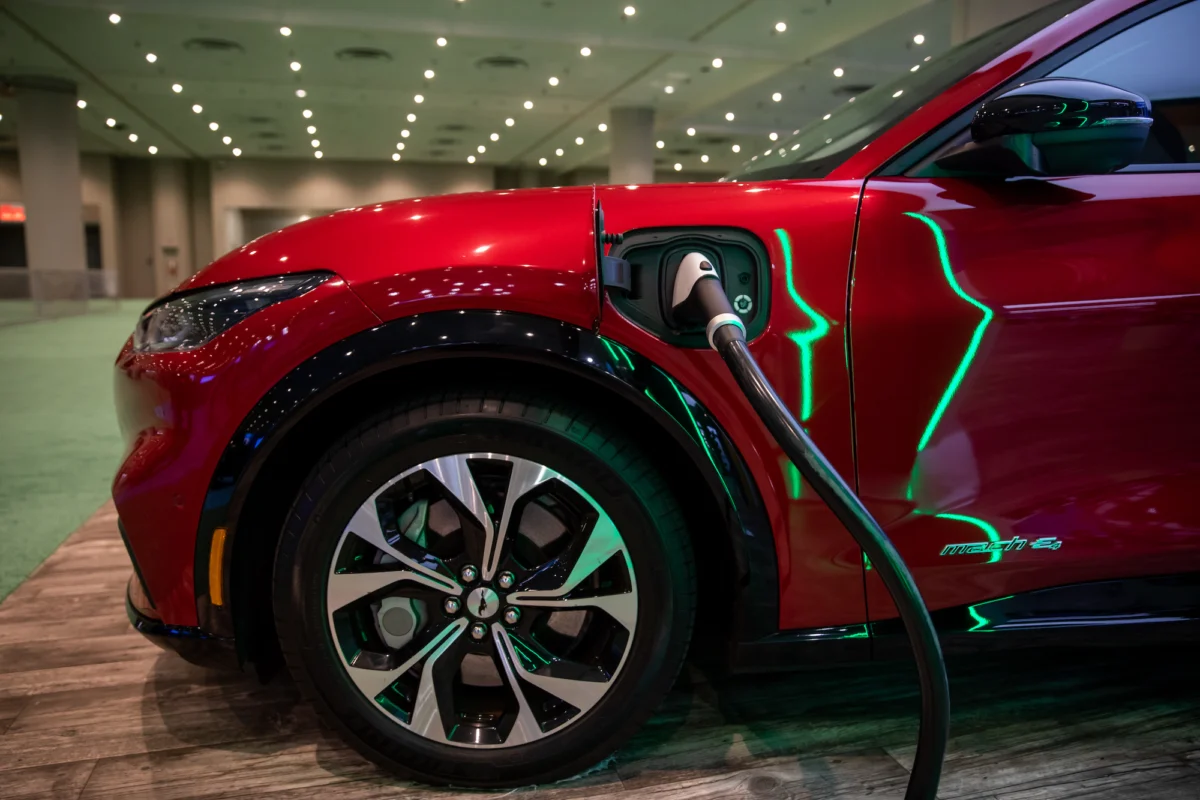
The roots of the modern domestic EV push began in earnest in early 2016. GM took an early lead by debuting the Chevrolet Bolt EV at the Consumer Electronics Show (CES) in January 2016, bringing the vehicle to market by the end of that year—beating Tesla’s Model 3 deliveries by roughly six months. Ford followed suit in late 2019 with the high-profile debut of the Mustang Mach-E, signaling its intent to leverage its most iconic nameplates for the electric era.
The Peak Era of Electrification (2020–2024)
As the pandemic took hold and federal interest rates plummeted, investor appetite for high-growth tech narratives peaked. Between late 2019 and early 2021, EVs became the central theme of Detroit’s investor relations.
During this period:
- GM teased an array of domestic assembly sites, championed its proprietary Ultium battery architecture, and announced a bold plan to transform Cadillac into an all-electric luxury brand.
- By the end of 2020, GM’s earnings calls featured more than 100 EV references per session, representing nearly a third of all executive commentary.
- Ford mirrored this trajectory, buoyed by the 2021 launch of the F-150 Lightning.
Aside from a temporary dip in early 2021 caused by the global semiconductor shortage, both companies spent the next four years dedicating roughly a quarter to a third of their quarterly investor calls to EV strategy. This period coincided with the Biden administration’s aggressive policy push, which incentivized EV adoption through billions of dollars in federal charging infrastructure grants, battery supply chain subsidies, and the $7,500 consumer tax credit via the Inflation Reduction Act (IRA).
The Strategic Retreat (2024–2026)
By mid-2024, the market reality began to diverge from executive projections. Consumer adoption of pure battery-electric vehicles slowed, hampered by high interest rates, persistent charging anxiety, and premium retail pricing. Ford began backing away from its largest planned EV capital investments, shifting focus toward a skunkworks project aimed at developing a low-cost platform to counter cheap foreign imports.
The political landscape shifted further following the reelection of Donald Trump. Upon taking office in early 2025, the new administration moved quickly to roll back environmental regulations, dilute fuel-economy mandates, and dismantle the federal $7,500 consumer tax credit.
During GM’s first-quarter 2025 earnings call, the conversation was heavily dominated by the administration’s "Liberation Day" tariff policies rather than battery technology. By the second quarter of 2026, the silence on EVs had become systemic.
Supporting Data: The Sinking Metric of EV Discourse
To quantify this shift, Hudson Labs utilized its proprietary "Co-Analyst" AI research tool—a high-precision platform designed for institutional financial analysis—to review S&P Market Intelligence transcripts dating back to 2019. The AI assigned precise topic tags to every sentence uttered by executives and analysts during GM and Ford’s quarterly earnings calls, tracking both the raw frequency of EV-related terms and their overall share of the discussion.
Share of Discussion Dedicated to EVs (Historical Trend):
  35% |          ▲ (Peak 2020-2021)
  30% |         ▲ ▲
  25% |       ▲ ▲ ▲ ▲ (Biden Era Stability)
  20% |       │     │
  15% |       │     │
  10% | ──┐   │     │             ▼ (Post-2025 Shift)
   5% |   └───┘     └─────────────▼
   0% └───┴───┴───┴───┴───┴───┴───┴───
     2019    2021    2023    2025  2026
The quantitative findings paint a clear picture of executive de-prioritization:
General Motors
At its peak in late 2020, GM’s leadership mentioned electric vehicles over 100 times per call. Throughout the Biden administration, this frequency remained stable, hovering around 80 to 90 mentions per quarter.
However, following the shifts in federal regulatory policy, GM’s EV dialogue collapsed. On its second-quarter 2025 call, GM recorded 82 EV mentions; by its Q2 2026 call, that figure plummeted to just 21 mentions—the lowest level of EV discourse recorded by the automaker in seven years.
Ford Motor Company
Ford’s discussion metrics followed a similar trajectory. During the rollout of the Mustang Mach-E and F-150 Lightning, EV topics routinely commanded over 30% of entire earnings calls. By late 2024 and early 2025, that volume declined sharply.
Instead of discussing battery assembly lines, CEO Jim Farley spent the majority of recent calls addressing protectionist trade policies, supply chain localization, and the strong margins generated by Ford’s traditional gas-powered F-Series trucks and commercial fleet business (Ford Pro).
The Exclusion of Stellantis
To maintain analytical consistency, the study excluded Stellantis, the third member of Detroit’s "Big Three." Formed in 2021 through the merger of Fiat Chrysler Automobiles (FCA) and France’s PSA Group, Stellantis has historically lagged behind GM and Ford in domestic EV adoption.
Furthermore, until the first quarter of 2025, Stellantis only hosted comprehensive earnings calls on a semi-annual basis rather than quarterly, making its transcript data incompatible with the quarterly trend analysis of its cross-town rivals.
Official Responses: Quality Over Quantity and the ‘Universal’ Platform
Faced with data showing a clear drop in EV messaging, spokespeople from both automakers defended their shifting communication strategies, framing the change as an evolution of corporate maturity rather than a retreat.
General Motors
Jim Cain, a veteran spokesperson for GM, argued that the reduction in verbal mentions does not equate to a lack of operational commitment, stating that "quality counts more than quantity."
In an emailed statement, Cain sought to reassure stakeholders of the company’s long-term direction:
"We’ve been very clear and consistent in communicating our view that EVs are the end game, the strength of our portfolio today, the loyalty of EV customers to the technology, awards we’ve won, our growing EV market share, and our commitment to continue investing in technologies like LMR (lithium manganese-rich) to improve profitability."
However, Cain acknowledged that the content of quarterly calls must adapt to immediate macroeconomic headwinds and investor anxieties:
"We devote time on the calls to discuss growth opportunities like software and services and autonomous technology, and address complex topics of analyst/investor interest like trade and regulatory policy impacts, operating performance, capital allocation, regional performance, headwinds and tailwinds—all while making sure at least half the call is devoted to Q&A."
Ford Motor Company
Ford’s response focused on its upcoming technical pivot. Spokesperson David Tovar pointed to the company’s anticipated launch of its "Universal Electric Vehicle" platform, a highly flexible, low-cost architecture scheduled to debut next year.
"[W]e think the first product rolling off the line, a midsize pickup truck, will hit the sweet spot of the EV market for cost, price, and technology," Tovar said.
This sentiment aligns with recent comments from CEO Jim Farley, who continues to maintain that Ford "will become a major scaled competitor as we invest in affordable, versatile EVs." However, Farley has also tempered expectations, signaling to Wall Street that capital will flow where margins are most secure in the near term.
Implications: The Rise of Pragmatic Portfolios and Regulatory Realism
The rhetorical silence from GM and Ford marks a broader structural transition within the global automotive sector, carrying significant implications for investors, regulators, and consumers alike.
Strategic Shifts in Detroit's EV Playbook:
┌──────────────────────────────┬──────────────────────────────┐
│ Past Strategy (2020-2024)    │ Present Strategy (2025-2026) │
├──────────────────────────────┼──────────────────────────────┤
│ "All-in" on BEVs             │ Balanced ICE/Hybrid/EV mix   │
├──────────────────────────────┼──────────────────────────────┤
│ Aggressive volume targets    │ Production aligned to demand │
├──────────────────────────────┼──────────────────────────────┤
│ High-end halo products       │ Low-cost, flexible platforms │
├──────────────────────────────┼──────────────────────────────┤
│ Regulatory compliance focus  │ Tariff & trade-policy focus  │
└──────────────────────────────┴──────────────────────────────┘
The Death of the Hard Timeline
The most immediate casualty of this shift is the absolute timeline for electrification. GM’s once-celebrated pledge to transition to an all-electric light-duty lineup by 2035 has been quietly reframed. Executives now speak of "aligning EV capacity and manufacturing footprint with the changes in regulatory policy."
By tying production capacity directly to consumer demand and political mandates rather than arbitrary calendar dates, Detroit is protecting its balance sheets from severe margin compression.
Hybrids as the Capital Safe Haven
With pure battery-electric vehicles proving capital-intensive and slow to yield profits, both automakers are embracing hybrid powertrains as a medium-term bridge.
Ford has significantly benefited from this approach, seeing record demand for hybrid variants of its Maverick and F-150 pickups. By offering hybrid powertrains across their lineups, legacy automakers can meet tightening fleet emissions standards without forcing consumers into pure battery-electric options they may not want or cannot afford.
The Looming Threat of Foreign Competition
While scaling back EV spending protects short-term cash flow, it introduces a significant long-term risk. Chinese automakers, led by BYD, continue to scale low-cost electric vehicles at a rapid pace, expanding their market share in Europe, Latin America, and Southeast Asia.
By slowing their domestic EV development and focusing on protective trade barriers, GM and Ford risk falling further behind in battery chemistry, software integration, and manufacturing efficiency. If tariff barriers are eventually lowered or bypassed via third-party manufacturing hubs, domestic automakers could find themselves vulnerable to highly efficient foreign competition.
For now, Wall Street appears satisfied with Detroit’s pivot back to capital discipline and high-margin internal combustion engines. However, the data collected by Hudson Labs reveals a stark reality: the bold, electrified future that GM and Ford promised at the turn of the decade has been put on hold. The era of the grand EV narrative is over; the era of hard-nosed financial pragmatism has begun.
