



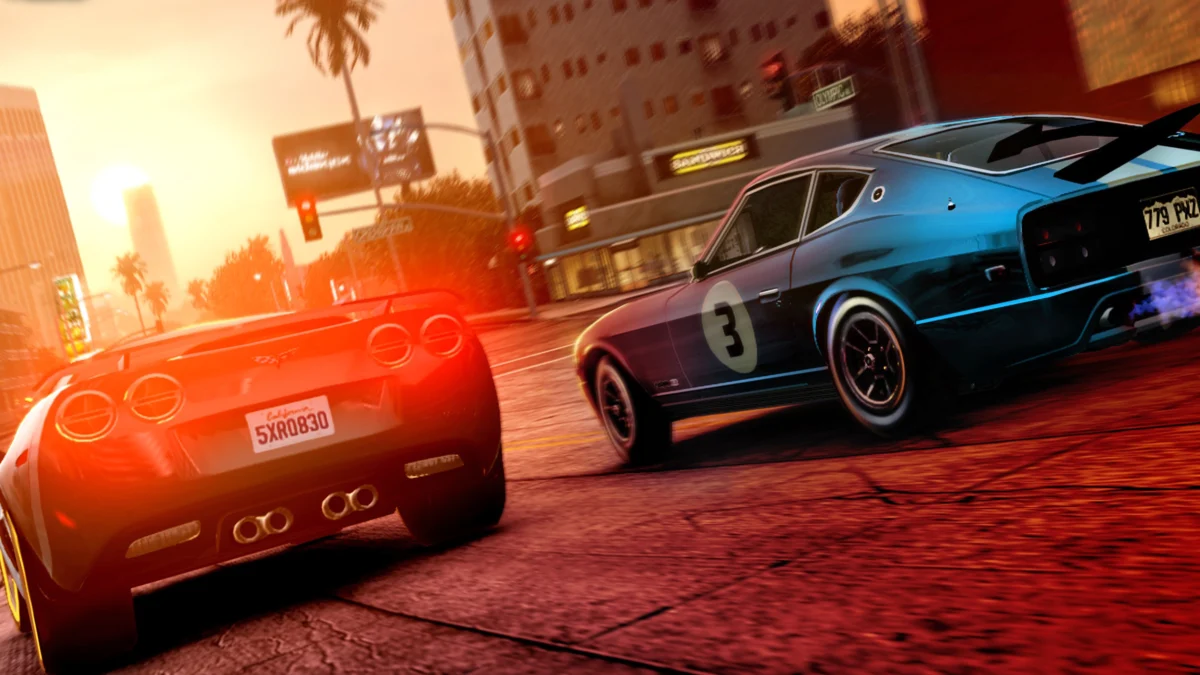
It has been 18 years since the world last saw a new installment in the Midnight Club franchise. To those who grew up in the golden era of arcade-style street racing, this absence feels like a gaping hole in the automotive gaming landscape. In the mid-2000s, Midnight Club was not just another racing game; it was a cultural force that dared to capture the illicit, neon-drenched pulse of global tuner culture with a level of polish that few competitors could match.
Yet, despite its critical success and a dedicated fanbase, the series abruptly vanished. Now, thanks to fresh insights from former Rockstar San Diego senior designer Kris Roberts, we finally understand the internal friction that drove the franchise into the ground. It is a story of internal politics, the overwhelming gravity of the Grand Theft Auto machine, and the harsh realities of the video game industry.
The Genesis of the End: Main Facts
The revelation that Midnight Club 5 was not merely a rumor, but a project in active development, changes our understanding of Rockstar Games’ history. According to Roberts, the team at Rockstar San Diego had already begun laying the groundwork for a successor to the highly acclaimed Midnight Club: Los Angeles (2008).
The proposed sequel was set to take the series to London, leveraging the studio’s expertise in crafting massive, open-world urban environments. However, the project was short-lived. The cancellation was not due to a lack of talent or technical ambition, but rather a profound "non-trivial conflict" between the San Diego development team and Rockstar’s global headquarters in New York. The core issue was simple, yet insurmountable: in the eyes of the corporate hierarchy, the Midnight Club team was never going to be Grand Theft Auto.
Chronology of a Franchise
To understand the rise and fall of Midnight Club, one must look at its trajectory from a humble racer to a genre-defining juggernaut.
- 2000: The series debuts with Midnight Club: Street Racing on the PlayStation 2. It sets the stage for high-speed, arcade-focused racing with a focus on open-city shortcuts and verticality.
- 2001–2003: Midnight Club II elevates the experience, introducing motorcycles and a refined driving model that becomes the series’ signature.
- 2005: Midnight Club 3: DUB Edition hits the market. By partnering with DUB Magazine, the game taps into the booming "pimp my ride" tuner culture, allowing for deep aesthetic customization. It is widely considered the peak of the series for many fans.
- 2008: Midnight Club: Los Angeles launches. It is a massive, seamless open-world experience that impresses critics and players alike. However, behind the scenes, the development is marred by missed deadlines and shifting corporate priorities.
- 2009–2010: The development of Midnight Club 5 (codenamed "London") begins, but is ultimately shuttered by New York management.
- 2010–Present: Rockstar Games pivots entirely toward the Grand Theft Auto and Red Dead Redemption franchises, leaving the racing series to wither.
The "Red-Headed Stepchild" Complex
The tension between the San Diego studio and the New York headquarters serves as a masterclass in corporate misalignment. In his interview with Insider Gaming, Roberts describes a toxic dynamic where, regardless of the quality of their output, the Midnight Club team felt marginalized.
"The perception was we never got the accolades or the reception," Roberts noted. "The New York perspective was, ‘You’re not GTA.’"
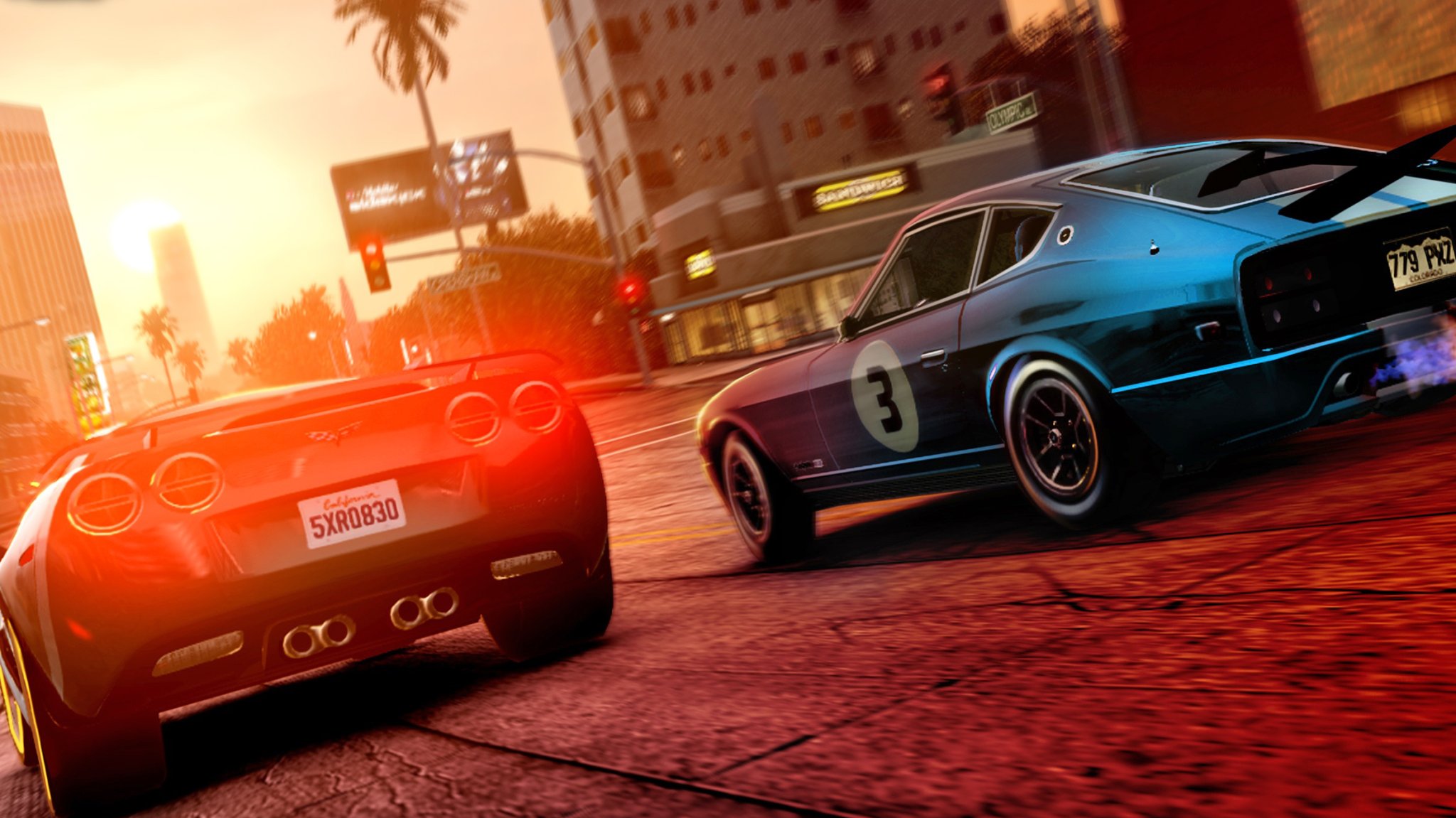
This sentiment reflects a broader industry trend where "A-list" intellectual properties (IPs) consume all oxygen in the room. Even though Midnight Club: Los Angeles was a technical marvel—featuring a day-night cycle, complex physics, and an expansive map—it was viewed as a secondary asset. The delay of MCLA from early 2008 to October of that year provided the necessary ammunition for the New York office to lose faith in the project’s management, despite the fact that the final game was a polished, high-performing title.
Supporting Data: Comparing the Era
When evaluating the state of the market in 2008, it is clear that Midnight Club was not failing in a vacuum; it was competing against a stagnant genre. While Electronic Arts’ Need for Speed franchise was suffering through an identity crisis, struggling to find its footing after the glory days of Most Wanted, Midnight Club was innovating.
The San Diego crew was operating at a level that, by today’s standards, would be considered "world-class." They had mastered the art of the open-world racer, a feat that requires immense technical overhead. If Midnight Club had been treated as a standalone pillar rather than a sub-brand to be compared against the multi-billion-dollar Grand Theft Auto franchise, the landscape of racing games today might look vastly different.
Official Perspectives and Corporate Culture
The cancellation of Midnight Club 5 acts as a case study for the homogenization of the modern gaming industry. Rockstar Games, much like other industry titans such as EA and Microsoft, eventually shifted toward a "hits-driven" model. The logic is as ruthless as it is simple: if a project does not promise the astronomical, recurring revenue streams of a GTA Online, it is deemed an inefficient use of resources.
The "London" project represented a creative risk. It required building a new city, implementing new physics for different road conditions, and maintaining the unique "Midnight" aesthetic. To the accountants in New York, the return on investment for a racing game simply could not compete with the sheer, unprecedented financial dominance of the Grand Theft Auto series.
The Implications for Modern Gaming
The death of Midnight Club has left a vacuum that has yet to be filled. While titles like Forza Horizon have successfully captured the open-world racing spirit, they lack the specific, gritty, late-night street-racing ethos that defined Midnight Club.
The implications of this loss are twofold:
- The Loss of Niche Innovation: When studios are forced to conform to a single "billion-dollar" model, the unique, flavor-filled titles that defined the 2000s are the first to go. We are left with fewer, larger games that are designed to appeal to everyone and, consequently, lack the "soul" of a dedicated tuner-culture simulator.
- The "GTA Online" Shadow: The only remnants of the Midnight Club DNA are currently trapped within GTA Online. While players can engage in high-speed street races, the progression system is gated by "shark card" economics and a grind-heavy structure that feels like a cynical parody of the original game’s joy. The freedom of the open road has been replaced by the necessity of the revenue stream.
Conclusion: A Road Not Taken
The story of Midnight Club 5 is a cautionary tale about the dangers of corporate tunnel vision. Rockstar San Diego built a series that was not just a commercial product, but a testament to the culture of street racing. By prioritizing the "breadwinner" status of Grand Theft Auto above all else, Rockstar effectively silenced a creative voice that had much more to say.
Today, fans can only look back at the trailers for Midnight Club: Los Angeles and wonder what might have been if the London project had seen the light of day. We may never get that game, but the legacy of the series remains a reminder that the best gaming experiences are often found in the projects that dare to be different—even if the people in charge don’t have the vision to see it.
