


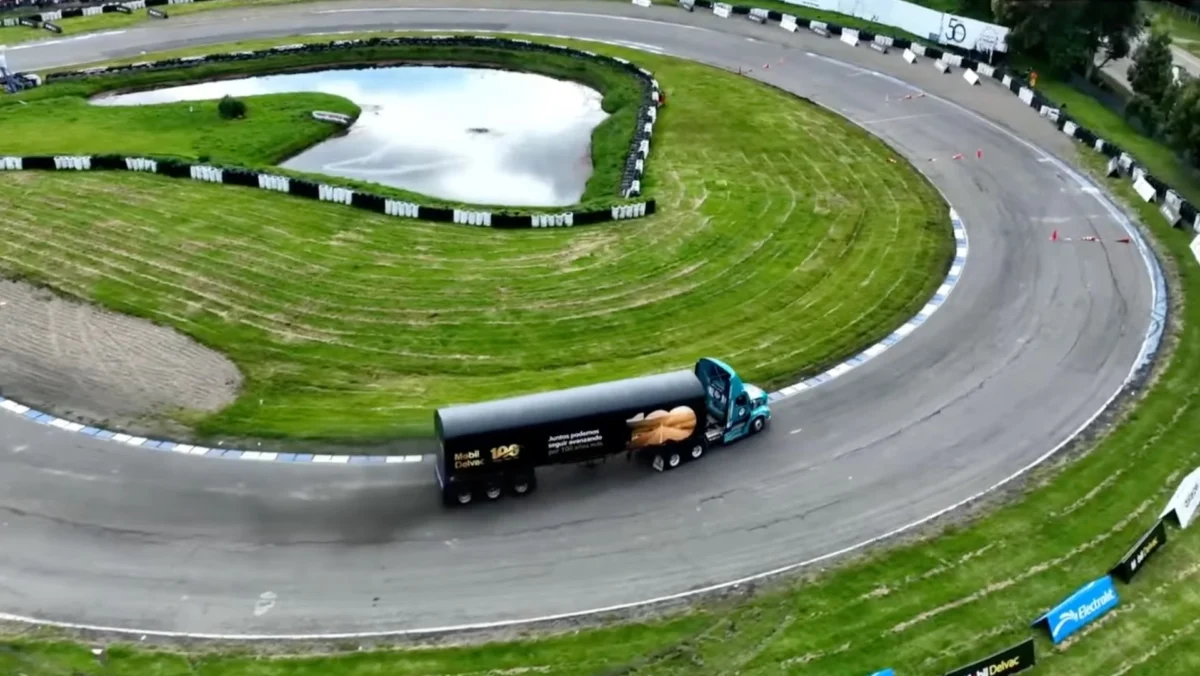
In the rarefied air of global motorsports, we are accustomed to the sleek aerodynamics of Formula 1, the raw endurance of Le Mans, and the high-speed banking of NASCAR. Yet, nestled within the mountainous terrain of Colombia lies an event that defies the conventional logic of racing: the Gran Premio Mobil Delvac. It is a spectacle of sheer industrial force, where the "kings of the road"—massive semi-trucks typically tasked with hauling heavy freight across the Andes—are transformed into track machines.
While semi-truck racing has existed in various forms for decades, the Gran Premio stands alone. Unlike the highly specialized, purpose-built "racing tractors" seen in European championships, the Colombian event remains grounded in the reality of the working trucker. It is a high-octane celebration of labor, skill, and mechanical endurance, proving that some of the most compelling racing on the planet doesn’t require a carbon-fiber chassis or a multi-million-dollar R&D budget.
The Mechanics of the Madness: Main Facts
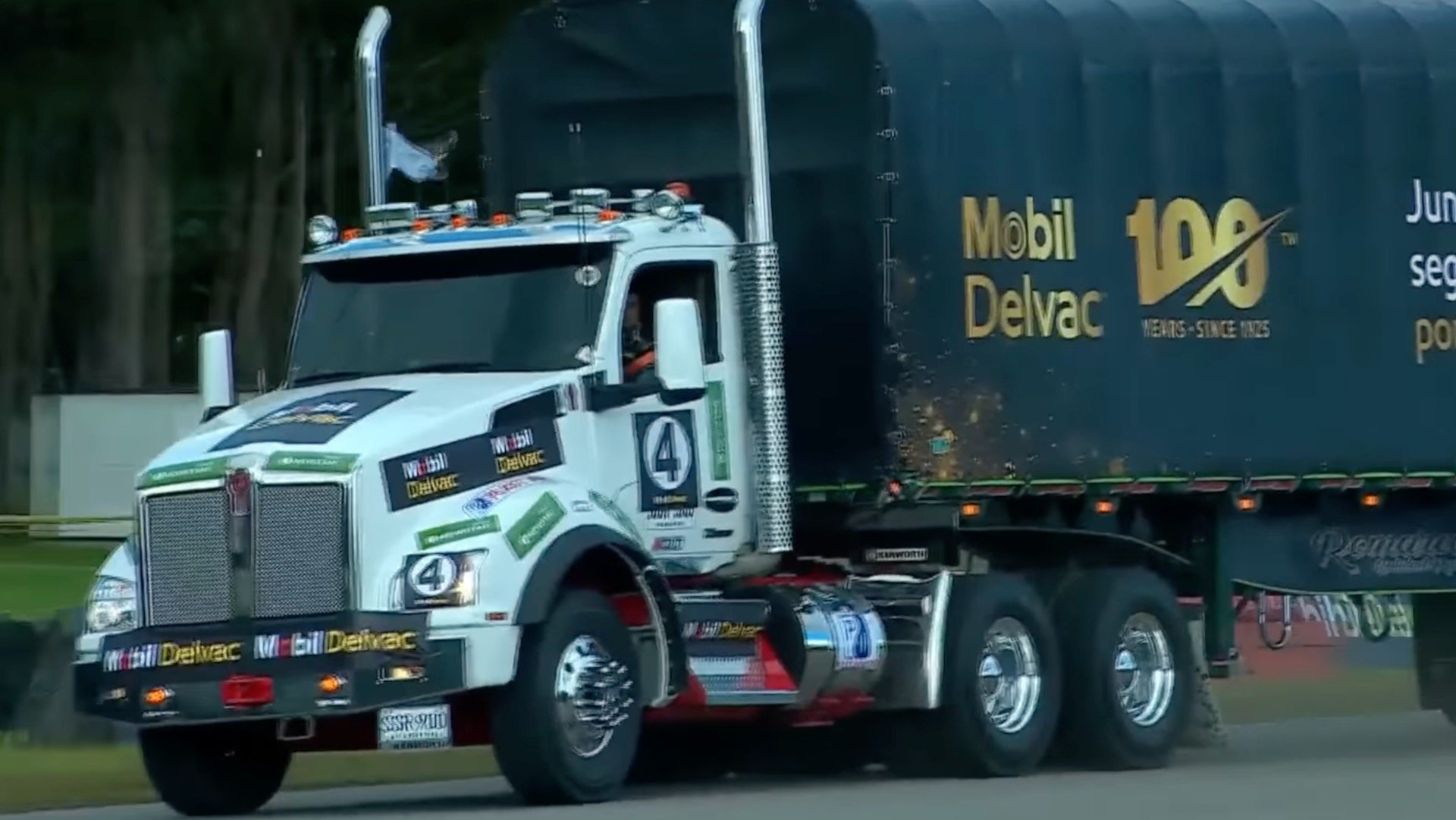
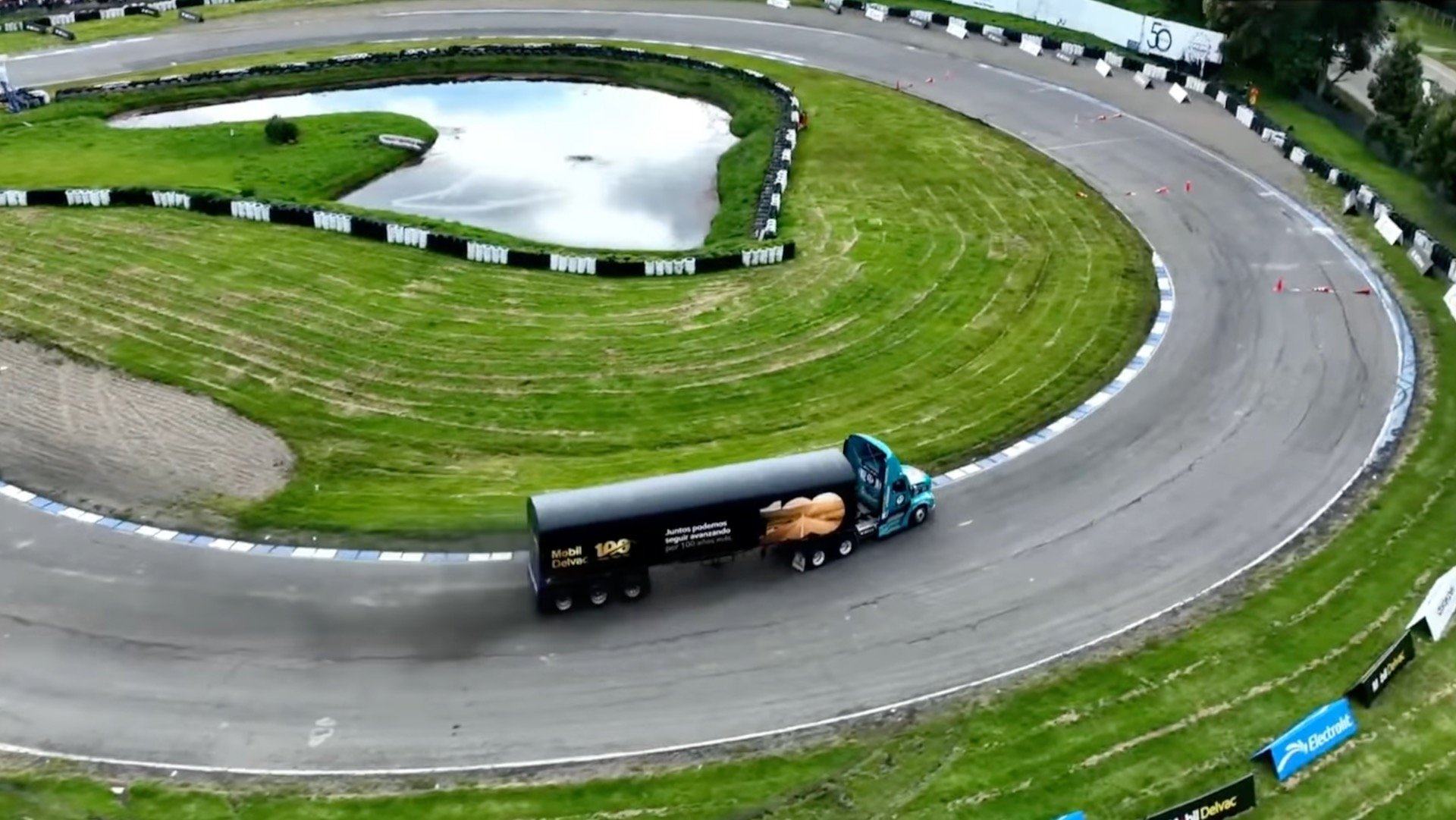
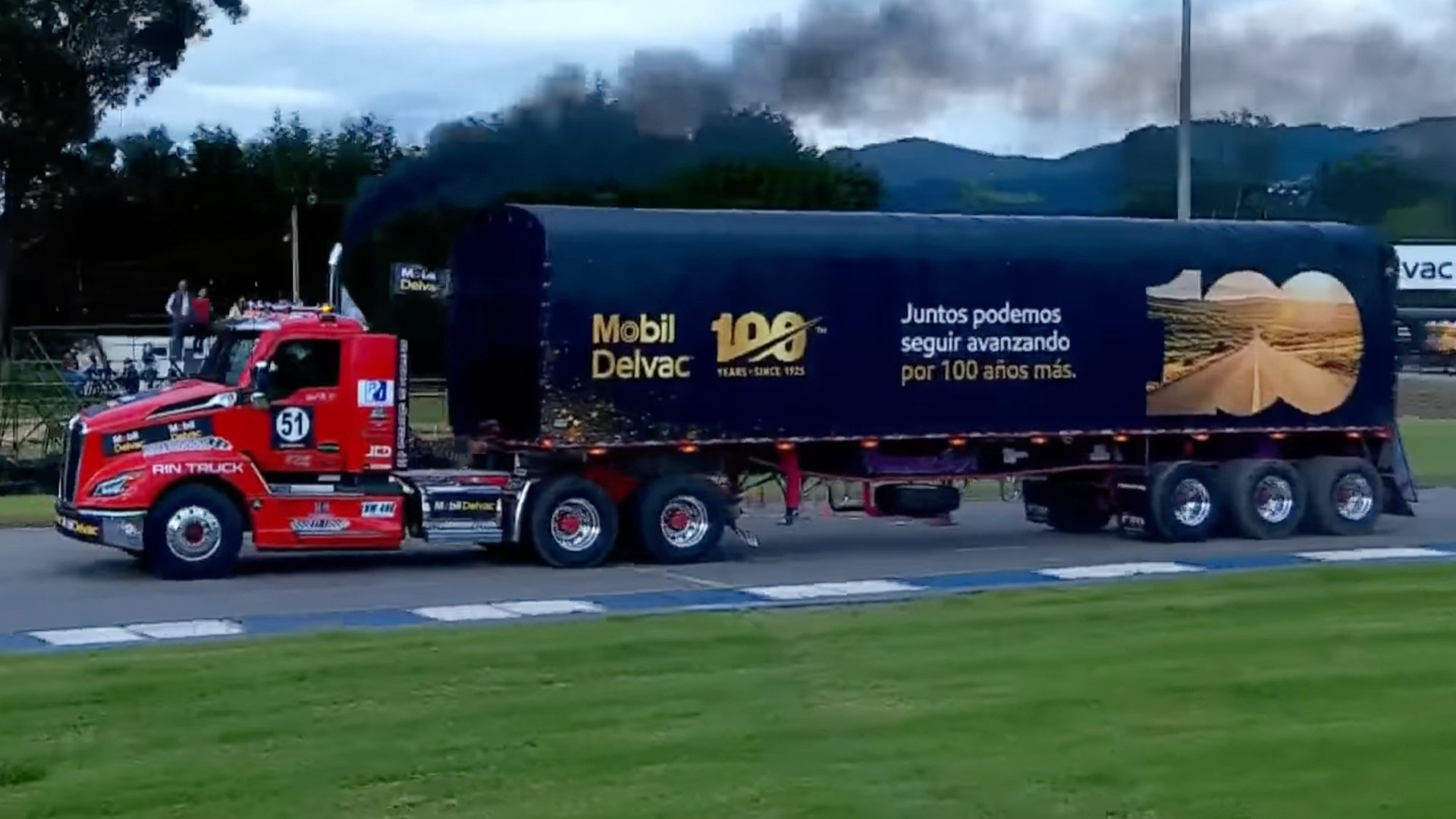
Held annually at the Autódromo de Tocancipá, just outside of Bogotá, the Gran Premio Mobil Delvac is a grueling test of both machine and operator. The defining characteristic that separates this event from any other in the world is the presence of the trailer. While other truck racing series strip vehicles down to their bare tractors to achieve maximum velocity, the Gran Premio insists on the full, heavy-duty configuration.
Drivers are not merely turning laps; they are navigating a complex road course while managing the physics of a multi-ton trailer. The competition goes beyond simple speed; it incorporates technical skill challenges, including slalom courses and "stop boxes" that force drivers to demonstrate the same level of precision required to navigate the congested, winding streets of Colombia’s major cities.
The event is essentially a festival for the trucking community. Eligibility is refreshingly democratic: any professional truck driver who purchases a qualifying amount of oil from the event sponsor, Mobil, is eligible to register. This accessibility has fueled the event’s massive popularity, with the most recent iteration seeing a staggering 150 drivers vying for the championship title.
A Legacy of Labor: A Chronology of the Gran Premio
The roots of this competition trace back to 1988, a period when the Colombian trucking industry was undergoing significant modernization. The event was conceived as a way to honor the "troqueros"—the backbone of the national economy—by giving them a stage to demonstrate their unparalleled mastery of their vehicles.
- 1988–1995: The inaugural years established the format, focusing on straight-line speed and basic handling. The event quickly grew from a local novelty into a national sensation, drawing thousands of spectators to Tocancipá.
- 1996–2010: As the event gained sponsorship and institutional backing, the technical regulations began to coalesce. Organizers realized that to keep the racing competitive and safe, they needed to standardize certain engine components, curbing the "arms race" of illicit engine modifications.
- 2011–2020: The digital age saw the Gran Premio reach global audiences. The rise of streaming platforms allowed the world to witness the unique sight of massive haulers drifting around corners, trailer-in-tow, creating a cult following among automotive enthusiasts in Europe and North America.
- 2021–Present: The modern era of the race has refined the competition into a high-stakes professional environment. With improved broadcast quality and a more rigorous vetting process for vehicle safety, the event now feels less like a weekend truck pull and more like a premier national championship.
The Technical Arena: Supporting Data and Regulations
To the uninitiated, these trucks look like the same machines one might see idling at a rest stop. However, beneath the hood, there is a complex set of rules designed to keep the playing field level while ensuring the machines remain true to their working roots.
The technical regulations are stringent. While fuel systems are largely unrestricted to allow for the massive torque required to get these beasts moving, the power-adders are strictly prohibited. The use of nitrous oxide—common in amateur drag racing—is strictly banned. Turbocharger technology is closely monitored; variable geometry, ceramic bearings, and water-cooling systems are forbidden to prevent teams from gaining an unfair technological advantage through high-cost proprietary upgrades.
Crucially, the vehicles must retain their heavy-duty utility. All competing trucks must feature six axles, and to ensure traction and fairness, both rear drive axles must be fully engaged during the race. This prevents the use of lightweight, single-axle "cheater" trucks that would lack the authentic feel of a true commercial vehicle.
The Human Element: Official Perspectives
The success of the Gran Premio Mobil Delvac is rooted in its cultural importance. For the drivers, this is not just about the trophy or the prize money; it is about status. In a profession where the work is often solitary and thankless, the race serves as an annual homecoming.
Organizers have consistently emphasized that the goal of the event is to elevate the profile of the professional truck driver. By putting them in the spotlight, the event has helped shift the public perception of truckers in Colombia from "common laborers" to "precision athletes."
"This isn’t about professional racers coming in with factory backing," a representative for the event noted in recent media interviews. "This is about the guy who spends twelve hours a day on the Pan-American Highway. When they get on this track, they are showing you exactly how they handle a load on the most dangerous roads in the country. It is, in every sense, a test of survival and skill."
Beyond the Track: Implications for Motorsports
The existence of the Gran Premio provides an interesting counter-narrative to the current trajectory of professional motorsports. While series like Formula 1 become increasingly expensive and removed from the average fan, the Gran Premio thrives on its relatability. It is a throwback to the early days of NASCAR, where the cars on the track were essentially the cars driven to the track.
The implications for the wider world of motorsports are clear: there is a hunger for "real-world" competition. Fans are drawn to the sight of vehicles that they recognize from their daily commute being pushed to their absolute mechanical limits. The visual of a semi-truck—a vehicle designed for efficiency and steady hauling—being forced into a high-speed maneuver with a trailer whipping behind it is inherently captivating. It forces the audience to rethink the capabilities of the machinery they take for granted on the highway.
Furthermore, the event has sparked discussions about the future of truck racing globally. As emissions standards change and electric drivetrains become more prevalent in the heavy-haulage sector, the Gran Premio faces a future evolution. Will we one day see silent, electric tractor-trailers competing in a "Green Premio"? While for now, the roar of diesel engines remains the soundtrack of the event, the adaptability of the organizers suggests that the Gran Premio will survive as long as there are truckers who want to prove they are the best behind the wheel.
Conclusion: A Unique Cultural Phenomenon
The Gran Premio Mobil Delvac is more than just a race; it is a testament to the versatility of the human spirit and the machine. By blending the high-stakes environment of a race track with the everyday utility of commercial freight, the event has carved out a unique space in the history of racing. It reminds us that at its core, motorsport is not about the most expensive technology or the most aerodynamic curves—it is about the challenge of controlling the uncontrollable.
Whether you are a die-hard fan of traditional racing or someone who simply appreciates the raw power of heavy machinery, the Gran Premio offers a spectacle that cannot be replicated. It is, quite simply, the wildest show on wheels, and for the 150 drivers who take to the track every year, it is the most important day on the calendar. As the dust settles at the Autódromo de Tocancipá, one thing remains certain: the king of the road has found his kingdom, and he isn’t slowing down anytime soon.
