



By Meghna Maharishi | Airline Reporter
September 30, 2026
In a significant pivot for the U.S. aviation landscape, United Airlines has announced plans to implement a tiered fare structure for its premium cabins—United First and United Business—on domestic and select short-haul international flights. The move, revealed in an internal memo obtained by Skift, marks a departure from the traditional “all-inclusive” approach to premium cabin pricing, signaling a broader industry trend toward the unbundling of high-end travel experiences.
The Core Strategy: Unbundling the Premium Cabin
For decades, the purchase of a First or Business class ticket was synonymous with a comprehensive suite of benefits: priority boarding, complimentary seat selection, checked baggage allowances, and flexible change policies. Under United’s new proposed structure, the airline will segment its premium offering into three distinct tiers: Base, Standard, and Premium.
While specific pricing metrics remain proprietary, the framework aims to provide consumers with more granular control over their travel costs.
- Base: Designed as the entry-level price point, this tier provides the seat and the fundamental onboard service but strips away ancillary perks that were previously standard.
- Standard: This mid-tier option serves as the successor to the current model, including free seat selection, additional checked baggage allowances, and presumably, more lenient change or cancellation policies.
- Premium: Expected to sit at the top of the hierarchy, this tier will likely cater to travelers seeking a fully flexible, high-touch experience, potentially including priority check-in, lounge access, or enhanced mileage accrual rates.
A Chronology of the Shift
The move to unbundle premium cabins did not happen in a vacuum. It is the culmination of years of evolving revenue management strategies within the airline industry.
Early 2024: The Rise of Basic Economy
United, along with its major competitors Delta and American, successfully normalized "Basic Economy" fares. By creating a lower price point that restricted carry-on bags and seat selection, airlines managed to compete with low-cost carriers while protecting their margins.
Late 2025: The Premium Demand Surge
Following the post-pandemic travel boom, demand for premium cabin space surged. However, airlines faced a dilemma: how to capture the revenue from budget-conscious travelers while maintaining the exclusivity of the premium cabin.
March 2026: Operational Integration of the A321XLR
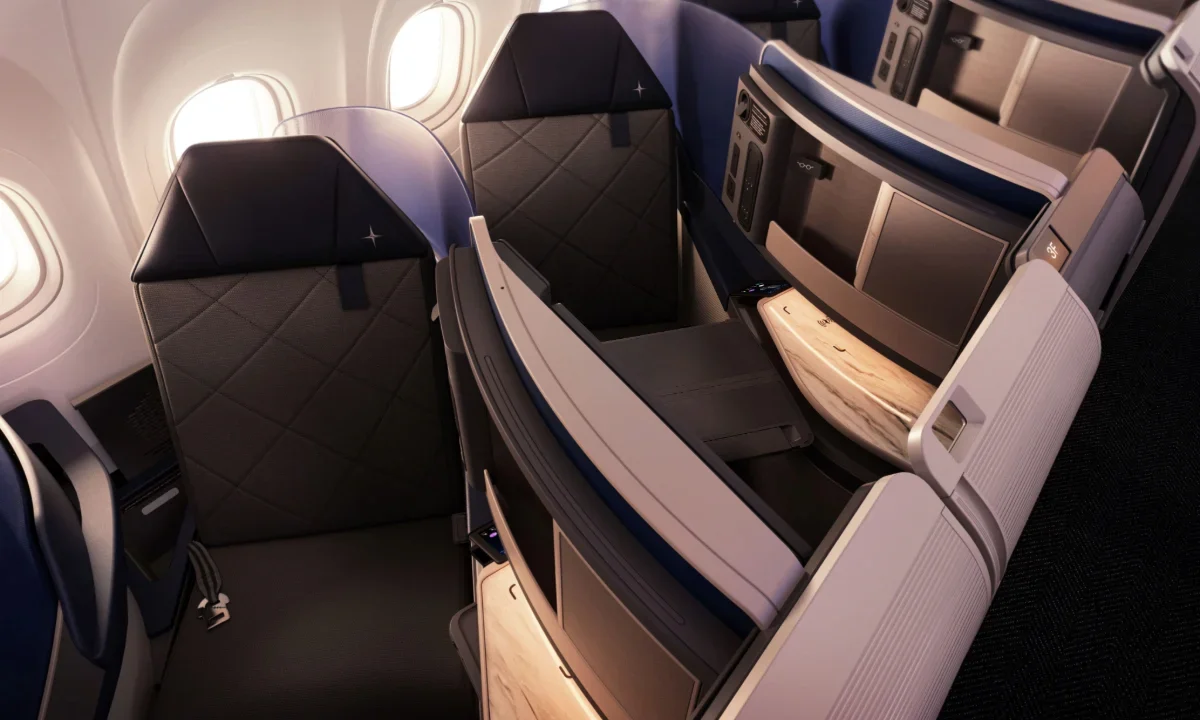
The introduction of the Airbus A321XLR into United’s fleet provided the operational hardware necessary for this change. With advanced Polaris-style suites becoming more common on short-to-medium-haul routes, United began analyzing how to maximize the revenue potential of every seat on these high-tech aircraft.
September 2026: The Formal Internal Announcement
The internal memo circulated this week confirms that the airline is moving from the pilot phase to a full-scale rollout, aiming to integrate these tiers into the booking engine by early 2027.
Supporting Data: Why Now?
Financial analysts suggest that United’s decision is driven by the “premiumization” of the travel market. According to recent quarterly earnings reports, revenue from premium cabins has consistently outperformed the rest of the cabin throughout 2025 and 2026.
However, the industry has seen a plateau in the growth of leisure travelers willing to pay full-fare First Class prices. By offering a “Base” premium fare, United can capture price-sensitive travelers who would otherwise opt for Economy Plus or even standard Economy, thereby increasing the overall load factor of the premium cabin.
Furthermore, industry data shows that nearly 30% of travelers in premium cabins are currently “self-upgraders”—individuals who are paying out-of-pocket rather than traveling on corporate expense accounts. This demographic is significantly more price-sensitive, making the tiered fare structure a logical tool to convert these travelers into premium cabin customers.

The Corporate and Passenger Perspective: Official Responses
United Airlines has maintained a policy of not commenting on specific internal documents. However, a spokesperson noted that the company is "continuously evaluating our product offerings to ensure we provide our customers with the flexibility and value they expect when traveling across our global network."
Industry observers have been quick to weigh in. Henry Harteveldt, a noted travel industry analyst, suggested that this is a "rational, if not controversial, move."
"Airlines have spent the last ten years perfecting the art of unbundling the back of the plane," Harteveldt said. "It was only a matter of time before they looked at the front of the plane and realized there was more margin to be squeezed by tailoring the experience to the passenger’s specific needs."
On the flip side, frequent flyers—particularly those with high-tier loyalty status—have expressed apprehension. Many fear that this will lead to "perk dilution," where loyal customers may find their benefits increasingly restricted unless they pay for the "Premium" tier, even when flying in First Class.
Implications for the Industry
1. The Death of the "All-Inclusive" First Class
United’s move is expected to trigger a domino effect. If the strategy proves successful in increasing revenue per available seat mile (RASM), competitors like American Airlines and Delta Air Lines will likely follow suit within 12 to 18 months. This could effectively end the era of the "all-inclusive" premium experience on domestic flights, forcing passengers to pay for services they once took for granted.
2. Loyalty Program Complexity
The introduction of tiered fares will inevitably complicate the MileagePlus program. United will need to determine whether "Base" premium fares earn the same Premier Qualifying Points (PQPs) as "Premium" fares. If they do not, it could significantly alter the path to elite status for millions of travelers.
3. Corporate Travel Management
For corporate travel departments, this creates a new level of complexity. Travel managers will need to update their booking policies to ensure employees aren’t inadvertently booking "Base" fares that lack essential flexibility, or conversely, overspending on "Premium" fares when they aren’t necessary.
4. Competitive Dynamics
Low-cost carriers that offer a premium product—such as JetBlue’s Mint or Alaska Airlines’ premium offerings—will face a difficult decision. Do they match United’s unbundling to remain price-competitive, or do they market their cabins as the last remaining "truly all-inclusive" premium experiences to capture disaffected United flyers?
Looking Ahead: The Customer Experience
As United prepares for the rollout, the primary challenge will be communication. The airline must clearly articulate the differences between tiers during the booking process to avoid customer dissatisfaction at the airport.
For the average traveler, the shift represents a trade-off. For the occasional traveler on a budget, it may finally make a "Business" class seat attainable. For the frequent traveler, it suggests a future where every amenity—from early boarding to a meal—becomes a transactional decision.
The aviation industry is watching closely. United Airlines is betting that in a world where travelers value choice above all else, the ability to tailor their premium experience will be worth the loss of simplicity. Whether the passenger base agrees remains to be seen, but one thing is clear: the front of the plane is no longer a monolith. It is now a marketplace, and the price of luxury is being redefined, one tier at a time.
