



Introduction: A Nation at the Energy Intersection
As Hungary approaches its pivotal parliamentary elections on April 12, 2026, the nation finds itself at a geopolitical crossroads that extends far beyond domestic politics. While voters head to the polls, the country’s energy infrastructure has transformed into a high-stakes arena for global power projection. From the ongoing expansion of the Paks II nuclear facility to the intricate web of pipeline diplomacy, Hungary’s energy policy is no longer just a matter of domestic sustainability—it is a central battleground for competing interests from Beijing, Washington, and Moscow.
Clean Energy Wire (CLEW), in partnership with Journalismfund Europe, is hosting an expert-led webinar on April 9, 2026, at 16:00–17:30 CEST. The event aims to equip international journalists with the necessary context to navigate the complexities of Hungary’s energy narrative as it intersects with the European Union’s broader ambitions to curb external interference and secure its energy sovereignty.
Main Facts: The Strategic Trilemma
The Hungarian energy debate is characterized by a "strategic trilemma": balancing dependence on Russian nuclear technology, courting Chinese investment in battery manufacturing, and adhering to the EU’s strict Green Deal mandates.
1. The Nuclear Dependency (The Russian Factor)
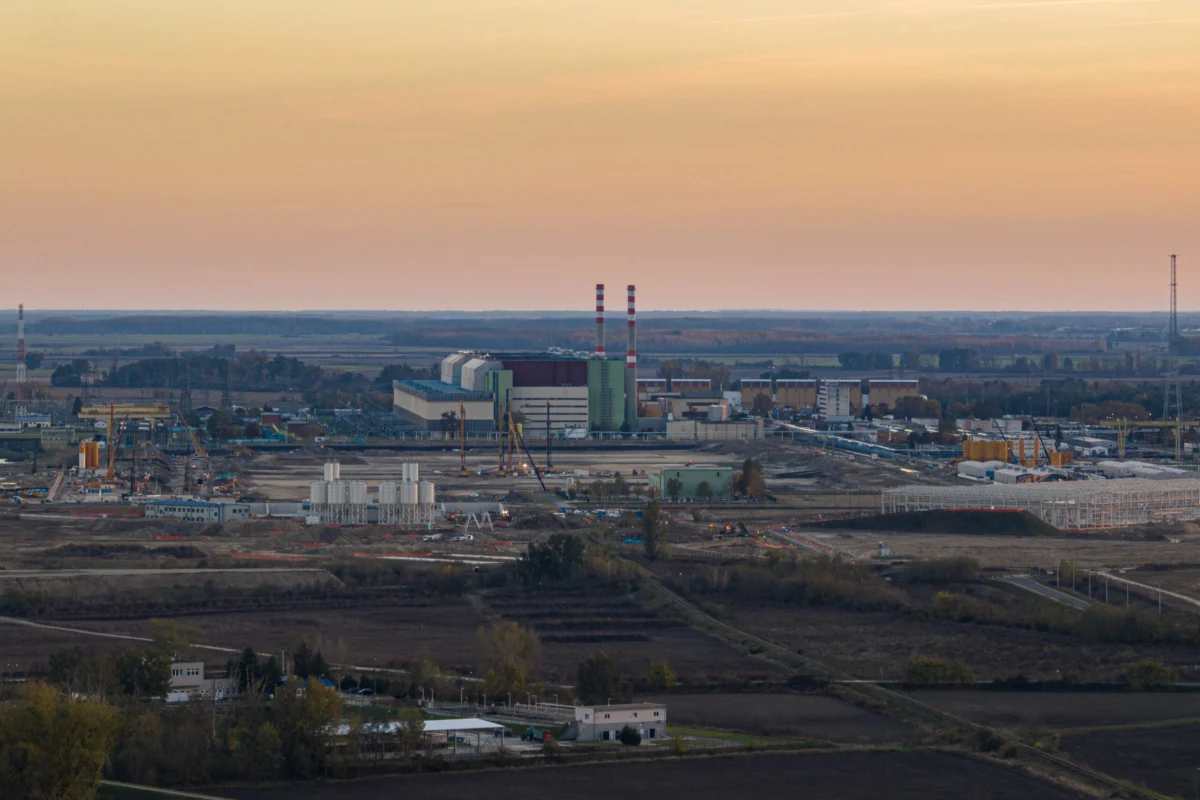
The Paks II nuclear power plant project remains the cornerstone of the government’s energy strategy. By relying on Russia’s Rosatom for the construction and financing of new reactors, Hungary has tethered a significant portion of its future baseload power to Moscow. For critics, this is a strategic vulnerability; for the current administration, it is a pragmatic necessity to ensure affordable electricity.
2. The Battery Hub Ambition (The Chinese Factor)
Hungary has aggressively positioned itself as a central node in the global electric vehicle (EV) supply chain, specifically through massive battery manufacturing investments from Chinese giants like CATL. This strategy ties the Hungarian economy to China’s industrial policy, creating a complex dependency that complicates the EU’s "de-risking" efforts.
3. The Transatlantic Friction (The US Factor)
The United States has consistently voiced concerns regarding Hungary’s energy alignments. Through diplomatic channels and trade policy, Washington has pressured Budapest to diversify its supply chains and reduce reliance on state-backed firms from non-market economies, framing Hungary’s energy choices as a threat to transatlantic security architecture.
Chronology: A Decade of Energy Realignment
- 2014: The Hungarian government signs the intergovernmental agreement with Russia for the Paks II nuclear project, setting the stage for long-term energy cooperation.
- 2019–2021: As the European Green Deal gains momentum, Hungary shifts its focus toward solar capacity, becoming one of the fastest-growing solar markets in Central Europe.
- 2022: The outbreak of the war in Ukraine forces a sudden reassessment of European energy security. Hungary secures exemptions from certain EU oil sanctions, maintaining its reliance on the Druzhba pipeline.
- 2023: Massive investments from Chinese battery manufacturers are announced, turning Hungary into a critical manufacturing hub for the European EV market.
- 2025: Tensions escalate between Budapest and Brussels regarding the implementation of the "Net-Zero Industry Act," with Hungary seeking special provisions for its specific energy mix.
- April 9, 2026: CLEW hosts a pre-election briefing for international journalists to analyze the culmination of these trends.
- April 12, 2026: Hungarian parliamentary elections take place.
Supporting Data: Energy Mix and External Influence
The current energy profile of Hungary reveals a country in transition, struggling to reconcile its heavy industrial ambitions with decarbonization goals.
- Energy Import Reliance: Despite solar growth, Hungary remains a net importer of electricity and natural gas. The reliance on Russian gas via the TurkStream pipeline remains a pillar of the current government’s policy.
- The Paks II Impact: Once fully operational, the Paks II reactors are expected to provide over 40% of Hungary’s domestic electricity. The project’s reliance on Russian fuel rods and specialized technology creates a technical lock-in that will last for decades.
- Chinese Investment Metrics: Hungary has attracted billions in Foreign Direct Investment (FDI) specifically in the battery sector. Data suggests that these factories, while creating jobs, place immense strain on the national grid, necessitating rapid upgrades to the transmission infrastructure.
- EU Compliance: Hungary’s adherence to the EU’s 2030 climate targets remains a point of contention. While the country has successfully integrated significant solar capacity, the intermittency of renewables has increased the perceived "need" for the stable, baseload power promised by nuclear and natural gas.
Official Responses and Diplomatic Tensions
The Government Perspective
The Hungarian administration maintains that its "Eastern Opening" policy is not an act of defiance against the West, but a pragmatic economic strategy. Officials argue that Hungary’s landlocked geography and historical energy infrastructure necessitate a multi-vector approach. They contend that energy security is synonymous with energy affordability and that the state must maintain control over strategic assets to protect citizens from price volatility.
The European Union’s Stance
Brussels has frequently criticized Hungary’s energy policies, citing potential breaches of EU competition law and concerns over the transparency of the Paks II financing. The EU has sought to limit the influence of state-backed entities from outside the bloc, particularly in critical infrastructure, fearing that such investments could be used as leverage in political disputes. The "Strategic Autonomy" agenda is the primary lens through which the EU views Hungary’s recent deals.
The View from Washington and Beijing
The United States continues to view Hungary’s energy ties as a potential backdoor for Russian and Chinese influence within NATO and the EU. Conversely, Beijing views Hungary as a "gateway" to the European market, using the country as a testing ground for its industrial expansion into the West, shielded by Hungarian vetoes within European councils.
Implications: What to Expect After the Polls
The results of the April 12 elections will determine whether Hungary continues its current trajectory or pivots toward a more integrated European energy policy.
1. Grid Stability and Infrastructure
Regardless of the election outcome, the next government will face the daunting task of grid modernization. The influx of battery factories and decentralized solar power has pushed the existing grid to its limits. Failure to upgrade the network could stall industrial growth, forcing a reconsideration of current investment strategies.
2. The Future of the European Energy Union
If the current policy continues, Hungary will remain a persistent outlier in the European Energy Union. This could lead to further legal challenges from the European Commission, potentially impacting Hungary’s access to Recovery and Resilience Facility (RRF) funds.
3. Geopolitical Alignment
The elections will serve as a litmus test for the influence of the "Global South" and non-Western powers in European affairs. If the electorate favors a path of deeper integration with the East, it may signal a broader shift in how Central European states prioritize national sovereignty over collective European security frameworks.
Conclusion: Preparing for the Narrative
For journalists covering the 2026 Hungarian elections, the energy sector is the most effective lens through which to observe the country’s broader geopolitical orientation. The upcoming webinar by Clean Energy Wire is designed to move beyond the headlines, offering a granular look at the technical, economic, and political forces at play.
As the construction of Paks II continues and the battery factories ramp up production, the decisions made in Budapest will have ripple effects across the continent. Will Hungary become a bridge between East and West, or will it find itself isolated by its energy choices? The answer lies in the fine print of energy contracts, the state of the power grid, and the outcome of the ballot box.
Join the Conversation
Journalists interested in deep-diving into these issues are encouraged to register for the CLEW webinar. This session will provide the data-driven insights necessary to craft nuanced, comprehensive coverage of one of Europe’s most critical political events.
- Date: 9 April 2026
- Time: 16.00–17.30 CEST
- Format: Online
- Eligibility: Accredited journalists
- Support: This initiative is proudly supported by Journalismfund Europe.
By preparing for this coverage now, reporters can ensure they are ready to interpret the results of the April 12 election with the depth and accuracy required to inform the public on the high-stakes reality of modern energy diplomacy.
