



By Antone Gonsalves
Published August 24, 2026
As the global energy landscape undergoes a fundamental shift toward decarbonization, Archer-Daniels-Midland (ADM), one of the world’s leading agricultural processors and food ingredient providers, is aggressively scaling its infrastructure. In a recent disclosure to investors, ADM executives confirmed that the company has identified a roadmap for further capacity increases across its global network, building upon a series of strategic facility upgrades designed to capitalize on the robust demand for renewable fuels and vegetable oils.
While the agricultural giant is currently executing four major expansion projects across the United States, leadership has hinted that these are merely the opening salvos in a broader, multi-year capital investment strategy. With six additional facilities identified as prime candidates for future capacity growth, ADM is positioning itself as a central pillar in the burgeoning biofuels economy.
Main Facts: The Four-Pillar U.S. Expansion
The current centerpiece of ADM’s growth strategy involves a targeted increase in oilseed crush capacity, totaling approximately 700,000 metric tons. These projects, unveiled formally in July 2026, are strategically located to leverage existing supply chains while addressing the specific logistical needs of North American markets.
The expansion plan encompasses four key domestic sites:
- Frankfort, Indiana: The focus here is on comprehensive storage and equipment upgrades, designed to streamline throughput and increase the facility’s overall operational efficiency.
- Deerfield, Missouri: ADM is undertaking a significant expansion of the extraction-system capacity, alongside various secondary equipment upgrades aimed at increasing total crush yield.
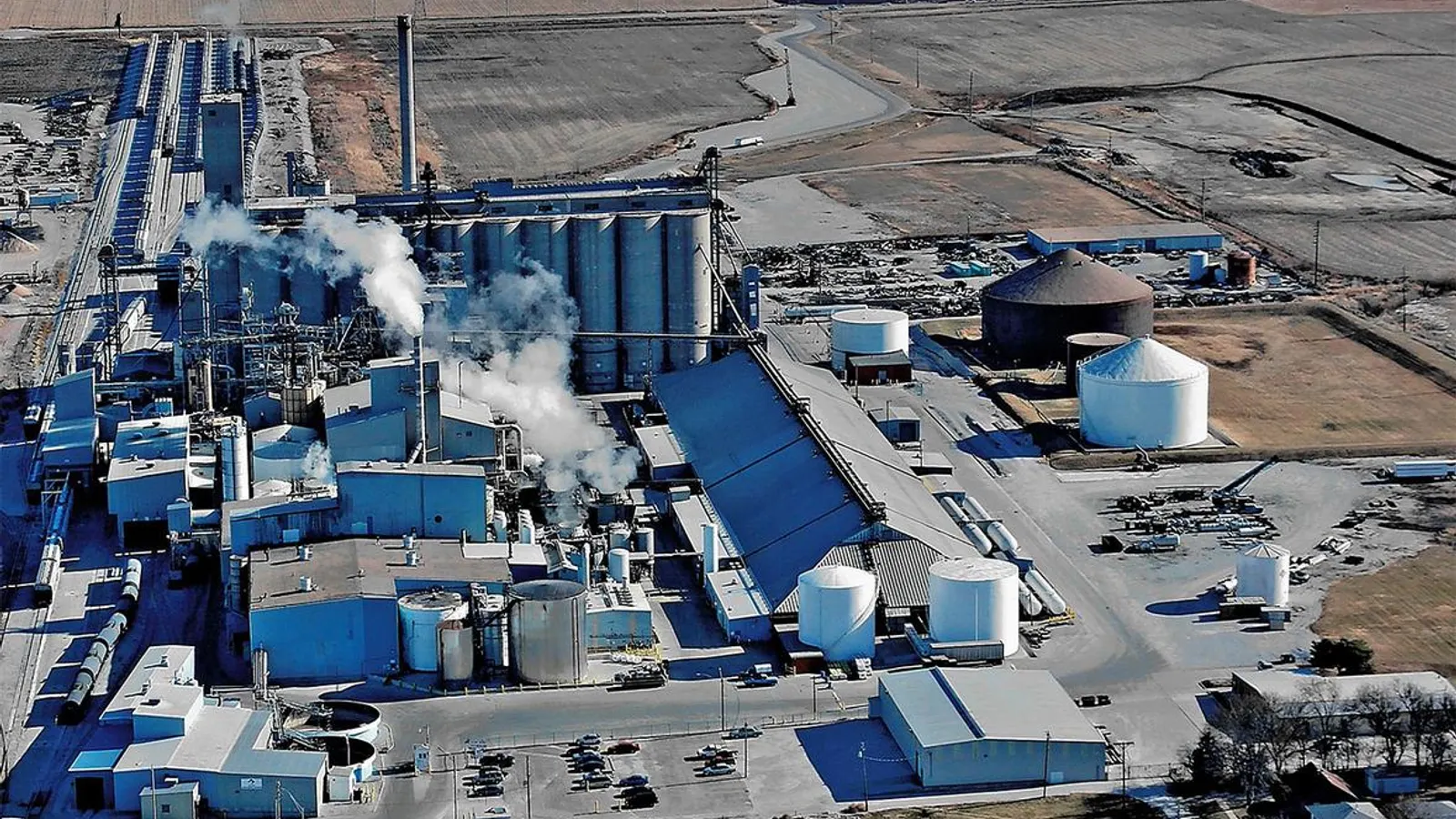
- Lincoln, Nebraska: This facility, which serves as a flagship operation in the Midwest, is undergoing a "debottlenecking" process. By removing structural and operational constraints in the production line, the plant is expected to achieve higher utilization rates without the need for a full-scale facility rebuild.
- Spiritwood, North Dakota: In a joint venture with Marathon Petroleum, ADM is implementing select equipment improvements. This partnership remains a critical component of the company’s strategy to integrate agricultural processing directly with the renewable diesel supply chain.
These projects are slated for completion between 2028 and 2029, keeping the company within its aggressive, yet disciplined, capital-expenditure range of $1.3 billion to $1.5 billion for the 2026 fiscal year.
A Chronology of Strategic Growth
ADM’s current U.S. investment spree is not an isolated event; rather, it is the continuation of a global momentum that began in earnest over the last 24 months. The company’s trajectory has been characterized by a "phase-based" approach, prioritizing regions with the strongest domestic biofuels markets and the most favorable regulatory environments.
Phase 1: The South American Foundation
Before turning its focus back to the North American heartland, ADM successfully executed capacity increases at two major facilities in Brazil last year. This momentum continued into 2026 with the successful completion of an extension at the company’s facility in Uberlândia, Brazil. These South American assets have provided a blueprint for how ADM intends to manage scaling: by integrating high-efficiency processing with proximity to raw agricultural commodities.
Phase 2: The 2026 Mid-Year Pivot
In May 2026, the company announced a significant multimillion-dollar investment in its corn processing facility in Clinton, Iowa. By adding two high-speed receiving pits—each capable of processing 25,000 bushels per hour—ADM demonstrated its commitment to reducing "wait-time" and improving the velocity of grain movement. This project, scheduled for completion by the end of 2026, serves as a precursor to the larger oilseed crush expansions announced later in the summer.
Phase 3: Future Outlook
With the identification of six additional facilities for potential expansion, ADM is effectively moving into a "Phase 2" of its domestic growth strategy. Executives noted that these future candidates were selected based on their potential for high returns on invested capital (ROIC) and their ability to integrate into the existing renewable fuel infrastructure.

Supporting Data: Why the Surge?
The driving force behind these capital-intensive projects is a structural shift in the global energy market. The demand for renewable diesel and sustainable aviation fuel (SAF) has created a "super-cycle" for vegetable oils, which are increasingly being diverted from food-grade applications to energy-grade feedstocks.
- Market Drivers: Elevated global energy prices have bolstered the profitability of biofuels. When crude oil prices remain volatile, the margin spread for renewable diesel becomes increasingly attractive for processors like ADM.
- Regulatory Tailwinds: Both in the United States and Brazil, government-mandated renewable fuel standards (RFS) and carbon-intensity credits provide a stable revenue floor for producers. This regulatory certainty allows ADM to commit to multi-year capital projects with a higher degree of confidence in long-term demand.
- Financial Discipline: Despite the massive scale of these projects, ADM has maintained a disciplined financial posture. By keeping these expansions within the $1.3–$1.5 billion CAPEX budget, the company is signaling to shareholders that it can scale its industrial footprint without compromising its balance sheet or dividend reliability.
Official Responses and Strategic Rationale
In addressing shareholders and industry analysts, ADM executives have emphasized that these investments are not merely about increasing volume; they are about increasing the flexibility of their assets.
"We are choosing projects that offer the most attractive returns in an evolving market," a company spokesperson noted. By focusing on "debottlenecking" and equipment upgrades rather than exclusively building "greenfield" (new) sites, ADM is optimizing its existing capital footprint. This approach reduces the environmental impact of construction and significantly lowers the time-to-market for increased capacity.
The joint venture with Marathon Petroleum at Spiritwood serves as a prime example of the company’s "integrated model." By partnering with a traditional energy major, ADM secures an off-take agreement for its processed products, effectively insulating the facility from the price volatility of the open market.
Implications: The Future of the Agri-Industrial Complex
The implications of ADM’s expansion strategy are far-reaching, affecting everything from local farm-gate prices to the broader energy transition.

1. Impact on the Agricultural Supply Chain
For the American farmer, the expansion of crushing facilities is largely a positive development. Increased crush capacity in regions like Nebraska and Indiana creates a more competitive local market for soybeans and corn. With more facilities capable of processing grain at higher speeds, producers can expect lower wait times at elevators and potentially tighter basis levels during the harvest season.
2. The Biofuel-Food Nexus
However, the rapid pivot toward energy-grade feedstocks raises questions about the long-term supply balance between food and fuel. As ADM and its competitors continue to dedicate a larger share of the harvest to the energy sector, the agriculture industry faces a delicate balancing act. ADM’s strategy of utilizing "debottlenecking" and modular upgrades is a hedge against this, allowing the company to ramp up efficiency to meet both food and energy demands simultaneously.
3. A Model for Industry Peers
ADM’s approach is likely to set the standard for the broader agribusiness sector. As companies like Bunge, Cargill, and others look to capture market share in the renewable space, the focus on asset optimization—rather than speculative, large-scale construction—will likely become the industry-wide norm. The "six identified facilities" that ADM has flagged for future growth suggest that the company intends to maintain its leadership position, keeping its competitors in a constant state of reaction.
4. Sustainability and ESG Goals
Crucially, these expansions are aligned with the company’s sustainability commitments. By increasing the efficiency of its plants and facilitating the production of lower-carbon fuels, ADM is positioning itself as a core component of the global climate change solution. Whether these projects will meet the stringent Scope 3 emission targets remains a subject for ongoing analysis, but the shift toward higher-value, lower-carbon products is a clear move toward a more sustainable business model.
Conclusion
Archer-Daniels-Midland is currently executing a masterful transition. By leveraging its global reach and focusing on targeted, high-return infrastructure investments, the company is successfully bridging the gap between traditional agricultural production and the future of renewable energy. As the four U.S. projects move toward their 2028-2029 completion dates, the industry will be watching closely to see if the "six additional facilities" identified by executives move from the planning phase into full-scale implementation. One thing is clear: in the race to power the world with renewable energy, ADM is not just a participant; it is defining the infrastructure of the future.
