




In the world of professional motorsports, we are accustomed to the precision of Formula 1, the raw power of Top Fuel dragsters, and the endurance of Le Mans. Yet, there exists a niche, adrenaline-fueled subculture that blends the urgency of emergency response with the mechanical excess of hot-rodding. This is the world of New York State Fire Department (NYS FD) motorized drill racing—a sport where fire trucks are stripped, tuned, and pushed to the absolute limit to perform feats of athletic and mechanical insanity.
The Intersection of Utility and Velocity
At its core, the NYS FD drill competition is a test of skill, agility, and, perhaps most importantly, pure speed. While the casual observer might equate fire trucks with heavy, lumbering apparatus, the vehicles utilized in these competitions are anything but. These are custom-built, lightweight monsters designed for one singular purpose: to execute complex tactical maneuvers in a fraction of the time it would take a standard fire engine.
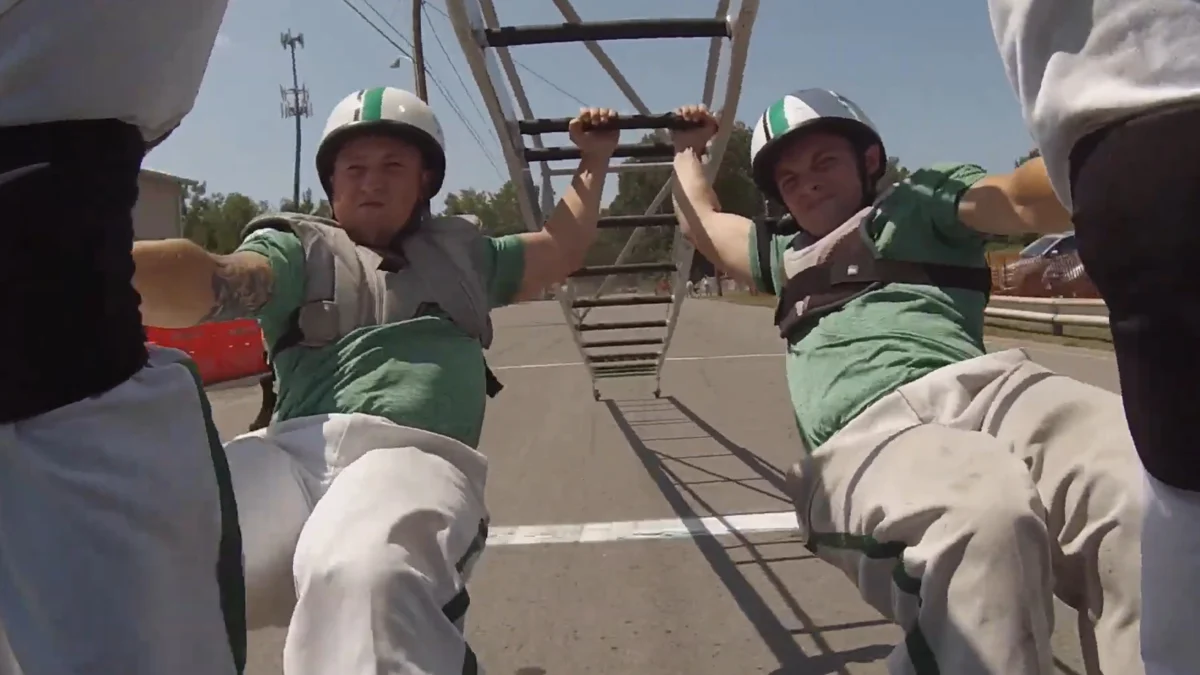
The most famous—and arguably most terrifying—of these events is the "C-Ladder" drill. In this competition, a modified truck accelerates from a dead stop, carrying a team of firefighters on the rear. As the vehicle tears down the track, the team must deploy a heavy ladder while the truck is still in motion, maneuver it into position, and have a member scale the rungs to reach a designated gantry. It is a spectacle that sits squarely at the intersection of drag racing and American Ninja Warrior.
Chronology: From Station Duty to the Race Track
The origins of motorized fire drills are rooted in the early 20th century. Fire departments, recognizing that speed was the most critical factor in life-saving operations, began internal competitions to see which company could deploy equipment the fastest. Over decades, these friendly wagers evolved from simple station-house contests into a formal, highly regulated sport governed by strict rulebooks and intense regional rivalries.
The Evolution of the "Drill"
- Early 1900s: Informal, localized foot-races involving hand-drawn apparatus.
- 1950s–1970s: The transition to motorized vehicles. Teams began stripping down older trucks, removing non-essential equipment to save weight and improve power-to-weight ratios.
- 1990s to Present: The standardization of the "drill truck." The sport saw an influx of custom-engineered chassis, specialized transmission tuning, and the development of proprietary mechanical configurations that define the modern era of the sport.
Today, the NYS drill season is a calendar-spanning commitment. Teams train for months, meticulously maintaining their machines and honing their physical coordination. The season culminates in regional meets where pride, bragging rights, and the coveted championship titles are on the line.
Technical Specifications: The Anatomy of a Drill Truck
To the uninitiated, these vehicles look like a bizarre hybrid of a pickup truck and a heavy-duty ladder rack. However, the rulebook governing these machines is surprisingly stringent. While they are built for speed, they are not "run what you brung" contraptions.
Mechanical Limitations and Engineering Hurdles
The regulatory framework for these vehicles ensures that, while modified, they remain within the bounds of "fire apparatus." Key restrictions include:
- Engine Displacement: Competition rules cap the engine size at 440 cubic inches, typically utilizing naturally aspirated V8s to ensure parity.
- Weight and Dimensions: Strict limitations on vehicle length and wheelbase prevent teams from building overly long, dragster-style frames.
- Chassis and Safety: Despite the focus on speed, all four corners must be equipped with functional brakes. The vehicles must also adhere to specific safety protocols to protect the firefighters who are effectively standing on a high-speed moving platform.
- The "No-Wheelie-Bar" Clause: Perhaps the most daunting rule is the prohibition of wheelie bars. When a truck launches with the force required to hit top speed in a short distance, the front end often rises significantly. Drivers must manage this torque-induced lift without the safety net of rear stabilization, making the launch a masterclass in throttle control.
The Human Element: Athleticism Under Pressure
What separates this motorsport from traditional racing is the role of the human crew. In a standard race car, the driver is the sole participant. In an NYS FD drill, the "truck" is merely the vessel. The success of the run relies on the synchronization of the ladder team.
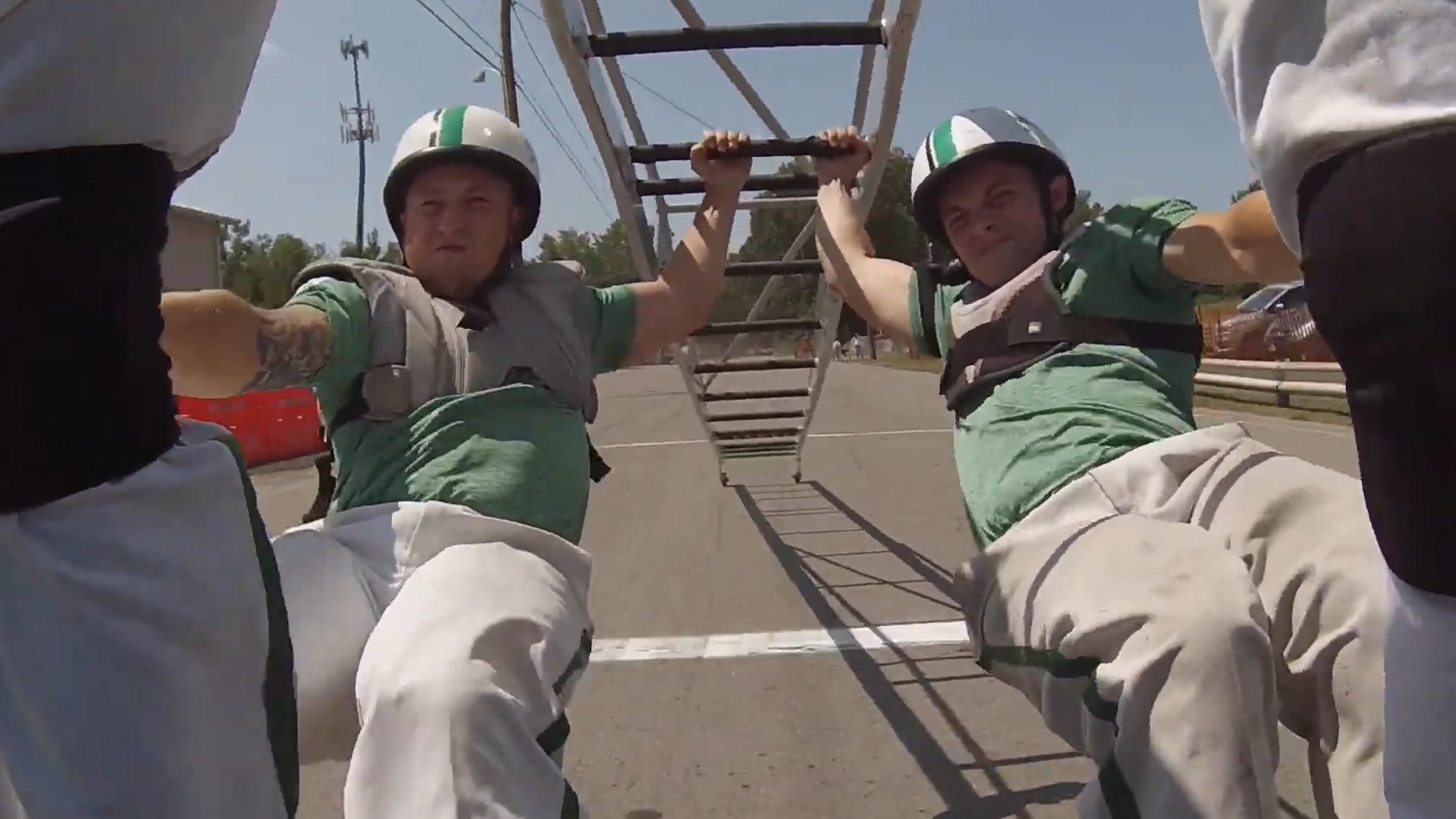
These men and women are not merely passengers; they are high-performance athletes. During a C-Ladder run, the timing of the "drop"—when the team leaps from the truck to deploy the ladder—is measured in milliseconds. If the timing is off by even a fraction, the ladder could collide with the truck, the ground, or the gantry. The physical toll of these events is significant, requiring core strength, explosive speed, and an unwavering level of trust in one’s teammates.
Official Perspectives and Safety Implications
The question often arises: Why risk injury for a drill? The answer, according to participants, is twofold: physical readiness and heritage.
"We aren’t just racing for the trophy," says one veteran drill team member. "We are racing to keep our reflexes sharp. When you are operating under the stress of a competition, you are training your brain to ignore the noise and focus on the task. That is exactly what you need when you’re on a real-world call."
However, safety remains a point of contention. Critics argue that the inherent dangers of riding on the back of an accelerating truck outweigh the benefits of the training. Yet, organizers point to the safety record of sanctioned events. By implementing strict equipment standards—such as the prohibition of dually wheels, which could lead to stability issues—the leagues have managed to keep the sport "contained" within a manageable risk profile. The culture of the sport is one of extreme mutual accountability; because these teams are composed of first responders, they are acutely aware of the consequences of mechanical or human failure.
Implications for the Future of Motorsport
As the automotive industry pivots toward electrification, the world of motorized drill racing faces an interesting crossroads. Could we see the first electric fire drill truck? The instant torque of an electric drivetrain would be perfectly suited to the "dig" (the launch), potentially shattering current speed records.
Furthermore, the sport serves as a reminder that competition breeds innovation. The engineering solutions developed by these teams to make their trucks lighter, faster, and more maneuverable often mirror the same problems faced by engineers in the performance aftermarket industry.
Conclusion: The Spectacle of Duty
The motorized ladder drill is, undeniably, an anomaly. It is loud, it is fast, and it is frequently chaotic. But it is also a profound expression of a professional culture that values teamwork, mechanical ingenuity, and the relentless pursuit of perfection.
Whether or not one views these drills as practical, their place in the landscape of regional motorsport is secure. They represent the "no-BS" side of the automotive world—where performance isn’t measured by a spec sheet or a marketing brochure, but by how fast a team can reach a gantry, deploy a ladder, and secure a victory. As long as there are firefighters with a competitive spirit and a set of wrenches, the roar of these engines will continue to echo across the tracks of New York, a testament to the fact that when it comes to the fire service, everything is a race against time.
