
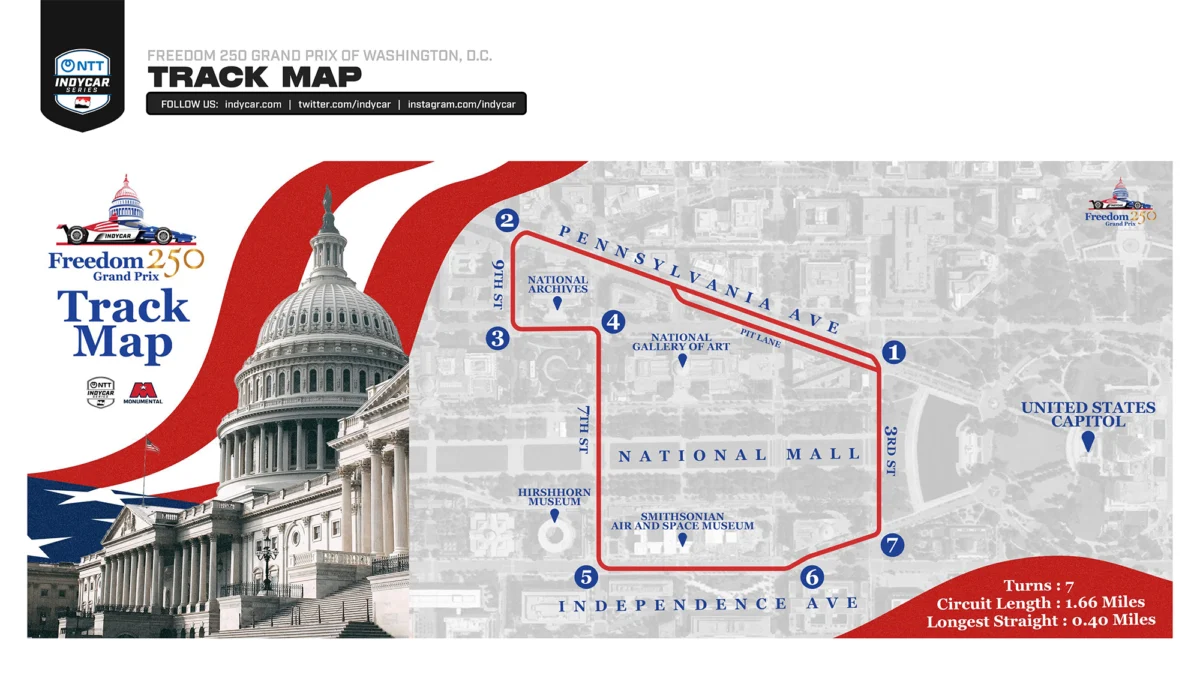
In the rapidly evolving landscape of 2026, where electrification and autonomous racing dominate the headlines, the sudden, thunderous return of the International Race of Champions (IROC) to the streets of Washington, D.C., served as a jarring, beautiful anachronism. Last weekend, while the global media was fixated on the IndyCar Freedom 250—the capital’s inaugural street circuit spectacle—a quiet tremor of nostalgia occurred in the shadow of the monuments.
Legends of the golden era of American stock car racing, including Jeff Gordon, Bill Elliott, Bobby Labonte, and Rusty Wallace, strapped into the iconic, snarling Pontiac Trans Ams and Firebirds of yesteryear to trade paint. The event, which materialized with almost zero mainstream fanfare, left many industry insiders and die-hard fans wondering: How did a grid of legendary drivers and V8-powered relics stage a high-stakes revival without the world knowing until the checkered flag had already flown?
A Chronology of the Secret Sunday
The weekend’s schedule was anchored by the IndyCar Freedom 250, a 147-lap marathon through the heart of D.C. that attracted massive sponsorship, international broadcast crews, and political attention. However, sandwiched within the tight logistical windows of the city’s first street race, the IROC exhibition was relegated to the periphery.
Friday and Saturday were characterized by hushed paddock activity. While the IndyCar teams were under the microscope of the media, the IROC participants—a collection of drivers whose combined championships and race wins represent the spine of American motorsport history—conducted their practice and qualifying sessions in relative solitude.
By Sunday morning, the air in the nation’s capital was thick with the scent of unburnt race fuel and the distinct, guttural roar of the late-90s V8 engines. As the IndyCar field prepared for their main event, the IROC cars took to the pavement for two 10-lap sprints. The racing was anything but a "parade lap." These drivers, despite their years away from the professional circuit, displayed the same aggressive, surgical precision that defined their careers at the turn of the millennium.
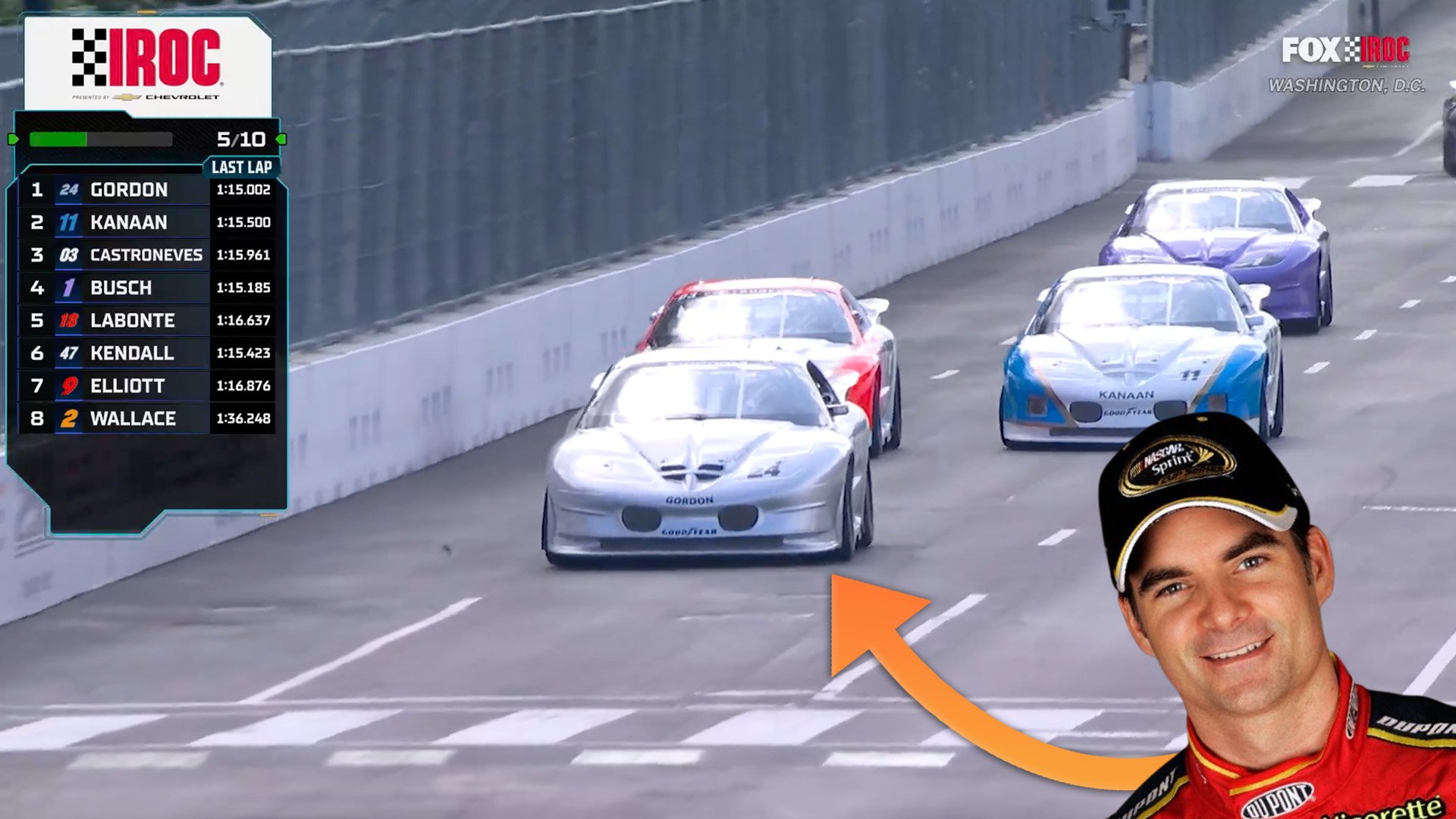
Jeff Gordon, reunited with legendary crew chief Ray Evernham, displayed an uncanny ability to navigate the tight D.C. street course, sweeping both 10-lap contests. The sight of the "Wonder Boy" maneuvering an IROC-spec machine with modern finesse provided a bridge between the 1990s and the present day, leaving spectators in the grandstands to wonder if they were witnessing a miracle or a time warp.
The Data: A Tale of Two Series
The disparity in coverage between the IndyCar Freedom 250 and the IROC exhibition highlights a shifting paradigm in sports marketing. The Freedom 250, won by Kyle Kirkwood, was a masterclass in modern logistical execution, utilizing the latest in track-mapping and telemetry. It was a race that looked forward.
Conversely, the IROC exhibition was a reminder of the power of the past. Data from social media engagement suggests that while the general public was funneled toward the IndyCar coverage, the niche racing community was sent into a frenzy once the first images of the Pontiac Firebirds on Pennsylvania Avenue hit the internet.
Performance Metrics of the IROC Exhibition
- Engine Specs: Naturally aspirated V8s producing upwards of 500 horsepower, stripped of modern electronic driver aids.
- Driver Age Range: From 55 (Jeff Gordon) to 70 (Bill Elliott), proving that the "old guard" retains the reflexes required for high-stakes street racing.
- Circuit Impact: Utilizing the same 147-lap configuration as the Freedom 250, the IROC cars struggled with the tight chicanes, requiring drivers to rely heavily on throttle modulation—a skill set that is rapidly becoming a lost art in the era of high-downforce, paddle-shifted race cars.
The "Marketing Gap": Why the Silence?
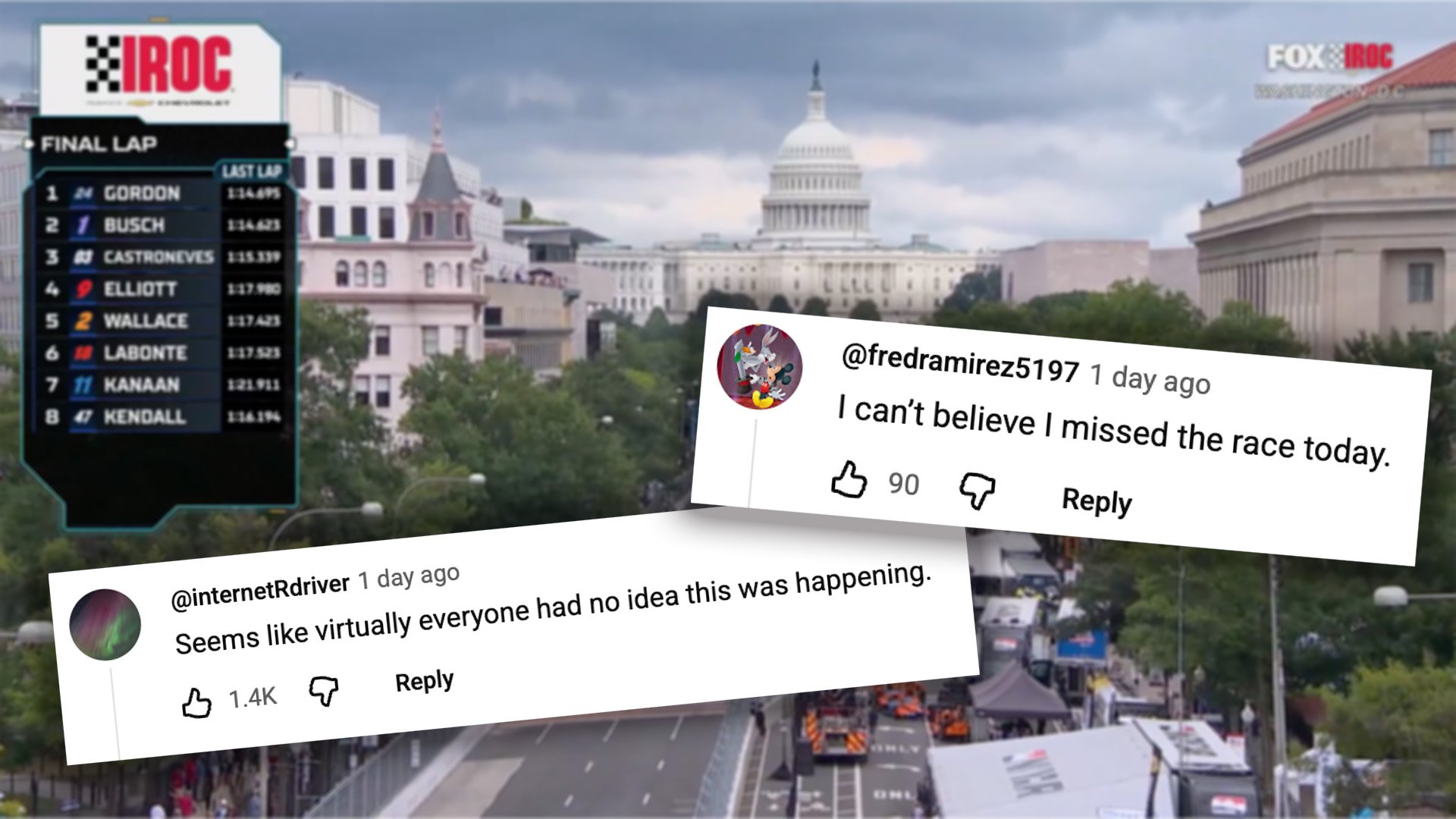
The central question remains: Why was there such a disconnect between the magnitude of the event and the public awareness? Industry analysts point toward a fragmentation of the broadcast rights ecosystem. With Fox acting as the primary partner for the IROC exhibition, the marketing budget was likely funneled into a "surprise and delight" strategy, or perhaps, hampered by the overwhelming dominance of the IndyCar promotional machine.
In an age where every move of a professional athlete is tracked, documented, and leaked by insiders, the silence surrounding the IROC event was almost refreshing. However, it also served as a cautionary tale. Fans expressed frustration across social media platforms, noting that they would have traveled across the country to see "Awesome Bill from Dawsonville" one more time had they been given the notice.
Official Responses and Behind-the-Scenes Reality
Following the conclusion of the race, the official statements were brief. Representatives for the IROC organizers cited "logistical complexities" and "permitting constraints within the District" as reasons for the low-profile marketing.
"We wanted to focus on the purity of the racing," said a source close to the Evernham-Gordon camp. "This wasn’t about selling sponsorships or filling the stands with casual fans. It was about seeing if we could still do it. It was about the machine, the history, and the brotherhood of the drivers."
While the D.C. authorities were cooperative, the city’s strict noise and environmental ordinances for street closures likely played a role in keeping the IROC event under wraps. By limiting the publicity, organizers avoided the "circus" atmosphere that often plagues high-profile street races, allowing the drivers to focus on the competition rather than the corporate obligations.
The Implications: Is There a Future for "Retro" Racing?
The success of the D.C. IROC races, both in terms of on-track safety and the undeniable spectacle, raises a significant question: Does the market have a place for "exhibition-only" retro series?
For decades, the industry has been obsessed with the "next big thing." From electric drivetrains to hydrogen fuel cells, the focus is always on the horizon. Yet, the viral response to the footage of Jeff Gordon and Kurt Busch battling for the lead suggests that the hunger for mechanical purity is not just alive—it is starving.

Implications for Future Motorsport Events:
- The "Nostalgia Premium": Promoters may find that integrating historic race series into modern weekends provides a significant boost to ticket sales, provided that the marketing is handled with the same vigor as the primary event.
- Driver Longevity: The fact that 70-year-old legends are still capable of putting on a competitive show suggests that "Legends" series could be a viable standalone business model, provided the machinery remains within a safe, manageable performance envelope.
- Broadcast Strategy: The "stealth" approach, while appreciated by some for its lack of commercial interference, is clearly unsustainable for the long-term health of any series. Future iterations will likely require a robust, multi-platform digital campaign to ensure that the fans who care most are actually in the seats.
Conclusion: A Moment Frozen in Time
As the dust settles on the streets of Washington, the event stands as a peculiar, singular moment in 2026. It was a race that felt like it belonged in a different decade, held in a city that is obsessed with the future.
Whether this remains a "one-and-done" phenomenon or the catalyst for a renewed IROC-style series remains to be seen. However, one thing is certain: those who were lucky enough to witness the roar of those Pontiac V8s echoing off the stone walls of the capital will not soon forget it. It was a reminder that while technology advances and the world moves on, the visceral, raw experience of man and machine pushing to the limit never truly goes out of style.
For now, the cars are back in the hauler, the drivers have returned to their retirement or broadcasting booths, and the streets of D.C. have returned to their quiet, bureaucratic hum. But the precedent has been set. Motorsport, at its heart, is a human endeavor—and as long as there are legends left to drive, there will always be a crowd waiting to watch, even if they have to search a little harder to find where the start line is.
