





By Industry Desk
Published August 25, 2026
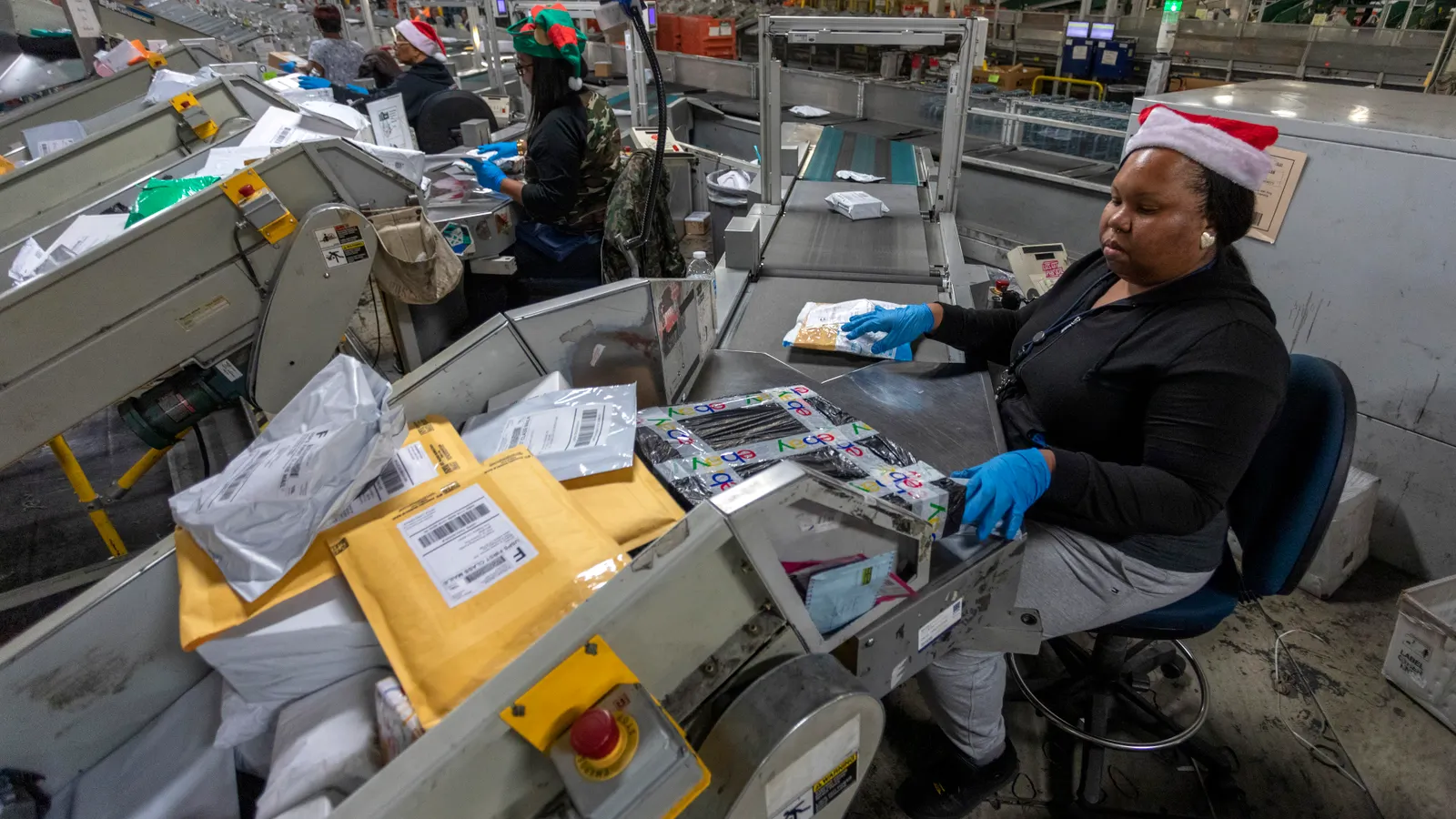
As the logistics industry prepares for the critical end-of-year rush, the United States Postal Service (USPS) has officially confirmed a strategic shift in its pricing architecture. According to an agency filing submitted this Tuesday, the Postal Service will implement a temporary 6% average rate hike across its most popular package shipping services. This seasonal adjustment, designed to mitigate the operational strain of the holiday surge, is slated to begin on October 4 and will remain in effect through January 17, 2027.
The move marks a notable uptick in holiday pricing compared to previous years, reflecting a broader trend of rising logistics costs and the aggressive pursuit of financial sustainability by the agency. As retailers and e-commerce giants brace for the upcoming peak season, the USPS announcement serves as a final piece of the puzzle in a year defined by volatile shipping expenditures.
The Core Facts: A New Baseline for Holiday Logistics
The upcoming surcharge is not a blanket increase but rather a nuanced adjustment affecting specific service tiers. Pending final review by the Postal Regulatory Commission (PRC), the rate hikes will impact retail and commercial versions of the following services:
- USPS Ground Advantage
- Priority Mail
- Priority Mail Express
- Parcel Select
For shippers, the financial impact will be highly variable, depending on a triad of factors: the service level selected, the total weight of the parcel, and the shipping zone (distance). The agency has provided examples to illustrate this complexity: a three-pound commercial Ground Advantage package traveling to Zone 1 will see a $0.40 increase, while a significantly heavier 25-pound Priority Mail Express package traveling to Zone 5 will incur a substantial $10.50 premium.
By implementing these changes on October 4, the USPS is positioning itself to capture revenue during the early start of holiday shopping, which has shifted earlier in the calendar due to consumer demand for longer promotional periods.
Chronology of Cost: A Year of Pricing Volatility
To understand the weight of this 6% increase, one must view it within the context of the 2026 fiscal calendar. The logistics landscape has been anything but stable for shippers this year.
The Spring Precedent
In April 2026, the USPS implemented an 8% price hike on package services, largely attributed to rising fuel costs and the necessity of maintaining service reliability. Notably, that increase was designed to last through January 17, meaning that the new holiday surcharge will effectively stack on top of the existing April rate structure. For high-volume shippers, this creates a cumulative upward pressure on shipping margins that began mid-year and will persist deep into the first month of 2027.
The Competitive Landscape
The USPS is not acting in a vacuum. Major carriers have been signaling their own peak-season strategies for months:
- July 2026: FedEx unveiled its peak-season fee structure, focusing on higher home delivery costs and surcharges for residential volume surges.
- August 2026: OnTrac confirmed its own surge in surcharges, set to run from October 24 through January 15, 2027.
- The UPS Factor: As of late August, UPS has yet to release its formal peak-season surcharge schedule, leaving a significant segment of the market waiting for a clearer picture of the total cost landscape.
Supporting Data: Analyzing the 6% Increase
When compared to the 2025 holiday season, the 2026 hike represents a clear acceleration in pricing strategy. Last year, the USPS implemented holiday surcharges that ranged from 4.9% to 5.8%. The jump to a 6% average signals that the Postal Service is adopting a more aggressive posture to cover the costs of labor, transportation, and infrastructure maintenance during the peak window.
Why the Increase?
The USPS justifies these measures by citing "competitive practices" and the need to offset the extreme operational costs associated with the holiday spike. During the fourth quarter, the agency must scale its workforce, rent additional warehouse space, and manage a massive influx of last-mile deliveries.
Economists tracking the supply chain note that while fuel prices have stabilized somewhat, labor costs and the maintenance of an aging fleet remain significant burdens. By front-loading these costs onto the holiday season, the USPS is attempting to shield its core, year-round pricing from the volatility of the peak months.

Official Responses and Strategic Rationale
In its official news release, the USPS stated: "This seasonal adjustment will bring prices for the Postal Service’s retail and commercial customers in line with competitive practices."
The language is deliberate. By framing the hike as an alignment with "competitive practices," the USPS is signaling to the market that it is no longer attempting to be the "discount" option during high-demand periods. Instead, it is pivoting toward a model that treats capacity as a premium resource.
For the Postal Regulatory Commission, the task will be to determine if these rates are fair and reasonable under the current regulatory framework. However, given the agency’s ongoing mandate to achieve financial self-sufficiency under its 10-year "Delivering for America" plan, observers expect the commission to approve the filing with minimal friction.
Implications for Shippers: Navigating the Surge
For retailers, e-commerce brands, and individual shippers, the 6% surcharge necessitates a proactive approach to shipping management.
1. Re-evaluating Logistics Budgets
The cumulative impact of the April 8% hike and the October 6% surcharge creates a challenging environment for businesses operating on thin margins. Companies that have not yet updated their shipping calculators or adjusted their "Free Shipping" thresholds may find their profitability severely eroded in Q4.
2. The Shift to Ground Advantage
USPS Ground Advantage has become the workhorse of the agency’s parcel strategy. Shippers should focus on optimizing the weight and dimensions of packages specifically for this service, as it remains the most cost-effective alternative to express options. However, with the surcharge applying to this service as well, shippers must be wary of "dimensional weight" traps.

3. Early Planning and Diversification
The early October start date for these surcharges means that "early-bird" holiday shoppers will be paying premium shipping rates as soon as the first wave of fall sales begins. Shippers should consider diversifying their carrier mix—using a combination of regional carriers (like OnTrac) and national carriers—to balance the load and avoid triggering the highest-tier surcharges from any single provider.
4. Communication with Consumers
Transparency is key. Many businesses are opting to clearly delineate shipping costs at checkout or adjust their minimum-spend requirements for free shipping to account for these external pressures. Consumer awareness of "supply chain inflation" is at an all-time high, making this an opportune time for businesses to communicate the reality of logistics costs.
Conclusion: A New Standard for the Peak Season
The 2026 holiday season is shaping up to be one of the most expensive in recent memory from a logistics standpoint. By announcing a 6% surcharge, the USPS has solidified its commitment to recovering the costs of high-volume demand.
As we look toward the winter, the industry will be watching to see how volume reacts to these higher price points. Will consumers pivot away from online shopping to mitigate the shipping costs built into retail prices? Or has the convenience of home delivery become so deeply entrenched that these surcharges are simply accepted as a new cost of doing business?
For now, the mandate for shippers is clear: Audit your shipping costs, optimize your parcel sizes, and prepare for a peak season where agility and data-driven decision-making will determine who survives the holiday crunch and who succumbs to the rising tide of operational overhead. The "postal premium" is here to stay, and for the remainder of 2026, it will be the defining factor in the movement of goods across the nation.
