




The global fashion industry is currently navigating a profound identity crisis. As major retailers pledge their commitment to sustainability, human rights, and the ethical treatment of labor, the reality on the ground often tells a starkly different story. A recent controversy involving the Turkish textile and apparel manufacturer Eroğlu Giyim has brought this disconnect into sharp focus, sparking an international debate about corporate accountability and the erosion of worker rights in the pursuit of lower production costs.
Eroğlu Giyim, a major supplier for industry giants such as H&M Group, Inditex (the parent company of Zara), and PVH (owner of Calvin Klein and Tommy Hilfiger), stands accused of systemic union-busting and the suppression of worker protests. The conflict arises from the manufacturer’s strategic shift in operations, moving production from Turkey to Egypt—a transition that has left thousands of workers in its home country jobless and their collective bargaining rights trampled.
The Chronology of Conflict: From Turkey to the Suez Canal
The tension surrounding Eroğlu Giyim did not materialize overnight. It is the culmination of a broader, structural shift within the Turkish textile sector, where rising operational costs have prompted manufacturers to relocate production hubs to regions with more favorable economic conditions.
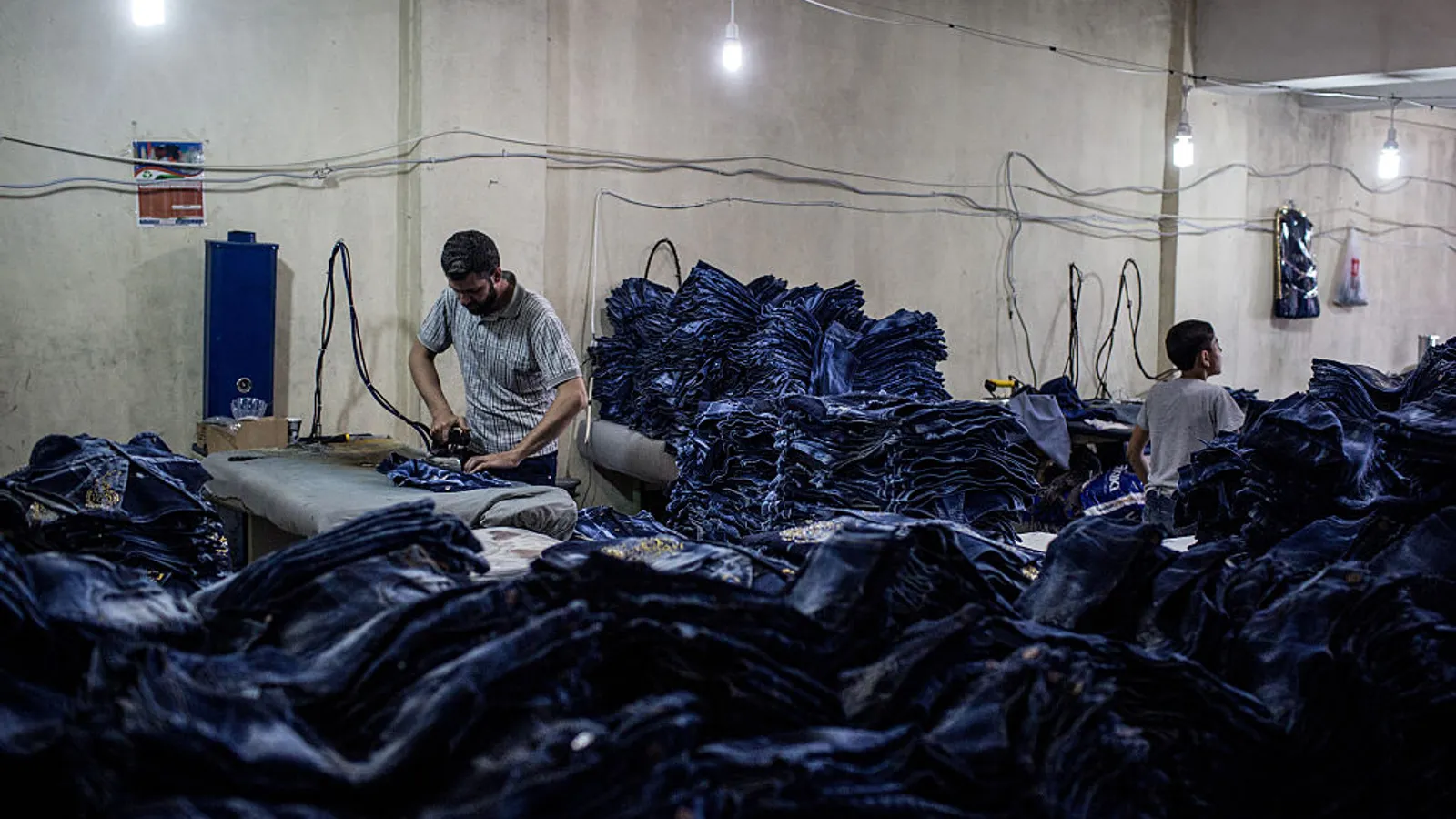
- The Strategic Pivot (2025–2026): Eroğlu Giyim began a significant downsizing of its Turkish footprint. According to the garment workers’ union Öz İplik-İş, the manufacturer closed its facility in Aksaray in 2025, followed by a second closure in Çorlu in 2026. These two closures alone resulted in the loss of more than 3,000 jobs.
- The Avcılar Standoff (April 2024): As the company signaled its move toward full production in the Suez Canal Economic Zone and Ismailia, Egypt, workers at the company’s Avcılar factory in Istanbul attempted to engage in collective bargaining. The union, Öz İplik-İş, reported that management abruptly severed all communication channels.
- The April 30 Strike: In response to the refusal to negotiate and the looming threat of further job losses, workers launched a strike on April 30 at the Avcılar site. The action was met with immediate hostility; workers alleged they were threatened with summary dismissal if they chose to participate.
- The August Accusation (August 2024): By early August, the situation had reached a boiling point. In a formal press release dated August 7, Öz İplik-İş issued a blistering critique of the global brands associated with Eroğlu Giyim, demanding that these corporations assume responsibility for the human rights violations occurring within their supply chains.
The Illusion of Sustainability: Marketing vs. Reality
Eroğlu Giyim’s public-facing image is one of modernization and environmental consciousness. Its website boasts that its denim speaks of a "conscientious choice for a greener planet," highlighting water-saving innovations and eco-friendly manufacturing processes. However, this narrative of "green" production sits uncomfortably alongside the company’s current operational transparency.
While the website claims that the company maintains a physical presence in Istanbul, its own supply chain documentation reveals a significant shift. The Istanbul headquarters now serves purely as a management, sales, and design hub. All tangible production has been offshored to the Suez Canal Economic Zone. This "hollowing out" of the Turkish workforce, while perhaps economically logical for the firm, has effectively dismantled the leverage of local labor unions, leaving workers without a seat at the table when decisions affecting their livelihoods are made.
Supporting Data: The Systematic Erasure of Labor Representation
The plight of the Eroğlu Giyim workers is not an isolated incident; it is a symptomatic failure of the global garment industry. A 2025 report by Amnesty International sheds light on the scale of this issue, analyzing the supply chains of 21 major global brands.
The data is damning:
- The Union Deficit: Of the 269 factories examined that produce goods for H&M in Bangladesh, India, Sri Lanka, and Pakistan, only 37—or roughly 13.7%—have recognized trade unions.
- The Code of Conduct Gap: All 21 brands studied by Amnesty possessed robust codes of conduct and explicit human rights policies. Yet, despite these commitments, the report found that independent trade unions remain virtually non-existent across these key manufacturing hubs.
- Structural Complicity: The union, Öz İplik-İş, argues that silence from major fashion brands is not neutrality; it is active complicity. By maintaining contracts with suppliers who suppress unionization, brands indirectly subsidize the violation of their own internal policies.
Official Responses and the Corporate Responsibility Dilemma
The brands named in the controversy—H&M, Inditex, and PVH—are all signatories to the Action, Collaboration, Transformation (ACT) initiative, an agreement specifically designed to protect workers’ rights and promote living wages through collective bargaining.
When approached for comment, an H&M spokesperson told ESG Dive:
"As clearly stated in our Sustainability Commitment that all our suppliers must sign and comply with, freedom of association and the right to collective bargaining must be recognized and respected. Together with other brands, we are in consistent communication with Öz İplik-İş about this case. We are in touch with management to ensure that they understand our expectations on freedom of association and encourage a solution-oriented dialogue."
However, this rhetoric has been met with skepticism by labor advocates. The experience of workers in India, where an H&M supplier closed a unionized factory in 2020 and where rampant sexual violence was reported in 2021, serves as a grim precedent. In those instances, the brand’s "expectations" and "dialogue" failed to prevent significant harm to the workforce.
As of the time of this writing, both Inditex and PVH have remained silent, declining or failing to respond to requests for comment. This lack of engagement reinforces the union’s contention that these companies prefer to operate behind the veil of corporate social responsibility (CSR) reports rather than addressing the messy, uncomfortable realities of their supply chains.
Implications: The Future of Global Supply Chains
The Eroğlu Giyim case carries significant implications for the future of the apparel industry.
- Legal and Regulatory Pressure: With the European Union and other jurisdictions moving toward mandatory human rights due diligence, the "deniability" defense used by global brands is becoming obsolete. Companies can no longer claim they are unaware of the labor practices of their tier-one or tier-two suppliers.
- The Rise of Union Solidarity: The willingness of Öz İplik-İş to publicly call out global brands suggests a shift in strategy. Unions are increasingly bypassing local management to target the brand’s reputation in the Global North, where ESG (Environmental, Social, and Governance) metrics directly impact stock valuations and consumer loyalty.
- The "Flight to the Bottom": The movement of production to Egypt, while potentially offering lower costs, presents a long-term risk. If companies continue to abandon countries the moment labor begins to organize, they risk creating a perpetual cycle of exploitation that will eventually face intense regulatory scrutiny and consumer backlash.
Conclusion: A Call for Accountability
The conflict between Eroğlu Giyim and its workforce is a stark reminder that the "cost" of a garment is not merely the price of fabric and shipping. It includes the stability of communities, the right to negotiate for better conditions, and the basic human dignity of the person operating the sewing machine.
As Rafi Ay, President of Öz İplik-İş, noted in a June 4 statement: "Remaining silent in the face of practices that disregard workers’ right to organize and their right to collective bargaining is not neutrality—it is complicity in injustice."
For H&M, Inditex, and PVH, the path forward is clear but difficult. They must move beyond superficial sustainability commitments and toward active, transparent enforcement of labor rights. Until these brands use their substantial leverage to demand that their suppliers respect the freedom of association, the "conscientious choice for a greener planet" will remain a hollow marketing slogan, built upon the silent suffering of the workers who sew our clothes.
