




August 26, 2026 — As the global automotive landscape shifts toward a precarious balance of electrification, trade volatility, and consumer demand for daily-drivable performance, today’s industry news reflects a period of intense strategic recalibration. From Hyundai’s aggressive expansion of its performance and hybrid portfolios to Honda’s hesitation regarding North American infrastructure, the industry is navigating a complex transition period.
The Downshift brings you the critical analysis of these developments, unpacking what they mean for the future of the modern vehicle fleet.
I. Hyundai’s Strategic Evolution: Between "N Line" and Track-Ready Power
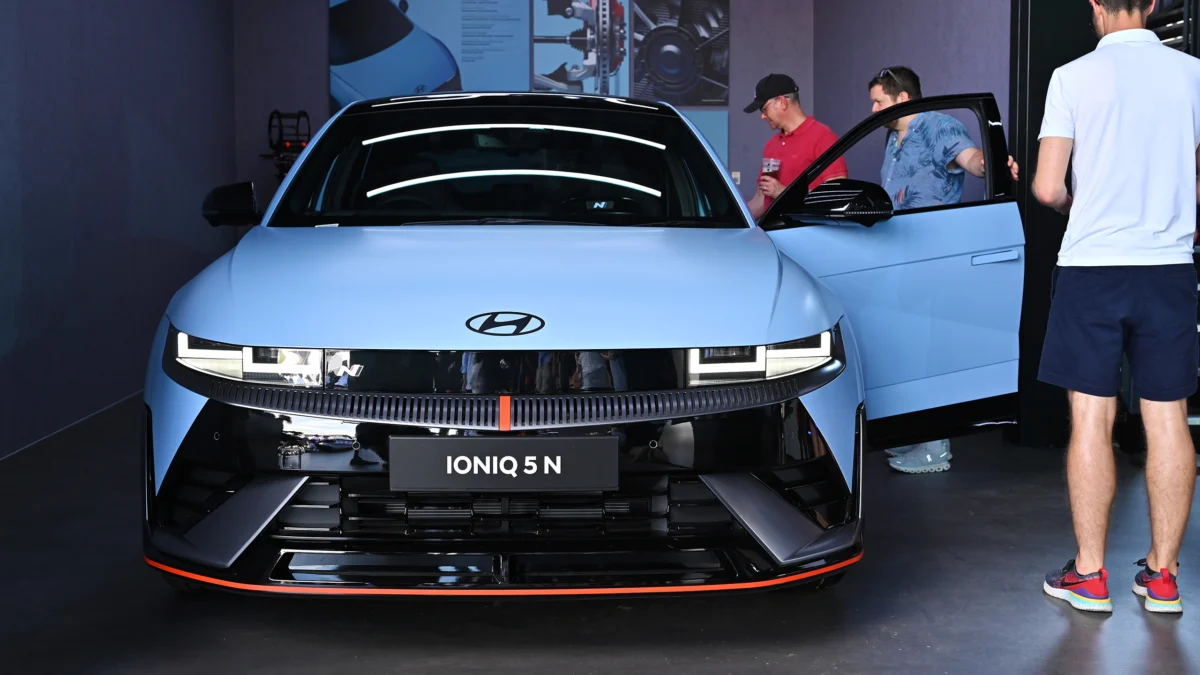
Hyundai has long been defined by its binary approach to performance: the "N Line" aesthetic packages for the casual enthusiast, and the high-octane, track-focused "N" models for the purist. However, during the company’s recent Investor Day in South Korea, CEO Jose Munoz outlined a pivotal new direction for the brand.
The Rise of the "High-Performance Variant"
Hyundai is developing a new, unnamed class of vehicles designed to bridge the chasm between basic sporty aesthetics and hardcore track capability. This "N-lite" series—as it is being dubbed by industry analysts—is intended to be a volume-driven performance category.
According to Munoz, these vehicles will utilize the performance-tuned powertrains and critical hardware found in full-blooded N models but will be tuned for the nuance of daily commuting. The goal is to provide the "feeling" of an N car during a mundane morning commute without the harsh suspension, stripped-out interiors, or exorbitant maintenance costs associated with track-only machinery. This move suggests that Hyundai is betting on a "Goldilocks" consumer segment—drivers who value performance but prioritize everyday usability.
A Hybrid Onslaught for the American Market
Simultaneous to the performance announcement, Hyundai confirmed an aggressive push into the American hybrid sector. The company plans to introduce 10 new electrified models by 2030. The objective is clear: Hyundai anticipates that by the turn of the decade, hybrids will account for 50% of its total sales volume in the United States. This pivot serves as a strategic hedge against the potential slowing of full Battery Electric Vehicle (BEV) adoption, ensuring that the brand remains relevant as consumers demand fuel efficiency without the "range anxiety" often associated with pure EVs.
II. Trade Uncertainty: Honda’s North American Infrastructure Dilemma
While Hyundai is doubling down on product expansion, Honda is sounding a note of caution regarding its manufacturing footprint. Noriya Kaihara, Executive Vice President of Honda, indicated that the company is hesitant to break ground on an eighth North American assembly plant.
The USMCA Factor
The primary hurdle, according to Kaihara, is the uncertainty surrounding the United States-Mexico-Canada Agreement (USMCA). Honda requires regulatory and trade stability to justify the multi-billion-dollar investment required for a new facility.
The company has set a two-year window to reach a definitive decision. If greenlit, the target for the plant’s operational status is 2030. However, the reluctance highlights a broader industry concern: manufacturers are increasingly wary of building long-term infrastructure in an environment where trade tariffs and regional cooperation agreements remain subject to political flux. For Honda, the risk is not just the cost of construction, but the potential for supply chain disruption if cross-border trade terms shift unexpectedly.
III. Product Pipeline: The End of the Combustion Engine?
The long-term roadmap for major automakers is becoming increasingly clear, with traditional internal combustion engines (ICE) slowly being relegated to the history books.
Honda and Acura’s Future Trajectory
Reports from Automotive News suggest a massive shift in Honda’s lineup for the next decade. The Honda CR-V and the Accord are rumored to be transitioning to hybrid-only platforms. Should this materialize, the Accord would follow in the footsteps of the Toyota Camry, effectively ending the era of the purely gasoline-powered midsize sedan for the brand.
Furthermore, the luxury arm, Acura, is reportedly developing a three-row flagship SUV, internally referred to as the "XL." Positioned above the current MDX, this vehicle is expected to debut around 2029, signaling Acura’s intent to compete in the ultra-competitive, large-luxury utility segment. This shift reinforces the industry trend toward larger, more electrified, and more technologically sophisticated family vehicles.
IV. Technical Issues and Corporate Consolidation
Not all news is related to long-term strategy; operational hurdles and corporate restructuring also defined the week.
Toyota Tacoma Recall
Toyota has initiated a recall of nearly 50,000 Tacoma TRD Off-Road trucks. The issue stems from the vehicle’s Bilstein shock absorbers, specifically the external oil reservoirs, which have demonstrated a propensity for corrosion. In extreme cases, the reservoirs may detach, creating a significant safety risk. Toyota has advised owners to utilize the National Highway Traffic Safety Administration (NHTSA) website to verify their Vehicle Identification Number (VIN) to determine if their specific truck requires a part replacement.
Lotus Tech Consolidates Power
In a major move for the British-born sports car maker, Lotus Technology—the Chinese-headquartered division of the company—has completed the acquisition of full ownership of Lotus UK and Lotus Engineering. This consolidation effectively brings the manufacturing of the Emira and the brand’s storied consultancy services under a single, unified corporate umbrella. This move is expected to streamline decision-making and unify the brand’s global strategy, particularly as it moves deeper into the high-performance electric vehicle market.
V. Implications: What This Means for the Consumer
The developments of August 26, 2026, paint a vivid picture of a transforming industry. For the average car buyer, the implications are three-fold:
- The Death of the "Pure" Engine: As major players like Honda and Toyota move toward hybrid-only lineups, the choice of a purely combustion-powered vehicle will continue to shrink. Buyers looking for traditional, non-electrified powertrains should expect fewer options and potentially higher premiums as they become niche offerings.
- Performance for the Masses: Hyundai’s move to create a middle-tier performance category is a victory for the driving enthusiast. It recognizes that modern traffic and commute patterns require a different kind of performance vehicle—one that is compliant and reliable, yet capable of providing a spirited driving experience.
- Global Supply Chain Volatility: Honda’s hesitation regarding its next plant serves as a reminder that the cars we buy are tethered to global trade policy. If trade agreements like the USMCA undergo significant changes, consumers could face shifts in vehicle availability, pricing, and origin.
Conclusion
The automotive world is currently in a state of high-stakes experimentation. Companies are attempting to appease both the green-energy mandates of governments and the practical, everyday needs of consumers. Whether it is Hyundai’s hybrid strategy, Toyota’s safety recall, or Honda’s geopolitical caution, each of these stories contributes to a larger narrative: the car industry is no longer just about horsepower and torque; it is about navigating a future defined by policy, sustainability, and technological integration.
As always, we invite our readers to share their thoughts on these shifts. What do you think of the "N-lite" concept? Are you concerned about the future of ICE vehicles? Send your feedback to [email protected].
Editor’s Note: This roundup summarizes current industry news as of Wednesday, August 26, 2026. For detailed reports on individual stories, please visit our linked source partners.
