




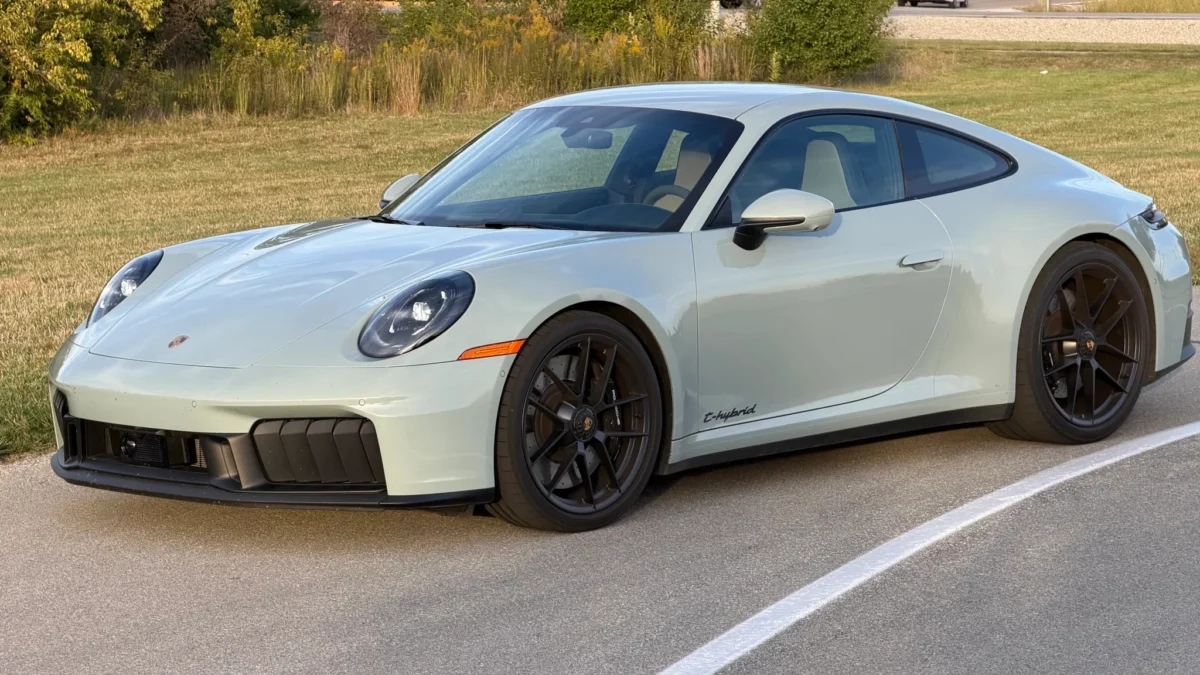
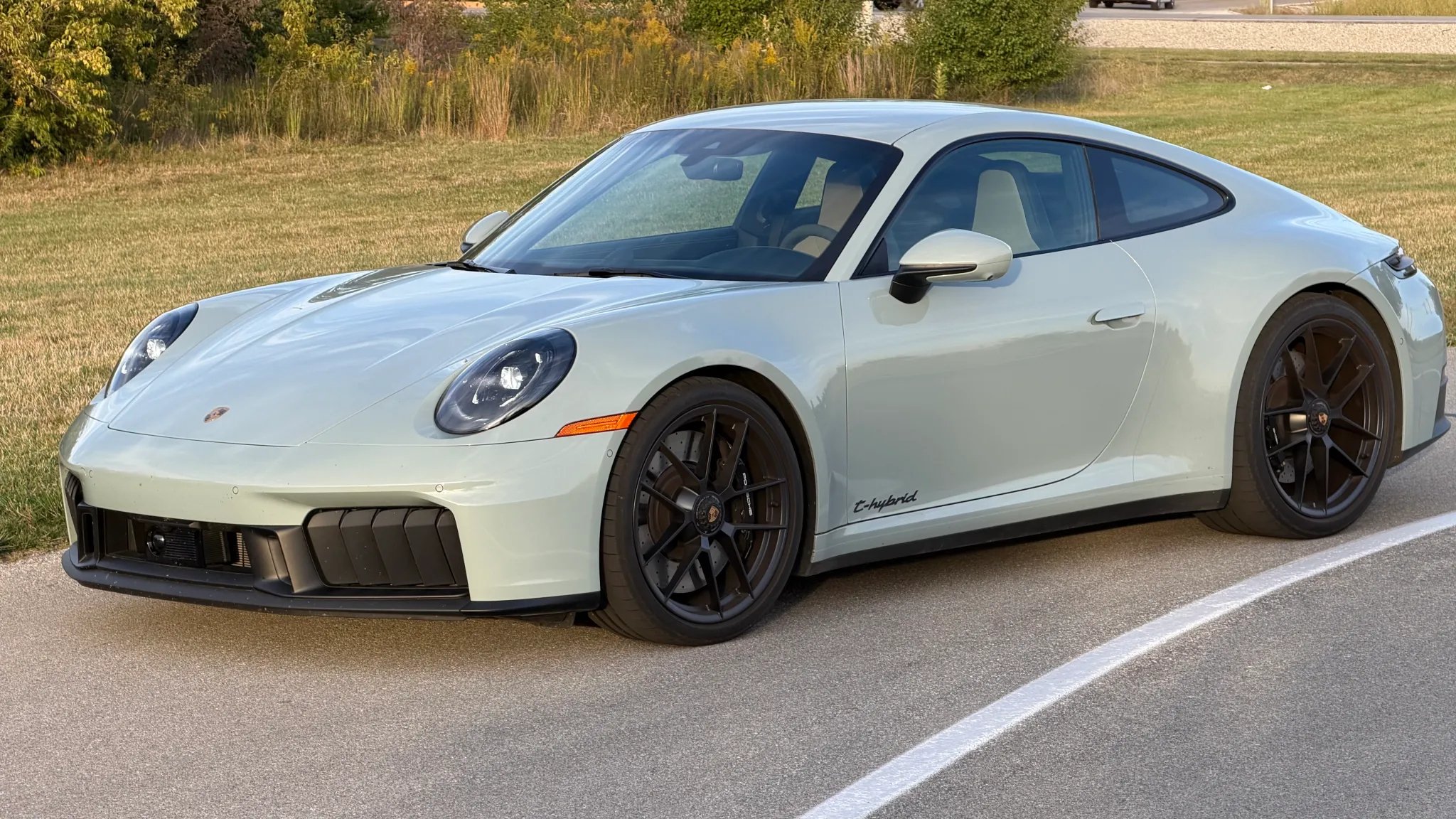
In an automotive landscape increasingly dominated by seamless dual-clutch transmissions and electrified torque delivery, the manual gearbox has become a rare, romanticized artifact. For purists, the Porsche 911 remains the final bastion of the "analog" driving experience. However, the introduction of the 992.2 generation 911 Carrera GTS, with its sophisticated hybrid powertrain, has thrown a wrench into the works for traditionalists. While Porsche recently made headlines by reviving the manual transmission for the 2027 911 Carrera S, the GTS remains strictly automatic—a mechanical limitation that has sparked intense debate among the Porsche faithful.
The Hybrid Hurdle: Why the GTS Stays Automatic
The primary conflict lies in the fundamental engineering of the 992.2 Carrera GTS. Unlike its predecessor, the new GTS utilizes a cutting-edge hybrid system—a setup designed to maximize performance and efficiency through complex electronic integration.
According to Porsche Cars North America CEO Timo Resch, the current architecture simply cannot accommodate the mechanical linkage required for a traditional manual shifter. During a media roundtable at Monterey Car Week, Resch clarified that the synergy between the hybrid’s electric motor and the internal combustion engine is so tightly integrated into the dual-clutch transmission (PDK) that swapping in a stick-shift is not a matter of a simple bolt-on modification. It is, by all technical accounts, a structural incompatibility that would require a complete re-engineering of the powertrain’s control modules.
A Chronology of the Shift
To understand the current predicament, one must look at the timeline of Porsche’s recent product strategy:
- Mid-2024: Porsche debuts the 992.2 generation 911, with the GTS variant leading the charge for the new hybrid system. Enthusiast forums erupt in concern over the lack of a manual option.
- Early 2026: As the automotive industry navigates a global shift in electrification strategies, Porsche announces the return of the manual transmission for the 2027 911 Carrera S, signaling that the company is listening to its core demographic.
- August 2026 (Monterey Car Week): The conversation shifts toward the GTS. CEO Timo Resch addresses the technical impossibility of a manual hybrid, yet leaves the door ajar for future innovation.
- The Future: Analysts suggest that as the 992.2 lifecycle is extended due to broader market shifts away from aggressive EV-only portfolios, the window for engineering a "manual-compatible" hybrid system has grown.
Engineering the Impossible: The Weissach Factor
The "Weissach factor"—a term often used to describe the relentless, sometimes stubborn, ingenuity of Porsche’s engineering team—is the only reason enthusiasts haven’t abandoned hope. Resch’s comments at Monterey suggest that the engineering team in Germany is not resting on its laurels.
When asked directly about the prospect of a manual GTS, Resch noted, "The technology setup that we have in place right now and a manual transmission… they are not compatible. That’s something that we see right now. But at the same time, it’s great to have an engineering team in Weissach that never stops thinking and has a lot of great ideas."
This is the kind of "non-denial denial" that keeps the rumor mill churning. For a company like Porsche, where engineering is the brand’s religion, the word "impossible" is rarely a permanent state. However, the financial and logistical reality is steep. Implementing a production change of this magnitude—especially one that requires a ground-up redesign of the transmission tunnel and software integration—typically takes upwards of 12 to 18 months, even with existing hardware. Creating an entirely new hybrid-manual interface would likely require a multi-year development cycle.
Supporting Data: The Cost of Purity
The cost of the manual transmission in the 2027 Carrera S has been a point of contention. Recently, Porsche confirmed that what was once a "no-cost option" now commands a premium of roughly $8,500. This pricing structure reflects the hidden costs of maintaining a dying art. Porsche must re-certify emissions, conduct durability testing for a low-volume configuration, and manage a separate supply chain for the manual gearbox—all while the rest of the industry is pouring capital into mass-market EVs.
This "manual tax" is not necessarily a money grab; it is a reflection of the reality of keeping the manual alive in an era of strict global emissions regulations. The fact that customers are willing to pay this premium indicates a market demand that Porsche is keen to exploit, provided they can clear the technical hurdles of their hybrid systems.
Official Responses and Strategic Implications
The strategic implication of Resch’s comments is twofold. First, it acknowledges that the current hybrid-manual combination is off the table for the immediate future. Second, it suggests that the 992.2 platform’s life might be longer than initially anticipated.
In the wake of global automotive shifts, where many manufacturers have had to walk back aggressive EV-only rollouts, Porsche has found itself in a unique position. By extending the life of the 992.2 generation, the company gains the time necessary to potentially develop a solution that satisfies both the emissions regulators and the purists.
"I wouldn’t be surprised if at some point they come up with a solution," Resch hinted. "But it probably will not be a combination that you see here." This strongly implies that if a manual hybrid 911 ever hits the showroom floor, it will likely be a limited-run, high-end collector’s model—a swan song for the 992.2 generation or a hallmark of the next generation of the 911.
Looking Toward the 2030s
The most telling part of the conversation was Resch’s stance on the long-term future of the stick-shift: "You can be assured that we will try to offer manual transmissions as long as we are legally allowed to and as long as there’s customer demand. And we see customer demand for the optional manual transmission also lasting well into the next decade."
This statement is monumental. It essentially commits Porsche to the manual transmission until at least 2030, regardless of the march of electrification. Whether that manifests as a standard feature in the next-gen 911 or an expensive, specialized add-on for the remainder of the 992.2’s extended run, the commitment to the driver’s experience remains the brand’s North Star.
Conclusion: The Long Road Ahead
The saga of the Porsche 911 manual transmission is more than just a story about gears and clutches; it is a case study in the tension between heritage and progress. Porsche has successfully navigated this tension for decades, but the hybrid era presents a unique existential challenge.
While the 992.2 Carrera GTS will likely remain a PDK-only affair, the doors to a manual-hybrid future are not locked. They are, at best, ajar. For now, enthusiasts must settle for the Carrera S or look toward the secondary market for the analog experience. But as history has shown, when Porsche’s engineers are challenged to preserve the "soul" of the 911, they rarely fail. The wait for a manual hybrid may be long, but in the world of high-performance sports cars, it is almost certainly a wait worth enduring.
For the time being, the 911 remains the only car in the world where the conversation about a gearbox is just as heated, and just as important, as the conversation about horsepower. As long as Porsche continues to prioritize the driver, the manual transmission will have a home in Stuttgart, no matter how complex the engine becomes.
