





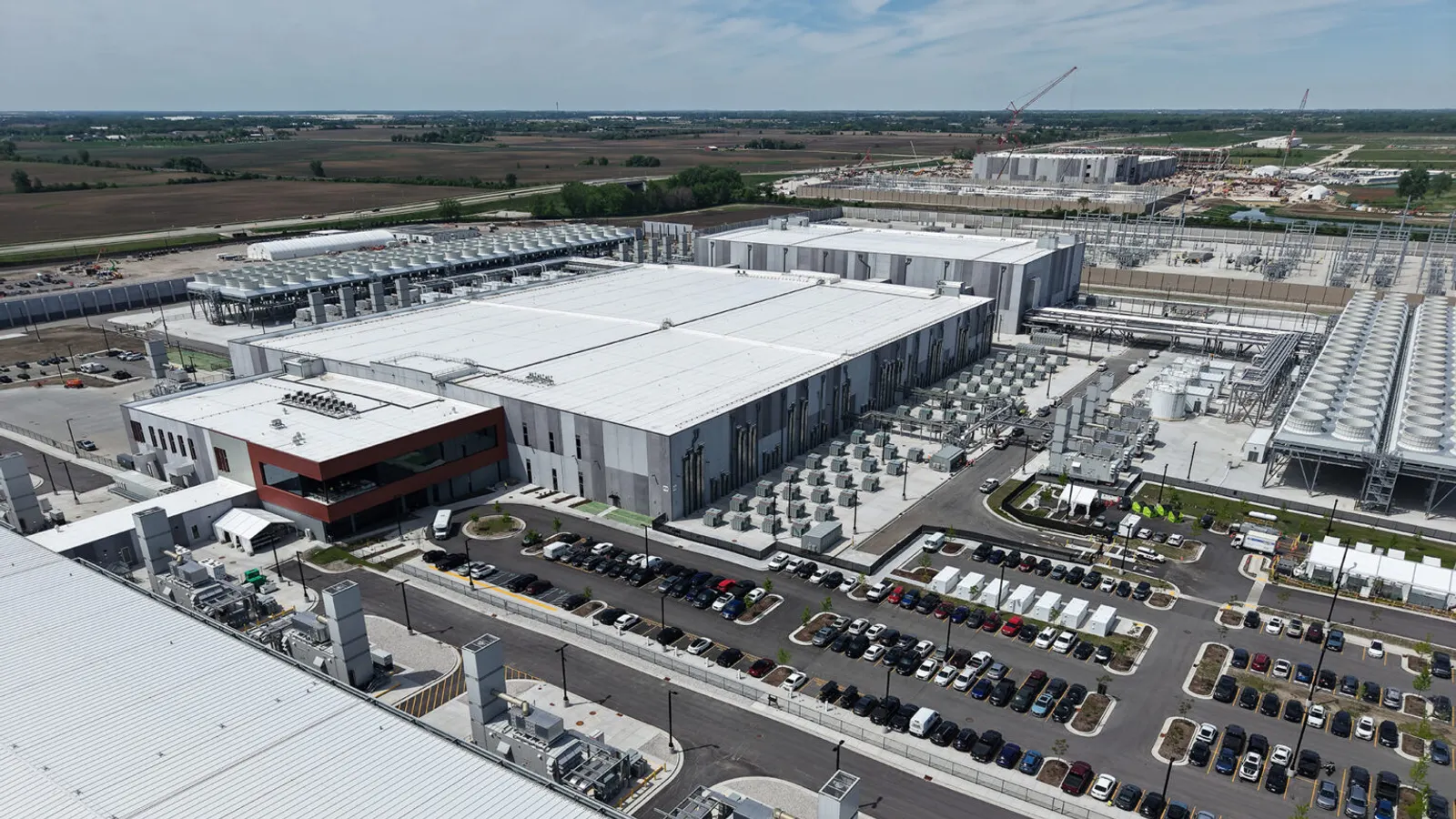
As the artificial intelligence revolution accelerates, the physical infrastructure required to sustain it—massive, power-hungry, and water-intensive data centers—has become the latest flashpoint in American urban planning. Across the United States, a growing wave of public opposition is forcing municipalities to rethink their approach to digital infrastructure, shifting from a “welcome at all costs” incentive model to one defined by strict regulation, moratoriums, and rigorous community oversight.
Recent data suggests that this is not a partisan issue; more than 70% of residents across the political spectrum now express opposition to the rapid expansion of data centers in their neighborhoods. This friction between the digital economy’s hunger for space and local communities’ desire for environmental and fiscal security is fundamentally altering the landscape of municipal governance.
The Turning Tide: A Shift in Governance
According to Lauren Bridges, an assistant media studies professor at the University of Virginia, the legislative landscape is changing with remarkable speed. During a recent webinar hosted by the National League of Cities and the American Association for the Advancement of Science (AAAS), Bridges noted that "moratoriums have started to spread like wildfire across the United States."
This trend marks a definitive departure from the past decade, where cities frequently offered tax breaks and expedited permitting to attract data centers, viewing them as symbols of economic modernization. Today, the narrative has shifted toward a more restrictive mode of governance. Rather than viewing these facilities as standard industrial projects, city planners are increasingly treating them as distinct, high-impact entities that require specialized zoning, environmental scrutiny, and robust public engagement.
Chronology of a Regulatory Pivot
The transition from passive acceptance to active regulation has unfolded in stages, often triggered by citizen outcry or sudden spikes in utility costs.
1. The Realization Phase
Many cities initially categorized data centers as "warehouses" or light industrial facilities. This classification allowed for "by-right" development, meaning developers could build with minimal oversight or public consultation. However, as the scale of these facilities grew—some now exceeding the footprint of a massive retail store—the limitations of this classification became clear.
2. The Moratorium Period
Recognizing that their existing zoning codes were inadequate, cities like Aurora, Illinois, implemented temporary freezes on new developments. These moratoriums were not intended as permanent bans, but rather as "breathing room" to allow municipal staff to research the unique technical requirements of data centers and develop comprehensive policy frameworks.
3. The Implementation Phase
Cities are now transitioning from moratoriums to codified ordinances. Anchorage, Alaska, serves as a prime example of this evolution. By defining data centers as a unique land use, the city established conditional-use permits, allowing officials to dictate exactly where these facilities can be located, mandate residential buffers, and impose strict noise-mitigation requirements.
Supporting Data: Why Communities Are Pushing Back
The skepticism surrounding data centers is rooted in tangible, measurable impacts on local infrastructure and quality of life.
The Energy Burden
Data centers are among the most energy-intensive facilities on the modern grid. In Aurora, Illinois, residents saw electricity bills climb by approximately 24% in 2025. The Citizens Utility Board has pointed directly to the massive energy demands of new data center clusters as a primary driver of these cost hikes. As these facilities consume larger shares of local power, the cost burden is often passed down to residential ratepayers, sparking significant public outrage.
Water Scarcity and Chemical Risks
Beyond electricity, data centers often require millions of gallons of water for cooling. In a time of increasing drought and water scarcity, this demand is viewed as a threat to local resources. Furthermore, the chemicals used in these cooling systems, specifically per- and polyfluoroalkyl substances (PFAS), have raised alarm bells. Aurora’s proactive requirement that developers disclose cooling chemicals and plan for their disposal—and their exploration of sensors to detect PFAS in nearby water systems—has set a benchmark for other municipalities grappling with the hidden environmental costs of the digital age.
Official Responses and Policy Innovations
Municipal leaders are finding that they do not have to choose between economic development and community protection. By adopting a "proactive" stance, they can leverage the industry’s need for infrastructure to force better outcomes for the public.
Defining "Scale"
Anchorage’s ordinance is being heralded as a model for its nuance. By differentiating between small-scale facilities and massive, industrial-sized data centers, the city ensures that the regulatory burden is proportional to the impact. As Assembly Chair Anna Brawley noted, there is a material difference between a small server closet and a facility the size of a shopping center.
Legislative Intervention
At the state level, the Illinois General Assembly’s introduction of the "POWER Act" demonstrates the growing desire for legislative guardrails. This act proposes that data centers be held financially responsible for their own renewable energy sourcing, preventing them from offloading infrastructure expansion costs onto the backs of local ratepayers.
The "Home Rule" Advantage
Municipalities with "home rule" authority, such as Aurora, are utilizing their legal autonomy to impose performance standards that go beyond state minimums. By requiring that existing data centers report energy and water usage through the Energy Star Portfolio Manager, cities are gaining the transparency needed to enforce compliance and track the cumulative impact of these facilities on the local environment.
The Necessity of Public Engagement
Perhaps the most significant change in the data center narrative is the prioritization of public discourse. In the case of Aurora, the process was intensive. City staff conducted online surveys, held town halls, and engaged in ward-level meetings. Despite the initial community sentiment—which, as in many other cities, leaned toward wanting no data centers at all—the process of public engagement allowed for a more collaborative, albeit rigorous, outcome.
The result of this engagement is a transition from "by-right" development to "special use" permitting. This change is not merely procedural; it is structural. Under a special use permit, developers are legally required to endure a higher level of public scrutiny and justify their project to planning commissions and the public.
Implications for the Future of Infrastructure
The era of the "unregulated data center" is coming to a close. As the industry matures, it is finding that the cost of public pushback is becoming a significant business risk. Developers are now realizing that early, transparent communication is essential to securing the social license to operate.
For municipalities, the implication is clear: the ability to define, regulate, and monitor data center development is no longer optional—it is a core responsibility of modern urban planning. By forcing developers to account for their water consumption, energy usage, and infrastructure impact, cities are shifting the balance of power back to the community.
As Professor Bridges noted, there is a clear trend toward more serious engagement. Developers who attempt to bypass this process are increasingly finding their projects stalled by the very moratoriums that have become a standard tool in the local government toolkit. Ultimately, the future of data center development will depend on the ability of the industry to become a "good neighbor," one that contributes to the local economy without compromising the fiscal and environmental health of the communities they inhabit.
The path forward for cities lies in this delicate balance: maintaining the infrastructure required for the digital future while ensuring that the lights stay on and the water remains safe for everyone else.
