




Five years ago, the iconic Greyhound brand—a symbol of American travel for nearly a century—appeared to be fading into obsolescence. Burdened by deteriorating assets, an aging fleet, and a public perception that equated intercity bus travel with danger and discomfort, the company was in the throes of an existential crisis. When Munich-based mobility giant Flix acquired the operator in late 2021, many industry observers questioned whether the Greyhound name could be saved, or if it was destined to be a cautionary tale of a legacy brand unable to adapt to the 21st century.
Fast forward to 2026, and the narrative has undergone a radical transformation. Through a combination of aggressive fleet modernization, strategic operational overhauls, and a newfound focus on intermodal connectivity, Greyhound—now operating under the umbrella of Flix North America—has moved from the fringes of the travel industry back to the center of the regional transportation conversation.
The Chronology of a Turnaround
The trajectory of the Greyhound-Flix integration is a study in corporate restructuring and brand revitalization.
- 2021: The Acquisition. Flix Mobility (now Flix) acquires Greyhound Lines from FirstGroup. At the time, the brand suffered from significant baggage: aging terminals, inconsistent service, and a lack of technological integration that left it trailing behind low-cost airlines and private ride-sharing services.
- 2022: Leadership Shift. Kai Boysan steps in as CEO of Flix North America. His mandate is clear: stabilize the operation, restore service reliability, and bridge the gap between the European FlixBus model and the American Greyhound identity.
- 2023–2024: Operational Stabilization. The company begins the arduous process of decoupling from legacy real estate while simultaneously injecting capital into the rider experience. The focus shifts toward "on-time performance" as the primary metric for customer satisfaction.
- 2025: The Surge. A confluence of external factors—including high aviation costs, the collapse of budget carrier Spirit Airlines, and the massive logistical demands of the FIFA World Cup—creates a "perfect storm" of demand. Ridership swells as new demographics, including young professionals and students, sample the modernized bus service.
- 2026: Consolidation and Future-Proofing. With the infrastructure crisis largely addressed through municipal partnerships, the company turns its eyes toward the 2028 Los Angeles Olympic and Paralympic Games, positioning intercity bus travel as a critical component of sustainable, high-capacity transit.
Supporting Data: The Metrics of Success
The "new" Greyhound is defined less by its history and more by its operational rigor. According to CEO Kai Boysan, the numbers tell a story of a business that has effectively rebooted its core competency: reliability.
Fleet Modernization
Over the past 24 months, the company has integrated 185 state-of-the-art buses into its fleet, with an additional 80 units currently on order. This capital expenditure was non-negotiable, serving as the physical manifestation of the company’s "new product" promise.
Performance Benchmarks
Operational reliability is now the company’s primary marketing tool. Current data indicates that:
- 95% of departures from originating terminals are on schedule.
- Over 80% of arrivals at final destinations meet their projected times.
- Network Expansion: The combined FlixBus and Greyhound network has added 37 new lines year-to-date, signaling a return to growth in previously underserved corridors.
The Northeast Corridor—specifically the Boston–New York–Philadelphia–Washington, D.C. axis—remains the crown jewel of the operation. Demand in these high-density regions has surged, prompting management to plan further service frequency increases.
Addressing the "Station Gap"
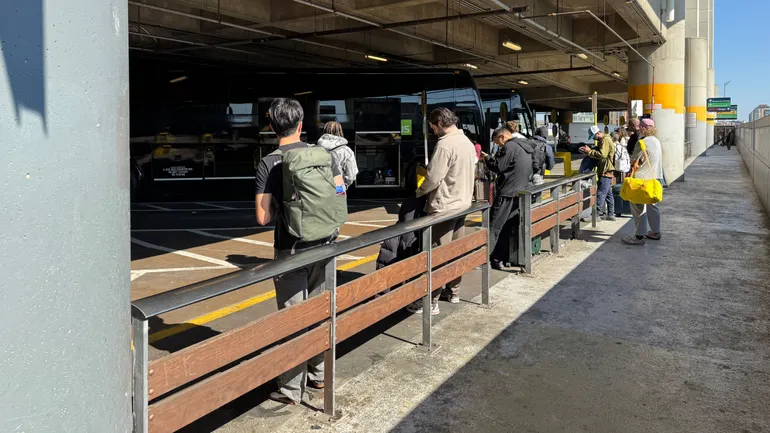
Perhaps the most significant hurdle in the acquisition was the loss of the physical footprint. When Flix purchased Greyhound, the real estate (the bus terminals themselves) was largely excluded from the deal, leaving the operator without "homes" in major cities.
However, rather than viewing this as a failure, the industry has pivoted toward a public-private partnership model that is arguably superior to the old, privatized terminal system. Municipalities are increasingly recognizing that intercity bus travel is a vital public utility.
- Chicago: The city moved to purchase and renovate the historic downtown Greyhound terminal, securing a hub that serves 450,000 annual passengers.
- Boston: South Station underwent a massive 60% expansion of its bus terminal capacity last year.
- New York City: The city is currently mid-way through a $10 billion replacement of the Midtown Bus Terminal, a project designed to modernize the gateway for millions of bus passengers.
- Dallas: Flix North America recently inaugurated a brand-new facility, streamlining the transfer process for travelers across the state.
Official Perspectives: The Vision for 2028 and Beyond
For CEO Kai Boysan, the goal is not merely to "run buses," but to integrate them into the broader fabric of North American public transportation. The key, he argues, is the seamless transfer.
"It is just in the interest of travelers to be able to transfer from one mode of travel to another easily and conveniently," Boysan told Smart Cities Dive. By aligning bus arrival times with Amtrak schedules in hubs like Washington D.C., Los Angeles, and Boston, the company is effectively positioning itself as the "last mile" and "first mile" solution for national rail.
"That integration, together with other modes of transport in public transportation centers providing a seamless transfer experience to our travelers, is the biggest opportunity in front of us," Boysan added.
The company is also leaning into the shifting demographics of the bus rider. While intercity buses were once stigmatized, the current economic climate—characterized by rising fuel prices and the instability of regional air travel—has brought a new, value-conscious customer base into the fold. "New customers came to our network," Boysan noted. "Some had never used Greyhound, and this gave us an opportunity to demonstrate that our product is much better than what they thought."
Implications for Public Policy
The turnaround of the intercity bus industry is also being fueled by a renewed federal interest in regional connectivity. The U.S. Department of Transportation has begun directing significant capital toward transit hubs, including a $466 million investment in Washington Union Station.
Furthermore, the "Formula Grants for Rural Area" program (Section 5311) is becoming a cornerstone for private-public cooperation. States like Alabama, Maine, and Virginia are leveraging these federal funds to contract private operators to maintain routes that would otherwise be unprofitable. This model of state-supported, privately operated service is expected to be a blueprint for future expansion, allowing the company to serve smaller markets while maintaining the operational standards of a national network.
The Road Ahead
As the company prepares for the massive influx of visitors expected for the 2028 Los Angeles Olympics, the focus is shifting from "survival" to "sustainability." The integration of the Greyhound brand into the Flix ecosystem has proven that with enough capital, a clear technological vision, and a shift in how transit is viewed by municipal governments, even the most "deteriorated" legacy brands can be resurrected.
However, challenges remain. The company must continue to balance the cost of operating a premium-experience fleet with the expectations of a price-sensitive customer base. Furthermore, it must continue to navigate the complexities of municipal transit politics, ensuring that the new generation of bus terminals remains integrated with the wider urban mobility landscape.
For now, the verdict from the market is clear: the intercity bus is no longer a last resort. Through deliberate investment and a commitment to modernizing the passenger experience, Flix and Greyhound have successfully rebranded the bus as a reliable, essential, and increasingly popular mode of North American travel. The "new" Greyhound is not just a bus company; it is a vital cog in a modern, multimodal transportation machine.
