





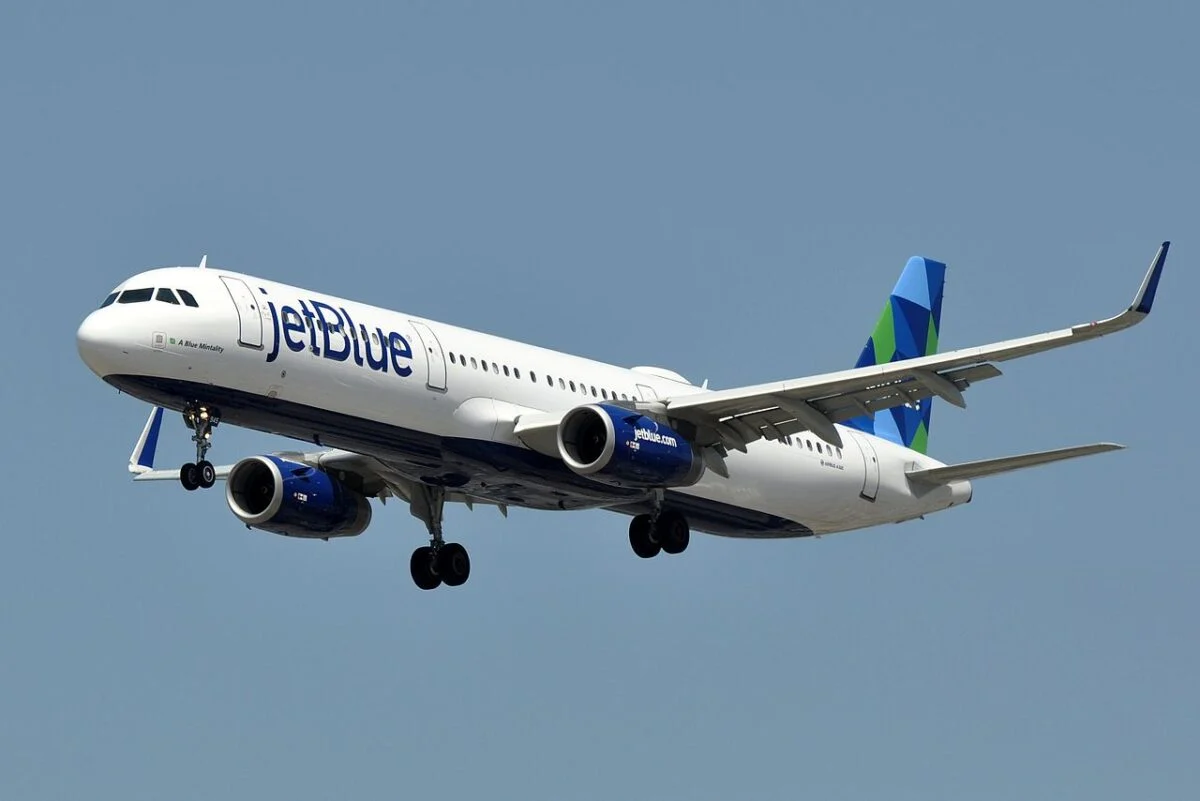
In a significant pivot for the carrier’s corporate governance, JetBlue Airways announced on Thursday that two board members appointed by activist investor Carl Icahn have resigned, effective immediately. The departure of Jesse Lynn, general counsel of Icahn Enterprises, and Steve Miller, a portfolio manager at Icahn Capital, signals a cooling of the aggressive activist intervention that began earlier this year. The exits follow Icahn’s decision to reduce his overall equity stake in the airline, marking a notable shift in the relationship between the legendary corporate raider and the New York-based carrier.
The Main Facts: A Swift Exit
The resignations of Lynn and Miller, who joined JetBlue’s board in February 2024 as part of an agreement between the airline and Icahn, bring a swift conclusion to a brief but high-profile period of activist oversight. The move was triggered by Icahn’s decision to sell a portion of his holdings, a standard procedural trigger that often necessitates the removal of board representatives in such activist arrangements.
JetBlue confirmed the news in a brief regulatory filing, noting that the company’s board will be reduced in size following these departures. The airline emphasized that the transition is amicable and will not disrupt the current operational trajectory of the carrier, which is currently undergoing a comprehensive internal restructuring.
Chronology of the Activist Intervention
The relationship between Icahn and JetBlue has been defined by rapid development and high-stakes maneuvering over the past twelve months.
- February 2024: Carl Icahn disclosed a 9.91% stake in JetBlue, labeling the stock "undervalued." Shortly thereafter, he secured two seats on the board, successfully negotiating for the inclusion of his trusted lieutenants, Jesse Lynn and Steve Miller.
- March 2024: JetBlue, under the guidance of newly appointed CEO Joanna Geraghty, faced immense pressure to improve profitability after the collapse of its proposed merger with Spirit Airlines. Icahn’s presence on the board was viewed by analysts as a "watchdog" mechanism intended to enforce fiscal discipline.
- Summer 2024: JetBlue launched its "JetForward" strategy, a multi-pronged plan focused on cost-cutting, route rationalization, and increasing ancillary revenue. Icahn’s representatives were heavily involved in the oversight of these initiatives.
- October 2024: Filings revealed that Icahn Enterprises had begun trimming its position in the airline.
- November 2024: The formal resignation of Lynn and Miller was announced, signaling that Icahn’s role as an active "hands-on" investor is coming to an end.
Supporting Data: JetBlue’s Financial Landscape
To understand why Icahn entered—and subsequently exited—the JetBlue picture, one must look at the carrier’s recent financial performance. Following the termination of the Spirit Airlines merger due to regulatory antitrust hurdles, JetBlue was forced to pivot toward a standalone strategy.
The company has struggled with mounting debt and rising labor costs. According to Q3 2024 financial reports, JetBlue has been working to reclaim its margins, aiming to reach profitability by focusing on premium travel offerings and high-demand leisure routes.
Icahn’s initial investment occurred when JetBlue’s stock was trading at historic lows. By the time he began trimming his stake in late 2024, the airline’s stock had seen moderate recovery, aided by the implementation of the "JetForward" initiatives. While the exact profit margin of Icahn’s trade has not been disclosed, market observers suggest the veteran investor likely exited at a point that provided a satisfactory return on investment, or at least a mitigation of risk as the airline industry faces broader macroeconomic headwinds.
Official Responses and Strategic Continuity
The tone from both sides remains surprisingly diplomatic, a departure from the typical adversarial nature of activist campaigns.
"We appreciate the constructive partnership with JetBlue over the years as they have reshaped the airline and we look forward to seeing them continue to successfully execute the JetForward strategy," Carl Icahn stated in an official release. His acknowledgement of the "constructive" nature of the relationship underscores the professional rapport maintained between his team and JetBlue’s leadership during his tenure on the board.
JetBlue CEO Joanna Geraghty, who took the helm in February, issued a statement reinforcing the company’s commitment to its current path. "We remain focused on our JetForward strategy, which is designed to improve our financial performance, strengthen our balance sheet, and deliver long-term value for our shareholders," Geraghty said. She added that the airline would continue to maintain a "productive dialogue" with all its shareholders, regardless of their stake size.
Industry analysts suggest that Geraghty’s ability to work with Icahn without succumbing to radical, short-term pressures has helped stabilize the airline’s reputation on Wall Street. By keeping the "JetForward" plan at the center of the conversation, the executive team has successfully transitioned the narrative from "merger-dependent" to "operationally self-sufficient."
Implications: What This Means for JetBlue
The departure of the Icahn-appointed directors has several implications for the future of JetBlue:
1. Restoration of Board Autonomy
With the removal of two activist-appointed directors, the JetBlue board is now composed of members who are more aligned with the company’s long-term operational strategy rather than the short-term financial engineering often associated with activist firms. This allows management more breathing room to execute complex restructuring plans that may take several years to fully bear fruit.
2. Market Perception
The exit of a high-profile activist like Icahn can be viewed as a "vote of confidence" in management’s current trajectory. Markets often react favorably when an activist exits on good terms, as it signals that the initial "fixes" requested by the activist have been implemented or are well underway. However, it also removes a layer of external pressure, which some investors might worry could lead to a slowdown in cost-cutting efforts.
3. The Future of the "JetForward" Strategy
The "JetForward" strategy remains the north star for JetBlue. The plan includes:
- Route Optimization: Shifting capacity away from low-performing routes to focus on high-yield leisure destinations in the Caribbean and Latin America.
- Premium Focus: Expanding the "Mint" service, which has consistently outperformed the rest of the fleet in terms of margins.
- Cost Management: Aggressively managing labor and maintenance costs, which remain among the highest in the industry.
4. Stability in a Volatile Sector
The aviation industry is notoriously volatile, influenced by fuel prices, geopolitical instability, and labor negotiations. JetBlue’s ability to navigate the transition from activist-backed oversight to independent strategic execution will be the ultimate test of its leadership. The departure of Icahn’s representatives marks the end of a turbulent chapter and the beginning of a new phase where JetBlue must prove it can thrive in a highly competitive, post-merger landscape.
Conclusion: A New Chapter
As JetBlue moves forward, the influence of Carl Icahn will linger as a catalyst for the changes that have already been set in motion. While the activist may have reduced his stake, the structural and strategic shifts he advocated for—namely, a leaner, more focused operation—are now deeply embedded in the company’s culture.
For the airline’s employees, passengers, and remaining investors, the departure of Lynn and Miller serves as a signal that the "crisis management" phase of 2024 is drawing to a close. JetBlue is now entering a period of execution. Whether the carrier can return to sustained profitability remains to be seen, but for now, the path forward appears clearer, and the boardroom, for the time being, is once again in the hands of the company’s own architects.
As the airline approaches the new fiscal year, all eyes will be on the quarterly earnings reports to see if the "JetForward" strategy can deliver the tangible results that the market—and the activists—demanded. The departure of Icahn is not a retreat from the mission, but rather an acknowledgment that the mission is now being executed with sufficient rigor to stand on its own.
