


The inbox of a technology journalist is rarely a quiet place. However, as the world’s largest gaming event, Gamescom, gears up for its 2026 iteration, the volume of digital noise has reached an unprecedented crescendo. For those of us covering the industry, the confirmation of media registration serves not as a green light to start reporting, but as a digital signal fire that triggers a relentless, six-week-long bombardment of pitches, press releases, and desperate scheduling requests.
Having received over 180 distinct emails regarding Gamescom in less than two months—a figure that pales in comparison to the thousands handled by major outlet editors—it becomes clear that the "media experience" of a trade show is a heavily curated, high-stakes battle for relevance. To understand the machinery behind this noise, I turned to the PR professionals who orchestrate it, revealing a world of impossible deadlines, strategic fatigue, and the shifting dynamics of the modern gaming press.
The Anatomy of a Media Avalanche
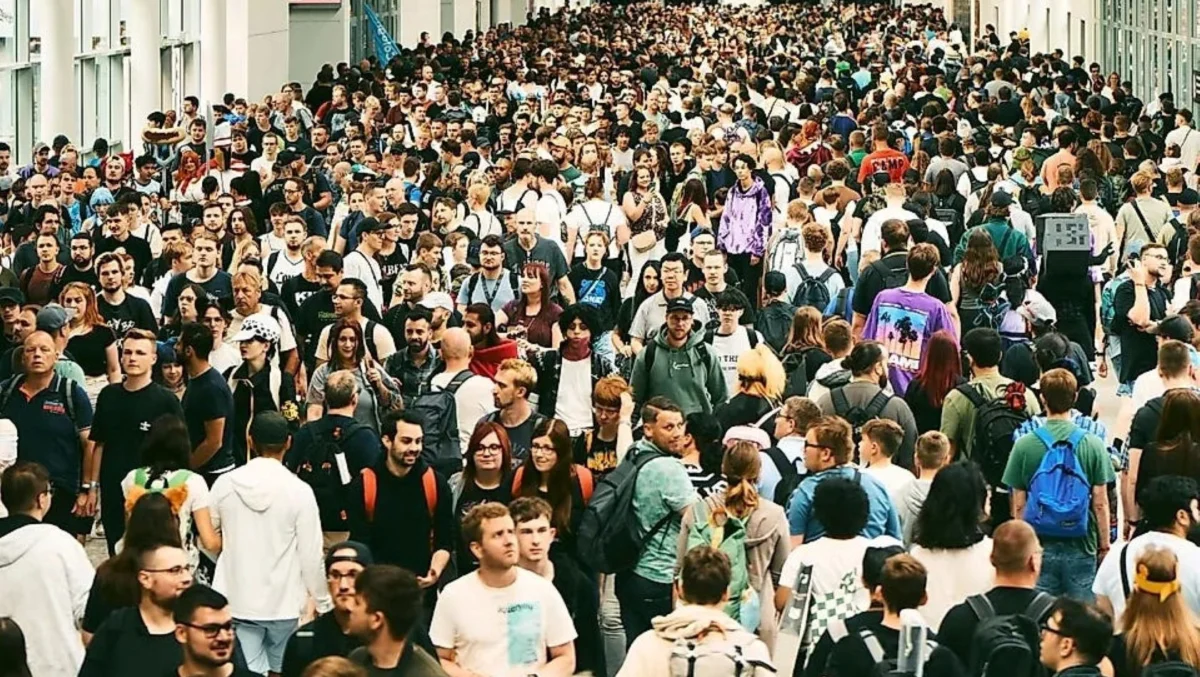
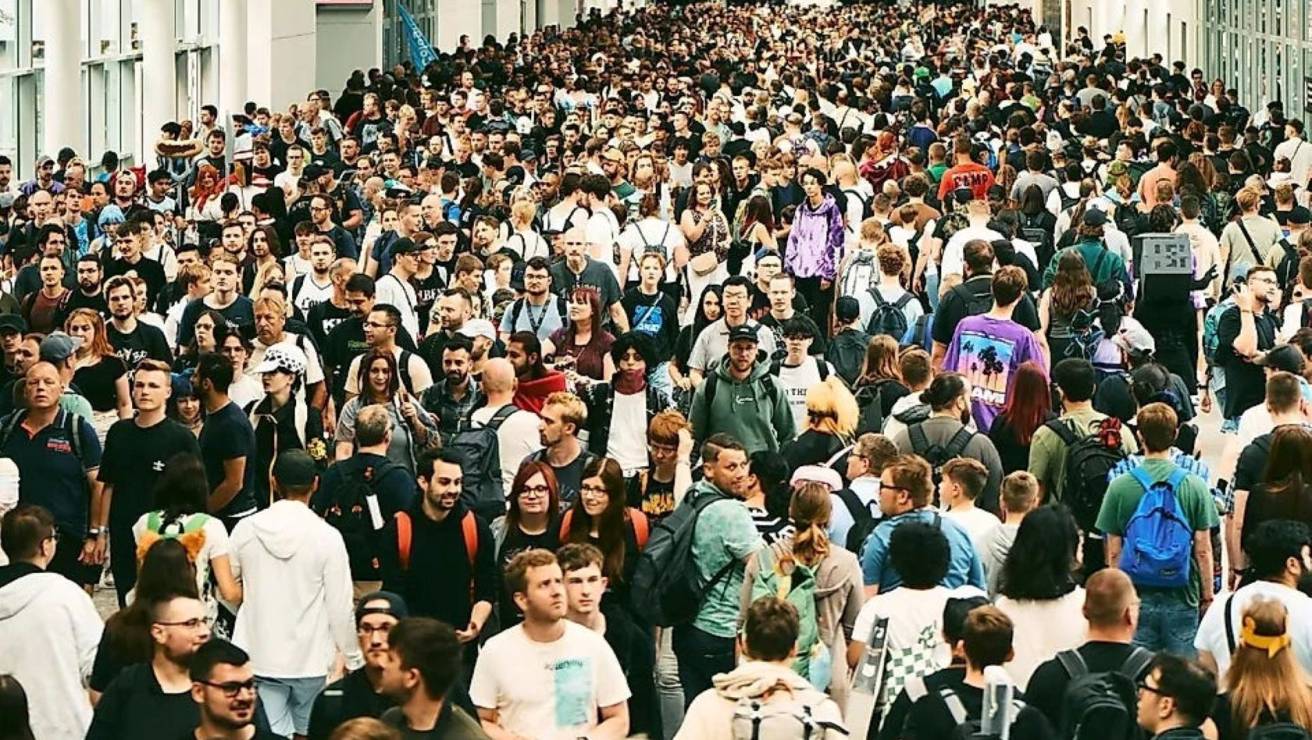
The scale of modern gaming events has shifted from "industry trade shows" to "global cultural phenomena." Gamescom 2026 is projected to break all previous attendance records, and with that growth comes a commensurate surge in PR activity.
For the average PR practitioner, the weeks leading up to Gamescom are a period of high-intensity labor. The process begins months in advance, with the creation of "press kits," the securing of booth space, and the meticulous mapping of media targets. As the event draws closer, this transforms into a 24/7 operation of "pitching"—the art of convincing a journalist that your client’s title is the one they must play, review, or interview.
The contrast between local events, such as PAX Australia, and global giants like Gamescom is stark. At a smaller event, a journalist might field two dozen pitches. At Gamescom, that number multiplies by ten, if not fifty. This transition marks the difference between a curated, manageable list of contacts and a "scattergun" approach where the goal is visibility above all else.
Chronology of a Campaign: From Concept to Crowd
To understand how the inbox becomes overwhelmed, one must look at the life cycle of a Gamescom PR campaign.
- Phase 1: The Tease (Three Months Out): PR agencies begin reaching out to gauge interest. The focus here is on "exclusivity." Agencies attempt to lock in high-profile interviews and hands-on previews before the schedule is fully set.
- Phase 2: The Onslaught (Six Weeks Out): This is the stage I currently occupy. Once media registration is public, the floodgates open. The volume of emails increases exponentially as agencies compete for the limited time slots available in a journalist’s calendar.
- Phase 3: The Logistics Lock (Two Weeks Out): The focus shifts to logistical nightmare management: "How do we get this journalist from Hall 4 to Hall 9 in five minutes?" Rescheduling, cancellations, and desperate pleas for last-minute slots define this phase.
- Phase 4: The Event (During Gamescom): The PR team becomes a concierge service. They manage the physical booth, handle the "no-shows," and ensure that every journalist who walks through the door is fed, watered, and equipped with the correct assets to write their story.
- Phase 5: The Post-Mortem (Post-Event): The cycle concludes with follow-ups. "Did you see the assets?" "Can we get a quote for a follow-up piece?" The PR team’s job is to ensure the momentum from the event carries into the sales quarter.
Supporting Data: The PR-Journalism Equilibrium
The current state of gaming PR is driven by a massive imbalance in supply and demand. According to data from media monitoring services, the number of "indie" studios attempting to break into the market has grown by 300% over the last five years. While the number of dedicated gaming journalists has remained relatively static or even shrunk due to industry layoffs, the number of entities vying for their attention has exploded.
When a single event like Gamescom attracts thousands of exhibitors, the PR strategy shifts from "personal connection" to "volume-based awareness." This is why an inbox becomes a "tsunami." A PR firm representing fifty clients at a show cannot afford the time to craft bespoke emails for every single journalist. Consequently, the quality of the pitch often degrades into templated, automated messaging, which only serves to irritate the very journalists they are trying to reach.
Perspectives from the Frontline: The Official Response
In speaking with several PR directors in the gaming space, a common theme emerged: the feeling of being "caught in the middle."
One veteran PR lead at a London-based agency, who preferred to remain anonymous, noted, "We are under immense pressure from our clients to deliver results. They pay us to get their game in front of IGN, GameSpot, and Eurogamer. If we don’t pitch aggressively, we aren’t doing our jobs. If we pitch too aggressively, we’re labeled ‘spammers.’ It’s a razor-thin margin we walk every single day."
Another perspective comes from the "Challenger" brand perspective. For smaller developers, Gamescom is their only shot at global visibility. For them, a PR agency’s failure to secure a high-profile preview can mean the difference between a successful launch and total obscurity. This desperation trickles down into the email inbox, resulting in the high-pressure, high-frequency communications that define the pre-Gamescom experience.
The Implications: A Changing Media Landscape
What does this mean for the future of video game journalism and PR? The implications are three-fold:
1. The Death of the "Cold Pitch"
As the inbox becomes increasingly weaponized, journalists are moving toward "blacklisting" or aggressively filtering automated PR blasts. The era of the mass-email pitch is coming to an end. PR professionals who continue to rely on volume over relationship-building will find their effectiveness dropping to near zero.
2. The Rise of "Influencer-First" Strategies
Because traditional media is so overwhelmed, many PR agencies are pivoting their budget toward content creators and streamers. Influencers are seen as more "predictable" and often have a more direct line to the consumer, making them a more efficient use of a limited PR budget than a traditional, time-strapped journalist.
3. The "Event Fatigue"
There is a growing sense of fatigue among the press. When a journalist is bombarded with 180 emails for a single event, their ability to curate quality content is hindered. This leads to a homogenization of reporting; everyone covers the same "big" games because they are the ones with the most aggressive, well-funded PR teams, while smaller, potentially more innovative games are buried under the weight of the noise.
Conclusion: Finding the Signal in the Noise
The Gamescom "tsunami" is not just an annoyance for journalists; it is a symptom of a broader structural issue within the video game industry. As the barrier to entry for developers drops and the number of titles increases, the PR industry is struggling to find new ways to connect developers with an audience.
For the journalist, the task remains the same: to find the "signal" in the "noise." While the current environment makes that increasingly difficult, it also rewards those who can look past the mass-marketed hype and find the stories that truly matter. For the PR industry, the lesson is clear: in an age of automated excess, human connection, personal context, and strategic restraint are the only commodities that still hold any real value.
As I prepare to navigate the record-breaking crowds of Gamescom 2026, I am reminded that while the inbox may be overflowing, the responsibility of the reporter is to ensure that when the dust settles, the best stories are the ones that endure—regardless of how many emails it took to get them there.
