


Executive Summary: A Landmark Investment in Domestic Security
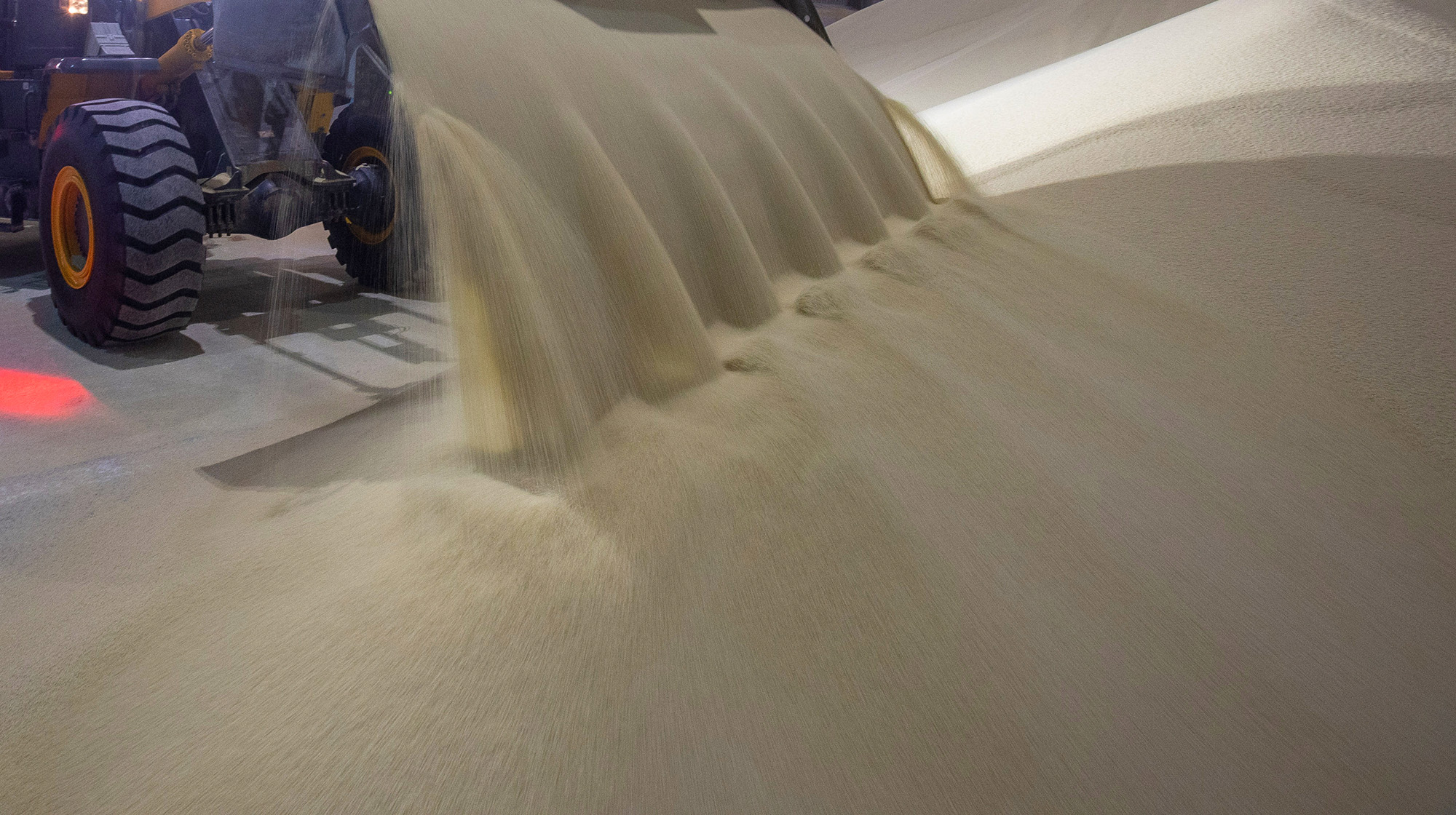
In a move that signals a seismic shift for American agriculture, farm cooperative CHS Inc. and global fertilizer titan OCP North America have unveiled plans for a $450 million phosphate fertilizer plant in Waggaman, Louisiana. This project represents the first major domestic phosphate facility of its kind in over four decades, marking a critical step in the nation’s effort to insulate its food supply chain from the volatility of global geopolitical instability.
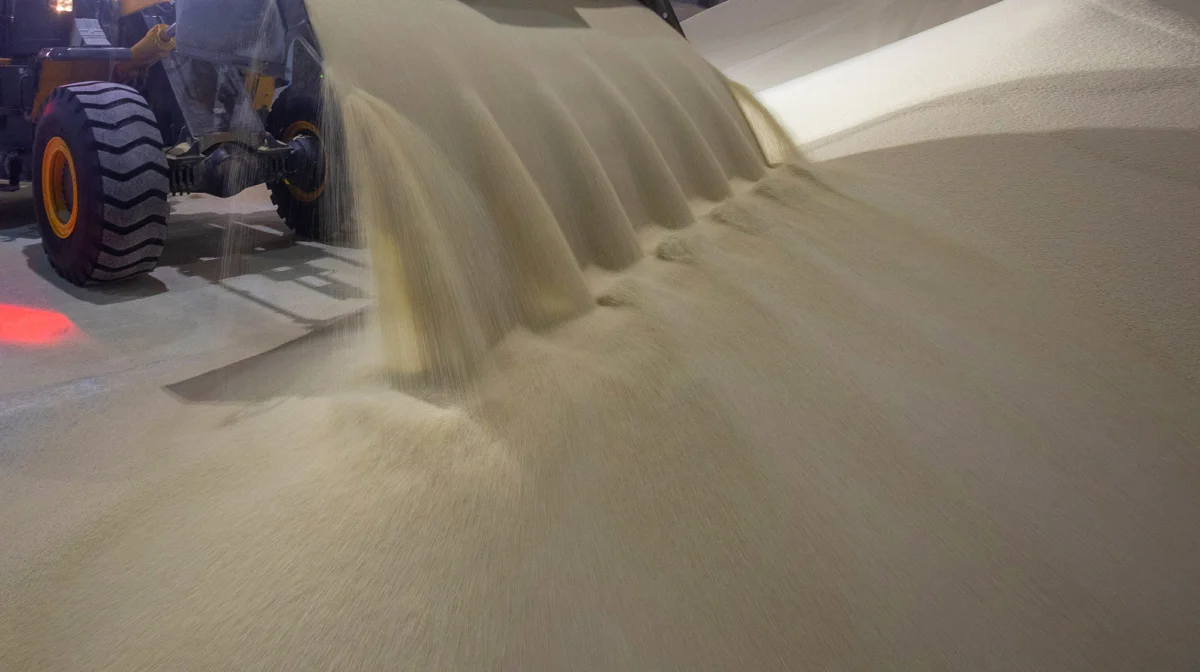
The proposed facility is projected to produce more than one million tons of phosphate-based fertilizer annually. By establishing this manufacturing hub on the Gulf Coast, the partnership aims to reduce the United States’ dependency on imported phosphate fertilizers by more than 48%. As global conflicts—stretching from the ongoing fallout of the Russia-Ukraine war to the persistent tensions in the Middle East—continue to disrupt the flow of vital crop nutrients, this project is being heralded by federal officials as a victory for national food security and competitive pricing.
Chronology of Market Turbulence and Strategic Response
The road to this announcement is paved with years of market volatility. To understand the significance of the Waggaman facility, one must look at the timeline of events that destabilized the global fertilizer market.
The Catalyst of Global Instability
The global fertilizer trade was significantly disrupted in early 2022, when the Russian invasion of Ukraine sent shockwaves through the energy and commodity sectors. As one of the world’s leading exporters of finished fertilizers and raw materials, Russia’s exit from the global market created a supply vacuum that sent prices for nitrogen, phosphate, and potash skyrocketing.
Escalation and Price Volatility
Throughout 2023 and 2024, the situation was further compounded by unrest in the Middle East, which hindered logistics and trade routes, further elevating the cost of key nutrients for American farmers. By August 2026, prices for diammonium phosphate (DAP) in New Orleans had climbed to their highest levels in over a year, putting immense financial strain on the agricultural sector.
Policy Intervention
Recognizing that high input costs threatened the solvency of many American family farms, the White House intervened in June 2026. The administration took the unprecedented step of pausing existing duties on Moroccan fertilizer imports—duties that had been lobbied for by domestic giants like The Mosaic Co. to protect against what they termed "unfair competition." The pause, designed specifically to aid the domestic farm economy, set the stage for the collaborative venture between OCP and CHS.
Supporting Data: The Landscape of Domestic Phosphate Production
The U.S. agricultural sector relies heavily on phosphate, a primary macronutrient essential for root development and crop yield. In 2024, the United States produced approximately 5 million metric tons of finished phosphate fertilizers. Despite this, the nation remains a net importer, leaving it vulnerable to global price fluctuations.
Production Capacity and Strategic Sourcing
The Waggaman facility will leverage OCP’s logistical and resource advantages. As the holder of the world’s largest phosphate rock reserves, Morocco is uniquely positioned to act as a stable supplier. OCP will provide the phosphoric acid necessary for the plant’s operations, ensuring a consistent feedstock flow. The finished product will then be distributed through the vast network of CHS Inc., the nation’s largest farmer-owned cooperative.
Pricing Dynamics
The recent surge in DAP prices serves as a stark reminder of why domestic production is vital. When global supply chains are compromised, the U.S. is forced to compete in a high-priced international bidding war. The Waggaman plant acts as a hedge; by increasing the domestic supply, the facility helps to dampen the impact of international price spikes, providing American growers with a more predictable cost structure for their annual operations.
Official Responses: Government Optimism and Regulatory Scrutiny
The announcement of the $450 million investment was met with high praise from the highest levels of the U.S. government, even as the administration maintains a watchful eye on the industry’s competitive structure.
Agriculture Secretary’s Endorsement
Agriculture Secretary Brooke Rollins, speaking at the announcement event in Louisiana, underscored the project’s strategic importance. "We need to clap real loud for that. That is a really big deal," Rollins remarked, emphasizing that the plant is not merely an industrial facility, but a foundational pillar for future agricultural resilience.
Antitrust and Competition Concerns
Deputy Agriculture Secretary Stephen Vaden highlighted the administration’s commitment to farmers’ bottom lines. "The facility will provide true competition for the American farmer’s dollar as a new entry comes to play to battle for their business," Vaden stated.
The U.S. Department of Agriculture (USDA) has been vocal about its concerns regarding the high degree of consolidation within the fertilizer industry. In May 2026, the Federal Trade Commission (FTC), led by Chairman Ferguson, initiated a probe into the industry to determine whether market concentration has artificially inflated prices for producers. The entry of this new joint venture into the market is seen as a corrective mechanism that may satisfy regulators by injecting fresh competition into a historically insular sector.
Implications: Reshaping the Agricultural Future
The partnership between CHS and OCP is a masterclass in modern trade strategy, blending international resource access with local manufacturing capacity.
Impacts on the Farm Economy
For the average American farmer, the primary implication is one of stability. By localizing production, the reliance on volatile international shipping lanes is significantly reduced. This decreases the "risk premium" often baked into the price of imported fertilizers. Furthermore, the presence of an additional major supplier creates a more robust market, reducing the leverage currently held by a small handful of existing domestic producers.
The Geopolitical Balancing Act
The project also represents a complex geopolitical maneuver. By deepening the ties between Morocco’s OCP and the U.S. agricultural sector, the U.S. is diversifying its supply chain away from regions that have proven to be unreliable or adversarial. However, this move is not without friction. The Mosaic Co., which has long served as the dominant domestic voice in the phosphate industry, has previously pushed for trade barriers to protect domestic manufacturing from Moroccan imports. The pause of these duties by the White House, followed by this investment, signals that the administration is prioritizing the immediate needs of the farm economy over the protectionist preferences of a single domestic entity.
Looking Toward Construction and Beyond
As it stands, the project is moving into the final stages of planning. Pending the necessary project-related approvals and funding clearances, construction is expected to span approximately two years. The facility’s impact will be felt in three distinct phases:
- Economic Stimulus: The construction phase will create hundreds of skilled jobs in the Louisiana region, providing a localized economic boost.
- Supply Chain Hardening: Once operational, the plant will provide a critical buffer against future supply shocks, ensuring that even during periods of global conflict, American crops have access to necessary nutrients.
- Competitive Realignment: The market will likely see a recalibration of fertilizer prices as the new capacity comes online, potentially forcing legacy players to become more efficient and price-competitive.
Conclusion: A Pivot Point for American Agriculture
The proposed $450 million phosphate plant in Waggaman is more than just a capital investment; it is a strategic assertion of sovereignty over the food supply. In an era where food security is increasingly recognized as national security, the ability to produce the building blocks of agriculture at home is paramount. By navigating the delicate balance of antitrust scrutiny, international trade relations, and industrial policy, CHS and OCP are setting a precedent for how the U.S. might secure its agricultural future in a fractured global landscape. As the project breaks ground, it will undoubtedly remain a focal point for regulators, agricultural economists, and the millions of farmers whose livelihoods depend on the stability of the fertilizer market.
