





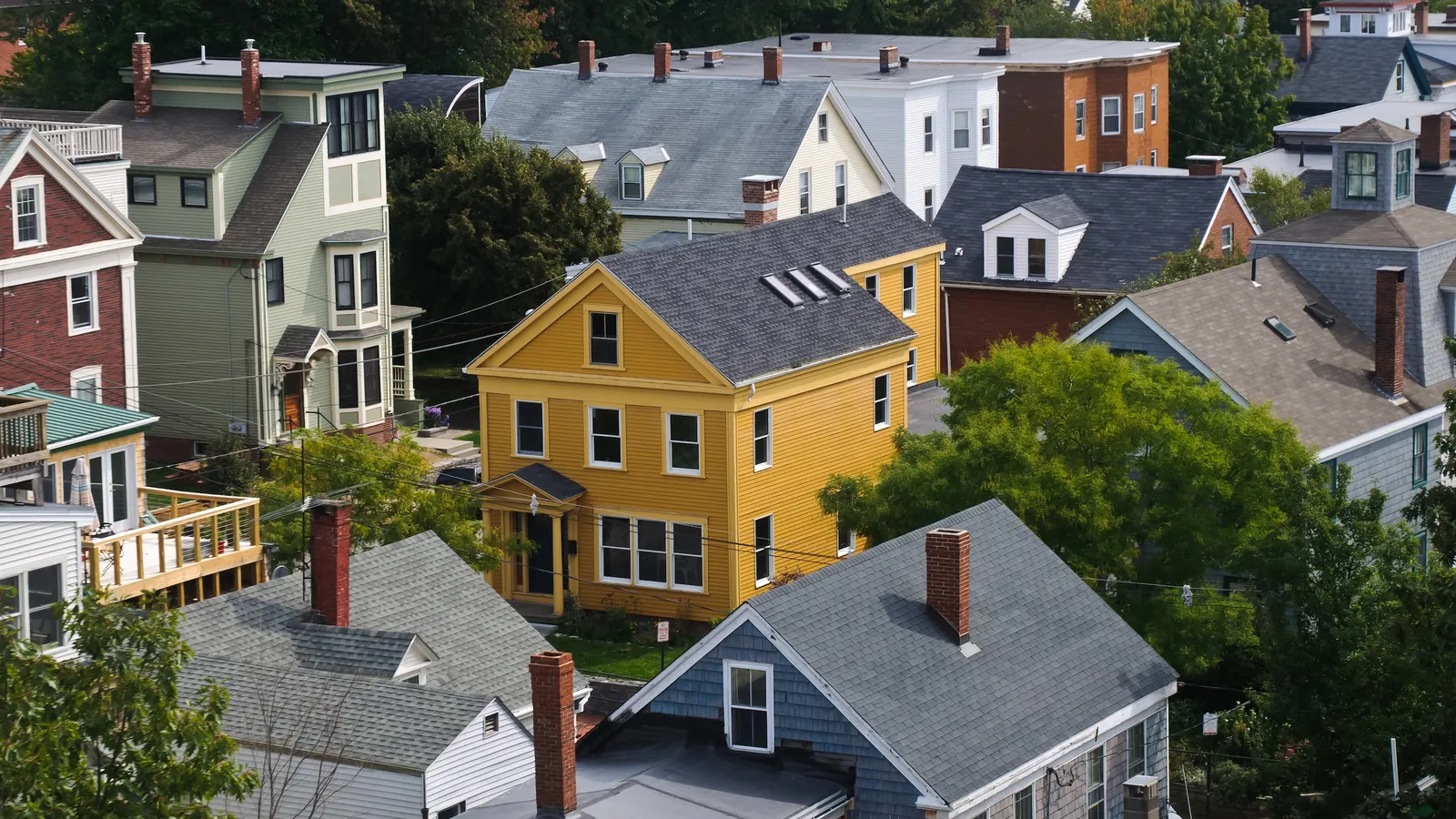
In an era defined by skyrocketing rents and a persistent scarcity of entry-level homes, municipalities across the United States are increasingly looking beyond traditional market-based solutions. As the affordable housing gap widens, Portland—a city of approximately 70,000 residents—is moving to the forefront of a burgeoning national trend: the adoption of social housing. By prioritizing public or non-profit ownership, these programs aim to decouple housing from the volatility of speculative real estate, ensuring that long-term affordability is a feature of the development rather than an ephemeral subsidy.
The Paradigm Shift: Defining Social Housing
Social housing is fundamentally distinct from the traditional "public housing" model often associated with mid-20th-century federal projects. Unlike conventional affordable housing, which often relies on tax credits and private developers who eventually transition units to market rates, social housing is designed to remain permanently affordable.
The core philosophy rests on institutional control. By keeping developments under the stewardship of the city or a non-profit entity, the surplus revenue—or "profits"—generated by the property are not siphoned off to private equity investors. Instead, they are reinvested into the maintenance of the existing stock or the construction of new units. This "revolving door" of capital creates a self-sustaining ecosystem that insulates low-to-middle-income residents from the pressures of the broader housing market.
Chronology of a Policy Pivot
The path toward social housing in Portland has been a methodical process of research, public engagement, and legislative groundwork.
- Early 2024: Faced with rising housing costs, Portland municipal leaders formed the Social Housing Task Force to investigate alternatives to current development models.
- Spring 2024: The task force initiated an extensive outreach phase, conducting 18 public meetings and educational forums. These sessions were designed to demystify the concept of social housing and gauge public appetite for city-owned developments.
- Mid-2024: The task force finalized its review of international and domestic models, analyzing successful implementations in cities like Chicago and Seattle.
- Late 2024/Early 2025: The task force presented its formal recommendations to the city council, proposing two distinct pilot programs that leverage city-owned land and existing housing authority infrastructure.
Supporting Data: The National Context
Portland’s move is not occurring in a vacuum. It is part of a broader realization that the private market has failed to produce enough supply for the "missing middle." According to recent reports from the Harvard Joint Center for Housing Studies, the national housing shortage has reached critical levels, forcing cities to intervene directly.
Chicago has recently taken a bold step by passing the Green Social Housing Ordinance. The city established the Residential Investment Corporation (RIC), a nonprofit entity that operates independently of the municipal Department of Housing. The RIC’s mandate is to own and manage properties, ensuring that every dollar of profit is funneled back into future development.
Similarly, Seattle made headlines this past spring when it acquired its first building under a new mixed-income social housing program. By purchasing existing structures and converting them to social housing, Seattle is effectively bypassing the long lead times associated with new construction, providing immediate relief to tenants in a high-demand market.
The Portland Proposal: Two Paths to Affordability
The Portland Social Housing Task Force has recommended a dual-track strategy to initiate the city’s transition:
1. The Mixed-Income Development Pilot
This pilot focuses on the construction of a city-owned, mixed-income housing development. By blending units for various income levels, the project aims to avoid the concentration of poverty often associated with older housing models. This economic diversity is intended to stabilize the development’s financial health, as market-rate rents from higher-income units subsidize the more affordable ones.
2. The Additive Rental Unit Pilot
The second recommendation involves an immediate case study using the existing Portland Housing Authority or the Portland Housing Development Corporation. This pilot focuses on "additive" units—city-financed and city-owned additions to existing properties. This approach is designed for speed and efficiency, utilizing the established legal and operational frameworks of the city’s current housing agencies to add supply without the overhead of starting from scratch.
Official Responses and Strategic Vision
Sykes, co-chair of the Social Housing Task Force, emphasizes that the success of these programs hinges on transparency and long-term planning. "Our process wasn’t just about selecting a site," Sykes noted. "It was about looking at the fundamental mechanics of financing and the strategic use of city-owned land. We spent months vetting what works in other cities and ensuring that our model is tailored to Portland’s specific demographic and economic needs."
City officials have echoed this sentiment, noting that the goal is to create a "permanent buffer" against market inflation. By controlling the land, the city removes one of the most significant barriers to development: the high cost of acquisition. When the land is essentially "free" to the project because it is already owned by the public, the financing gap for affordable units shrinks significantly.
Implications for the Future
The implications of this shift are profound. If Portland succeeds in its pilot programs, it could provide a blueprint for other small-to-mid-sized cities struggling with limited resources.
Economic Implications
By retaining ownership, the city is effectively building an asset class that grows in value over time. While the primary goal is social stability, the secondary goal is fiscal sustainability. Instead of paying subsidies to private landlords, the city keeps the housing revenue within its own portfolio, reducing the long-term reliance on state and federal grants.
Social Implications
Social housing is fundamentally about dignity and stability. For many residents, the threat of displacement due to rent hikes is a constant source of stress. Social housing offers long-term tenure security, allowing families to put down roots and participate in the local economy without the fear of being priced out.
The Challenges Ahead
Despite the optimism, the road ahead is not without obstacles. The primary challenge remains the upfront capital required for construction and renovation. Even with city-owned land, the costs of materials and labor are at historic highs. Furthermore, there is the ongoing challenge of maintenance and management. Transitioning from a city that facilitates development to a city that manages property requires a shift in municipal expertise and capacity.
Critics of the social housing model often argue that it could potentially crowd out private development or create bureaucratic inefficiencies. However, proponents argue that the current market-driven system has created a supply-demand imbalance that private developers have shown no interest in solving for lower-income brackets.
Conclusion: A Model for Resilient Urbanism
As Portland moves toward the implementation phase of its social housing initiatives, the city stands at a crossroads. The choice to treat housing as a public good rather than merely a speculative commodity is a significant departure from 20th-century urban planning norms.
By integrating the lessons learned from Chicago’s non-profit-led model and Seattle’s acquisition-based approach, Portland is positioning itself as a laboratory for modern, resilient urbanism. The 18 public meetings held by the task force were more than a procedural requirement; they represented a community-wide conversation about what kind of city Portland wants to be.
If the pilots prove successful, the city will have demonstrated that with the right combination of political will, creative financing, and institutional stewardship, even small cities can turn the tide on the housing crisis. The coming years will be critical as these projects break ground, providing a tangible answer to the question of whether social housing can indeed serve as the foundation for a more equitable future.
For the residents of Portland, the promise of these initiatives is simple: a home that they can afford today, and one that will remain affordable for generations to come. As the city moves forward, it remains a test case that many other municipalities, facing identical pressures, will be watching closely.
