




By Editorial Staff
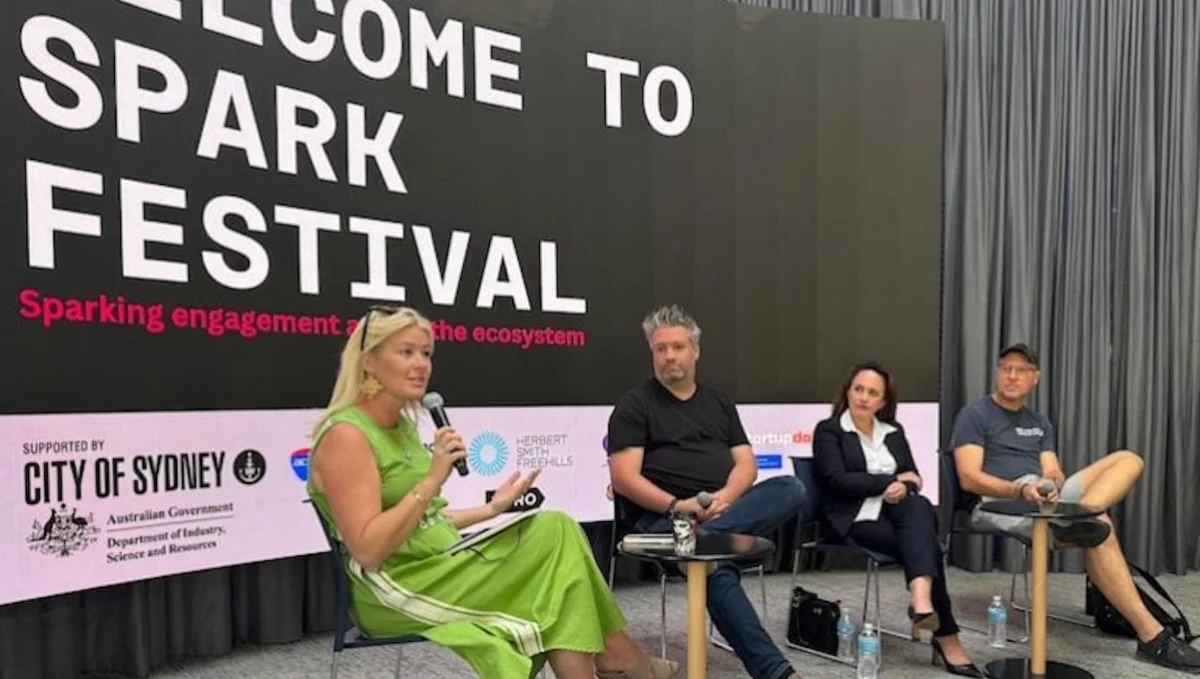
As the calendar turns toward late September, Sydney’s technology sector is preparing for a landmark event that serves as both a celebration of innovation and a defiant statement of resilience. Spark Festival, Australia’s premier free-to-attend startup celebration, has officially unveiled its program for its 11th year, with the festivities set to kick off on September 21.
Coming at a time when the local ecosystem is grappling with the cooling of capital markets and the shifting landscape of corporate-backed innovation, the festival arrives not merely as a networking opportunity, but as a critical rallying point for founders, investors, and policymakers.
Main Facts: A Decade of Grassroots Innovation
Now entering its second decade, Spark Festival has solidified its reputation as the "people’s festival" of the Australian startup world. Unlike industry-exclusive summits that often feature high-ticket entry prices, Spark remains steadfast in its commitment to accessibility, offering a week-long calendar of workshops, panel discussions, and pitch events that are free to the public.
The 2026 program, unveiled this week, features a diverse array of sessions designed to address the current realities of the Australian startup landscape. From deep-tech showcases and generative AI implementation workshops to sessions on mental health for founders, the curriculum reflects the broadening scope of what it means to be a "tech company" in the modern economy.
The festival, which attracts thousands of participants annually, is designed to democratize access to the venture capital and mentorship networks that have historically been gated behind closed doors. By leveraging a decentralized approach, the festival organizers empower independent community groups to host their own events under the Spark banner, ensuring a wide representation of the industry’s many sub-sectors.
Chronology: Navigating a Tumultuous Year
The 2026 iteration of Spark does not exist in a vacuum; it follows one of the most challenging twelve-month periods for the Sydney tech scene in recent memory. To understand the significance of this year’s festival, one must look at the recent timeline of the city’s startup infrastructure:
- Q4 2025 – The York Street Hub Closure: The shuttering of the iconic York Street Startup Hub—a long-standing cornerstone for early-stage entrepreneurs in the CBD—left a physical and symbolic void in the heart of the city’s startup scene.
- Q1 2026 – Regulatory Shifts: Changes to capital gains tax (CGT) structures and R&D tax incentive thresholds caused significant uncertainty for seed-stage investors, leading to a temporary slowdown in deal flow.
- Q2 2026 – The SXSW Disruption: The collapse and subsequent restructuring of the South by Southwest (SXSW) Sydney event created further instability, leaving many tech stakeholders without their expected mid-year showcase.
- Q3 2026 – The Road to Spark: Through the winter months, the Spark Festival team worked in overdrive to curate a program that could fill the void left by these closures, focusing on community-led stability and long-term ecosystem health.
Supporting Data: The State of the Sydney Ecosystem
While the news cycle has been dominated by closures, the underlying data suggests a more nuanced story of transformation. According to industry analysis, while "mega-rounds" of funding have become rarer, the volume of pre-seed and seed-stage activity in Sydney remains robust.
Data indicates that the pivot toward "sustainable growth" rather than "growth at all costs" has been a defining feature of 2026. The number of startups focusing on B2B SaaS (Software as a Service) and climate-tech solutions has seen a 14% year-on-year increase. Furthermore, the diversification of the workforce—with a record number of founders coming from non-technical backgrounds—suggests that the Sydney startup pool is becoming more inclusive and cross-functional than it was in the post-pandemic boom of 2021-2022.
The festival’s own metrics for 2026 indicate an record number of event submissions, suggesting that the hunger for in-person collaboration has not only survived the economic downturn but has intensified.
Official Responses: A Call for Community Strength
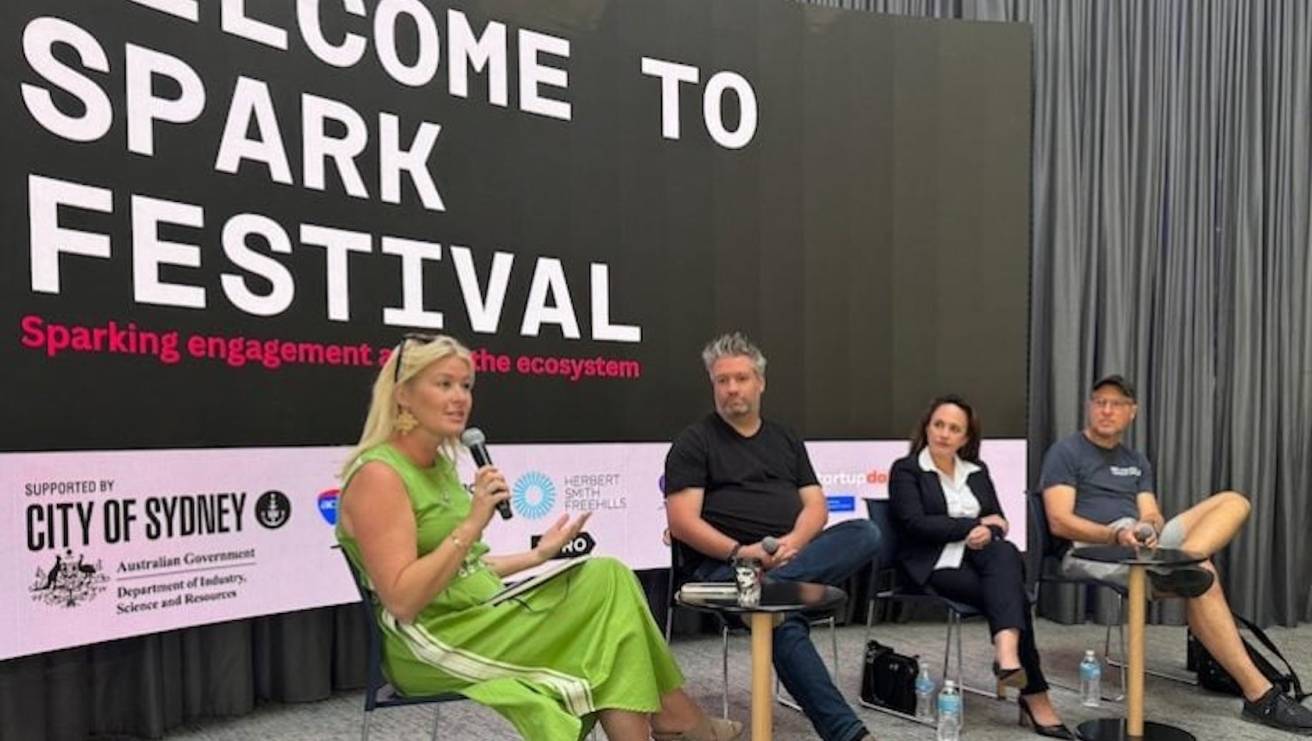
Spark Festival CEO Harry Godber has been vocal about the importance of this year’s event. In a statement released during the program launch, Godber emphasized that the festival’s strength lies in its refusal to be tied to any single corporate interest.
"Spark has been a grassroots event since the beginning," Godber stated. "One of the special things about it is that it brings together an enormous amount of people from across the system—from university students just starting their first side project to seasoned founders looking for their next exit strategy. In a year where we’ve seen hubs close and major events falter, the community has stepped up to ensure the spirit of collaboration remains."
Godber added, "Everyone has a role to play in the ecosystem. This isn’t just about ‘tech.’ It’s about the people who are building the future of our economy. By keeping this event free and open, we are removing the barrier to entry that so often keeps the best ideas from finding the right audience."
Implications: What This Means for the Future
The return of Spark Festival raises important questions about the future of Sydney as a global tech hub. As the sector matures, the reliance on single, physical locations like the York Street Hub is being replaced by a more fluid, distributed network.
The Decentralization of Innovation
The shift away from centralized hubs implies that the next generation of Sydney startups will likely be more geographically dispersed. Spark’s program reflects this by partnering with co-working spaces, university labs, and even cafes across Greater Sydney, rather than anchoring the festival in a single monolithic venue. This strategy is likely to foster a broader talent pool, drawing in entrepreneurs from the suburbs who were previously discouraged by the friction of commuting to the CBD.
Policy and Advocacy
The festival also serves as a vital sounding board for policy. With federal and state governments currently evaluating the effectiveness of tax incentives, the conversations occurring at Spark this year are expected to shape the policy agenda for 2027. If the startup community can present a unified front regarding the necessity of a stable tax environment, the collective voice amplified by the festival could have a tangible impact on legislative outcomes.
The Human Element
Perhaps most significantly, the festival addresses the "founder fatigue" that has become a quiet crisis in the industry. With high-interest rates and a difficult fundraising environment, many entrepreneurs are facing burnout. By dedicating space to mental health, leadership, and personal resilience, Spark is signaling a shift toward a more mature, human-centric approach to business development.
Conclusion: A Catalyst for the Next Chapter
As the September 21 launch date approaches, the mood in the Sydney startup community is one of cautious optimism. The challenges of the past year have not gone away, but the determination to build through them is palpable.
Spark Festival 2026 represents a critical inflection point. It is a moment for the industry to take stock, consolidate its strengths, and redefine what success looks like in an era of fiscal discipline. For the founders and investors who will walk through the doors of the various venues, the festival is a reminder that while funding may ebb and flow, the community itself is the most durable asset in the innovation economy.
Whether one is a veteran of the tech scene or a newcomer with a nascent idea, the 11th annual Spark Festival promises to be the most vital gathering of the year—a testament to the fact that when the lights go out in the corporate boardrooms, the spark of innovation continues to burn brightest at the grassroots level.
