



The global automotive landscape is currently witnessing a paradoxical phenomenon. While the mass-market sector, bolstered by aggressive pricing strategies and high consumer demand, continues to thrive, the luxury segment is facing a severe, structural correction. From the hallowed halls of Porsche to the bespoke workshops of Aston Martin and the storied history of Maserati, the "middle" of the luxury market is feeling an unprecedented squeeze.
While ultra-high-end manufacturers like Ferrari and Bugatti—brands that rely on artificial scarcity and near-infinite pricing power—remain insulated, the broader luxury category is finding that even the wealthiest buyers are becoming increasingly discerning. As dealers struggle to move inventory and manufacturers grapple with the fallout of failed electrification strategies, the industry is entering a period of painful introspection.
Main Facts: The Luxury Slowdown
The core of the issue lies in a fundamental misalignment between product cycles, economic reality, and consumer sentiment. While mass-market brands like Kia are seeing record-breaking growth, premium brands that sit in the $100,000 to $250,000 range are seeing their sales figures plummet.
The primary driver of this decline is a lack of genuine innovation. After years of record profits, many manufacturers bet their futures on a rapid transition to electric vehicles (EVs). However, as consumer adoption in the U.S. and other key markets has cooled, these companies find themselves in a precarious position: they have spent billions on EV infrastructure and R&D for vehicles that are currently failing to move off the showroom floor, while their internal-combustion engine (ICE) lineups have been left to stagnate.
Chronology of a Market Shift
The decline did not happen overnight, but rather through a series of missteps that have culminated in the current crisis.
- The Pandemic Pivot: During the COVID-19 pandemic, supply chain constraints led to record-high transaction prices. Consumers, flush with savings and restricted in their travel, turned to luxury vehicles as a primary status symbol, allowing brands to command significant markups.
- The Electrification Gamble: Starting around 2021-2022, major European manufacturers accelerated their timelines for "all-electric" futures. R&D budgets were stripped from traditional luxury sedan and sports car development to fund modular EV platforms.
- 2023-2024: The Reality Check: As interest rates rose and the initial "early adopter" pool for luxury EVs was exhausted, sales for models like the Porsche Taycan and other premium EVs began to crater.
- Mid-2025: The Current Crisis: Manufacturers now find themselves with aging ICE fleets that have not received the necessary updates to remain competitive, and an EV lineup that the current market refuses to embrace. Dealers, particularly for brands like Maserati, have reported months where sales volume has dropped to near-zero.
Supporting Data: By the Numbers
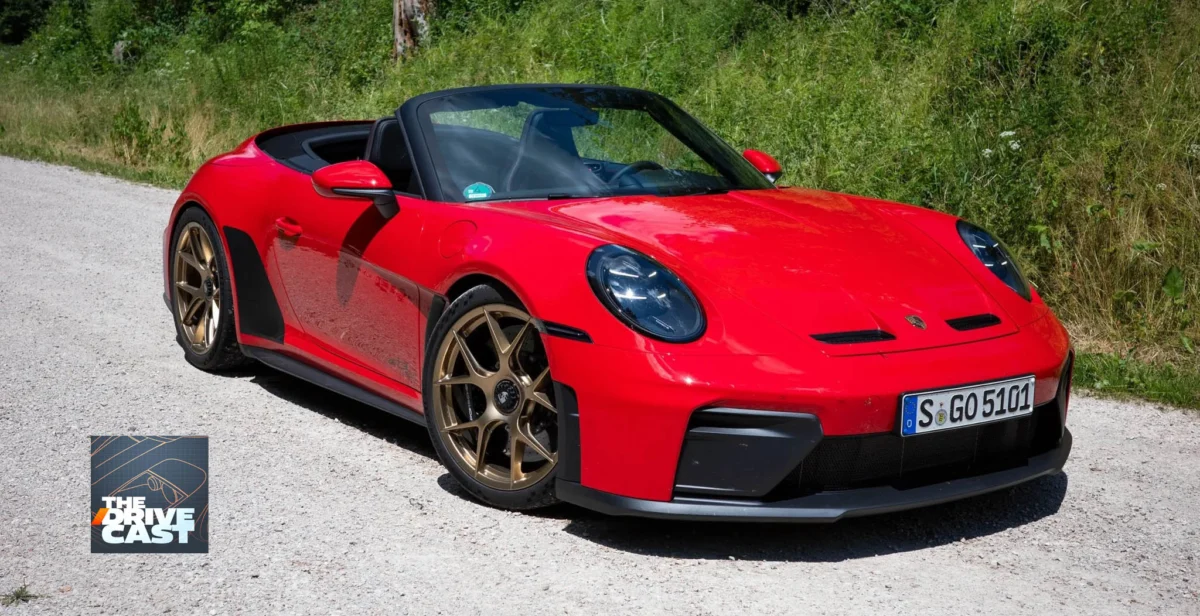
The data paints a bleak picture for those in the premium and luxury tiers. Porsche, which once relied on the Cayenne and Macan to act as the "bank" for the company, has reported its worst sales performance since 2009. The brand saw a 26% decline in China alone—a market that was once the primary engine of its growth.
Maserati’s situation is even more dire. Recent reports indicate that in the United States, a significant portion of its 86-dealer network failed to sell a single car during the final weeks of August 2025. Aston Martin is similarly struggling, with revenue down 21% and unit sales hovering at just over 5,000 vehicles annually.
In contrast, Ferrari maintains its position by adhering to a strict, self-imposed limit on production. By ensuring that supply is always slightly lower than demand, Ferrari maintains its resale value and prestige. However, brands like Bentley and Porsche do not have the volume constraints of Ferrari, nor the mass-market scale of a company like Toyota, leaving them caught in the "luxury middle" with nowhere to hide.
Dealer Tactics and Consumer Backlash
A recurring theme in this market downturn is the "forced allocation" strategy employed by dealerships. To move stagnant inventory, such as the Taycan, dealers have begun tying access to high-demand, limited-production vehicles (like the 911 GT3 RS) to the purchase of these less-desirable models.
"I’m buying cars I don’t want just to buy the cars I do want," is a sentiment increasingly echoed by high-net-worth individuals. This practice has created a secondary market glut. When owners try to trade in these forced-purchase vehicles, they find that the depreciation is catastrophic. This cycle of forced sales is now actively damaging the brand equity of manufacturers who once prided themselves on exclusivity.
Furthermore, the rise of "luxury-adjacent" vehicles—highly optioned trucks and SUVs from brands like Ford, GMC, and Hyundai—has begun to cannibalize the lower end of the traditional luxury market. When a $90,000 GMC Yukon or a top-tier Hyundai Palisade offers a level of comfort, technology, and build quality that rivals entry-level European sedans, the value proposition of a badge-heavy "entry-level luxury" car is severely weakened.
Official Responses and Strategic Implications
Industry executives are largely keeping their cards close to their chests, but the shift in strategy is becoming evident. We are seeing a move away from the "all-electric" rhetoric of 2022. Manufacturers are scrambling to extend the life of their ICE platforms, pouring funds back into hybrid technology and combustion efficiency—a "whiplash" effect that is costing the industry billions in wasted capital.
The question of "what is a luxury car?" is also being re-evaluated at the boardroom level. Executives are questioning whether a $50,000 car with a premium badge truly constitutes "luxury" when the features it offers—massaging seats, adaptive headlights, and premium materials—are now standard in top-tier mass-market vehicles.
The Road Ahead
The luxury market is in the midst of a necessary, albeit painful, adjustment. The brands that survive will likely be those that can successfully pivot back to a "bespoke-first" model, moving away from mass-produced luxury and back toward coach-built, personalized experiences.
For the consumer, this period of instability may lead to better deals on existing inventory, but it also signals the end of an era. The days of simply slapping a premium badge on a mid-sized sedan and charging a 30% markup are effectively over. As the market forces a return to fundamentals, luxury automakers will have to prove their worth not through brand heritage alone, but through genuine, tangible superiority.
Ultimately, the lesson of 2025 is clear: even in the world of seven-figure price tags and exclusive clubs, the consumer is not stupid. When the substance fails to match the price, the market will correct itself, regardless of how prestigious the logo on the grille might be.
For more in-depth analysis on the automotive industry, subscribe to The Drivecast on Spotify, Apple Podcasts, or Amazon Music. Have a tip or feedback? Reach out to our editorial team at [email protected].
