





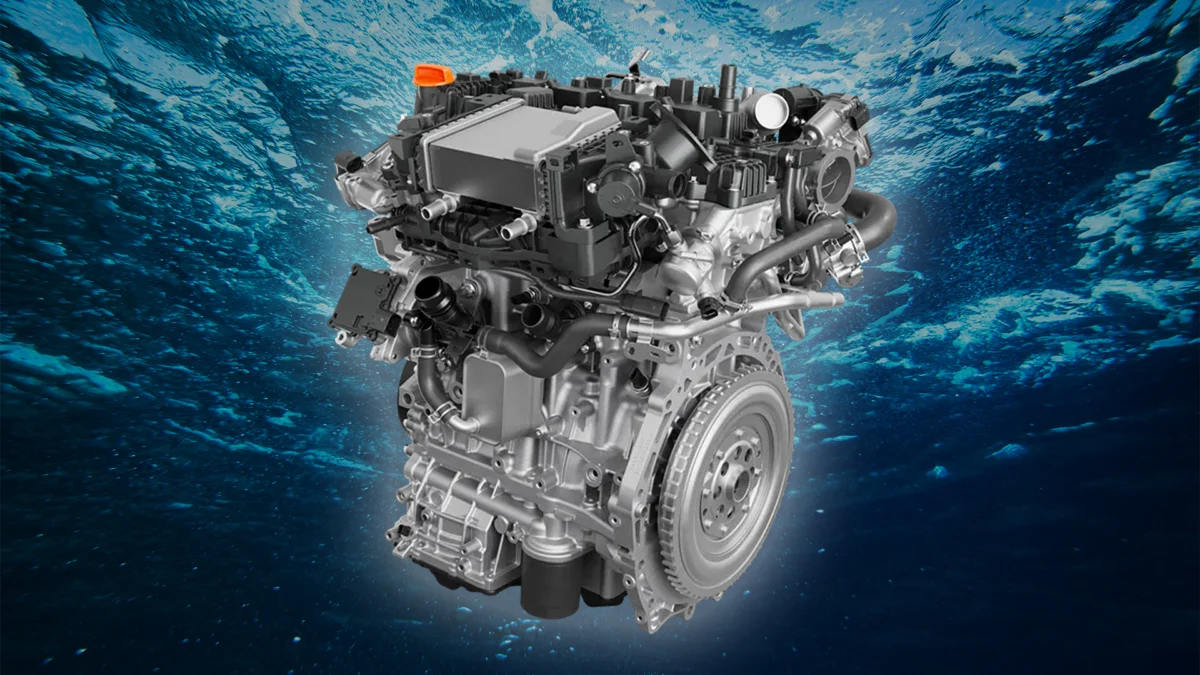
In an era where the automotive industry is obsessed with electrification metrics, range anxiety, and charging infrastructure, a quiet revolution is happening in the combustion sector. Horse Powertrain, the joint venture between automotive titans Renault and Geely, has unveiled the B20—a 2.0-liter turbocharged engine that achieves a feat once thought reserved for specialized military hardware: it can operate while fully submerged in water.
While automakers have long boasted about "wading depths" in their marketing brochures, the B20 represents a fundamental shift in how we perceive the durability of internal combustion engines (ICE). Rated with an IPX8 certification, this powerplant can function under 1.1 meters (approximately 3.6 feet) of water, effectively blurring the lines between a traditional road-going vehicle and an amphibious vessel.
The Core Facts: Beyond the Splash
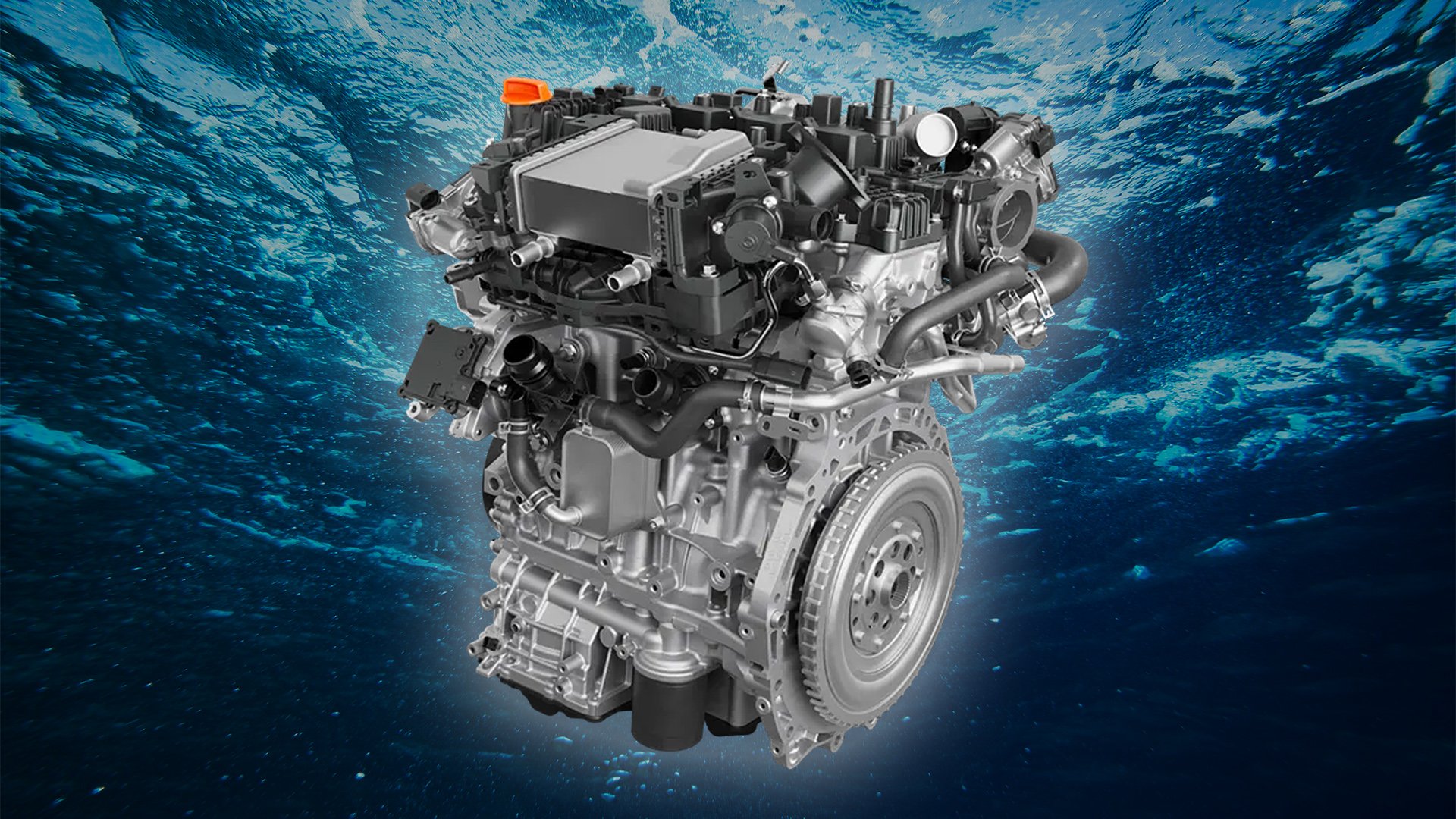
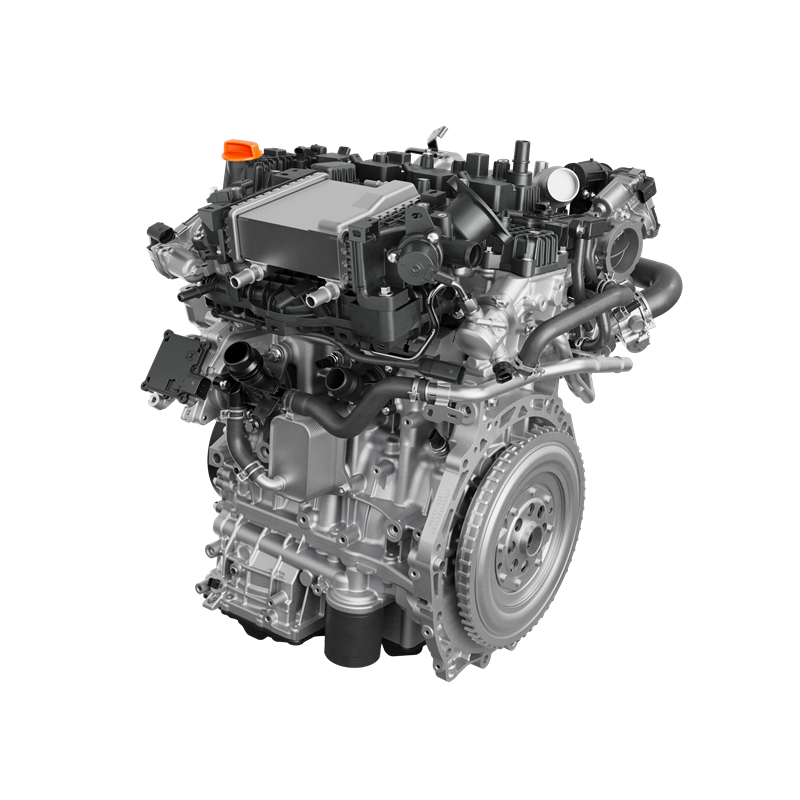
The Horse B20 is not merely a "water-resistant" engine; it is a comprehensively sealed power unit. At its heart, the B20 is a 2.0-liter, direct-injection turbocharged four-cylinder engine. Weighing in at a remarkably lean 287 pounds, the engine utilizes an aluminum gantry-style block. This design choice was deliberate, aimed at optimizing both structural integrity and weight distribution—critical factors for vehicles intended for the rugged, unpredictable terrain where such deep-water fording is necessary.
The engine’s performance specifications are equally impressive. Depending on the tune and application, the B20 delivers between 188 and 248 horsepower, with torque figures ranging from 221 to 280 lb-ft. This power band is specifically optimized for hybrid integration, making it a modular solution for the next generation of plug-in hybrid (PHEV) and extended-range electric vehicles (EREVs).
Chronology of a Breakthrough: The Path to the Galaxy Cruiser
The development of the B20 did not happen in a vacuum. It is the culmination of years of collaborative engineering between Renault’s European powertrain expertise and Geely’s rapid-fire deployment cycles in the Chinese market.
- Early 2024: Horse Powertrain officially signals its intent to bridge the gap between pure EVs and traditional combustion engines, focusing on hybrid-first architectures.
- Late 2025: Initial testing of the B20’s sealed housing architecture begins, focusing on the integration of torsional vibration dampers and high-pressure sealing rings.
- July 2026: The Geely Galaxy Cruiser 700 debuts, serving as the flagship testbed for the technology. With a staggering 1,113 horsepower output (derived from a hybrid configuration), the Galaxy Cruiser signals to the world that "box-style" off-roaders are entering a new, hyper-capable era.
- September 2026: Horse Powertrain officially releases the technical specifications of the B20, confirming the IPX8 rating and detailing the intelligent sensor suite that governs operation during submersion.
Supporting Data: The Science of the "Sub-Engine"
The B20’s ability to run underwater is not magic; it is the result of rigorous mechanical and electronic isolation. Traditional engines fail in deep water primarily due to two factors: hydrolock (water entering the air intake) and electrical shorts in the ignition and control systems.
Horse has tackled these issues through a multi-pronged approach:
1. Sealing and Structural Integrity
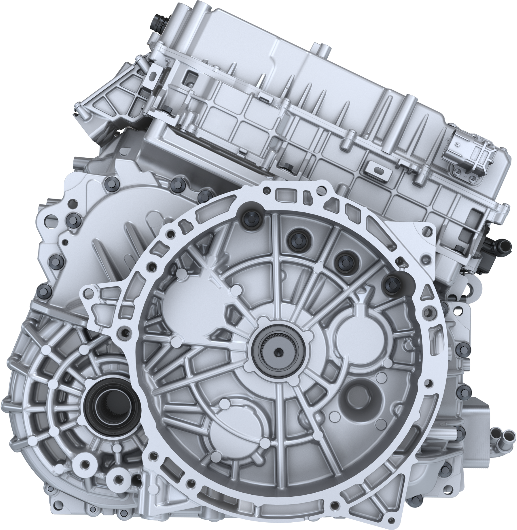
The engine uses a proprietary sealing system for the crankshaft, transmission interface, and auxiliary drive systems. By utilizing advanced elastomeric gaskets and a gantry-type aluminum block, Horse has eliminated the typical gaps that allow water ingress.

2. Intelligent Electronic Management
The most innovative aspect of the B20 is its "submersion-aware" ECU (Engine Control Unit). The engine is equipped with an array of IPX8-rated sensors that constantly monitor ambient pressure and moisture levels. When these sensors detect that the engine is fully submerged, the software automatically triggers a "safe-submersion mode." This mode limits the throttle response and adjusts fuel injection timing to prevent excessive load on the drivetrain, effectively ensuring the engine continues to churn while the vehicle navigates through a river or flooded terrain.
3. Combustion Efficiency
The B20 doesn’t sacrifice performance for its aquatic capabilities. It features high-tumble intake ports and pistons specifically designed to leverage the "squish" effect—a phenomenon where the fuel-air mixture is compressed rapidly at the top of the compression stroke. This promotes faster, cleaner combustion, which is essential for maintaining power output even when the external cooling environment (water) creates massive thermal differentials compared to standard atmospheric operation.
Official Responses and Strategic Implications
Horse Powertrain has positioned the B20 as a "gap-filler" for the modern automotive landscape. In a market where Jeep has recently retrenched on its hybrid offerings, Horse is betting that the demand for hybrid 4x4s is not a trend, but a permanent segment.
"We aren’t just making engines; we are making platforms for adventure," a representative from Horse noted during the unveiling. "The B20 is designed for the driver who doesn’t want to check the weather report before heading off-road. Whether it’s splash protection or total submersion, the engine is designed to outlast the conditions."
Industry analysts suggest that the B20’s success could force a rethink of "wading depth" standards across the industry. Currently, most manufacturers limit their "water fording" depth based on the risk of electrical failure or air intake ingestion. By proving that a high-performance combustion engine can remain active under water, Horse is challenging the traditional limitations of vehicle design.
The Future of Off-Roading: What This Means for Consumers
The implications of the B20 go beyond just driving through deep water. The technology represents a shift in "ruggedization." If an engine can be sealed to IPX8 standards, it is inherently better protected against dust, mud, salt, and extreme temperature fluctuations. This makes the B20 an ideal candidate for heavy-duty commercial vehicles, search-and-rescue units, and high-end overlanding rigs.
The Geely Galaxy Cruiser 700, while currently the primary beneficiary of this tech, serves as a proof of concept. Its ability to handle 35 inches of wading depth—just shy of the engine’s total 43-inch capability—shows that the limiting factor is no longer the engine, but rather the vehicle’s body, tires, and electrical cabin components.
A New Benchmark for Resilience
As the automotive industry continues its pivot toward electrification, the Horse B20 serves as a defiant reminder that the internal combustion engine still has room for radical innovation. By focusing on the intersection of hybrid efficiency and extreme-environment durability, Horse has created a power unit that is not only relevant for 2026 but sets a new standard for what we should expect from a "trail-ready" vehicle.
Whether you are a fan of the bold, boxy aesthetics of the Galaxy Cruiser or you are simply impressed by the engineering behind a motor that refuses to quit when drowned, one thing is clear: the B20 has set a high bar. The days of worrying about a splash-induced engine stall may be coming to an end, and for off-road enthusiasts, that is perhaps the most exciting development of the year.
As we look toward the future of mobility, the B20 proves that the hybrid transition isn’t just about saving fuel—it’s about enabling a new level of mechanical capability that, quite literally, takes the car to depths it has never seen before.
