





Main Facts: A Resilient Rebound
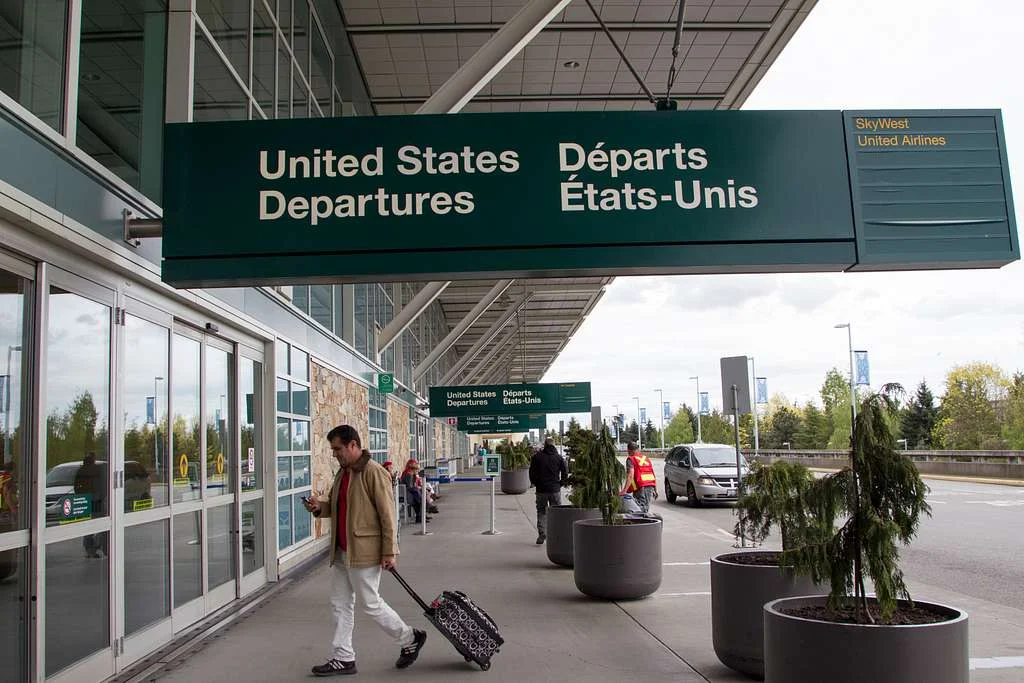
In a surprising display of consumer resilience, Canadian travel to the United States has surged, defying warnings from industry experts who feared that escalating trade friction between Ottawa and Washington would stifle cross-border tourism. According to the latest data released Friday by Statistics Canada, the number of return trips made by Canadian residents from the U.S. climbed by 8.8% in August, marking the fifth consecutive month of year-over-year growth.
The data reveals a broad-based recovery, with both land and air travel contributing to the upward trajectory. Automobiles—the primary mode of transport for Canadian snowbirds and weekend travelers—saw an increase of 9.9%, while air travel logged a modest but steady 3.6% gain. While these figures suggest a robust momentum, they also highlight the volatile nature of post-pandemic travel patterns, where political posturing and economic instability continue to loom over the industry.
Chronology: A Trajectory of Recovery and Resistance
The narrative of the Canada-U.S. travel corridor over the last two years has been one of stop-and-start recovery.
Early 2024: The Geopolitical Shift
Starting in early 2024, travel trends among Canadian residents began to shift in tandem with the political temperature between the two nations. As trade rhetoric intensified—centered on tariffs, supply chain disputes, and protectionist policies—industry analysts predicted a cooling effect. The initial months of the year were characterized by anxiety, as tourism boards braced for a decline in Canadian visitors who might view the U.S. as a less welcoming or more expensive destination.
Mid-2024: The "Base-Year" Phenomenon
As the summer months approached, the industry observed a peculiar trend. Despite the heightened trade tensions, the numbers began to tick upward. Statistics Canada, however, cautioned against premature optimism, attributing the gains to a "base-year effect." Because travel numbers had cratered during the corresponding months of the previous year, even minor increases appeared as significant percentage gains when measured against a historically low baseline.
August 2024: Defying the Odds
August proved to be a critical turning point. Despite ongoing political disputes, the 8.8% growth outperformed market expectations. It confirmed that the desire for travel among Canadians remained largely inelastic, unaffected by the political headlines that dominated the news cycle during the spring and early summer.
Supporting Data: Understanding the Recovery Gap
While the current momentum is encouraging, a granular look at the data provides a sobering reality check. The recovery is far from complete, and the tourism sector remains a shadow of its pre-crisis self.
Comparing the Current Landscape to 2022
Statistics Canada’s report indicates that while the growth is consistent, the volume of travel is still significantly depressed compared to two years ago.
- Automobile Travel: Despite a 9.9% monthly jump, return trips by car remain 27.4% lower than they were in August 2022.
- Air Travel: Similarly, return trips by air, which have struggled to regain altitude due to high fuel costs and labor shortages, remain 22.7% below the levels recorded in 2022.
The disparity between the percentage growth and the absolute volume of travelers underscores a fundamental challenge: the industry is recovering from a deep trough, but the path to full normalization is long and fraught with macroeconomic headwinds, including inflation and a weakened Canadian dollar.
Official Responses and Industry Sentiment
The travel industry remains cautiously optimistic, though leaders acknowledge that the "base-year" reality is a significant factor in how they interpret the growth.
The Industry Perspective
Travel executives in the United States, who were initially deeply concerned about the impact of the trade war, are now adopting a "wait-and-see" approach. Many argue that the Canadian consumer’s loyalty to U.S. destinations—ranging from retail shopping in border states to vacationing in Florida and California—is too deeply ingrained to be derailed by diplomatic skirmishes.
"The data shows that people prioritize their vacation time even when the geopolitical climate is cold," noted one analyst from a major travel industry trade group. "However, the lingering deficit—the 27% gap—remains the true metric of success. We are growing, but we are not yet whole."
The Government Stance
Statistics Canada has maintained a neutral, data-driven stance. By consistently framing the recent growth within the context of the "base-year effect," the agency is signaling that policymakers should be wary of over-interpreting short-term gains as a sign of long-term stability. Their reports suggest that until the volume of travel exceeds the 2022 benchmarks, it is difficult to declare the recovery a success.
Implications: The Future of the Border Economy
The surge in travel, despite trade friction, carries significant implications for the North American economy.
Economic Interdependence
Tourism is a vital component of the Canada-U.S. relationship. When Canadians travel south, they support local economies, retail sectors, and hospitality industries that rely heavily on foreign visitors. The fact that this travel is holding steady despite trade wars suggests that the two economies remain deeply integrated at the consumer level, regardless of the political posturing at the federal level.
The Role of Exchange Rates and Inflation
Beyond trade policy, the cost of travel remains the most significant barrier to a full recovery. With the Canadian dollar struggling against the U.S. dollar, every trip south of the border is inherently more expensive for Canadians. When combined with domestic inflation in both countries, it becomes clear why the recovery has been so uneven. The current 8.8% growth indicates that Canadians are prioritizing travel despite these financial burdens, but it also raises questions about sustainability. Can this growth continue if the cost of living continues to climb?
Political Stability as a Tourism Variable
The link between political stability and travel demand is now firmly established in the minds of industry analysts. Future reports from Statistics Canada will likely continue to track how policy shifts—such as changes in border security, trade tariffs, or visa requirements—impact these numbers.
As we move toward the final quarter of the year, the industry will be watching to see if the "base-year" effect begins to diminish. If growth remains consistent into the end of 2024 and beyond, it will signify that the Canadian traveler has successfully adapted to the new geopolitical reality. If the growth plateaus, it will confirm that the current rebound was merely a correction after a period of extreme weakness.
Conclusion: A Delicate Balance
The recent data from Statistics Canada paints a picture of a resilient, yet still-healing, cross-border tourism sector. The 8.8% increase in August serves as a testament to the enduring bond between the two nations’ travel markets. While political tensions and economic pressures loom large, the Canadian traveler continues to cross the border, driven by a blend of necessity, leisure, and habit.
However, the "long way to go" warning provided by the statistical agency serves as a vital reminder. We are currently witnessing a rebound from the bottom, rather than a return to the peak. Whether the industry can bridge the 20% to 27% gap that remains relative to 2022 will depend on a complex interplay of diplomacy, currency stability, and the continued appetite of Canadians for the American travel experience. For now, the numbers are moving in the right direction, providing a rare bright spot in an otherwise complex trade relationship.
