




In a strategic move designed to redefine how Australians experience dining out, the New Zealand-founded booking platform First Table has successfully closed a $10 million capital raise. The injection of funds is earmarked for an aggressive expansion campaign across the Tasman, with the company setting its sights on doubling its Australian footprint within the next 12 months.
As the hospitality sector grapples with rising operational costs and shifting consumer spending habits, First Table’s model—which incentivizes diners to book "early bird" slots in exchange for significant discounts—has emerged as a vital tool for restaurant owners looking to optimize revenue during traditionally quiet periods.
The Core Concept: Filling the Void in Hospitality
First Table operates on a simple, yet highly effective value proposition. The platform offers diners up to 50% off their total food bill, provided they secure the first table of the night. For the restaurateur, this solves the "empty room" syndrome that often plagues the early hours of service, effectively turning a dead period into a marketing and foot-traffic driver.
For the consumer, it provides an accessible entry point to premium dining, turning a high-end dinner into an affordable luxury. This dual-sided benefit has allowed the platform to scale rapidly, transcending its New Zealand origins to become a significant player in the Australian hospitality technology landscape.
Chronology: From Concept to Cross-Tasman Powerhouse
The journey of First Table reflects a steady climb, marked by calculated growth and the successful adaptation of the "yield management" model typically reserved for airlines and hotels, now applied to the culinary world.
- The Inception: Founded in New Zealand, the platform was built to solve the fundamental inefficiency of restaurant inventory: tables that sit empty during off-peak times are a perishable commodity that loses all value once the clock strikes dinner time.
- The Expansion Phase: Following a successful model in its home market, First Table identified Australia as a primary growth vector. By providing a low-risk, high-reward solution for venue operators, the platform gained early traction in major metros.
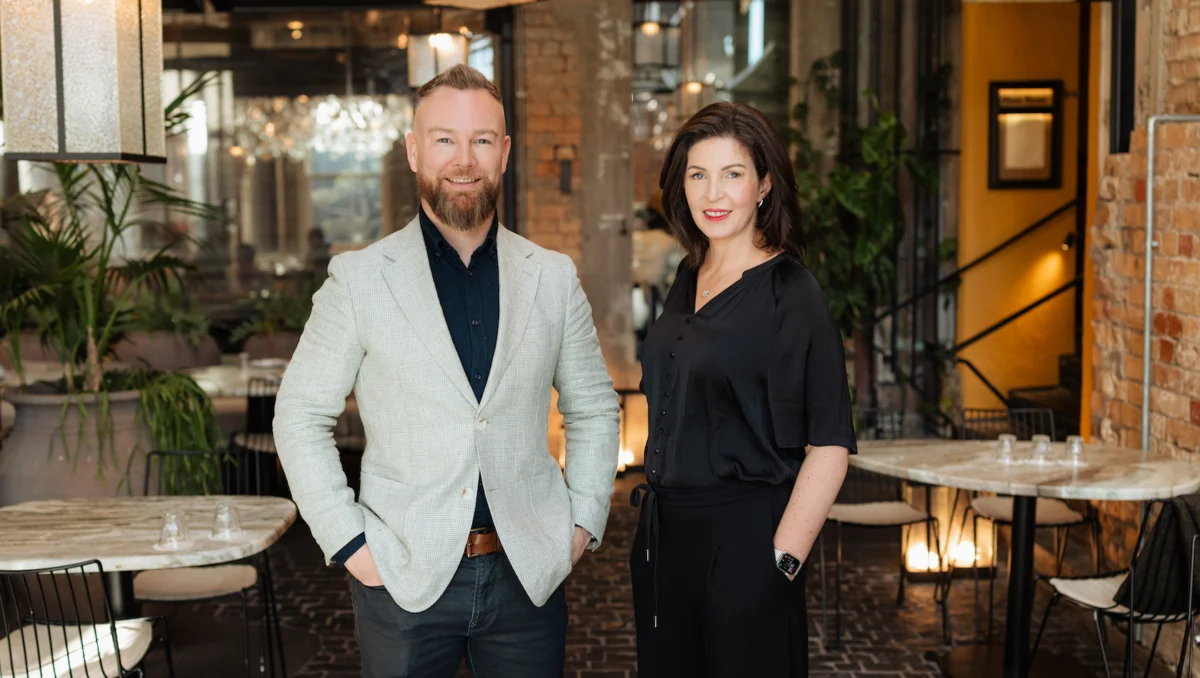
- The Executive Shift: A turning point in the company’s trajectory was the appointment of CEO Alex Cappy. Bringing significant experience from the high-growth environments of Uber and Deliveroo in the UK, Cappy steered the company toward a more data-driven, scalable operational model.
- The Capital Infusion (2026): The recent $10 million raise marks the company’s largest liquidity event to date, signaling a transition from an "emerging startup" to a mature, scaling enterprise ready for market dominance.
The Investor Syndicate
The $10 million round is a testament to the confidence institutional and angel investors have in the platform’s business model. The round featured a blend of returning and new backers:
- Returning Investors: Altered Capital, Invest South, Mainland Angels, and Snowball Effect shareholders all signaled continued faith in the company’s trajectory by reinvesting.
- New Strategic Backers: The addition of K1W1 and Icehouse Ventures provides not only capital but also deep networks within the Australasian startup ecosystem. These investors are known for backing ventures that disrupt traditional service sectors through digital transformation.
Supporting Data: By the Numbers
The scale of First Table’s current Australian operations provides a robust foundation for its next phase of growth:
- Market Presence: The platform is currently active in 22 Australian cities, covering a diverse range of urban and regional markets.
- Inventory Depth: There are over 1,500 restaurant partners currently utilizing the platform to manage their early-evening covers.
- User Base: The platform has successfully cultivated a community of over one million Australian users, demonstrating a strong product-market fit.
- Growth Targets: With the new capital, the company expects to replicate its previous year’s growth, essentially aiming to double its size in the Australian market by September 2027.
Official Responses and Strategic Vision
Speaking on the announcement, CEO Alex Cappy emphasized that the funding is not just about growth for growth’s sake, but about deepening the company’s presence in high-density urban corridors.
"We are incredibly ambitious," Cappy stated. "The goal is to double our presence in Australia in the next 12 months, mirroring the exponential growth we achieved over the past year. We see Sydney, Melbourne, Adelaide, and Perth as the primary engines for this next phase."
Cappy’s background—heavily steeped in the "gig economy" and logistics—has been instrumental in how First Table approaches restaurant acquisition. Rather than simply selling a discount, the team presents a sophisticated booking solution that helps venues manage their staff rosters and inventory more effectively.
Implications: Changing the Economics of Dining
The rise of First Table has broader implications for the hospitality industry, particularly in an era of "cost-of-living" pressures.
1. The Normalization of Yield Management
Historically, restaurants have been hesitant to offer discounts, fearing it would devalue their brand. However, First Table’s success proves that when discounts are tied to specific, off-peak times, it does not cannibalize full-price business. Instead, it creates a new "customer segment"—those who are price-sensitive but highly desirable as they arrive early and help create the "buzz" that attracts later, full-paying diners.
2. Digital Transformation in Hospitality
The platform is part of a larger wave of digital-first solutions for the restaurant industry. By providing restaurants with access to a million-strong database, First Table acts as a marketing engine that helps venues fill tables without the heavy overhead of traditional advertising.
3. Impact on Consumer Behavior
For the average Australian diner, the platform has fundamentally shifted expectations. The concept of "off-peak dining" has moved from being a niche hack to a mainstream behavior. As the platform expands, it is likely to see even more competition, yet its early-mover advantage and substantial war chest place it in a strong position to defend its market share.
The Road Ahead: Challenges and Opportunities
While the $10 million raise provides a significant runway, the path forward is not without challenges. The Australian restaurant market is notoriously fragmented and competitive.
- Competition: The space is crowded with reservation systems like OpenTable, TheFork, and various local booking apps. First Table differentiates itself through its specific focus on the discounted off-peak segment, but it must continue to innovate to remain the "go-to" for this experience.
- Economic Headwinds: Inflation in food and labor costs continues to put pressure on restaurant margins. First Table must balance the needs of its diners (who want the 50% discount) with the needs of its restaurant partners (who are struggling with tight margins).
- Scale and Quality: As the company doubles its size, maintaining the quality of the restaurant network will be critical. The platform’s reputation relies on the caliber of the venues it features.
Strategic Priorities for the Next 12 Months
- Urban Penetration: Increasing the density of restaurant partners in Sydney and Melbourne, where the competition for "best-in-class" venues is fierce.
- Technological Refinement: Enhancing the mobile app and user experience to ensure a frictionless booking process, essential for retaining a million-plus user base.
- Data Monetization: Leveraging the vast amount of data regarding dining trends to offer better insights to restaurant partners, helping them optimize not just their booking times, but their menu offerings and staffing levels.
Conclusion
The $10 million investment in First Table is a clear signal that the "experience economy" is evolving. By bridging the gap between hungry consumers looking for value and restaurant owners needing to maximize revenue, First Table has successfully carved out a unique niche in the Australian market.
As the company sets out to double its footprint, the success of this expansion will likely serve as a benchmark for how technology can support, rather than disrupt, the traditional hospitality sector. With a seasoned leadership team, a proven model, and the backing of institutional investors, First Table is well-positioned to become a fixture of the Australian dining scene for years to come. Whether the target is a high-end bistro in Sydney or a bustling cafe in Melbourne, the message is clear: the first table is now the most important table in the house.
