




By Investigative Staff
August 31, 2026
As the rapid integration of artificial intelligence (AI) into the global economy accelerates, a persistent, uncomfortable truth remains: we are woefully unprepared for the potential displacement of the American workforce. While mass AI-driven job losses have yet to reach catastrophic levels, policy experts are sounding the alarm. The current U.S. Unemployment Insurance (UI) system, a relic of a bygone economic era, is currently ill-equipped to handle the shocks of the 21st century.
Michele Evermore, Senior Policy Fellow for Economic Security at the National Employment Law Project (NELP), warns that the nation’s safety net has been allowed to atrophy for decades. In her recent issue brief, she argues that waiting for a crisis to force legislative action is a strategy that has failed the American worker time and again.
The State of the Safety Net: A System in Decay
The Unemployment Insurance system was designed with four primary objectives: stabilizing individual income, providing a bridge for workers to secure high-quality employment, maintaining labor force attachment, and acting as a countercyclical stabilizer during economic downturns. Historically, the system has been a powerhouse of economic resilience; for every dollar spent on UI benefits, nearly two dollars of economic activity are generated within local communities.
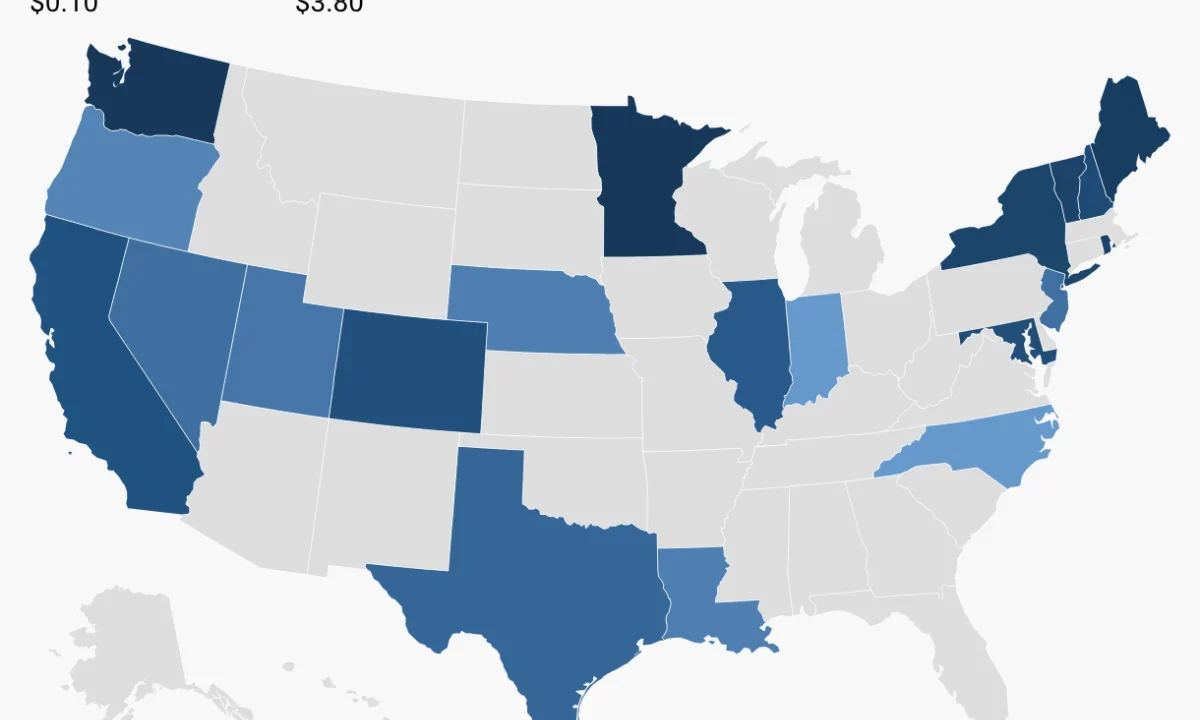
However, the reality in 2026 is starkly different. Since the Great Recession, a "race to the bottom" has permeated state-level UI programs. Many states have aggressively reduced benefit amounts, narrowed eligibility criteria, and shortened the duration of coverage. The result is a system that often fails to meet even its most basic goals, leaving millions of workers vulnerable to the volatility of an AI-augmented labor market.
A Chronology of Neglect
To understand why the system is failing, one must look at the decades of under-investment that preceded the current moment.
- 1980–1996: Bipartisan commissions were formed to study the UI system. Both entities reached the same conclusion: the system required fundamental structural improvements to remain effective. These recommendations were largely ignored.
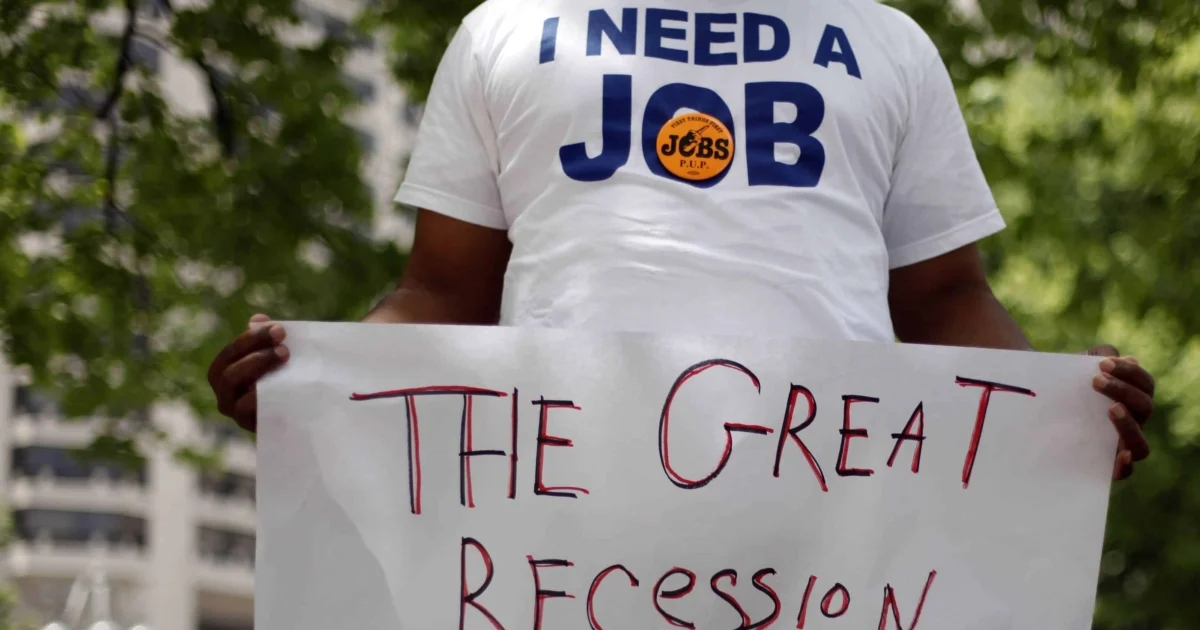
- The 2008 Great Recession: This period marked a turning point where states began aggressively cutting benefits and eligibility requirements to preserve trust fund balances, setting the stage for future inadequacy.
- 2020: The COVID-19 Pandemic: The pandemic exposed the fragility of the UI infrastructure. As record numbers of claims flooded in, agencies—operating on 50-year funding lows—found themselves paralyzed. Antiquated technology, combined with a skeleton staff struggling to adapt to remote work, meant that benefits were delayed by months.
- 2020–2022: The Fraud Crisis: As state systems struggled to launch emergency programs under the CARES Act, the lack of modern infrastructure and oversight made them easy targets for organized criminal syndicates, resulting in billions of dollars in losses.
- 2026: The AI Inflection Point: Today, the economy faces a new, more existential threat. The rise of AI, coupled with a labor market characterized by "ghost jobs" and record-low participation rates, has rendered the old 20th-century model of job placement obsolete.
Supporting Data: The Illusion of Opportunity
The modern job seeker faces an environment far more complex and demoralizing than in previous decades. Data suggests that as many as one in three job postings currently visible on major platforms are "fake"—ghost listings that companies use to build talent pools or project growth without actual hiring intent.
For the average worker, this translates into a cycle of futility. Jobseekers report sending out hundreds of resumes with zero response, leading to a surge in long-term unemployment and a decline in labor force participation. When the primary tools for job placement—the Employment Service—are systematically dismantled, the bridge back to the workforce is effectively severed. The current lack of a robust, state-supported re-employment framework is not just a policy failure; it is a direct contributor to the growing discouragement among the American workforce.
Official Responses and Legislative Reform
There is, however, a path forward. The policy solutions recommended by the bipartisan commissions of the 1980s and 90s have been revitalized in current federal legislative efforts.
Senator Ron Wyden (D-OR), Senator Michael Bennet (D-CO), and Congressman Don Beyer (D-VA) have championed bicameral legislation aimed at a comprehensive overhaul of the UI system. This proposed legislation seeks to harmonize state standards, modernize technological infrastructure, and ensure that UI is not just a bare-minimum safety net, but a robust economic stabilizer capable of evolving alongside AI technology.
Furthermore, experts are calling for the full restoration of the federal Employment Service division at the U.S. Department of Labor. Reinvigorating local offices is seen as a critical step in providing "frazzled" jobseekers with the tangible support they need to re-skill and rejoin the economy.
Implications for the AI Era
The implications of failing to act are profound. If the United States continues to treat UI as an emergency-only, "wait-and-see" program, the next major wave of AI-driven displacement could lead to a permanent underclass of discouraged workers.
1. The Erosion of Economic Stability
UI is not just welfare; it is a macro-economic tool. When UI systems fail, consumer spending contracts, hitting local businesses first. If automation displaces large segments of the workforce, a weak UI system will exacerbate the resulting recession, turning a technological transition into a full-scale economic depression.
2. The Credibility Gap
The current reliance on "fake" job postings and automated recruitment filters has created a trust deficit. If workers believe that the system is rigged—or that the government is indifferent to their struggle—social cohesion weakens. A modernized UI system that includes career counseling and active job-matching could restore some of that lost trust.
3. The Need for Proactive Governance
The core argument from policy researchers is that we must move from a reactive to a proactive state. We cannot wait for mass unemployment to reach a boiling point before we invest in the infrastructure to manage it. Investing in the Employment Service now, while unemployment is at manageable levels, allows for the training of staff and the implementation of technologies that can handle future surges without the chaos seen during the COVID-19 pandemic.
Conclusion: A Call to Action
The history of the American safety net is a history of missed opportunities. For over 40 years, the evidence has been clear: the UI system needs modernization, funding, and a renewed commitment to its original purpose.
As we stand on the precipice of an AI-transformed labor market, the choice is clear. We can continue to cling to the broken, underfunded, and antiquated systems of the past, waiting for the next crisis to force our hand. Or, we can adopt the long-standing recommendations of bipartisan commissions, support the legislative efforts currently before Congress, and build a system that truly supports the dignity and economic security of every American worker.
The time for incrementalism is over. The technology of the future requires the social infrastructure of the future. We must break the habit of waiting until we are in the throes of a crisis to act. The tools are available; the political will is the only remaining variable.
