




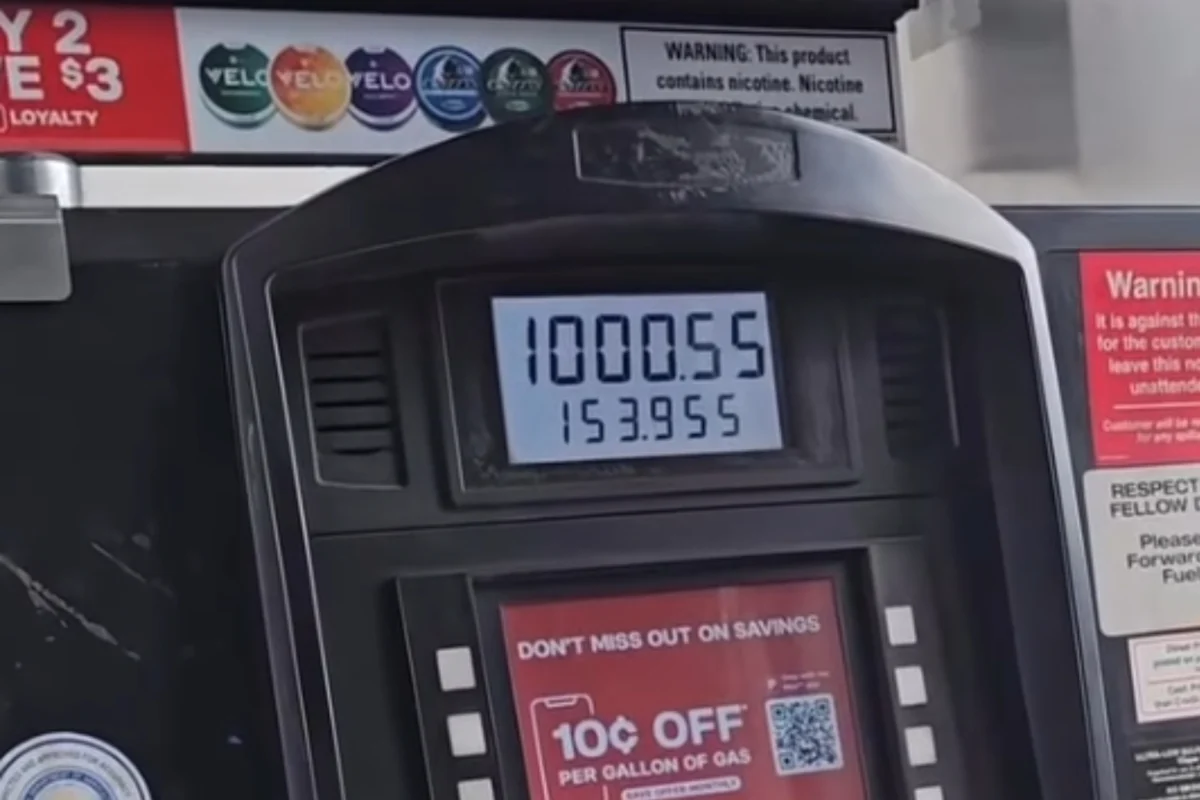
In the world of commercial logistics, the fuel pump is more than just a convenience; it is the heartbeat of the American economy. Yet, recent footage circulating from a truck stop in Ft. Pierce, Florida, has laid bare a harrowing economic reality. A commercial trucker, faced with the necessity of keeping his rig moving, captured a video of a fuel pump surpassing the $1,000 threshold—before the tank was even full.
For the average motorist driving a gasoline-powered sedan, a $50 fill-up is a nuisance. For the trucking industry, which moves over 70% of the nation’s freight, a $1,000 bill for a single stop is a tectonic shift in operating costs. This is not merely a story about the price of fuel; it is a story about the escalating cost of everything we touch, eat, and use.
The Anatomy of a $1,000 Fill-Up
The viral video from Ft. Pierce serves as a grim snapshot of modern logistics. The driver dispensed approximately 155 gallons of diesel at a price of $6.49 per gallon. While that price point is daunting, it is far from an anomaly. In regions like California, where environmental regulations and localized fuel taxes push prices even higher, that same 155-gallon fill-up could easily exceed $1,300.
To the uninitiated, a transaction exceeding $1,000 at a pump might seem like a technical glitch or a misunderstanding of retail hardware. Consumer-facing gas stations are equipped with "pump shut-offs" that cap transactions—usually between $75 and $150—to mitigate the risk of theft and prevent catastrophic environmental damage should a leak occur. Commercial fueling stations, however, utilize high-flow infrastructure designed specifically for Class 8 trucks. These rigs often feature dual fuel tanks, sometimes holding up to 300 gallons combined, requiring specialized high-speed pumps that bypass the standard retail transaction limits. Without this bypass, the logistical delays caused by having to restart the pump every few minutes would paralyze the already strained freight sector.
Chronology of a Fuel Crisis: How We Got Here
The current state of diesel prices is the result of a "perfect storm" of geopolitical instability, supply chain bottlenecks, and post-pandemic demand spikes.
The Post-Pandemic Rebound
Following the global lockdowns of 2020, demand for energy plummeted to historic lows. As the global economy roared back to life in 2021 and 2022, supply chains were caught unprepared. The energy sector, having slashed capital expenditures during the downturn, could not ramp up refining capacity quickly enough to meet the sudden, insatiable demand for diesel and distillates.
The Geopolitical Disruption
The situation was exacerbated by the conflict in Ukraine. Russia, a major global exporter of diesel and crude oil, saw its exports sanctioned or shunned by Western nations. Because diesel is a global commodity, the loss of Russian supply created a vacuum that global markets struggled to fill. Unlike gasoline, which can be produced more readily from light crude, diesel requires heavier, more complex refining processes that are currently operating at maximum capacity worldwide.
The "New Normal"
By early 2023, the industry realized that the price hikes were not transitory. The refining sector, particularly in the United States, has faced a long-term trend of declining capacity. As the push for electrification increases, many refiners have been hesitant to invest billions in new infrastructure for fossil fuels, creating a supply-side squeeze that keeps prices elevated even when crude oil prices fluctuate.
Supporting Data: The Ripple Effect
The implications of these fuel costs extend far beyond the truck stop. Diesel is the "hidden" ingredient in every consumer product.
- Freight Surcharges: When diesel prices rise, trucking companies implement fuel surcharges. These are passed directly to retailers, who in turn raise the shelf price of goods.
- The Food Index: Agriculture is one of the most diesel-intensive sectors. From tractors in the field to the refrigerated trucks that transport produce to grocery stores, diesel is required at every step. Consequently, high fuel costs are a leading indicator of food inflation.
- Construction and Infrastructure: Heavy machinery, such as excavators, cranes, and pavers, runs almost exclusively on diesel. As fuel costs rise, the cost of building homes and infrastructure projects balloons, further impacting the housing market.
Recent data from the Energy Information Administration (EIA) confirms that while gasoline prices can be somewhat tempered by government intervention—such as releasing reserves or blending in ethanol—diesel is far less flexible. There is no simple "dilution" strategy for diesel that maintains engine performance and emissions standards.
Official Responses and Policy Limitations
Government officials have faced intense pressure to address the soaring costs of distillates. However, the levers available to the federal government are limited.
The Biden administration and energy regulators have repeatedly pointed to the global nature of the fuel market. Unlike crude oil, which is traded in vast, relatively fungible quantities, diesel is a finished product. Its supply is dependent on the number of operational refineries, not just the number of oil rigs.
Experts from the Department of Energy have noted that the U.S. refinery capacity has been hampered by aging infrastructure and, in some cases, the repurposing of refineries for renewable diesel or biofuels. While the long-term shift toward green energy is a policy priority, the short-term transition period has left the nation vulnerable to price spikes. The government’s ability to "fix" the diesel market is restricted by the reality that there is no strategic reserve of refined diesel equivalent to the Strategic Petroleum Reserve (SPR) that can be easily tapped to influence prices on a national scale.
Implications: A Winter of Discontent
As the seasons shift, the outlook for diesel prices remains precarious. One of the most overlooked factors in the diesel market is the demand for heating oil. In the Northeast United States, heating oil is essentially the same chemical composition as diesel fuel.
As temperatures drop, residential and commercial demand for heating oil surges. This creates a direct competition between the trucking industry and home heating needs. While fewer than 5% of American homes currently rely on oil for heat, those that do are heavily concentrated, meaning regional spikes in demand can draw down national inventories, driving up costs for everyone.
This creates a "seasonal trap." Truckers who are already struggling with record-high costs at the pump will face even tighter margins as winter sets in. For the consumer, this suggests that the inflationary pressures on groceries, electronics, and construction materials are unlikely to subside in the near term.
Conclusion: Preparing for the Long Haul
The video of the $1,000 fill-up is not just a viral moment; it is a warning. It represents the fragility of a system that relies on a complex, international supply chain for its most basic energy needs.
As we look toward the future, the integration of alternative fuels, the modernization of refining processes, and the optimization of logistics networks will be essential. However, until these systemic changes take root, the American consumer must prepare for a "new normal." The road ahead is not just long; it is expensive. And as the global economy continues to navigate these turbulent waters, the cost of keeping the world moving will continue to be measured in every gallon pumped at the truck stop.
For those in the transportation industry, the message is clear: efficiency and route optimization have never been more critical. As the industry faces these economic headwinds, the focus shifts to how to maintain service levels without passing unsustainable costs to the end-user. Stay tuned to The Drive for further updates on the energy sector and its impact on the automotive and trucking world.
