



In the sprawling, high-stakes ecosystem of the global travel industry, few companies wield as much influence with as little public recognition as OneSpaWorld. While household names like Royal Caribbean, Carnival, and Norwegian command the headlines, the essential task of curating the guest experience—specifically within the lucrative realm of shipboard wellness—has been quietly outsourced to a singular, dominant force.
As OneSpaWorld stands on the precipice of a $1 billion annual revenue milestone, it offers the travel industry a masterclass in operational hegemony. By securing a stranglehold on the maritime spa market, the company has proven that in the modern travel economy, controlling the customer journey is far more profitable than merely owning the assets.
The Main Facts: An Unseen Monopoly at Sea
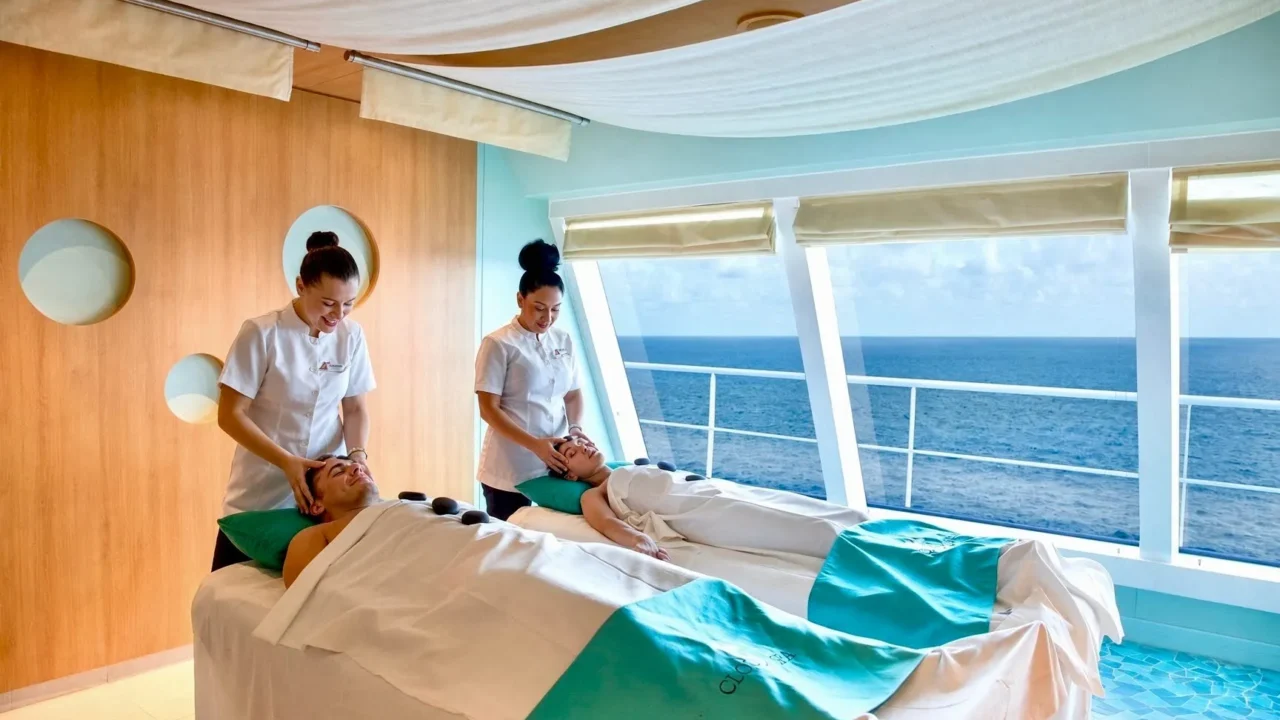
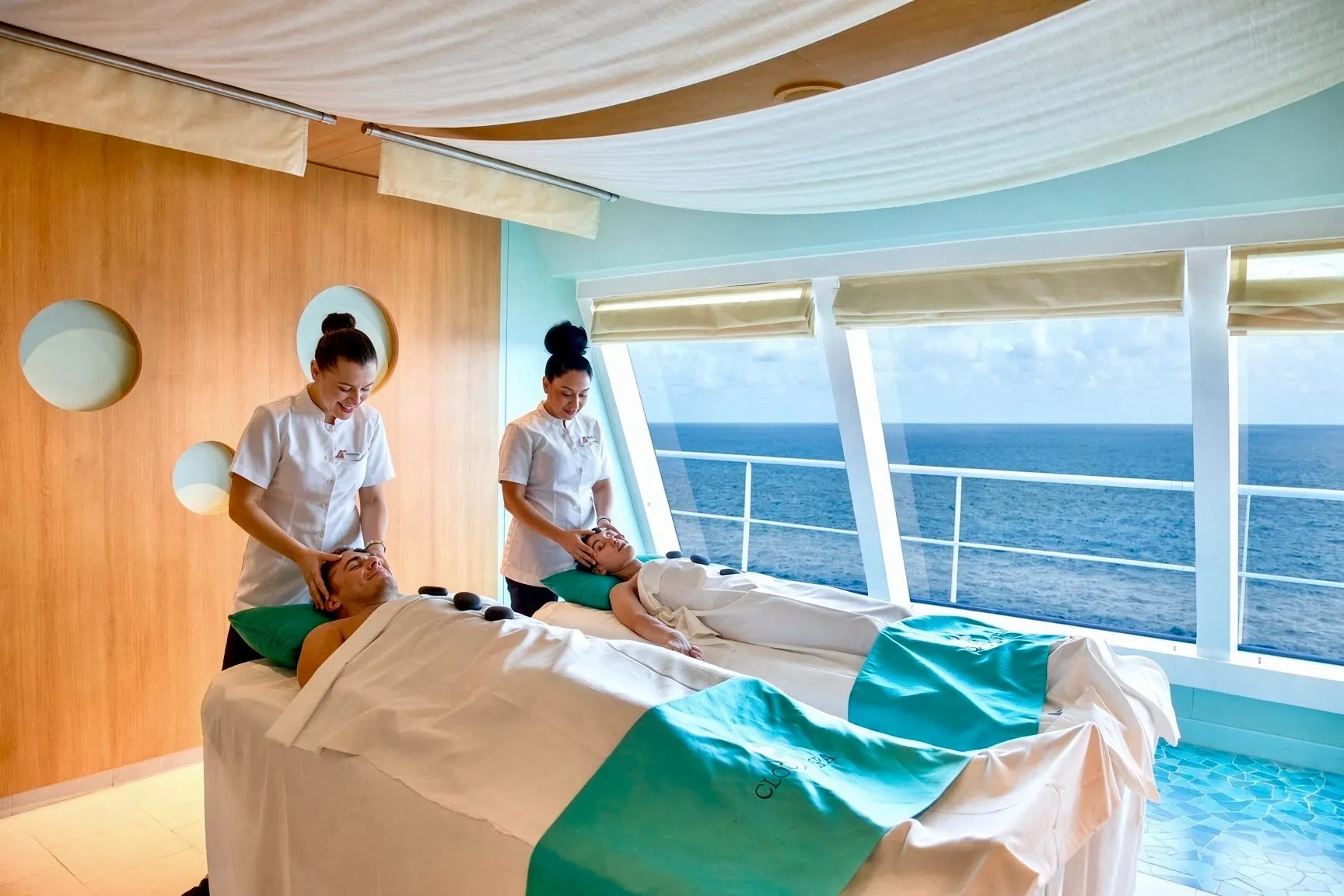
OneSpaWorld is the invisible hand behind the relaxation and rejuvenation of millions of cruise passengers annually. Operating wellness centers, fitness facilities, and salons on more than 200 cruise ships, the company has effectively become the standard-bearer for maritime hospitality.
Their client roster reads like a "Who’s Who" of the cruise industry: Carnival Cruise Line, Royal Caribbean International, Norwegian Cruise Line, Princess Cruises, Celebrity Cruises, Disney Cruise Line, and the trend-setting Virgin Voyages. With an estimated 90% share of the outsourced maritime spa market, OneSpaWorld is not just a participant; it is the infrastructure.
To put its scale into perspective, OneSpaWorld is more than 17 times the size of its closest competitor. Last year, the company reported $961 million in revenue and $123 million in adjusted EBITDA. As they project crossing the $1 billion threshold this year, the company serves a captive audience of more than 28 million passengers annually.
Chronology: From Niche Provider to Maritime Titan
The rise of OneSpaWorld is a study in long-term strategic consolidation. Its origins trace back to the fragmented nature of early cruise line operations, where wellness services were often inconsistent, poorly managed, or entirely absent.
- The Early Years (1970s–1990s): The cruise industry began to realize that passengers were looking for resort-style amenities at sea. Early iterations of "ship spas" were small, unbranded, and often under-resourced.
- The Consolidation Era (2000s): Through a series of mergers, acquisitions, and strategic partnerships, the entity that would become OneSpaWorld began to aggregate talent and operational expertise. By focusing exclusively on the maritime environment, they solved the logistical nightmare of staffing and supply chains on moving vessels.
- The Public Pivot (2019): A watershed moment occurred when OneSpaWorld became a publicly traded entity. This move provided the capital and the transparency necessary to scale aggressively, even in the face of the global pandemic.
- Post-Pandemic Resilience (2021–2024): Despite the near-total shutdown of the cruise industry during COVID-19, OneSpaWorld utilized the downtime to refine its digital booking platforms and service models. As cruising returned with unprecedented demand, the company was positioned to capture the "revenge travel" spending, leading to its current $1 billion trajectory.
Supporting Data: The Economics of Captive Wellness
The success of OneSpaWorld is built on the inherent nature of the cruise business model. Unlike land-based travel, where guests can seek services outside the hotel, a cruise ship is a "closed-loop" economy.
Revenue Breakdown and Passenger Spend
The company’s revenue is driven by a combination of high-margin services (massages, facials, medi-spa treatments) and retail product sales. Because the ship acts as a controlled environment, OneSpaWorld benefits from:
- High Foot Traffic: With 28 million passengers, the sheer volume of potential customers is unrivaled.
- Increased "Onboard Spend": Cruise lines have pivoted their business models toward ancillary revenue. Spas are among the highest-earning square footage on a ship.
- The "Vacation Mindset": Passengers in a leisure environment have a higher propensity to spend on discretionary wellness services than they would at home.
Market Share and Competitive Advantage
With a 90% market share, OneSpaWorld benefits from economies of scale that no other firm can replicate. Their proprietary software manages inventory, staffing, and booking across 200+ ships, a technological moat that keeps potential competitors at bay.
Official Responses and Strategic Outlook
In recent investor communications, OneSpaWorld executives have emphasized that their growth is not merely a product of the rebounding cruise industry, but a result of "deepening the penetration" of their services.
"Our relationship with our cruise line partners is symbiotic," a spokesperson noted in a recent financial filing. "We don’t just provide a service; we provide a revenue stream for the cruise line. By delivering a premium wellness experience, we enhance the guest’s satisfaction, which drives repeat bookings for the cruise line. It is a mutually reinforcing ecosystem."
The company has also leaned heavily into the "medi-spa" trend—offering non-surgical cosmetic procedures—which provides a higher price point and appeals to a younger, more affluent demographic of cruise travelers. This pivot toward higher-margin medical aesthetics is expected to be a primary driver of their growth toward the $1.5 billion mark in the coming years.
Implications: The Power of Controlling the Customer
The rise of OneSpaWorld holds significant implications for the broader travel and hospitality sectors. It highlights a fundamental shift in where power resides in the value chain.
The Myth of Ownership
For decades, cruise lines focused on owning the ships. However, the true value of the cruise economy lies in the experience provided within the cabin and the ship’s common areas. By outsourcing the spa, the gym, and the salon to a specialist, cruise lines offload the operational risk of managing thousands of specialized staff members while keeping a healthy percentage of the profits.
The Dominance of the Specialist
OneSpaWorld’s success suggests that "generalist" travel companies are increasingly at a disadvantage. In a world where luxury and wellness are paramount, specialized operators—those who can manage the supply chain, the labor force, and the digital customer experience with surgical precision—will always outperform the giants who try to do everything in-house.
Lessons for the Hospitality Industry
The hotel industry, particularly the luxury resort segment, is beginning to take note. If a cruise ship can outsource its entire wellness department to a third party that delivers a superior, high-margin product, why shouldn’t the Ritz-Carltons and Four Seasons of the world follow suit? OneSpaWorld is effectively proving that "brand dilution" is a secondary concern compared to "operational excellence."
Conclusion: The Horizon Ahead
As OneSpaWorld crosses the $1 billion revenue mark, it stands as a testament to the power of quiet, methodical domination. It is a company that has turned the logistical complexities of the high seas into a streamlined, automated, and highly lucrative business model.
For the average traveler, the brand on their spa menu may be irrelevant, but for the travel industry, OneSpaWorld is a blueprint for the future. It demonstrates that in an era of massive, globalized travel, the biggest winners are not necessarily the ones who own the ships, the planes, or the hotels—but those who control the most profitable slices of the customer’s time and attention. As they continue to expand their footprint and integrate advanced wellness technologies, OneSpaWorld is no longer just a service provider; they are the architects of the modern maritime vacation experience.
