



Date: September 21, 2026
Location: Berlin, Germany
The German political landscape has been thrust into a state of profound uncertainty following a tumultuous weekend that saw Chancellor Friedrich Merz’s coalition government suffer catastrophic losses at the ballot box. Despite a last-minute, desperate attempt to win back public favor through a government-mandated fuel tax cut, the Christian Democratic Union (CDU) and its coalition partners were met with a resounding rejection from the electorate in both Mecklenburg-Vorpommern and the capital city of Berlin.
As the dust settles, the Chancellor faces the most significant challenge to his leadership to date. With approval ratings for his administration scraping historic lows, the twin electoral defeats have crystallized growing public frustration over the rising cost of living and the government’s perceived inability to manage the energy transition effectively.
Main Facts: A Coalition in Crisis
The electoral results delivered on September 19, 2026, have sent shockwaves through the Chancellery. In the state of Mecklenburg-Vorpommern, the CDU recorded its worst-ever performance, losing significant ground to populist fringes and center-left challengers. Simultaneously, in the Berlin city-state elections, the governing coalition saw its mandate eroded as voters prioritized immediate financial relief over long-term strategic planning.
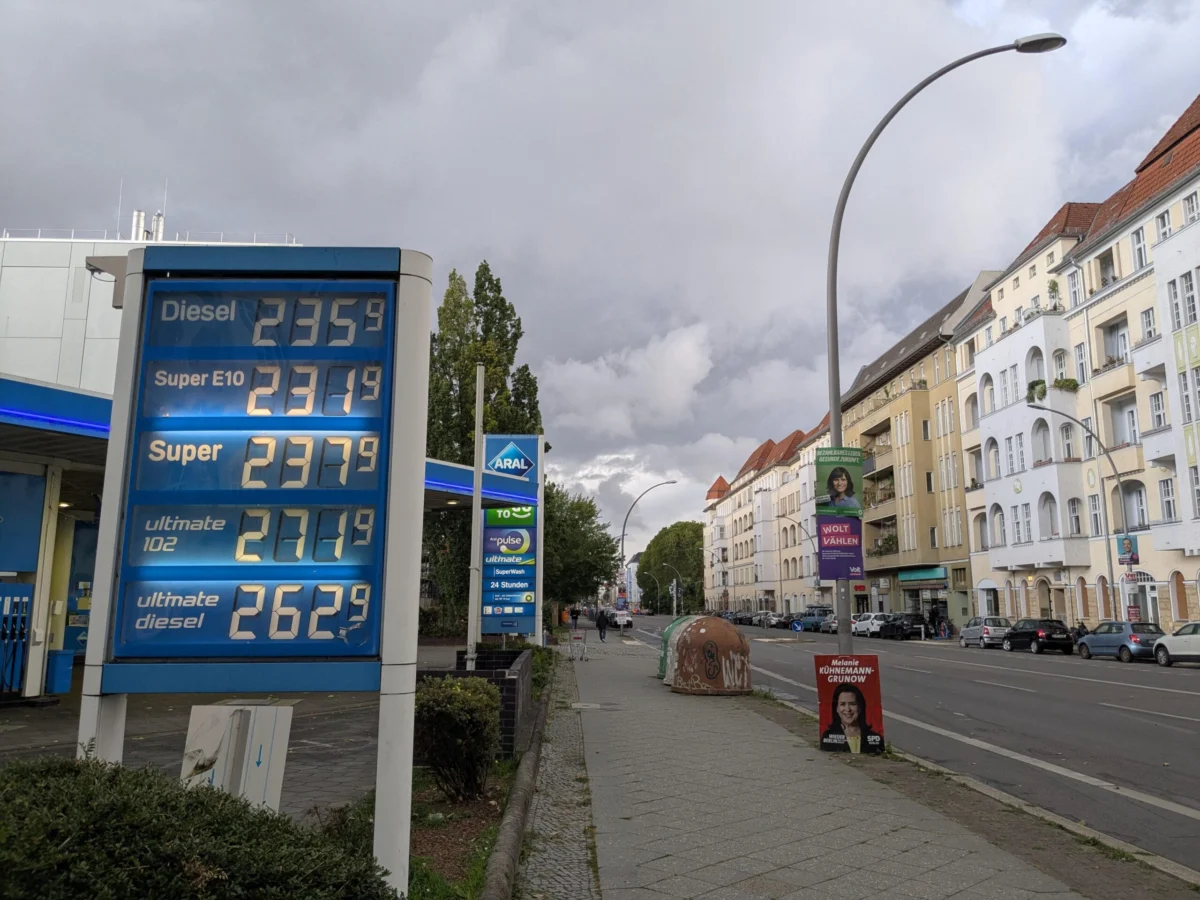
The trigger for this political fallout—and the government’s response—was a fuel tax reduction package unveiled just 48 hours before polling stations opened. The policy, intended to provide immediate relief at the pump, was framed by the Chancellery as a necessary intervention to ease the burden on households struggling with rampant inflation. However, the move has backfired. Critics argue that the policy was a transparent, cynical attempt at electoral bribery that failed to resonate with a disillusioned public, while simultaneously signaling a regression in Germany’s climate commitments.
Chronology of the Discontent
The trajectory toward this weekend’s electoral collapse was not sudden; it was the culmination of months of mounting pressure.
- Q1–Q2 2026: Persistent inflationary pressure, driven largely by global energy volatility, begins to erode the purchasing power of the average German household. Public dissatisfaction grows as energy prices remain stubbornly high despite government subsidies.
- August 2026: Internal coalition bickering over the 2027 federal budget reaches a boiling point. The CDU-led government struggles to balance fiscal discipline with the massive investment requirements of the energy transition.
- Early September 2026: Polling data indicates a sharp downward trend for Chancellor Merz, with the "Energy Transition Fatigue" phenomenon becoming a dominant theme in voter sentiment surveys.
- September 17, 2026: In a late-stage effort to shore up support, the governing coalition announces a surprise reduction in fuel taxes, effective immediately.
- September 19, 2026: Election Day in Mecklenburg-Vorpommern and Berlin. The CDU suffers record-breaking losses, with voter turnout characterized by high levels of protest voting.
- September 21, 2026: Analysts and NGOs begin the autopsy of the election, with widespread consensus that the fuel tax cut was viewed as "too little, too late" and environmentally regressive.
Supporting Data: The Cost of Stagnation
The economic backdrop to these elections provides context for the public’s frustration. As of September 2026, the cost of transport fuel remains a sensitive political barometer.
According to data released by the Federal Statistical Office (Destatis), real household income has stagnated for three consecutive quarters. While the government’s fuel tax cut was intended to shave cents off the price of a liter of petrol, economists point out that this does little to address the systemic energy poverty facing lower-income demographics.
- Approval Ratings: Chancellor Merz currently holds an approval rating of just 28%, the lowest for any German Chancellor in the post-war era at this stage of their tenure.
- Energy Prices: Despite the tax intervention, average petrol prices remain 18% higher than they were in the same period last year.
- Climate Targets: Environmental think tanks have noted that the fuel tax cut encourages continued consumption of fossil fuels, directly contradicting the government’s stated goals for the 2030 climate action plan.
Official Responses and Political Repercussions
The reaction from the government has been one of defensive posturing. A spokesperson for the Chancellery stated on Monday that the government "remains committed to structural reform" but acknowledged that "the message from the voters is loud and clear."
However, opposition leaders have been unsparing. The leader of the Green Party, speaking from the Bundestag, called the tax cut "a desperate relic of 20th-century thinking." They argued that instead of subsidizing fossil fuels, the government should have focused on accelerating the rollout of public transport infrastructure and heat-pump subsidies, which would provide more sustainable, long-term relief for citizens.
Meanwhile, industry associations have expressed concerns that the political instability will lead to a "policy vacuum." Investors are wary of the potential for a snap federal election, which could derail critical energy infrastructure projects currently in the pipeline.
Implications: The Road Ahead
The electoral results of September 2026 mark a potential turning point for Germany’s energy transition. The government is now caught in a "trilemma": it must satisfy a restless electorate demanding lower prices, meet ambitious carbon neutrality targets, and maintain fiscal stability in a slowing economy.
The Failure of Short-Termism
The primary takeaway from this week’s events is the failure of short-term, "band-aid" policies. By prioritizing a fuel tax cut—a move that carries a high fiscal cost and delivers negligible individual relief—the government inadvertently signaled that it lacks a coherent long-term vision. Economists warn that by spending capital on temporary relief, the coalition has depleted its capacity to invest in the structural changes necessary to decouple the German economy from volatile global energy markets.
The Climate-Economy Trade-off
NGOs have been vocal in their critique, noting that the "climate-damaging" nature of the fuel tax cut has alienated a significant portion of the younger, environmentally conscious voter base. By trying to appeal to motorists, the government lost the trust of those who view the energy transition as an existential necessity. This demographic shift could lead to a permanent realignment of German politics, where climate policy becomes the defining battleground for every future election.
Structural Reform vs. Populist Pressure
As Chancellor Merz looks toward the remainder of his term, he faces an urgent need to pivot. Analysts suggest that the coalition must abandon the "reactionary" approach of cutting taxes to appease public anger and instead focus on a "Marshall Plan" for energy efficiency. This would include:
- Massive investment in grid modernization to handle the influx of renewable energy.
- Expanded social safety nets specifically targeted at energy costs, rather than broad, regressive tax cuts that benefit all drivers equally.
- Transparent communication regarding the costs and benefits of the energy transition to rebuild the "social contract" between the government and the citizenry.
The coming months will be decisive. With regional elections looming in other states, the coalition must determine whether it will continue to chase the favor of the electorate through temporary measures or if it has the political fortitude to undertake the deep, often painful, structural reforms that experts agree are essential for Germany’s future.
For now, the streets of Berlin remain a symbol of the tension at the heart of modern German politics: a nation caught between the need to innovate for a greener future and the immediate, crushing pressure of a cost-of-living crisis that threatens to derail the entire project. The Chancellor’s ability to navigate this divide will define not just his legacy, but the speed and success of the European energy transition itself.
The message from the voters is clear: they are no longer willing to wait for the benefits of the future while struggling to afford the present. The government’s next move will determine whether this electoral loss remains a warning or becomes the start of a terminal decline.
