


As the transportation sector undergoes its most profound transformation since the invention of the internal combustion engine, the dual forces of artificial intelligence and automated systems are forcing a reckoning. For years, autonomous vehicle (AV) developers have operated in a regulatory gray area, largely self-certifying the safety of their platforms. However, as robotaxis scale in major metropolitan areas, public transit merges with autonomous fleets, and specialized platforms prepare for public markets, both federal regulators and financial institutions are demanding standardized benchmarks for safety and commercial viability.
At the center of this transition is a fundamental question: How do we determine when a self-driving system is safe enough for public roads? While human drivers must pass standardized licensing exams, no equivalent benchmark exists for autonomous driving systems (ADS). This regulatory gap is rapidly closing as the federal government steps in to establish a unified framework, even as the private sector pushes forward with high-stakes public listings, cross-continental autonomous flights, and large-scale commercial deployments.
Main Facts: Standardizing Autonomy and Financing Commercial Scale
The contemporary mobility landscape is defined by several parallel developments across federal oversight, corporate consolidation, and technological milestones:
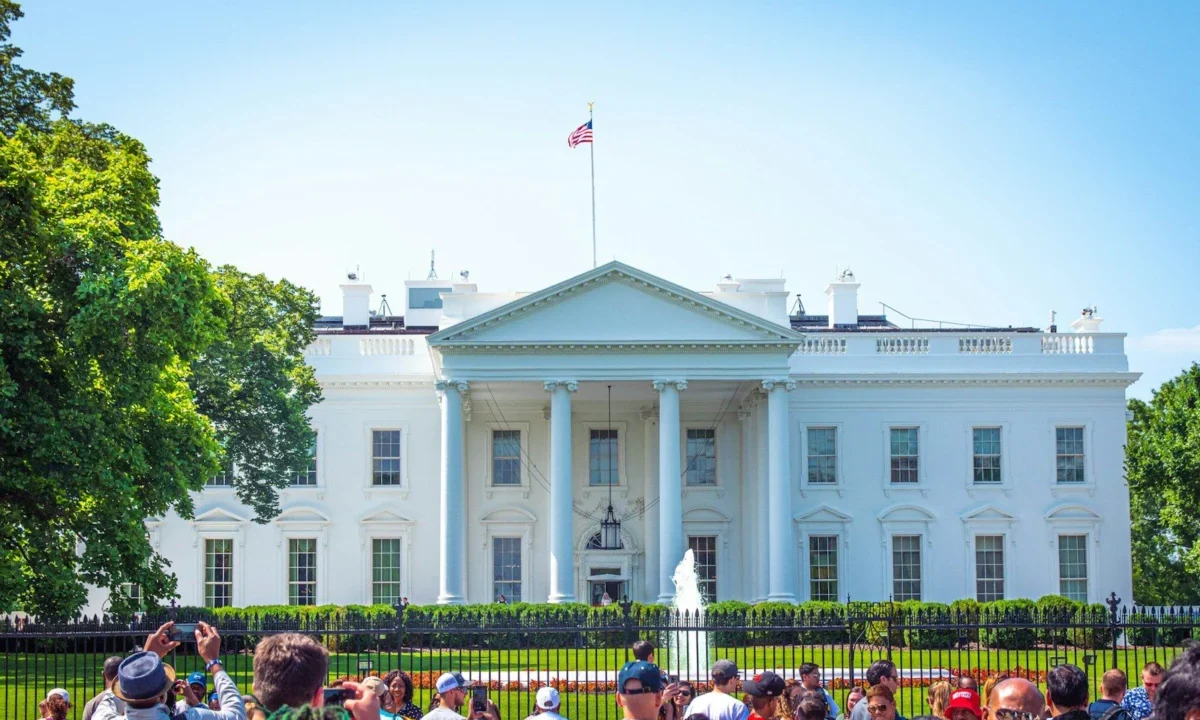
- The Launch of ASCEND: The National Highway Traffic Safety Administration (NHTSA) has entered into a landmark agreement with SAE International to launch ASCEND (Automated Vehicle Safety Consortium for Evaluation and Novel Demonstration). This joint government-industry initiative is designed to accelerate the development of data-driven, standardized performance metrics for automated driving systems.
- May Mobility’s SPAC Merger: Autonomous vehicle developer May Mobility has announced plans to go public via a merger with ACP Holdings Acquisition Corp. The transaction values the company at $1.4 billion and is expected to raise more than $300 million, positioning May Mobility as the first U.S. public company solely dedicated to autonomous ride-hailing.
- Consolidation in Autonomous Public Transit: Autonomous fleet operator Beep has merged with Miami-based on-demand public transit firm Freebee. The consolidated entity, operating under the Beep brand, aims to streamline municipal and campus micro-transit systems.
- Lucid and Bolt Partner for European Robotaxis: Electric vehicle manufacturer Lucid Motors has secured a strategic partnership with European mobility giant Bolt. Under the agreement, Bolt plans to deploy at least 25,000 fully autonomous vehicles built on Lucid’s upcoming, highly anticipated midsize EV platform.
- Transcontinental Autonomous Flight: In aviation, an aircraft utilizing Joby Aviation’s proprietary autonomous technology completed a historic 3,100-mile flight across the United States without a human pilot ever taking control, signaling a major leap forward for pilotless cargo and passenger aviation.
- Critical Infrastructure Vulnerabilities: Demonstrating the growing cybersecurity risks in modern logistics, the U.S. Coast Guard and the FBI boarded two U.S.-bound oil tankers after hackers breached at least one ship’s network, taking control of critical propulsion, navigation, and cargo handling systems.
Chronology of Key Industry Developments
The middle of September 2026 marked a highly concentrated period of activity across the regulatory, financial, and technological sectors of the mobility industry:
September 14, 2026
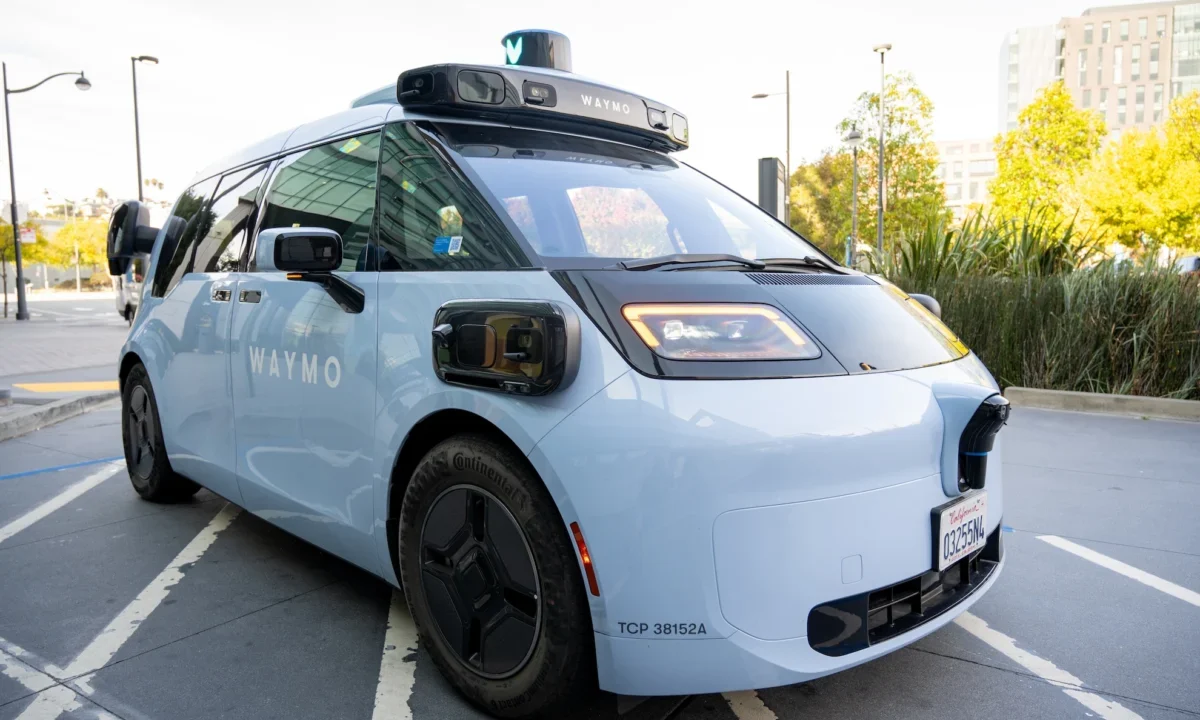
- Waymo Launches in Las Vegas: Waymo officially expands its commercial robotaxi footprint by launching passenger services in Las Vegas, Nevada, alongside plans to initiate mapping and testing operations in Singapore.
- Volkswagen Debuts Ultra-Efficient EV: Volkswagen reveals a highly efficient electric vehicle prototype designed around advanced aerodynamics and lightweight materials to maximize battery range.
September 16, 2026
- May Mobility Announces SPAC Listing: May Mobility details its $1.4 billion public listing strategy via ACP Holdings Acquisition Corp.
- R3 Lithium Secures Series A: Georgia-based battery recycling startup R3 Lithium raises $15 million in a Series A round led by TDK Ventures to bolster domestic lithium carbonate supply chains.
- Congress Moves on AM Radio Mandate: The U.S. House of Representatives overwhelmingly passes the AM Radio for Every Vehicle Act, threatening to force EV manufacturers to preserve AM receivers despite electromagnetic interference challenges.
- Wayve Appoints Former Waymo CFO: British AI-driving startup Wayve hires Elisa de Martel, the former CFO of Waymo, to guide its financial strategy.
- Florida DMV Suffers Data Breach: The hacker collective ShinyHunters publishes hundreds of thousands of driver and vehicle records exfiltrated from a Florida state database.
September 17, 2026
- Lucid Motors Partners with Bolt: Lucid announces its manufacturing and deployment agreement with Bolt to target the European autonomous ride-hailing market.
- Waymo Restarts San Antonio Operations: Following a five-month hiatus triggered by a vehicle being caught in a flash flood, Waymo resumes its autonomous services in San Antonio, Texas.
- Zoox Fleet Cap Expiration Confirmed: Regulators confirm that the 100-vehicle operating limit imposed on Amazon-owned Zoox in Las Vegas is scheduled to expire on September 25, clearing the path for fleet expansion.
September 18, 2026
- FBI and Coast Guard Intercept Hacked Tankers: Federal law enforcement and maritime security agencies board compromised oil tankers bound for the U.S. East Coast.
- Joby Aviation Completes 3,100-Mile Flight: Joby’s autonomous test aircraft successfully completes its transcontinental journey, proving the durability of its flight-control software.
Supporting Data: Financial Valuations, Fleet Sizes, and Scale Metrics
The capitalization and deployment metrics of these initiatives underscore the massive scale of investment flowing into next-generation transport systems.
+-------------------------------------------------------------------------+
|                    KEY MOBILITY DEALS & METRICS (2026)                  |
+--------------------------+-----------------------+----------------------+
| Company / Initiative     | Transaction Type      | Financial / Vol.     |
+--------------------------+-----------------------+----------------------+
| May Mobility             | SPAC Merger           | $1.4 Billion Val.    |
| Lucid Motors & Bolt      | Fleet Partnership     | 25,000 AVs (Minimum) |
| R3 Lithium               | Series A Funding      | $15 Million          |
| Joby Aviation            | Autonomous Flight     | 3,100 Miles          |
| Zoox (Las Vegas)         | Fleet Cap Removal     | From 100 to Uncapped |
+--------------------------+-----------------------+----------------------+
May Mobility’s public market debut via ACP Holdings Acquisition Corp. is structured to deliver more than $300 million in gross proceeds. This capital injection is vital for scaling its operations, which currently rely on a fleet of modified, autonomous Toyota Sienna minivans operating in three select U.S. test markets.

In Europe, the partnership between Lucid Motors and Bolt represents one of the largest commercial commitments for autonomous passenger cars to date. Deploying "at least 25,000 fully autonomous vehicles" requires a massive manufacturing ramp-up. The vehicles will utilize Lucid’s upcoming midsize platform, which is designed to hit lower price points than the luxury Air sedan and Gravity SUV, making the economics of ride-hailing viable.
Meanwhile, the capital requirements for battery supply chains continue to attract institutional backing. R3 Lithium’s $15 million Series A round—supported by TDK Ventures, Integral GlobalTech Partners, and Axial Partners—highlights the urgent demand for domestic lithium processing and recycling capabilities in the United States, driven by strict sourcing requirements in federal subsidy programs.
Official Responses and Regulatory Perspectives
The shift toward federal standardization has drawn strong commentary from regulators and corporate leaders alike, highlighting the tension between rapid innovation and public safety.
Speaking at the AI Horizons Summit in Pittsburgh, NHTSA Administrator Jonathan Morrison addressed the agency’s evolving approach to autonomous vehicle oversight. Morrison emphasized that the agency is actively moving away from retrospective, ad-hoc regulatory actions:
"Our top priority for this consortium [ASCEND] is ADS competency, which will inform and accelerate a corresponding federal motor vehicle safety standard. Ultimately, our ADS performance rulemaking will provide federal leadership in this space. By delivering an AV competency standard, we hope we’ll be able to address the burgeoning past patchwork of inconsistent state and local level requirements, and continue to encourage American innovation and promote the safe deployment and development of these vehicles on the road."
Morrison noted that the federal government wants to avoid playing "whack-a-mole" with policy decisions or attempting to guess how rapidly evolving software architectures will change over time. By partnering with SAE International, NHTSA aims to build a flexible, data-driven framework that tests real-world competence rather than prescribing static vehicle designs.

In the private sector, May Mobility’s leadership has defended its decision to enter the public markets via a SPAC—a vehicle that has faced skepticism from Wall Street in recent years due to post-merger volatility in the EV sector. Senior industry analysts point out that May Mobility’s strategy relies on an "asset-light" and "partnership-first" operational model. Rather than owning and maintaining massive, expensive fleets of robotaxis, May Mobility intends to license its technology and partner with existing transit agencies and fleet operators, a structure they argue is highly capital-efficient and suited for public market scrutiny.
Strategic Implications for the Future of Mobility
The convergence of federal standardization, public market listings, and cross-modal autonomy points to several long-term shifts in global transportation.
The Redefinition of Vehicle Safety Standards
Legacy Federal Motor Vehicle Safety Standards (FMVSS) were written with human drivers in mind, mandating physical controls like steering wheels, brake pedals, rearview mirrors, and side-view mirrors. Vehicles like the Tesla Cybercab and Zoox’s purpose-built robotaxi completely lack these legacy components.
The NHTSA-SAE ASCEND initiative represents the first structural attempt to codify an "AV driver’s license." If successful, it will establish a unified federal performance standard that supersedes the chaotic patchwork of state-level rules currently governing testing in places like California, Texas, and Arizona. This will streamline the commercial rollout of driverless fleets, but it will also subject developers to rigorous, standardized safety audits that some proprietary systems may struggle to pass.
Public Markets as the Ultimate Test of Robotaxi Economics
While autonomous trucking companies like Aurora and Kodiak, and vertically integrated tech giants like Alphabet (Waymo) and Amazon (Zoox), have deep pockets, May Mobility’s public listing will serve as a pure-play bellwether for autonomous ride-hailing. Wall Street’s reception of a $1.4 billion pure-play AV operator will determine whether institutional investors are ready to fund the high capital expenditures required for driverless scale, or if they remain wary of the long path to profitability.
+--------------------------------------------------------------------------+
|                  U.S. AUTONOMY LANDSCAPE: MARKET EXPOSURE                |
+-------------------+--------------------+---------------------------------+
| Company           | Target Market

| Market Status                   |
+-------------------+--------------------+---------------------------------+
| May Mobility      | Urban Ride-Hailing | Going Public (SPAC, Pure-Play)  |
| Aurora / Kodiak   | Freight & Trucking | Public / Private (Truck-Focused)|
| Waymo             | Urban Ride-Hailing | Subsidiary of Alphabet (GOOGL)  |
| Zoox              | Urban Ride-Hailing | Subsidiary of Amazon (AMZN)     |
| Tesla             | Consumer / Taxis   | Public (TSLA, Integrated)       |
+-------------------+--------------------+---------------------------------+
The Geopolitical and Cybersecurity Threat to Logistics
The FBI and Coast Guard boarding of hacked oil tankers bound for the U.S. is a stark reminder that as transportation systems become more connected and automated, they become high-value targets for cyber warfare. If a remote hacker can seize control of a vessel’s propulsion and navigation systems, the same vulnerabilities could theoretically apply to connected truck platoons, municipal transit grids, or urban robotaxi networks. This incident will likely force regulators to tie cybersecurity readiness directly to autonomous operating licenses.

The EV Engineering Challenge of the AM Radio Mandate
The House’s overwhelming approval of the AM Radio for Every Vehicle Act presents an unexpected engineering hurdle for electric vehicle manufacturers. EV drivetrains naturally generate significant electromagnetic interference that degrades AM radio frequencies.
If forced to include AM radio as a standard, free feature, EV makers will have to invest in expensive shielding and filtering technologies to prevent drivetrain noise from drowning out broadcasts. This mandate highlights the ongoing friction between safety-minded policymakers—who view AM radio as a vital emergency broadcast tool—and automotive engineers trying to lower the cost of electric vehicles.
Ultimately, the mobility sector is entering a phase of institutional maturity. The era of unchecked experimental testing is giving way to structured federal oversight, public market discipline, and rigorous security standards. Whether through the air, on the sea, or on municipal streets, the transition to autonomous systems is no longer just a question of software capability, but of regulatory and economic integration.
