


Introduction: A Nation at the Nexus of Global Power
As Hungary approaches its parliamentary elections on 12 April 2026, the stakes extend far beyond domestic governance. The nation has increasingly become a focal point in a complex geopolitical tug-of-war, with its energy infrastructure serving as the primary arena. Situated at the crossroads of East and West, Hungary is navigating an intricate web of influence exerted by China, the United States, and Russia.
With the European Union intensifying its efforts to curb external interference and secure its own strategic autonomy, the upcoming election is more than a contest of political platforms—it is a referendum on the country’s future energy alignment. To assist international journalists in covering this pivotal moment, Clean Energy Wire (CLEW), with the support of Journalismfund Europe, will host an expert-led webinar on 9 April 2026, designed to provide a deep dive into the technical and political complexities of the Hungarian energy landscape.
Main Facts: The Energy Infrastructure Battleground
The Hungarian energy sector is currently defined by a duality: a heavy reliance on historical Russian supply lines and a rapidly expanding influx of Chinese capital and technology.
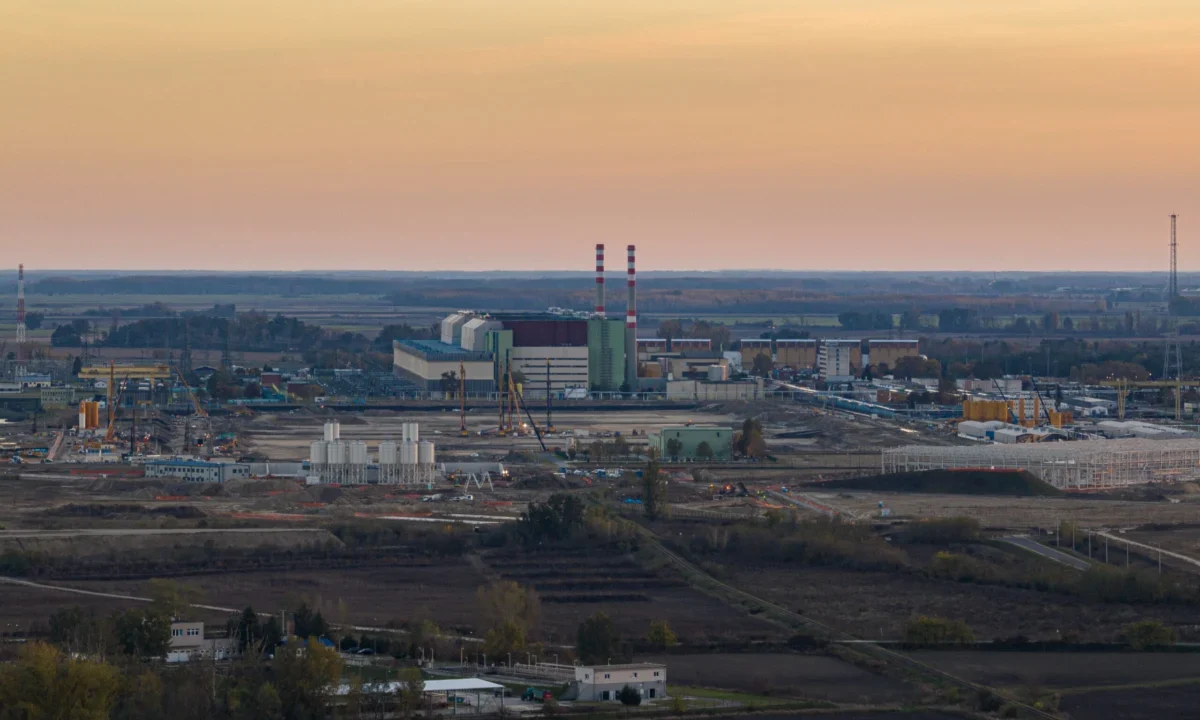
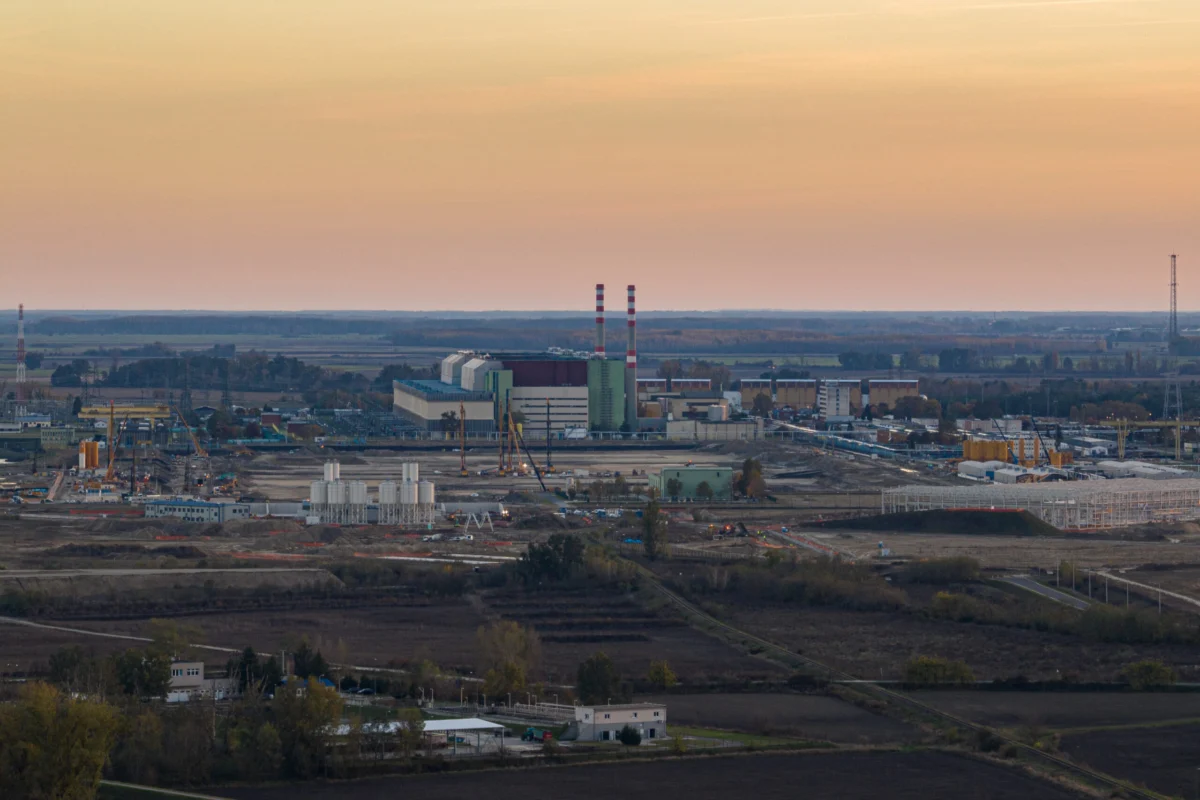
- The Paks II Nuclear Project: At the heart of the debate is the Paks II nuclear power plant expansion. Financed largely through Russian credit and built with Rosatom technology, the project symbolizes the deep-seated dependency on Moscow.
- The Chinese Pivot: Simultaneously, Hungary has become a primary European hub for Chinese investment in electric vehicle (EV) battery manufacturing and renewable energy infrastructure. This shift creates a unique friction point with Western allies who are increasingly wary of "de-risking" their economic ties with Beijing.
- The EU Regulatory Framework: Brussels continues to press Budapest on its adherence to the European Green Deal and the REPowerEU plan. The tension lies in reconciling national energy sovereignty with the EU’s mandates to diversify supply chains and reduce reliance on authoritarian regimes.
- The Election Date: The elections on 12 April 2026 occur amidst a period of record-high energy demand and volatile pricing, forcing candidates to confront the harsh reality of balancing climate goals with industrial affordability.
Chronology: A Path Toward Strategic Dependency
The current situation is the culmination of over a decade of shifting alliances.
- 2014: The Hungarian government signs a bilateral agreement with Russia for the expansion of the Paks nuclear power plant. This agreement marks the beginning of a long-term strategic reliance on Moscow for base-load electricity.
- 2019-2021: As the European Green Deal gains momentum, Hungary struggles to reconcile its coal-heavy past with new EU climate neutrality targets. It begins to look toward solar energy as a rapid, decentralized solution.
- 2022: The Russian invasion of Ukraine sends shockwaves through Europe. While the EU moves to sever energy ties with Russia, Hungary negotiates exemptions for crude oil and nuclear fuel, citing national security concerns.
- 2023: Significant investment announcements from major Chinese battery manufacturers (such as CATL) turn Hungary into a global node for the EV transition, complicating the country’s relationship with the United States, which views this as a potential vulnerability in the European supply chain.
- 2025: Throughout the year, international pressure mounts regarding the transparency of the Paks II construction and the environmental impacts of the new battery gigafactories.
- 9 April 2026: The CLEW webinar provides journalists with the essential tools to dissect these narratives ahead of the polls.
- 12 April 2026: Parliamentary elections are held.
Supporting Data: Understanding the Energy Mix
To grasp the magnitude of the challenges, journalists must look at the data underpinning the Hungarian energy system.
The Nuclear Dependency
Nuclear power currently accounts for approximately 45–50% of Hungary’s domestic electricity production. The Paks II expansion is intended to replace aging reactors, but critics argue it locks Hungary into a sixty-year cycle of Russian technical and fuel dependency.
The Rise of Solar
Hungary has seen a meteoric rise in installed solar capacity, exceeding 6 GW by 2025. However, this growth has outpaced the development of the national grid, leading to bottlenecks that prevent the integration of intermittent renewable energy into the broader European network.
Foreign Direct Investment (FDI) Trends
Between 2020 and 2025, Chinese FDI in Hungary reached record levels, with a heavy concentration in the automotive and battery sectors. While this has stimulated job growth in the short term, economists are beginning to question the long-term sustainability of an economy so heavily tied to non-EU supply chains.
Official Responses: Navigating the Diplomatic Minefield
The Hungarian government maintains that its "Eastern Opening" policy is a pragmatic approach to ensuring energy security. Officials argue that by engaging with both Russia and China, Hungary creates a balanced, stable, and affordable energy future for its citizens.
The EU Stance
Brussels has been vocal about the risks of "external interference." European Commissioners have repeatedly reminded Budapest that European energy funds are tied to strict rule-of-law and transparency requirements. The EU’s focus remains on the "Single Market," where the goal is to prevent individual member states from negotiating energy deals that undermine the collective security of the bloc.
The Washington Perspective
The United States has expressed increasing concern regarding the technological components used in Hungary’s energy grid. Washington views the adoption of certain non-Western telecommunications and energy-management technologies as a national security risk for the entire NATO alliance, fearing that these systems could provide foreign adversaries with a "backdoor" into critical infrastructure.
Implications: What to Watch for in the Election
The outcome of the 12 April 2026 election will dictate the trajectory of Central European energy policy for the remainder of the decade.
1. The Future of the Green Transition
If the government maintains its current course, expect a continued reliance on nuclear power and a potential slow-down in grid modernization that favors decentralized renewables. A change in leadership could signal a pivot toward greater alignment with EU-wide renewable energy targets, though the economic cost of such a transition would be significant.
2. Geopolitical Alignment
The election results will serve as a bellwether for the "multi-vector" foreign policy model. If the electorate favors the current administration, it will likely validate a policy of deep engagement with non-EU powers. If the opposition gains ground, we may see a realignment toward Brussels and Washington, potentially leading to a renegotiation of energy contracts that could rattle regional energy markets.
3. Industrial Stability
With the Hungarian economy heavily integrated into the German automotive supply chain, the energy choices made by the next government will directly impact the competitiveness of the manufacturing sector. High energy prices, combined with a potential shift in trade partners, could lead to labor market volatility.
How to Join the Conversation: The CLEW Webinar
For journalists, the 12 April election represents a complex puzzle of climate science, infrastructure economics, and high-stakes diplomacy.
Webinar Details:
- Date: 9 April 2026
- Time: 16.00-17.30 CEST
- Format: Online
- Target Audience: Journalists covering energy, politics, and international relations.
This expert-led session will move beyond the headlines to provide:
- Expert Analysis: Insight from energy economists and political scientists who specialize in the Central and Eastern European region.
- Fact-Checking Tools: Resources for verifying claims made by political candidates regarding energy prices and infrastructure project viability.
- Contextual Framing: How to explain the nuanced differences between "strategic autonomy" and "isolationism" to a global audience.
By attending, journalists will be better equipped to ask the right questions—not just about who wins the election, but about how the winner plans to power the country in a world where energy is no longer just a commodity, but a primary instrument of statecraft.
Conclusion: Reporting on the Pulse of Europe
The Hungarian election of 2026 is a critical moment for the European energy project. As journalists, your coverage will define how the rest of the world perceives the tug-of-war between traditional energy reliance and the transition to a sustainable, independent future.
The complexity of the Paks II site, the influence of global powers, and the ambition of the EU Green Deal all converge on the ballot box. We invite you to join us on 9 April to sharpen your reporting, challenge assumptions, and gain the technical clarity needed to cover one of the most consequential elections of the year.
Register today via the Clean Energy Wire portal to secure your spot and receive the full briefing materials ahead of the webinar.
This webinar is made possible through the generous support of Journalismfund Europe.
