


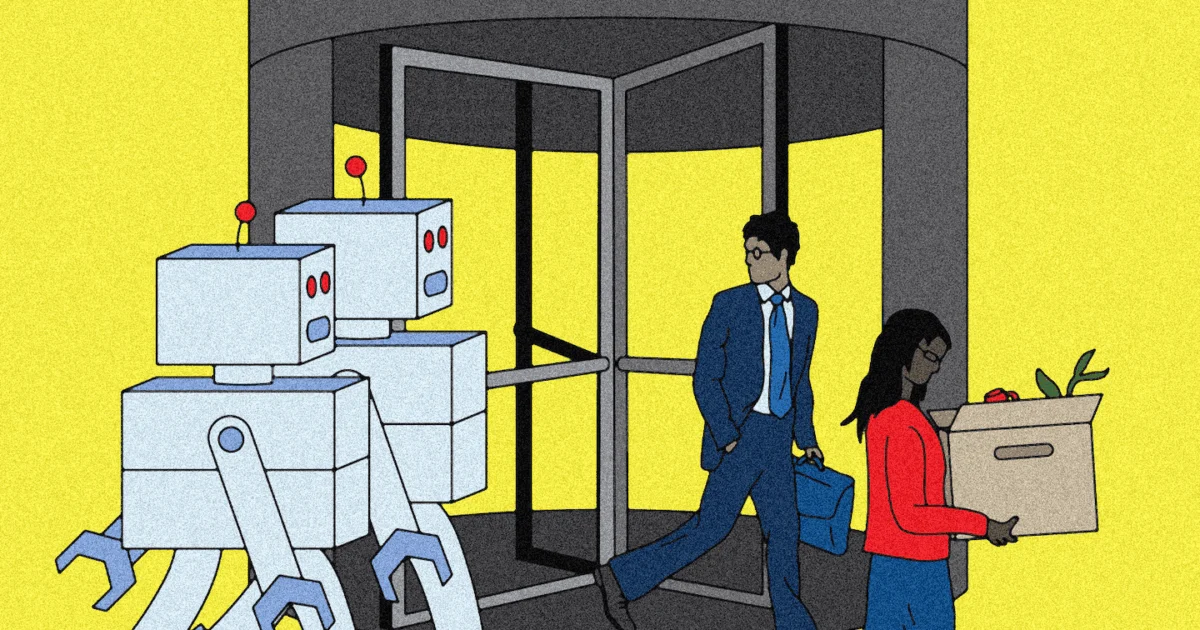
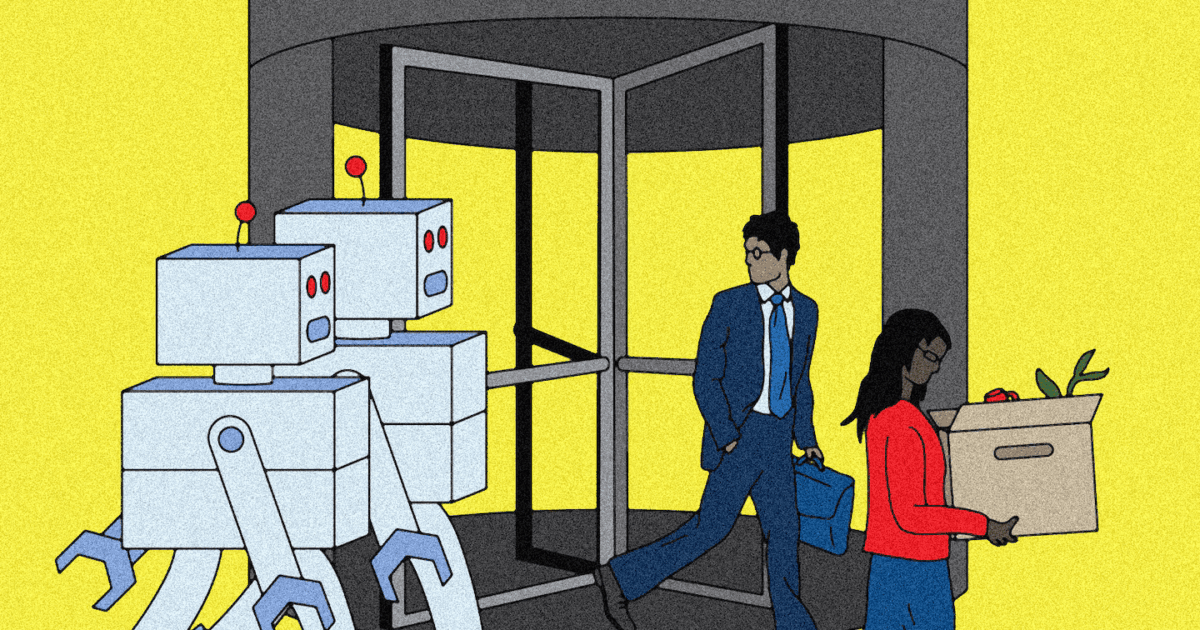
As the rapid integration of Artificial Intelligence (AI) into the modern workplace accelerates, labor experts are sounding the alarm: the American unemployment insurance system, a relic of the mid-20th century, is fundamentally unprepared for the seismic shifts arriving in the 21st. With white-collar professions—traditionally shielded from the volatility of automation—now squarely in the crosshairs of generative AI, the National Employment Law Project (NELP) is spearheading a call to modernize a safety net that many argue has become dangerously "stingy" and exclusionary.
The State of the Safety Net: A Patchwork of Inadequacy
The primary concern, according to Rebecca Dixon, CEO of the National Employment Law Project, is the profound disparity in how states manage unemployment benefits. The current system is not a unified federal program but a state-managed patchwork, leading to wildly inconsistent outcomes for displaced workers.
In Mississippi, the maximum weekly unemployment payment is a meager $235. Conversely, Massachusetts offers up to $1,105 per week. This massive delta means that a worker’s ability to sustain their household during a transition period depends entirely on their zip code, rather than their previous contribution to the economy or their actual cost of living.
For the white-collar workforce, who have historically commanded higher salaries and maintained more rigid financial obligations—such as mortgages and student loans—a benefit cap in the low hundreds is not merely an inconvenience; it is a catalyst for personal financial catastrophe. As AI-driven displacement moves up the corporate ladder, touching roles in software development, legal analysis, and financial auditing, the traditional "blue-collar" focus of unemployment insurance is being exposed as insufficient.
Chronology: From Industrial Automation to the Generative AI Pivot
To understand the current crisis, one must look at the historical trajectory of labor displacement.
- 1935: The Social Security Act establishes the modern Unemployment Insurance (UI) system, designed primarily for the manufacturing-heavy, industrial workforce of the Great Depression era.
- 1990s–2010s: The rise of digital globalization and early-stage automation leads to the erosion of middle-skill jobs. The UI system remains largely static, focusing on temporary layoffs rather than long-term structural displacement.
- 2023–2025: The mainstreaming of Generative AI. For the first time, cognitive, high-skill tasks are automated. The "AI-job-loss" narrative moves from theory to reality, with major tech firms and professional service providers announcing significant workforce reductions linked to AI efficiency.
- May 2026: Leading national outlets report that recent college graduates, particularly those in computer science and data analytics, are finding the entry-level job market decimated by AI models capable of performing junior-level coding and administrative tasks.
- August 2026: NELP intensifies its lobbying efforts, arguing that the legislative framework governing UI must be overhauled to recognize the "permanent displacement" nature of AI-driven job loss, rather than treating these layoffs as cyclical or temporary.
The "Invisible" Workforce: Who Gets Left Behind?
The most contentious aspect of the current debate is the eligibility criteria. The UI system was built for the "traditional" employee: a full-time worker with a clear employer-employee relationship. However, the modern labor market looks nothing like the 1935 model.
Dixon and other labor advocates are pushing for a radical expansion of eligibility to include:
- Part-Time Workers: Millions of workers who contribute to the economy through part-time roles are currently excluded from benefits in many jurisdictions.
- Recent Graduates: As AI displaces the very entry-level roles that graduates traditionally occupied, these individuals are finding themselves without a safety net before their careers have even begun.
- Gig and Contract Workers: As firms shift toward "AI-augmented" contract labor, the line between an employee and a contractor blurs, often leaving the worker with no access to unemployment insurance when their contract is terminated.
"If the system does not evolve to include these cohorts," notes one labor policy researcher, "we are creating a permanent underclass of workers who are not only being out-competed by machines but are being denied the basic insurance they paid into—or should be entitled to—as productive members of the economy."
Supporting Data: The Disparity of Benefits
The following table highlights the extreme variance in weekly maximum unemployment benefits, illustrating why a federal standard is being debated:
| State | Max Weekly Benefit | Context |
|---|---|---|
| Massachusetts | $1,105 | Higher cost-of-living index; robust support. |
| Washington | $967 | Tech-heavy economy; updated for modern shifts. |
| Texas | $577 | Moderate support; lower tax-base focus. |
| Mississippi | $235 | Lowest in the nation; high reliance on traditional UI. |
This data suggests that in states with low benefit caps, a sudden surge in AI-related layoffs would likely result in an immediate spike in poverty rates and a reduction in consumer spending, potentially exacerbating the economic downturn caused by the technology itself.
Official Responses and Policy Proposals
The National Employment Law Project has been at the forefront of proposing structural reforms. Their recent policy papers, alongside internal leadership changes—such as the appointment of four new experts to their policy team in late August 2026—signal a pivot toward a more aggressive, nationalized approach to labor advocacy.
The "Good Governance" Argument
NELP has recently advocated for "Building Good Governance through Labor Enforcement Partnerships." The argument here is that the state must not only provide money to the unemployed but must also enforce the rights of those still employed. As AI is implemented, companies are often changing working conditions, surveillance methods, and job requirements without oversight.
Government Skepticism
While labor groups push for expansion, fiscal conservatives in Congress have expressed concern over the "moral hazard" of increasing benefits. Their argument is that higher, more accessible unemployment benefits may discourage workers from "upskilling" or transitioning into the new roles that an AI-centric economy will inevitably create. They argue that the focus should be on federal retraining grants rather than extended unemployment payouts.
Implications: The Social Contract in the Age of AI
The implications of this debate extend far beyond the unemployment office. If the U.S. fails to modernize its social safety net, several long-term consequences are likely:
1. Widening Wealth Gap: If high-skilled white-collar workers are forced to deplete their savings during long periods of AI-driven unemployment, the middle class will hollow out, leading to increased wealth concentration among the owners of AI capital.
2. Political Instability: Economic displacement is a primary driver of political polarization. If a significant percentage of the population feels that the "technological revolution" is a zero-sum game that they are losing, it could lead to increased social unrest and demands for protectionist policies that may stifle innovation.
3. The Need for Portable Benefits: The debate is shifting toward the idea of "portable benefits"—a system where unemployment insurance follows the worker, not the employer. This would solve the issue of contract and part-time workers being left out of the equation.
4. Education Reform: If the current path for recent graduates is being blocked by AI, the higher education system must move away from preparing students for roles that are easily automated and toward roles that require human-centric skills (empathy, complex negotiation, ethical oversight) that AI currently cannot replicate.
Conclusion: A Call to Action
The message from the National Employment Law Project is clear: the status quo is a recipe for disaster. As AI moves from the fringes of the tech industry to the core of the American economy, the social safety net must be re-engineered.
Whether this takes the form of federal minimum standards for unemployment, the inclusion of gig workers, or an entirely new model of "universal transition assistance," the window to act is narrowing. As Dixon and her colleagues emphasize, the goal is not to stop the progress of AI, but to ensure that the human costs of that progress do not fall solely on the shoulders of the workers.
As we look toward the end of 2026 and beyond, the question remains: will the United States update its social contract to match the speed of its silicon-based counterparts, or will it remain tethered to an era that no longer exists? The answer will define the economic stability of the next generation.
