
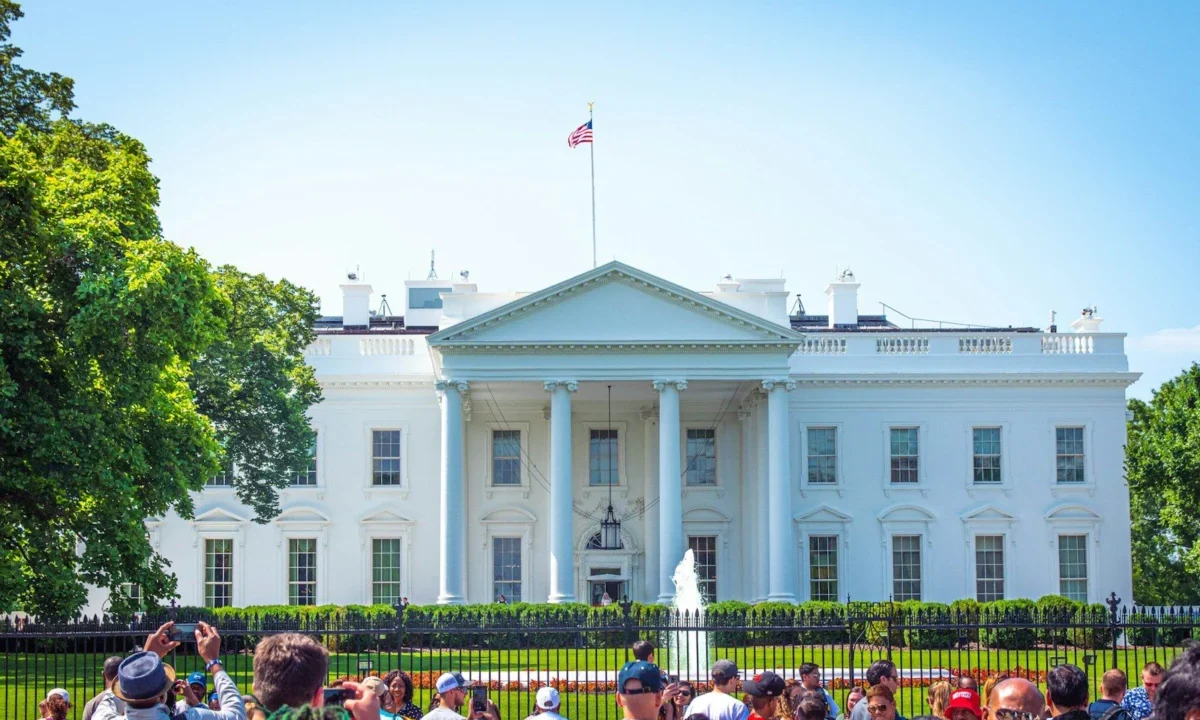

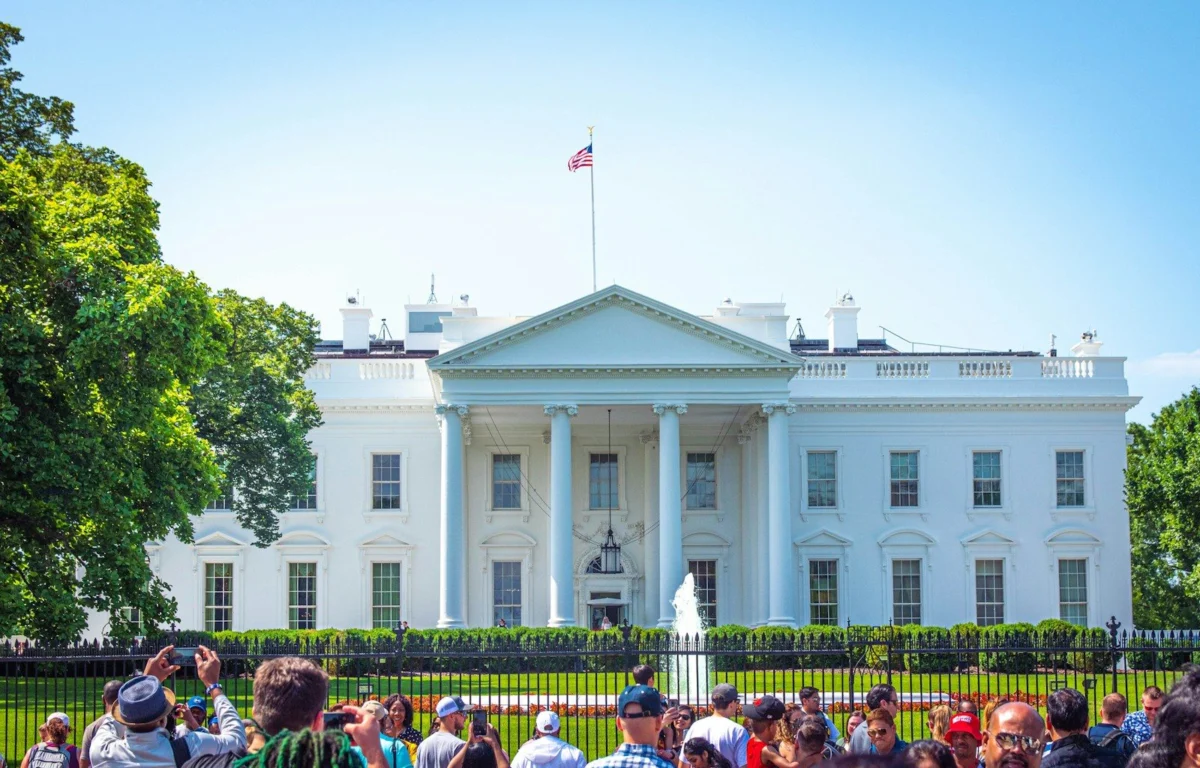
WASHINGTON, D.C. — The tension between the executive branch and the press corps reached a historic breaking point this week as three major news organizations—CNN, MS NOW, and Politico—filed a federal lawsuit against the Trump administration. The legal challenge, lodged in the U.S. District Court for the District of Columbia, seeks to overturn a sweeping ban that revoked the White House press credentials of the outlets and their reporters, effectively barring them from the executive mansion and its surrounding complex.
The lawsuit marks a significant escalation in the ongoing friction between the White House and institutional media, raising fundamental questions about the extent of presidential authority to regulate the press and the constitutional protections afforded to journalists covering the highest office in the land.
The Core Dispute: Freedom of the Press vs. Executive Discretion
At the heart of the litigation is a fundamental disagreement over the nature of White House access. The plaintiffs, representing both the media organizations and individual journalists, contend that the revocation of their credentials constitutes a direct violation of the First and Fifth Amendments.
The complaint alleges that the administration’s actions were motivated by a desire to retaliate against "protected reporting" and to discriminate against outlets based on their editorial viewpoints. By effectively silencing specific organizations, the plaintiffs argue, the administration is engaging in viewpoint discrimination—a practice strictly prohibited under the First Amendment.
Furthermore, the lawsuit introduces a due process claim under the Fifth Amendment. The reporters assert that they were denied the fundamental rights of notice and an opportunity to be heard. They allege that the administration provided no warning prior to the revocation and offered no administrative mechanism for the journalists to contest the sudden loss of their credentials.
A Chronology of the Escalation
The events leading to Monday’s filing unfolded with remarkable speed, beginning with an announcement from President Donald Trump on Friday afternoon.
- Friday, September 25: President Trump took to Truth Social to announce that CNN, MS NOW, and Politico would be prohibited from entering the White House. Citing what he termed "cumulative stories over the last two years," the President declared that media outlets should not be permitted to report "FICTION and LIES" while covering the administration or the United States.
- Saturday, September 26: The ban was enforced immediately. Secret Service agents stationed at the White House checkpoints denied entry to the reporters associated with the three outlets. Their physical press credentials were confiscated on the spot, cutting them off from daily briefings, workspaces, and direct access to administration officials.
- Monday, September 28: Legal counsel for the three organizations filed a formal complaint in the U.S. District Court for the District of Columbia, seeking immediate relief in the form of a temporary restraining order and a permanent injunction to block the enforcement of the ban.
The impact of the ban is immediate and widespread. By losing their credentials, these reporters are excluded from the "press pool"—the vital, rotating group of journalists tasked with documenting presidential activities when space is constrained. The plaintiffs argue that this loss of access creates irreparable harm; unlike other forms of reporting, the opportunity to witness history as it unfolds in the West Wing cannot be recovered once a briefing or event has passed.
Supporting Data and Context: A Pattern of Antagonism
The current lawsuit does not exist in a vacuum; it is part of a broader, multi-year campaign by the administration to delegitimize traditional media outlets.
The "Media Offenders" Initiative
Central to the administration’s public-facing strategy is the "Media Offenders" section on the official White House website. This digital repository serves as an "Offender Hall of Shame," featuring a leaderboard that tracks reporters and outlets the administration deems "biased." The page includes an interactive form that encourages members of the public to report instances of perceived media bias, which the administration then uses to curate rebuttals and critiques. This institutionalized antagonism has created a climate where journalists are not merely viewed as the "fourth estate," but as political adversaries.
The Litigious Landscape
The administration has also increasingly utilized the judiciary to combat unfavorable reporting. In December 2024, a notable defamation suit involving ABC News concluded in a high-profile settlement. The case, which centered on statements made by George Stephanopoulos regarding the E. Jean Carroll litigation, resulted in ABC News agreeing to contribute $15 million to the President’s presidential library and covering $1 million in legal fees. While the settlement avoided a trial, it underscored the administration’s willingness to use the legal system to exert financial and reputational pressure on major media conglomerates.
Precedent: The Acosta Case
The current litigation echoes the landmark 2018 legal battle between CNN and the Trump administration over the revocation of reporter Jim Acosta’s credentials. In that instance, the courts intervened, ruling that the administration had violated the reporter’s due process rights by failing to provide fair notice and a chance to respond. That case established that while the White House has broad discretion to manage its facilities, it cannot act arbitrarily or punish journalists based on the content of their questions or reports.
Official Responses and Administration Stance
Defending the decision, the White House has maintained that its actions are not a form of intimidation, but rather a necessary response to chronic dishonesty. President Trump has framed the ban as a matter of integrity, arguing that the outlets have engaged in a pattern of "fictional" reporting that undermines national stability.
"Media outlets shouldn’t be able to constantly write or report FICTION and LIES when they’re covering the President of the United States," the President stated in his initial announcement.
Administration officials have echoed this sentiment, suggesting that the White House complex is a private working space rather than a public forum, and that the President reserves the right to determine who is granted the "privilege" of access. They argue that the ban is based on a "cumulative" history of conduct rather than a single event, aiming to portray the decision as a standard of professional accountability rather than political censorship.
Legal and Democratic Implications
The implications of this case extend far beyond the three newsrooms involved. Constitutional scholars suggest that the court’s ruling will define the scope of executive power for years to come.
The First Amendment Threshold
The central question for the court will be whether the White House is a "public forum" or a private executive office. If the court finds that the White House press room is a traditional public forum, the threshold for excluding journalists becomes exceptionally high. Under this view, the government cannot exclude specific speakers based on their viewpoint without a compelling state interest and narrowly tailored policies.
The Due Process Requirement
The Fifth Amendment claim is perhaps the most straightforward component of the lawsuit. If the court follows the precedent set in the 2018 Acosta ruling, it is likely to find that the administration acted in violation of due process by failing to provide a clear, standardized procedure for the revocation of credentials. The lack of an appeal process or an opportunity to respond to the administration’s accusations of "fake news" significantly weakens the government’s position.
The "Chilling Effect"
Beyond the immediate legal arguments, the case raises concerns about the "chilling effect" on the broader press corps. If the administration succeeds in banning organizations based on their coverage, it may incentivize self-censorship among remaining reporters who fear losing their own access.
As the case moves through the District Court, the eyes of the global legal and media communities remain fixed on Washington. The outcome will ultimately serve as a litmus test for the resilience of the First Amendment in an era of intense political polarization and digital-first executive communication. For now, the plaintiffs await a court date, while the halls of the West Wing remain closed to three of the nation’s most prominent news voices.
