


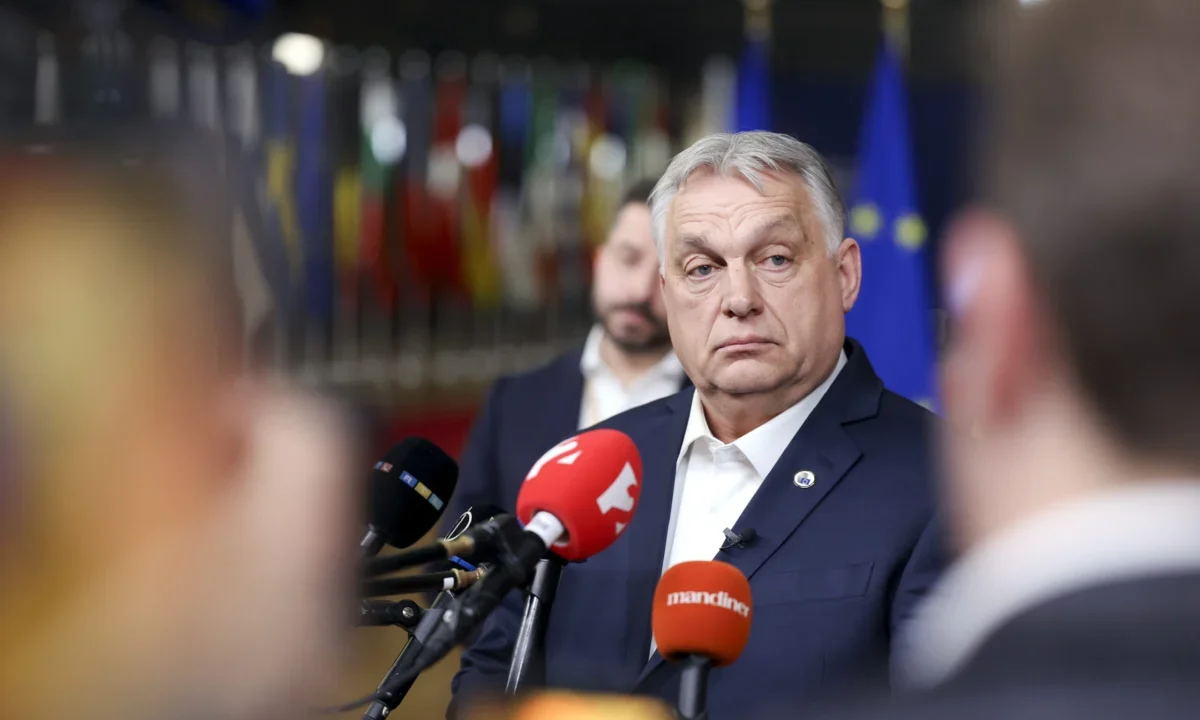


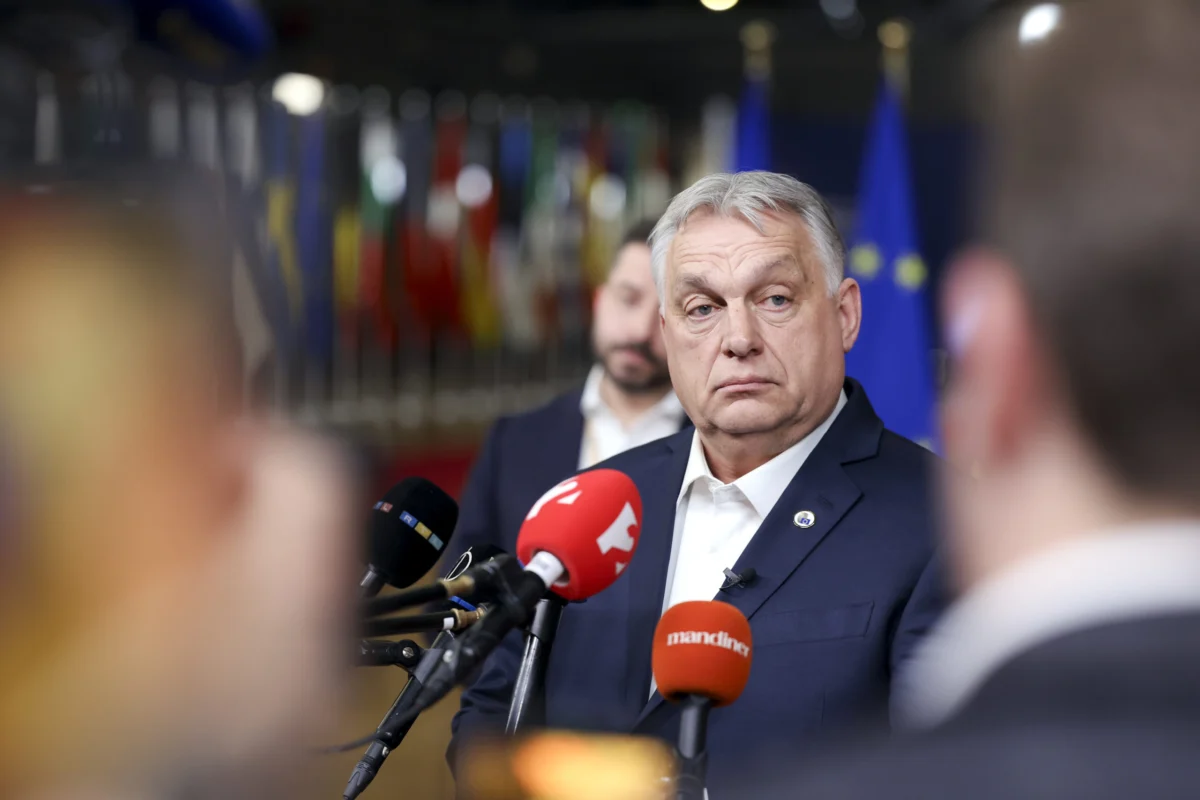
As Hungary prepares to head to the polls on April 12, 2026, the nation stands on the precipice of a political transformation that could redefine its role within the European Union. While the headlines are dominated by the potential end of Prime Minister Viktor Orbán’s 16-year tenure, a critical, often overlooked dimension of this contest lies in the country’s energy future and its evolving stance on climate policy.
Clean Energy Wire (CLEW), supported by Journalismfund Europe, has convened a cohort of journalists to dissect the implications of this election. The central question for observers is not merely who will govern, but whether Hungary will continue its role as a disruptive force in EU climate initiatives or pivot toward a more integrated, sustainable energy strategy.
Main Facts: The Battle for the Future of Hungary
The upcoming election is widely viewed as a binary contest between two dominant political forces: the incumbent Fidesz party, led by Viktor Orbán, and the rising conservative Tisza movement, headed by Péter Magyar. Current polling data suggests a high probability of a "two-horse race," with a significant risk that smaller political factions may fail to clear the parliamentary threshold, effectively resulting in a de facto consolidation of the Hungarian political landscape.
The stakes for the energy sector are immense. Hungary’s current policy framework is characterized by:
- Nuclear Dependency: A heavy reliance on the Paks nuclear power plant and ongoing disputes regarding its expansion.
- EU Obstructionism: A history of using its veto power to delay or dilute EU-wide climate regulations.
- Industrial Transformation: An aggressive, government-backed push to become a global hub for electric vehicle (EV) battery production, which has triggered environmental and social controversy.
The election results will determine whether Hungary maintains its current trajectory of "energy sovereignty"—often code for skepticism toward Brussels’ Green Deal—or aligns itself with the decarbonization goals of its European partners.
Chronology: A Decade and a Half of Political and Energy Consolidation
To understand the current volatility, one must trace the evolution of the Orbán administration’s energy and political strategy.
- 2010–2014: The Consolidation of Power: Upon returning to power in 2010, Viktor Orbán initiated a policy of "reclaiming" energy assets from foreign ownership. This period marked the beginning of state-led control over utility prices, which became a cornerstone of Fidesz’s populist appeal.
- 2014–2018: The Nuclear Pivot: The government signed the Paks II agreement with Russia’s Rosatom, cementing a long-term geopolitical and energy partnership that would become a point of contention with the European Commission.
- 2019–2022: Climate Skepticism and the Battery Boom: As the EU ramped up its "Fit for 55" climate targets, Hungary began positioning itself as a strategic manufacturing hub for battery makers, primarily from East Asia. This move was framed as essential for economic growth but faced domestic pushback due to water usage and environmental concerns.
- 2023–2025: The Rise of Péter Magyar: Emerging from within the ranks of the establishment, Péter Magyar’s Tisza movement galvanized a disillusioned electorate. His platform focused on governance, anti-corruption, and a pragmatic approach to EU relations, setting the stage for the April 2026 confrontation.
Supporting Data: Energy Trends and Economic Indicators
The intersection of Hungary’s climate policy and its economic performance presents a complex picture.
The Battery Manufacturing Paradox
Hungary has attracted billions of euros in foreign direct investment (FDI) aimed at establishing a massive battery production cluster. While the government touts this as a success story for the "green transition," critics point out the carbon intensity of the manufacturing processes and the strain on local infrastructure.
- Data Insight: Current government projections suggest the battery sector could contribute significantly to GDP growth by 2030. However, environmental NGOs argue that the energy required to power these factories is largely derived from fossil fuels and imported electricity, undermining the "green" label.
Climate Policy Obstructionism
Hungary has been one of the most vocal opponents of the EU’s phase-out of internal combustion engines and the stricter emissions trading schemes.
- EU Relations: Hungary’s frequent use of the veto has often been linked to broader disputes over the rule of law and the release of frozen EU recovery funds. Energy policy has, at times, been used as a bargaining chip in these wider geopolitical negotiations.
Official Responses and Political Platforms
The CLEW webinar for journalists highlights the starkly different visions presented by the two primary contenders.
The Fidesz Position: Sovereignty and Stability
The incumbent government maintains that energy policy is a matter of national security. Fidesz argues that by prioritizing nuclear energy and maintaining close ties with suppliers like Russia, Hungary protects its citizens from the price volatility experienced elsewhere in Europe. Their campaign narrative emphasizes:
- Protecting the "utility price cap" (rezsicsökkentés).
- Ensuring industrial competitiveness through low-cost, state-directed energy.
- Resisting "ideological" climate mandates from Brussels.
The Tisza Movement Position: Pragmatism and European Alignment
Péter Magyar’s movement has criticized the current administration for its lack of transparency regarding the Paks II project and its reliance on a single energy partner. Their platform advocates for:
- Diversifying energy sources to include more wind and solar power, which have faced regulatory hurdles under the current administration.
- Restoring a constructive relationship with the European Commission to unlock climate transition funds.
- Modernizing the national grid to handle decentralized, renewable energy inputs.
Implications: What a Shift Means for Europe
The outcome of the April 12 election will have reverberations well beyond Budapest.
1. Impact on EU Climate Goals
If the current administration retains power, the EU is likely to face continued friction regarding the "Fit for 55" agenda. Conversely, a victory for the opposition could lead to a more cooperative, albeit cautious, Hungarian approach to regional climate policy.
2. The Future of the Nuclear-Renewable Mix
Regardless of the winner, the next government will face the reality of an aging energy infrastructure. The decision to either double down on the Paks expansion or shift investment toward renewables will dictate Hungary’s energy security for the next 30 years.
3. The Industrial Transition
The "Battery Hub" strategy remains a double-edged sword. The next administration must decide whether to continue subsidizing this sector at the risk of local environmental degradation or to pivot toward a more diversified industrial policy that prioritizes long-term sustainable growth over immediate FDI metrics.
Conclusion: The Road to April 12
As the sign-ups for the CLEW webinar have closed, the intense interest from the journalistic community reflects the gravity of the situation. Hungary is not just choosing a Prime Minister; it is deciding its orientation in a rapidly decarbonizing global economy.
For the international observer, the election on April 12 is a litmus test for the resilience of democratic institutions in the face of populist energy policy. Whether through the lens of economic reform, climate action, or geopolitical alignment, the choices made by the Hungarian electorate will define the nation’s path forward in a turbulent century.
As the countdown to election day continues, the focus must remain on the empirical realities of energy transition: the necessity of a stable power grid, the reality of climate change, and the role of transparency in governance. Whatever the result, the Hungarian example provides a profound case study in the tension between national energy interests and the collective goals of the European Union.
This article is based on information provided by Clean Energy Wire (CLEW) and is supported by Journalismfund Europe. For ongoing coverage of the Hungarian elections and their impact on European energy policy, please follow updates from regional energy analysts and international news bureaus.
