





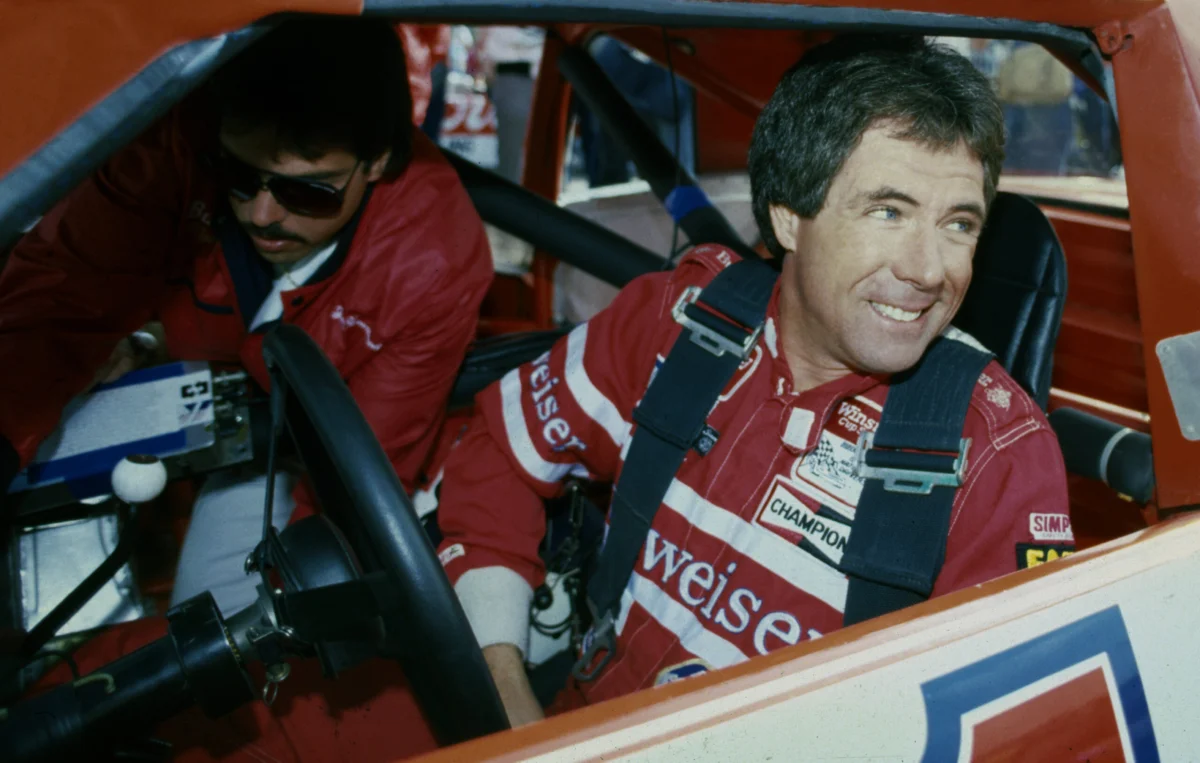
For nearly half a century, the name Darrell Waltrip has been synonymous with the thunderous roar of NASCAR. Whether he was behind the wheel of a stock car, trading paint at 200 miles per hour, or behind the microphone in a broadcast booth, Waltrip was the definitive voice and personality of American motorsports. Today, however, the racing world is mourning a quieter, more solemn milestone: at 79 years old, the NASCAR Hall of Famer has announced he is stepping away from public life to manage a progressive brain disease.
In a statement that has sent ripples of sadness through the sporting community, Waltrip and his family revealed that he has been diagnosed with Frontotemporal Degeneration (FTD), potentially complicated by Chronic Traumatic Encephalopathy (CTE)—a condition frequently associated with the high-impact nature of his legendary three-decade driving career.
A Legacy Built on Speed and Grit
To understand the magnitude of this departure, one must look at the landscape of NASCAR before and after Darrell Waltrip. Racing from 1972 through 2000, Waltrip was a dominant force during what many historians consider the “Golden Era” of stock car racing.
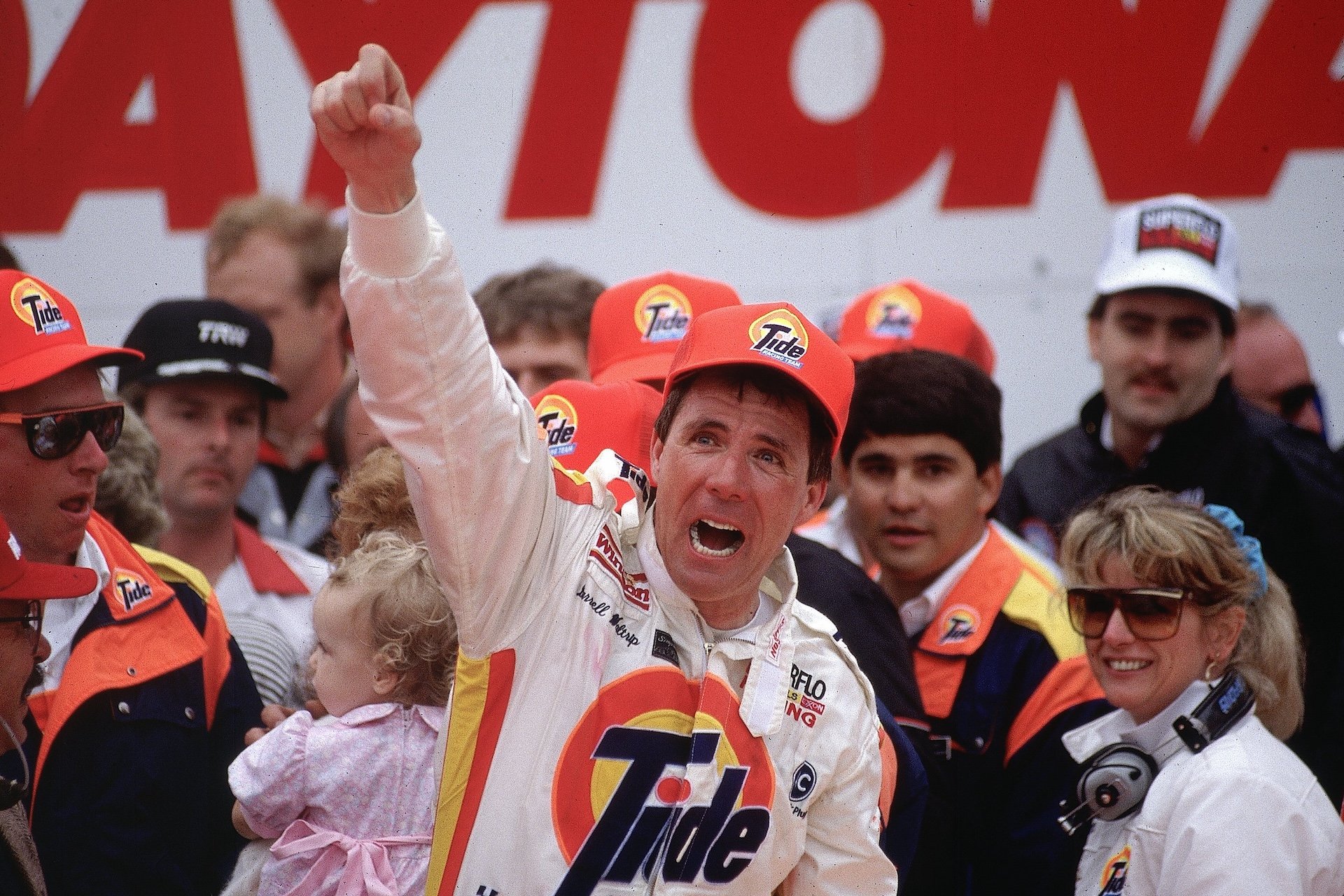
A three-time NASCAR Cup Series champion (1981, 1982, and 1985), Waltrip’s resume is nothing short of extraordinary. He secured 84 career victories, placing him fifth on the all-time wins list. His crowning achievement, the 1989 Daytona 500 victory, remains one of the most iconic moments in the sport’s history.
Beyond the statistics, Waltrip was a cultural icon. Even for those who never tuned into a Sunday race, his voice became a staple of American television. As the lead analyst for Fox Sports for 18 years—beginning with the network’s entry into the sport in 2001—his boisterous, trademark catchphrase, “Boogity! Boogity! Boogity!” became a rhythmic signal to millions of households that it was time to go racing. His transition from a polarizing, fiery competitor on the track to a beloved, grandfatherly figure in the booth is a trajectory rarely seen in professional sports.
Chronology of a Career Defined by Velocity
Waltrip’s journey through the ranks of motorsports is a testament to perseverance and evolution.
- 1972: Waltrip makes his debut in the NASCAR Winston Cup Series, quickly establishing himself as a driver who feared neither the competition nor the walls.
- 1970s & 80s: This period marked his rise to superstardom. Driving for legendary owners like DiGard Racing and Junior Johnson, Waltrip became the man to beat. His rivalry with legends like Dale Earnhardt helped build the modern NASCAR fanbase.
- 1989: After years of near-misses, Waltrip finally conquers the Great American Race, winning the Daytona 500.
- 2000: Following 29 years of competition, Waltrip retires from full-time driving, leaving behind a legacy of 84 wins and 276 top-five finishes.
- 2001: Waltrip joins the inaugural Fox Sports broadcast team. His transition to television is seamless, bringing an insider’s perspective that fans had never experienced before.
- 2019: After nearly two decades in the booth, Waltrip officially retires from broadcasting, transitioning into a new phase of life as an ambassador for the sport.
- 2026: The announcement is made regarding his battle with FTD and CTE, leading to his withdrawal from public life.
The Physical Toll of the Sport
The diagnosis of FTD and the suspicion of CTE bring to light the harsh realities of professional racing in the 20th century. While modern safety innovations like the HANS device, SAFER barriers, and advanced cockpit geometry have significantly reduced head trauma, the drivers of the 70s, 80s, and 90s operated in a much more dangerous environment.
During his tenure, Waltrip experienced numerous high-speed impacts. In an era where safety protocols were evolving, the cumulative effect of “getting your bell rung” was often ignored or misunderstood. The medical consensus now suggests that the repetitive sub-concussive hits and major crashes sustained throughout a multi-decade career can have long-term neurodegenerative consequences.
The family’s transparency regarding these conditions serves as a reminder that the cost of glory in high-speed sports often extends well beyond the final checkered flag.
Official Responses and Public Sentiment
The racing world has responded with an outpouring of support. NASCAR officials, former rivals, and colleagues have shared their memories of "D.W."
"Darrell is the heartbeat of this sport," said one former colleague at Fox Sports. "He wasn’t just a driver or an analyst; he was the bridge between the old-school grit of the garage and the modern era of professional broadcasting."
The family’s statement emphasized that while the disease is progressive, it remains in its early stages. "While this disease will inevitably progress, thankfully, it is currently limited to some minor noticeable symptoms," the statement read. "As a result, he will be stepping further away from the public limelight. Be assured, Darrell is happy and otherwise healthy—spending his time with his wife, Stevie, two daughters, and his three young grandchildren."
Fans have taken to social media in droves, using the hashtag #Boogity to share stories of how Waltrip’s charisma turned them into lifelong NASCAR fans.
Implications for the Future
The news of Waltrip’s condition highlights a critical ongoing conversation regarding athlete health in motorsports. While organizations like NASCAR and IndyCar have invested millions into concussion protocols and medical research, the industry is still reckoning with the long-term health of its retired legends.
For the sport, the loss of Waltrip’s public presence is a bittersweet moment. He leaves behind not just a list of records, but a blueprint for how a driver can remain relevant and influential long after the engine is turned off. His autobiography, DW: A Lifetime Going Around in Circles, written with historian Jade Gurss, will continue to serve as the definitive account of his life—a life defined by a love for speed, a passion for country and gospel music, and an enduring connection to his family.
As Darrell Waltrip retreats into the privacy of his home, he does so with the respect of a grateful nation. He moves forward now to focus on the things that matter most: his wife, Stevie, his children, and the joy of his grandchildren. While the microphones are silenced and the cameras are dimmed, the echo of "Boogity! Boogity! Boogity!" will undoubtedly continue to resonate through the corridors of Daytona, Talladega, and every track where the spirit of competition lives on.
In the end, Darrell Waltrip taught us how to race, how to speak, and ultimately, how to live with grace. The racing community stands with him now, offering the same support and loyalty he gave to his fans for nearly 50 years.
