



For generations, the narrative of women’s healthcare has been one of frustration. It is a system defined by the "gender health gap"—a pervasive reality where women’s pain is frequently underestimated, symptoms are dismissed as psychosomatic, and the journey to a correct diagnosis can span years of medical gaslighting. For millions, the doctor’s office is not a place of resolution, but one of fragmented records and overlooked patterns.
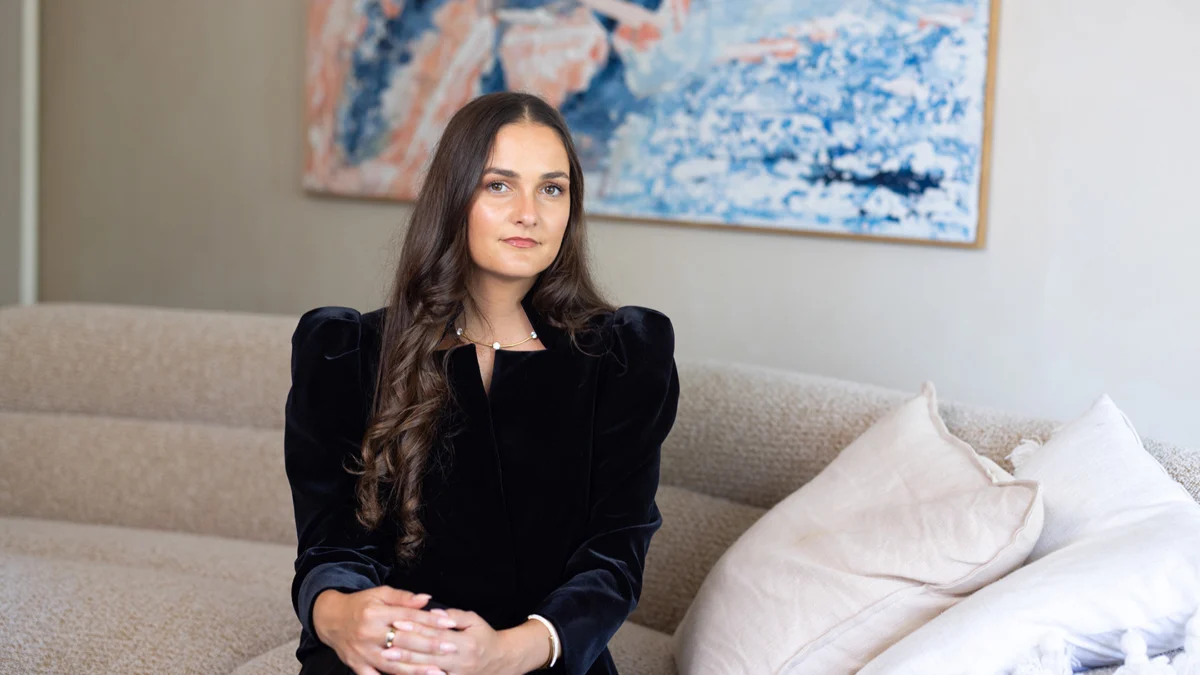
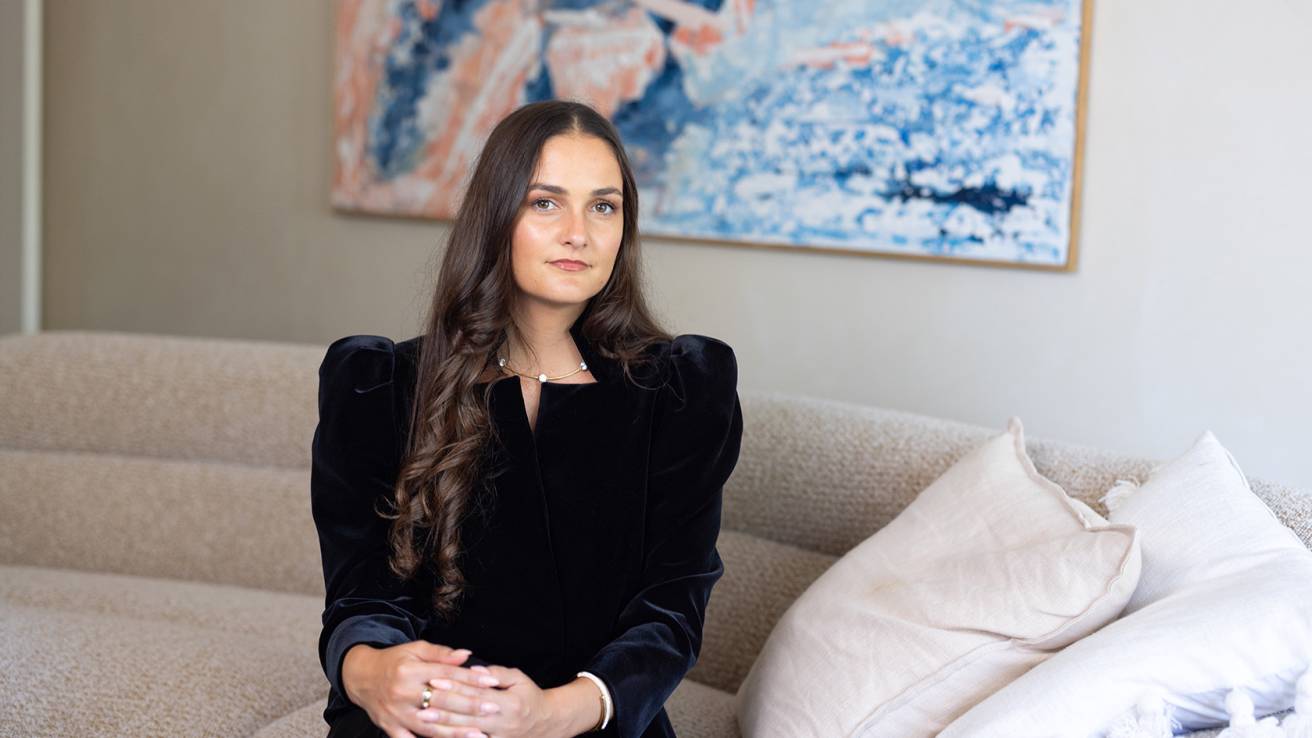
Dr. Ariella Heffernan-Marks, a physician and founder, is changing that narrative. Through her venture, Ovum, she is arming women with the tools to reclaim their health journeys, utilizing artificial intelligence to turn isolated symptoms into actionable, longitudinal data. Her efforts have recently been recognized on the national stage, with Heffernan-Marks taking home the "Best New Founder" title at the Startup Daily Best in Tech Awards 2026.
The Genesis of a Movement: From Patient to Founder
The story of Ovum is deeply personal. During her third year of medical school, Heffernan-Marks found herself on the other side of the stethoscope. As she began experiencing chronic migraines, she encountered the same bureaucratic and clinical hurdles that her future patients faced. She saw firsthand how the medical system failed to integrate her personal history, lifestyle, and symptoms into a coherent, actionable story.
This "patient-doctor-founder" perspective became the bedrock of Ovum. Heffernan-Marks realized that the problem wasn’t a lack of information, but a lack of connectivity. Women were keeping journals, using various trackers, and carrying binders of test results, but these data points remained silos. Ovum was designed to bridge this chasm. By synthesizing wearables data, medical records, medication logs, and daily symptom tracking into a single, AI-powered interface, the platform allows users to visualize their health as a continuous, meaningful narrative rather than a series of disparate medical incidents.
Chronology of a High-Growth Startup
The trajectory of Ovum has been nothing short of meteoric, marking it as one of the most promising health-tech players in the ANZ (Australia and New Zealand) ecosystem.
- August 2025: Ovum officially launches to the public, offering a comprehensive, AI-driven health journal.
- June 2026: The startup secures a landmark $4 million seed funding round, valuing the company at $18 million. This injection of capital signaled strong investor confidence in the model of longitudinal women’s health data.
- Late 2026: Ovum expands its reach through a series of high-profile partnerships, including collaborations with Medibank, Fernwood Fitness, and iScreen.
- Present Day: The platform continues to scale, having facilitated over 113,000 AI-powered health conversations and surpassing 20,000 downloads in just over a year.
The "Best New Founder" award at the Startup Daily Best in Tech Awards 2026 serves as a capstone to this breakout year. Presented by The Founders Union, the award recognizes not just the technical innovation of the app, but the early promise and significant societal impact Heffernan-Marks has demonstrated in a very short window of time.
Supporting Data: Why "Human-First" AI Matters
One of the most critical challenges in medical AI is the "black box" problem—the lack of transparency and the issue of biased datasets. Women have historically been underrepresented in clinical trials and medical research, leading to a healthcare landscape where "normal" is often calibrated to a male physiology.
Ovum is actively working to correct this. By building a longitudinal dataset based on real-world experiences, the company is creating a repository of women’s health data that can eventually inform better clinical outcomes. The level of user engagement is proof of the company’s "human-first" philosophy:
- Participation Rates: An impressive 83% of Ovum users have opted in to contribute their anonymized health information to the research pool.
- Scale of Insights: The platform has already aggregated over 130,000 individual health insights.
- Demographic Range: The data spans a diverse age range, from 15 to 84, allowing for a comprehensive view of how health patterns evolve across different life stages, from adolescence to menopause and beyond.
Heffernan-Marks views this high opt-in rate as a triumph of trust. "The number of women consenting demonstrates the power of building trust, especially for an AI company," she notes. "It shows that when you put human stories at the center, you can build a system that is both technically robust and ethically sound."
Official Perspectives: The Vision Beyond the App
When asked about the future of Ovum, Heffernan-Marks is quick to pivot away from the product itself and toward the structural change she hopes to influence.
"The long-term vision is much bigger than an app," she told Startup Daily. "We want to help build a future where women’s health is understood continuously and individually, not through fragmented snapshots or biased data. We want to reach a point where women-specific AI helps every woman become a more informed, empowered participant in her own healthcare."
Her approach is collaborative rather than disruptive for the sake of disruption. By partnering with established entities like the Australian Red Cross Lifeblood and major insurers like Medibank, Ovum is positioning itself as a vital piece of the broader medical infrastructure. This is not just a digital diary; it is a clinical support tool designed to make the precious minutes in a doctor’s office more efficient and productive.
"For me, impact is when technology changes what happens in someone’s real life," Heffernan-Marks explains. "That might be a woman finally understanding a pattern in her health she’d never connected before, walking into a doctor’s appointment better prepared, or finally feeling like her health history makes sense as one connected story."
The Implications: A New Era of Healthcare Equity
The implications of Ovum’s success extend far beyond the app’s interface. By formalizing the documentation of women’s symptoms, the platform provides an objective basis for clinical conversations that have historically been subjective.
Reducing the Time to Diagnosis
One of the primary goals of the platform is to reduce the time it takes for women to receive a correct diagnosis. By surfacing patterns that might be invisible to a clinician during a 15-minute consultation, Ovum empowers users to advocate for themselves with data-backed evidence.
Democratizing Health Literacy
The use of conversational AI to explain test results and medical history effectively bridges the health literacy gap. By making complex medical data accessible and digestible, Ovum enables women to take ownership of their health journey, moving from passive recipients of care to active participants.
Informing Future Research
Perhaps the most significant long-term implication is the potential for the Ovum dataset to influence future medical research. As the dataset grows, it could provide researchers with an unprecedented view of how various conditions—and the treatments for them—manifest in women. This could potentially lead to more gender-specific clinical guidelines and a reduction in the "gender data gap" that has plagued medical science for decades.
A Legacy in the Making
The recognition of Dr. Ariella Heffernan-Marks at the Startup Daily Best in Tech Awards is a testament to the fact that the tech ecosystem is increasingly prioritizing "meaningful" innovation over pure disruption. In an era where AI is often viewed with skepticism, Ovum stands as a beacon of what is possible when technology is deployed to solve deep-seated, systemic inequalities.
For the women who use the app, the success is measured in smaller, deeply personal moments: the earlier diagnosis, the clearer conversation with a specialist, or the simple validation that their lived experience is real.
"We receive messages from women telling us Ovum helped them take action on their health, or fundamentally changed their lives," Heffernan-Marks reflects. "Those are the moments that remind us why we’re building this."
As Ovum moves forward, its mission remains clear: to ensure that when a woman speaks in a doctor’s office, she is heard, and when she presents her health history, it is understood as a whole. In the world of healthcare, that is not just a technological advancement—it is a moral imperative.
