




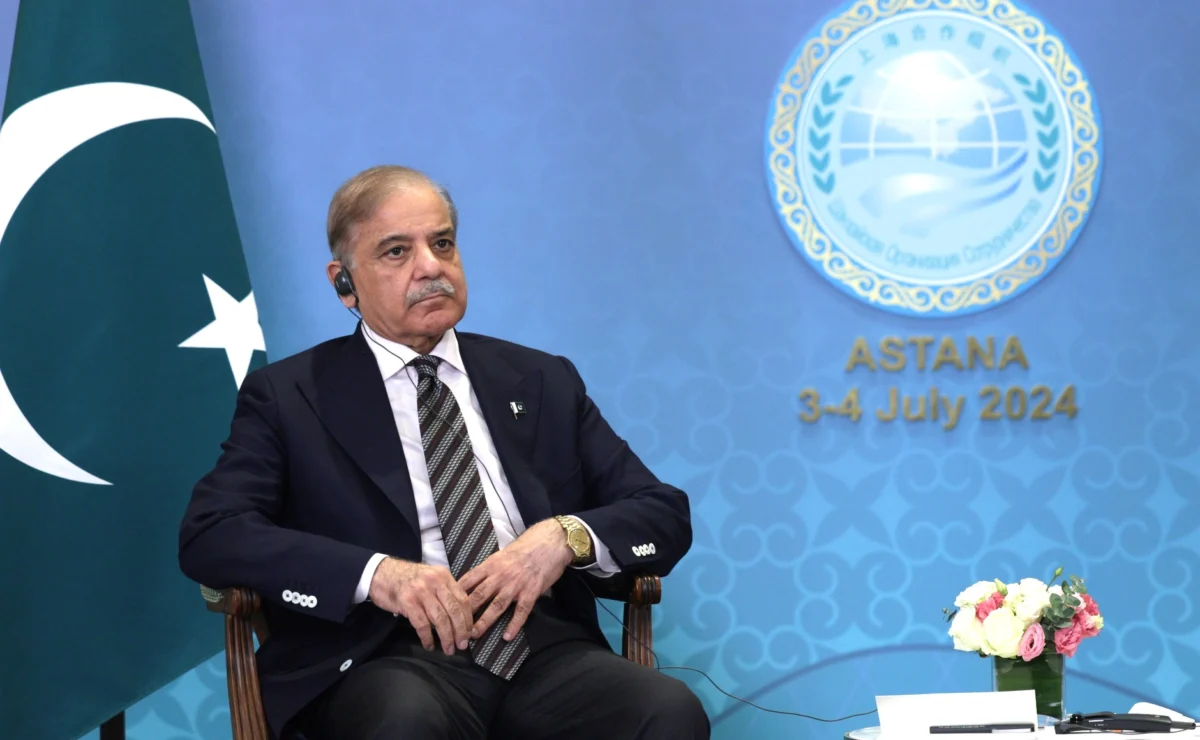
UNITED NATIONS, NEW YORK — In a high-stakes address at the 81st session of the United Nations General Assembly (UNGA), Pakistan’s Prime Minister Shehbaz Sharif delivered a categorical warning to the international community: any unilateral move by India to restrict or divert the flow of the Indus River system will be treated as an “act of war.”
The speech, which marks a significant escalation in the rhetoric surrounding the long-standing Indus Waters Treaty (IWT), positions the management of the river as the ultimate flashpoint in the volatile geopolitical landscape of South Asia. As the lifeblood of Pakistan’s agricultural economy and a critical source of regional stability, the Indus remains the central pillar of the fragile peace between the two nuclear-armed neighbors.
The Chronology of a Collapsing Treaty
The Indus Waters Treaty, brokered by the World Bank in 1960, has historically been hailed as one of the world’s most successful water-sharing agreements. It survived three major wars and numerous border skirmishes. However, the veneer of cooperation has shattered in recent years, replaced by a cycle of unilateral suspensions and international legal battles.
A Timeline of Escalation:
- 1960: The Indus Waters Treaty is signed, establishing a framework for the utilization of the Indus River system, which originates on the Tibetan Plateau and flows through India into Pakistan.
- April 2025: Following a devastating militant attack in the Baisaran Valley near Pahalgam in Indian-administered Kashmir—which claimed the lives of 26 civilians—the Indian government announced the temporary suspension of the IWT. New Delhi linked the treaty’s future to the cessation of cross-border terrorism.
- Mid-2025: India briefly restricted water flows through the Baglihar and Kishanganga dams, prompting Pakistan to expel Indian military liaisons and close its airspace to Indian aircraft.
- June 2025: The Court of Arbitration, acting under the framework of the IWT, issued a unanimous "Supplemental Award on Competence," ruling that India’s suspension of the treaty did not nullify the tribunal’s jurisdiction.
- August 2025: The tribunal reaffirmed its authority, declaring its rulings binding. India formally rejected the tribunal’s existence, labeling its findings “illegal and void per se.”
- September 2026: Prime Minister Shehbaz Sharif addresses the UNGA, explicitly framing the water dispute as a casus belli.
The Legal Battlefield: PCA vs. New Delhi
At the heart of the current crisis is a fundamental disagreement over international law. Pakistan, seeking redress through the Permanent Court of Arbitration (PCA) in The Hague, argues that the IWT contains no provision for unilateral suspension.
The PCA’s recent rulings have consistently favored the argument that the treaty remains in force regardless of the political climate. In its latest technical determination, the tribunal addressed the issue of "maximum pondage"—the capacity for water storage at run-of-river hydroelectric projects on the Western Rivers. India, however, has maintained a policy of non-participation, arguing that the tribunal lacks the mandate to adjudicate disputes that New Delhi views as a matter of national security rather than contractual obligation.
Critics, including international think tanks like the Lowy Institute, suggest that India’s refusal to engage with the PCA signifies a dangerous trend: the "weaponization" of bilateral treaties. By treating the IWT as a political lever rather than a technical framework, observers fear that New Delhi is dismantling the very guardrails that have prevented total conflict for over six decades.
Implications for Regional Stability
The implications of a failed IWT are catastrophic. Pakistan is one of the world’s most water-stressed nations, with a population whose survival is tied directly to the glacial melt and river flows of the Indus. Any significant reduction in these flows could lead to widespread famine, economic collapse, and mass migration, creating a security vacuum that could destabilize the entirety of South Asia.
Prime Minister Sharif’s rhetoric at the UN was unambiguous: “Water must never be weaponized. Rivers should nourish nations. Not divide them.” By elevating the dispute to the UN floor, Sharif is signaling that Islamabad no longer views this as a bilateral technical dispute, but as a global human rights and security crisis.
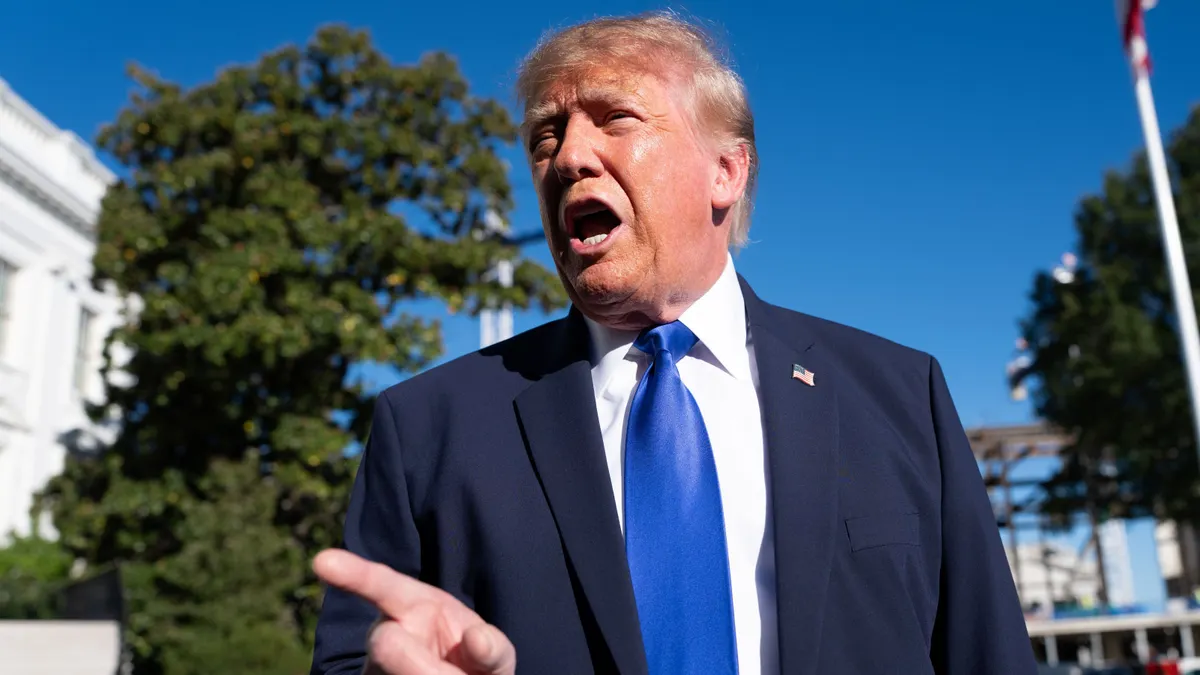
Furthermore, the mention of U.S. intervention—with Sharif publicly thanking President Donald Trump for his role in mediating past tensions—suggests that Pakistan is actively seeking to internationalize the conflict. This move is designed to force Washington and other global powers to acknowledge that the Indus is not merely a regional issue, but a critical component of global security.
The Jammu and Kashmir Nexus
Sharif also used his UN platform to reiterate that the Indus issue cannot be divorced from the broader, long-standing dispute over Jammu and Kashmir. The Prime Minister underscored that the water crisis is an extension of the unresolved political status of the region. Without a fair and peaceful resolution to the Kashmir conflict, he argued, the environmental and economic security of the region remains under constant threat.
The Indian government, conversely, maintains that its actions regarding the dams and the treaty are legitimate measures to counter what it characterizes as state-sponsored terrorism originating from across the border. New Delhi’s refusal to recognize the PCA’s authority is rooted in the belief that the treaty’s technicalities should not prevent a nation from taking necessary security precautions against external threats.
Conclusion: The Path Ahead
The international community now faces a precarious impasse. With the Permanent Court of Arbitration reaffirming its binding authority and India continuing its policy of non-participation and unilateral management, the potential for a localized water dispute to spill over into military conflict is at its highest point in history.
As water scarcity increases due to climate change, the pressure on the Indus River system will only intensify. The UNGA session serves as a stark reminder that the world’s most successful water treaty is on the brink of obsolescence. Whether international mediators can bridge the chasm between New Delhi’s security concerns and Islamabad’s existential reliance on the Indus will likely define the security trajectory of South Asia for the remainder of the decade.
For now, the "act of war" warning stands as a grim reminder of the high stakes involved. If the diplomacy of water fails, the flow of the Indus may well become the catalyst for the next great conflict in the region.
