

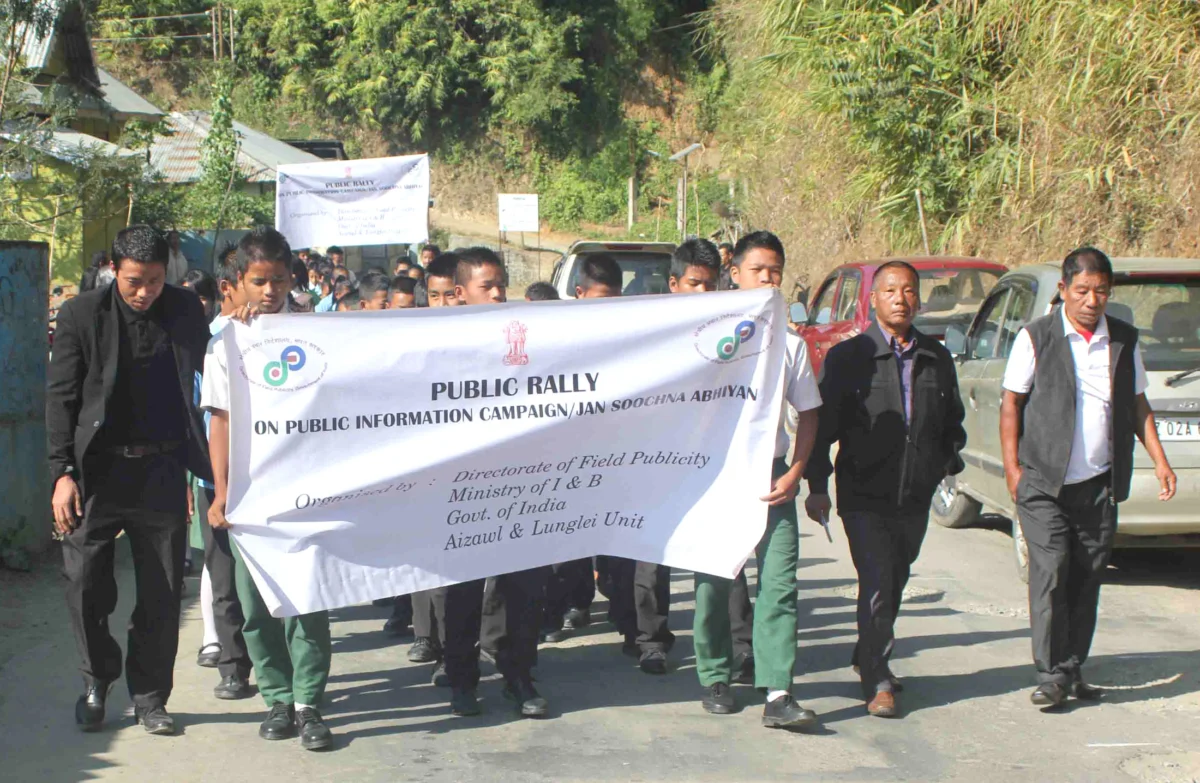
As the global community observes the 2026 International Day for Universal Access to Information on September 28, the discourse surrounding the fundamental right to knowledge has taken a critical turn. While the digital revolution promised an era of unparalleled transparency, it has simultaneously birthed an "information disorder" that threatens the very foundations of democratic governance. Under the theme "Upholding Information Integrity in the Digital Age: The role of access to Information in addressing Information Disorder," the United Nations and UNESCO are spearheading a global re-evaluation of how societies can protect the truth without sacrificing the essential freedoms of expression and inquiry.
The Evolution of a Fundamental Right
The recognition of the International Day for Universal Access to Information is not merely a symbolic gesture; it is an affirmation of the bedrock principles of modern democracy. Rooted in the broader umbrella of freedom of expression, this right encompasses the freedom to seek, receive, and impart information through any media, regardless of frontiers.
Formally proclaimed by UNESCO in November 2015, the day serves as a yearly milestone to assess how far nations have come in codifying the "right to know" into domestic law. UNESCO, as the UN’s lead agency for information and communication, has consistently argued that access to information is a public good. It is the lifeblood of accountability, enabling citizens to participate in informed decision-making and holding those in power to the scrutiny of the public eye.
Information Disorder: A Three-Tiered Crisis
Central to the 2026 discourse is the pervasive challenge of "information disorder." According to research from the National Library of Medicine (NLM), this phenomenon is defined as the creation or dissemination of false information, irrespective of the underlying intent. To navigate this complex landscape, experts have categorized information disorder into three distinct grades, each requiring different levels of intervention:
- Grade One (Mild): The dissemination of inaccurate or false information without the specific intent to cause harm. This often occurs through the inadvertent sharing of unverified social media posts or memes.
- Grade Two (Moderate): The creation or sharing of false information for financial or political gain. While the primary goal is profit or strategic advantage rather than direct malice, the societal consequences remain destabilizing.
- Grade Three (Severe): The deliberate fabrication and distribution of information with the explicit intent to inflict harm upon individuals, groups, or institutions.
The NLM emphasizes that in an era where algorithms prioritize engagement over accuracy, the most critical defense is individual skepticism. "The most critical intervention is to be mindful of the fact that not all posts on social media and news are real, and need to be interpreted carefully," the agency notes.
Chronology of Global Access to Information
The path to universal access has been marked by significant milestones, alongside persistent regressions:
- 1948: The Universal Declaration of Human Rights establishes the foundational right to "seek, receive and impart information and ideas through any media and regardless of frontiers."
- 2015: UNESCO formally proclaims September 28 as the International Day for Universal Access to Information to highlight the necessity of transparency in public life.
- 2025: A UNESCO survey finds that 141 countries have now adopted legal guarantees for access to information, reflecting a significant, albeit uneven, global trend toward legislative transparency.
- 2025 (May): The Pahalgam attacks and subsequent escalations in the Kashmir dispute trigger widespread media blackouts and site blocking in both India and Pakistan, sparking international concern over the use of "national security" to stifle the right to information.
- September 2026: UNESCO convenes a landmark three-day conference in Sierra Leone to address the intersection of information integrity and global security, marking the focal point of this year’s observances.
Legislative Gaps and the "Implementation Gap"
While 141 nations have constitutional or legal frameworks supporting access to information, a yawning chasm exists between law and practice. The International Federation of Journalists (IFJ) has repeatedly warned that having a Freedom of Information (FOI) Act on the books is insufficient if the mechanisms for compliance are weak or willfully ignored by state actors.
Malta provides a poignant case study. While its Freedom of Information Act ostensibly aligns the nation with Article 19 of the International Covenant on Civil and Political Rights (ICCPR), the reality on the ground tells a different story. Reporters Without Borders and other watchdog groups have documented a pattern of systemic obstruction. Public bodies frequently exploit legal exemptions to reject requests for sensitive information on vague, "arbitrary" grounds. Furthermore, bureaucrats often employ procedural stalling tactics—waiting until the very last day of a statutory deadline to request an extension, only to deny the original request once the clock has run out.
These "bureaucratic walls" effectively render the FOI laws toothless, turning what should be an open channel for public scrutiny into a high-friction obstacle course for investigative journalists and civil society.
The Intersection of Conflict and Censorship
The challenges to information access are amplified in zones of geopolitical tension. The recent conflict between India and Pakistan following the 2025 Pahalgam attacks serves as a stark reminder of how quickly the "right to know" is sacrificed at the altar of state security.
Reports from the Open Observatory of Network Interference (OONI) and the Digital Rights Foundation (DRF) have provided empirical evidence of this trend. During the height of the hostilities, twelve news websites were rendered inaccessible in India, while eight outlets were blocked in Pakistan. Such measures, ostensibly implemented to prevent the spread of "rumors" or "harmful content," frequently result in the mass censorship of independent journalism, leaving populations in the dark during critical moments of national crisis.
Similarly, the European Centre for Press & Media Freedom has noted that the ongoing war in Ukraine has created a profound dilemma for democratic states. How does a nation balance the legitimate requirement to protect sensitive tactical information from an aggressor with the democratic mandate to keep the public informed? The "unfettered right to know" is often the first casualty of war, yet the absence of transparent information during a conflict can lead to rumors, panic, and a breakdown of social cohesion.
Implications for Global Governance
The 2026 conference in Sierra Leone highlights a growing consensus: information disorder cannot be solved through censorship. Rather, it requires a robust, multifaceted approach involving:
- Media Literacy: Educating the public on how to identify Grade One and Grade Two misinformation is essential to building a resilient digital society.
- Strengthening Legal Frameworks: Nations must move beyond superficial FOI laws and implement robust, independent oversight bodies with the power to compel government transparency.
- Accountability for "National Security" Overreach: International bodies must develop clearer definitions for when information can be legally restricted, ensuring that "national security" is not used as a blanket excuse to hide corruption or administrative failure.
- Protecting the Information Infrastructure: As evidenced by the internet shutdowns in South Asia, the physical and digital infrastructure of journalism must be protected as a critical asset, even—and especially—during times of conflict.
Conclusion: A Right Worth Defending
As we mark the 2026 International Day for Universal Access to Information, the stakes could not be higher. The digital age has provided us with the tools to share knowledge instantly, yet it has also created a feedback loop of misinformation that threatens to polarize societies and undermine the rule of law.
The path forward requires a renewed commitment from states to honor their international obligations. Governments must recognize that true security comes not from controlling the narrative, but from fostering an informed citizenry capable of discerning the truth. Only by closing the "implementation gap" and rejecting the convenience of censorship can the global community truly uphold the principle that access to information is not merely a technical right, but the very lifeblood of a free and functioning society. As the Sierra Leone conference unfolds, the world watches to see if nations will choose the path of transparency or succumb to the allure of information control.
