


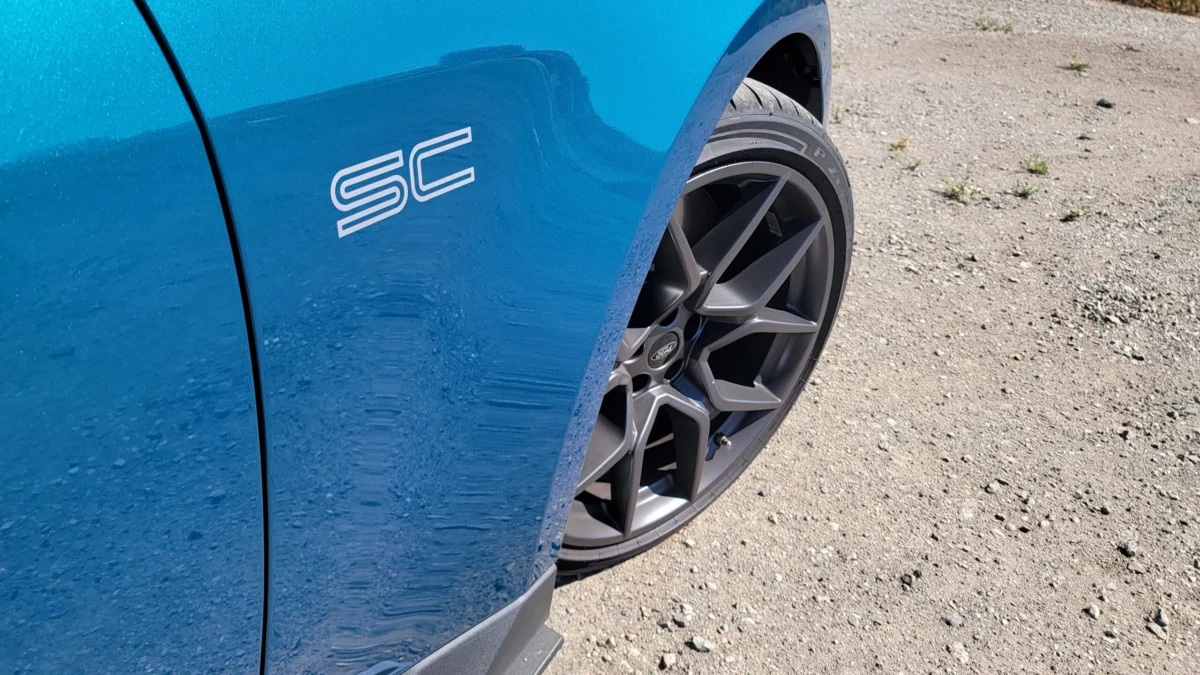
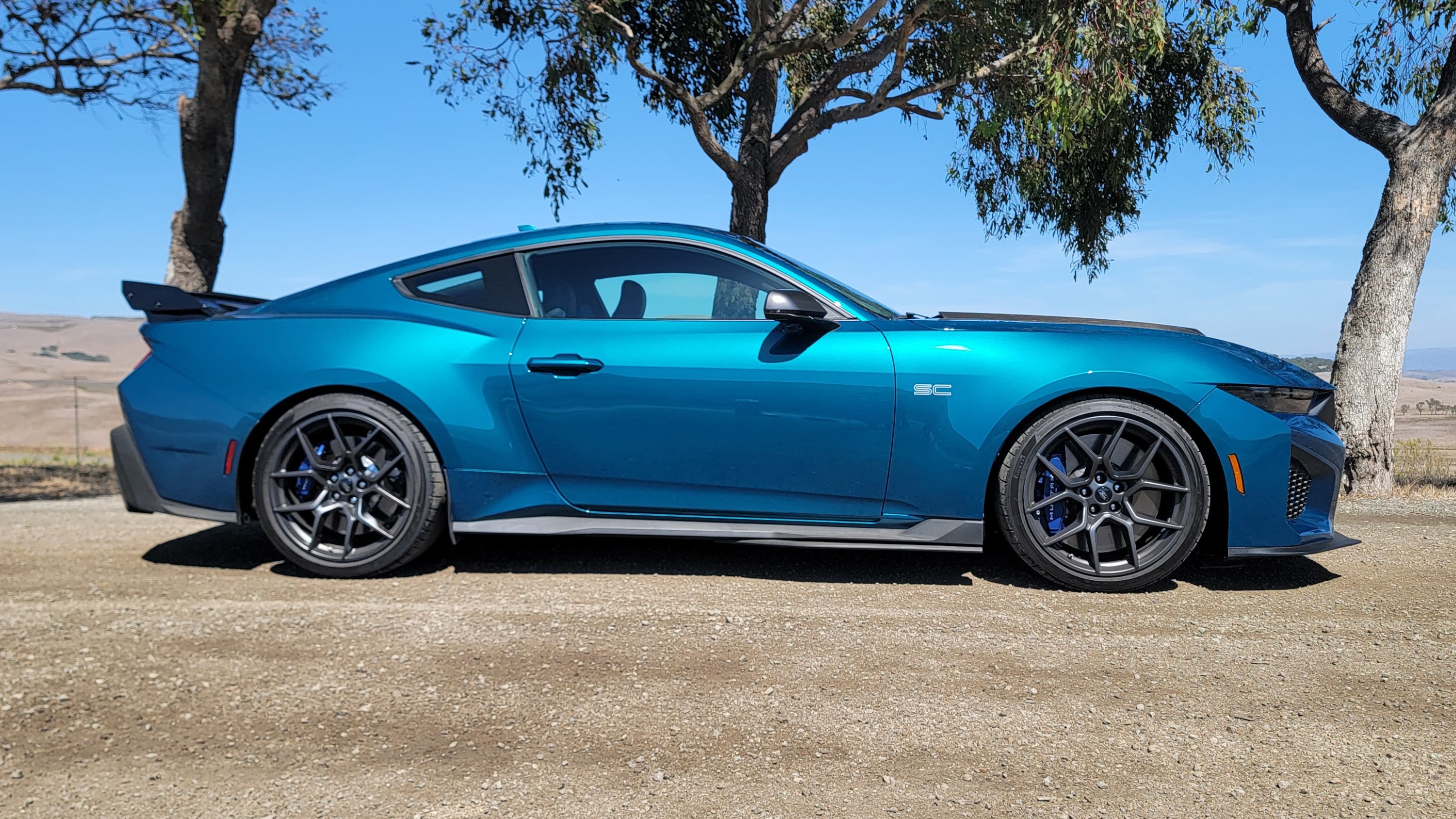
The automotive world has long held the supercharged, halo-spec Mustang in a position of reverence. From the iconic, outlaw-legend status of "Eleanor" to the raw, unrefined brutality of earlier factory specials, the formula for Ford’s top-tier pony car has served as the heartbeat of American performance. Today, that lineage enters a new chapter. The 2026 Ford Mustang Dark Horse SC arrives not merely as a replacement for the departed Shelby GT500, but as a technological evolution that bridges the gap between traditional muscle and modern track-precision engineering.
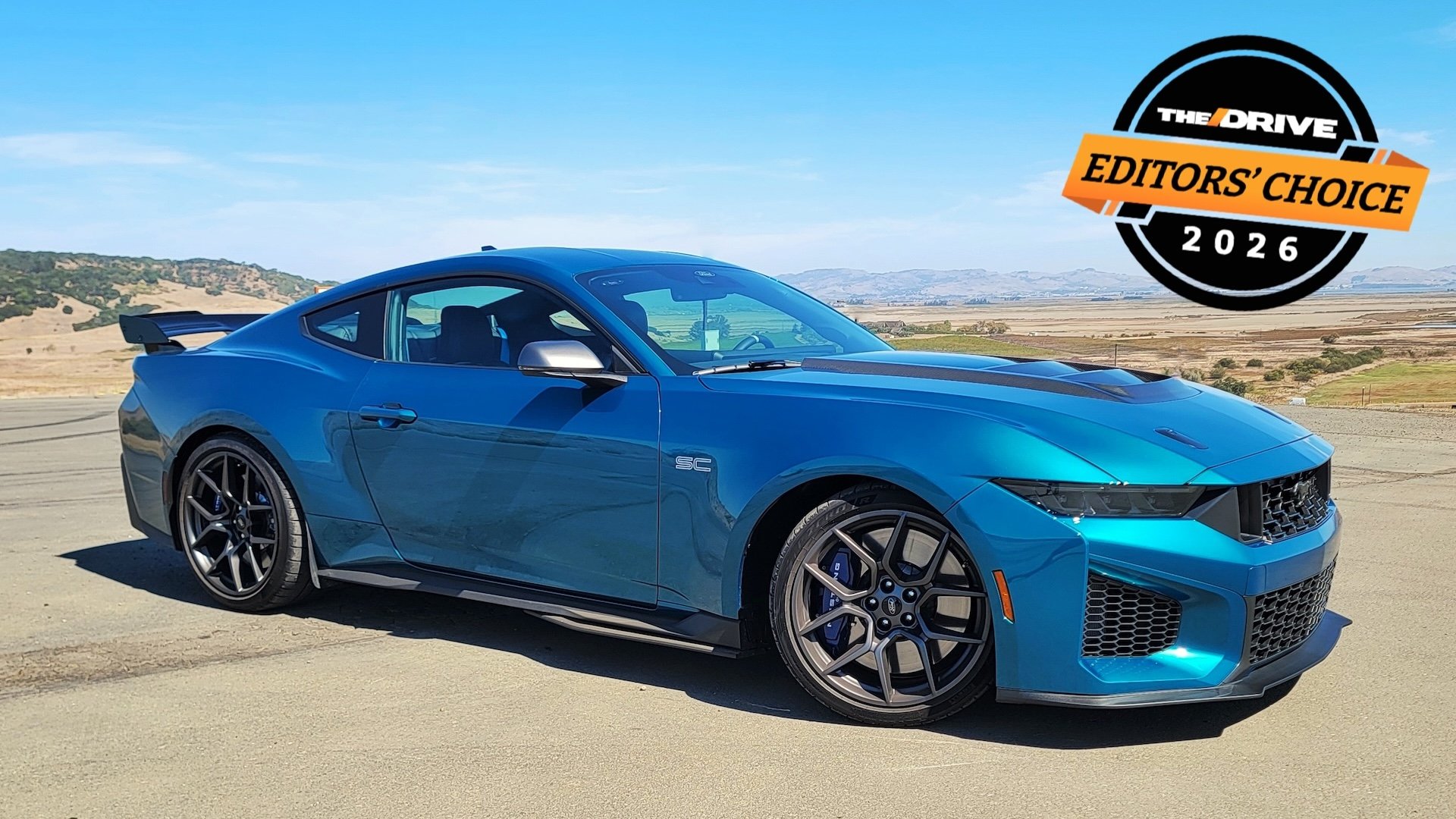
While the "Shelby" moniker has been set aside for this specific iteration, the DNA remains unmistakable. Built upon the refined S650 chassis—itself a sophisticated evolution of the S550 architecture that debuted in 2015—the Dark Horse SC stands as the culmination of over a decade of continuous improvement. It inherits the pedigree of the Bullitt, the Mach 1, the GT350, and the record-breaking GT500, distilling their best traits into a singular, high-octane package.
Main Facts: The New Standard of Power
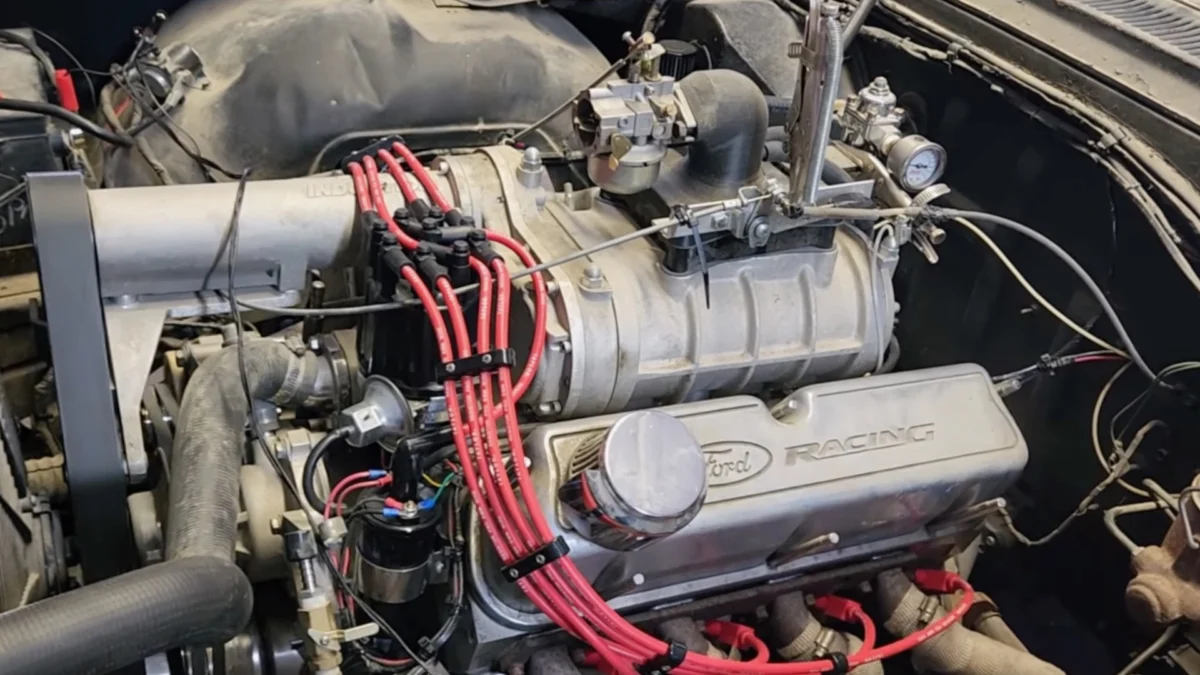
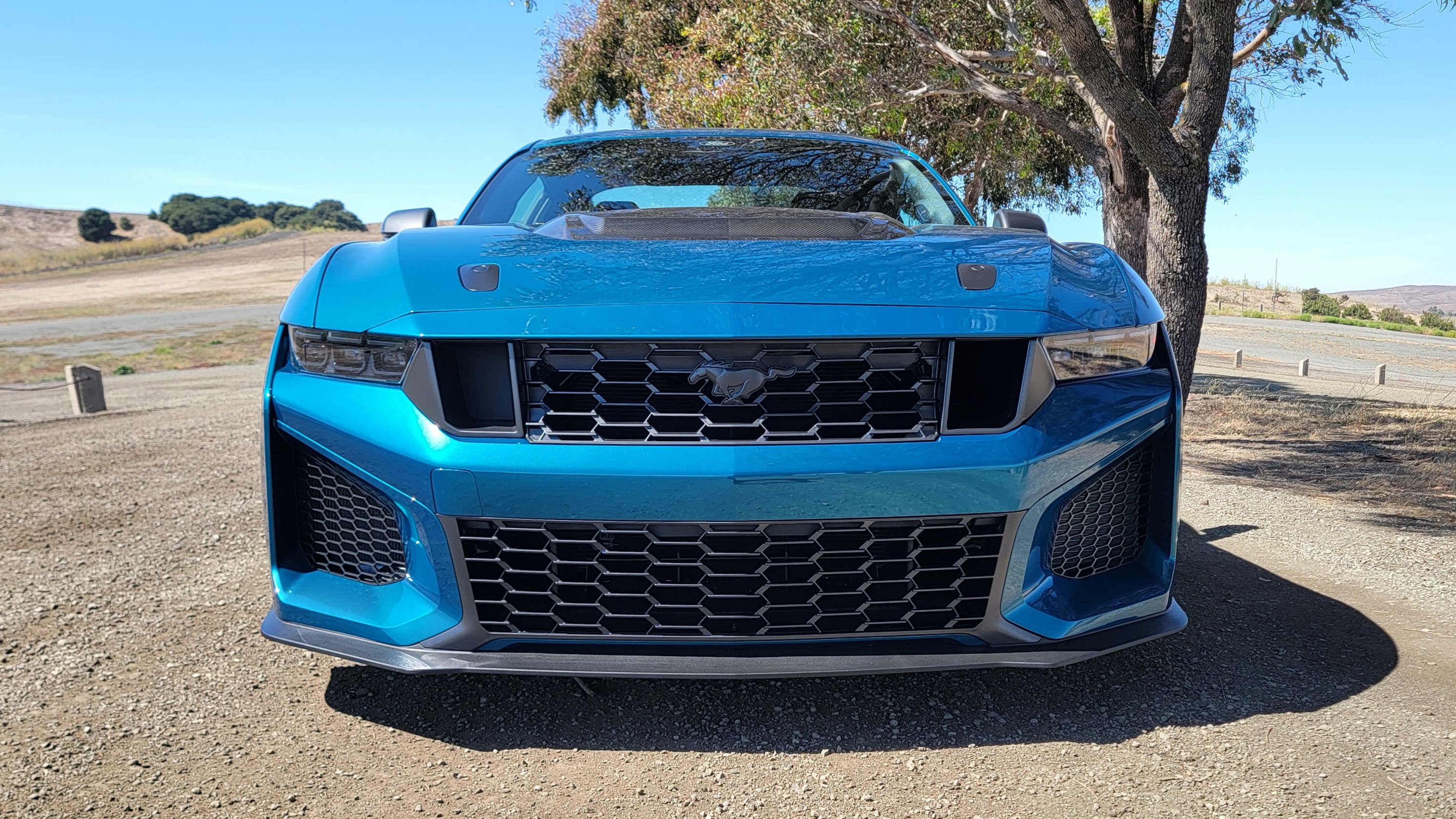
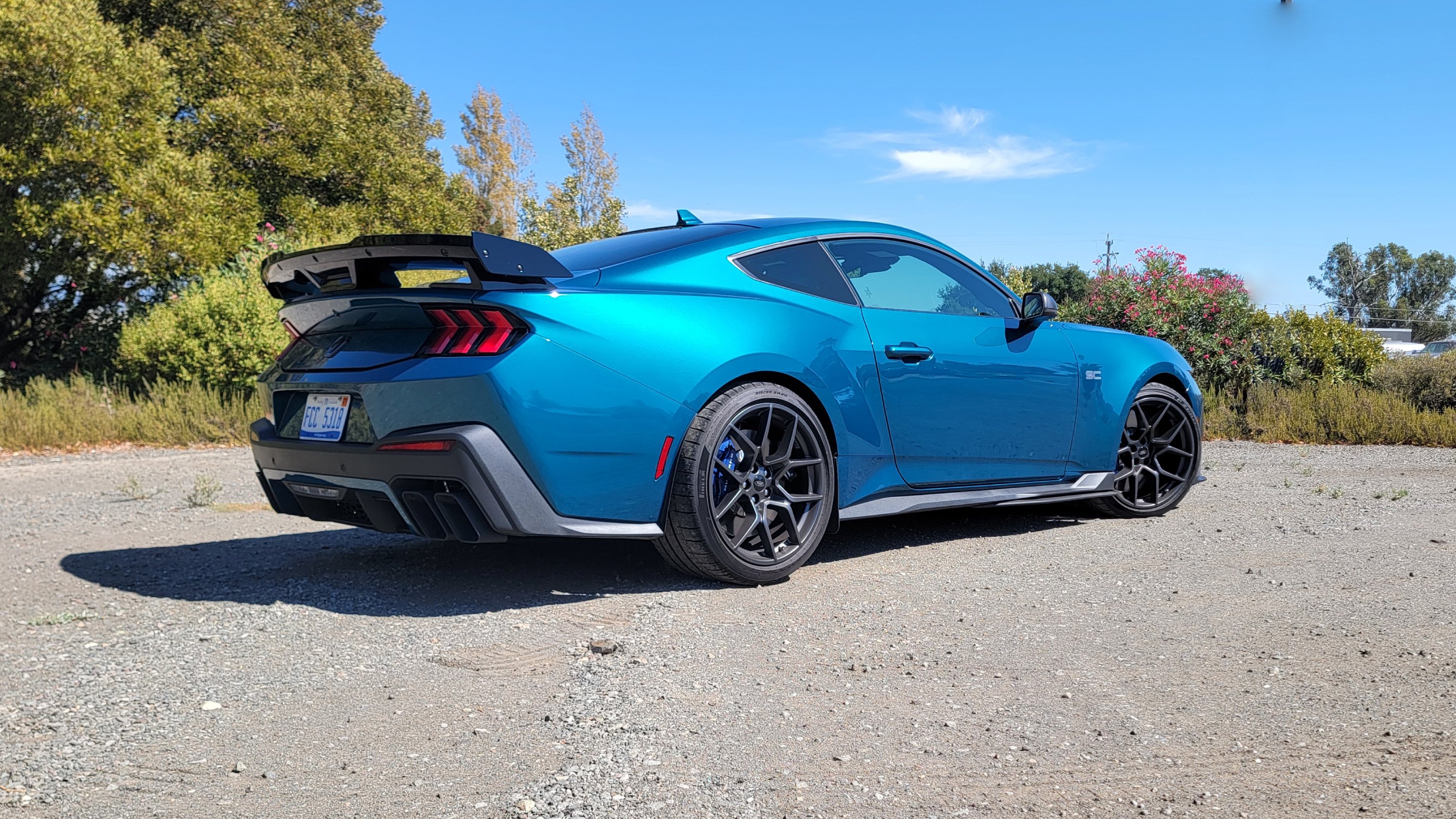
At the core of the Dark Horse SC lies a formidable, supercharged 5.2-liter V8 engine, delivering an exhilarating 795 horsepower and 660 pound-feet of torque. This output is managed through a lightning-fast seven-speed dual-clutch transmission, directing power to the rear wheels via an electronically controlled Torsen limited-slip differential.
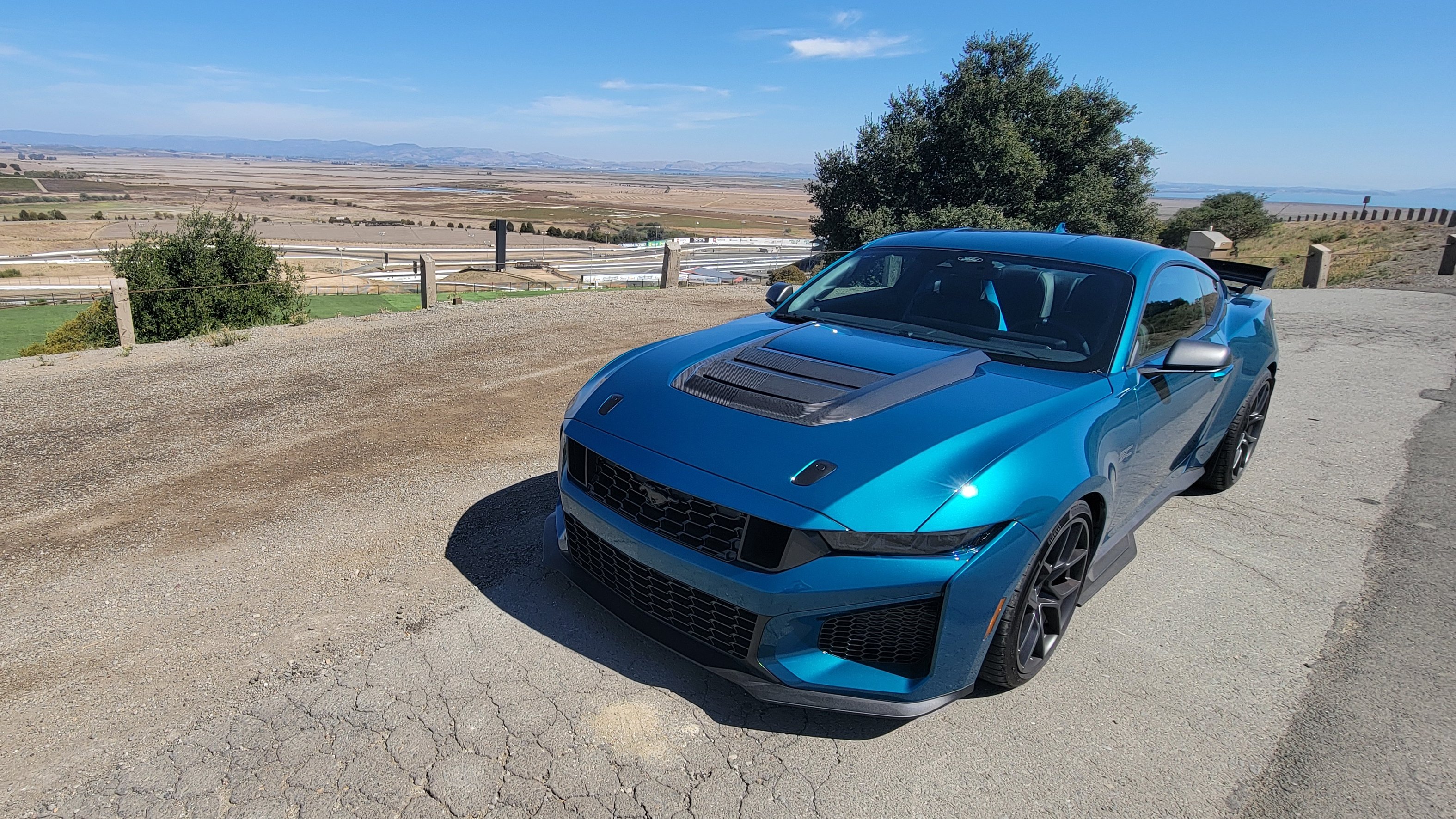
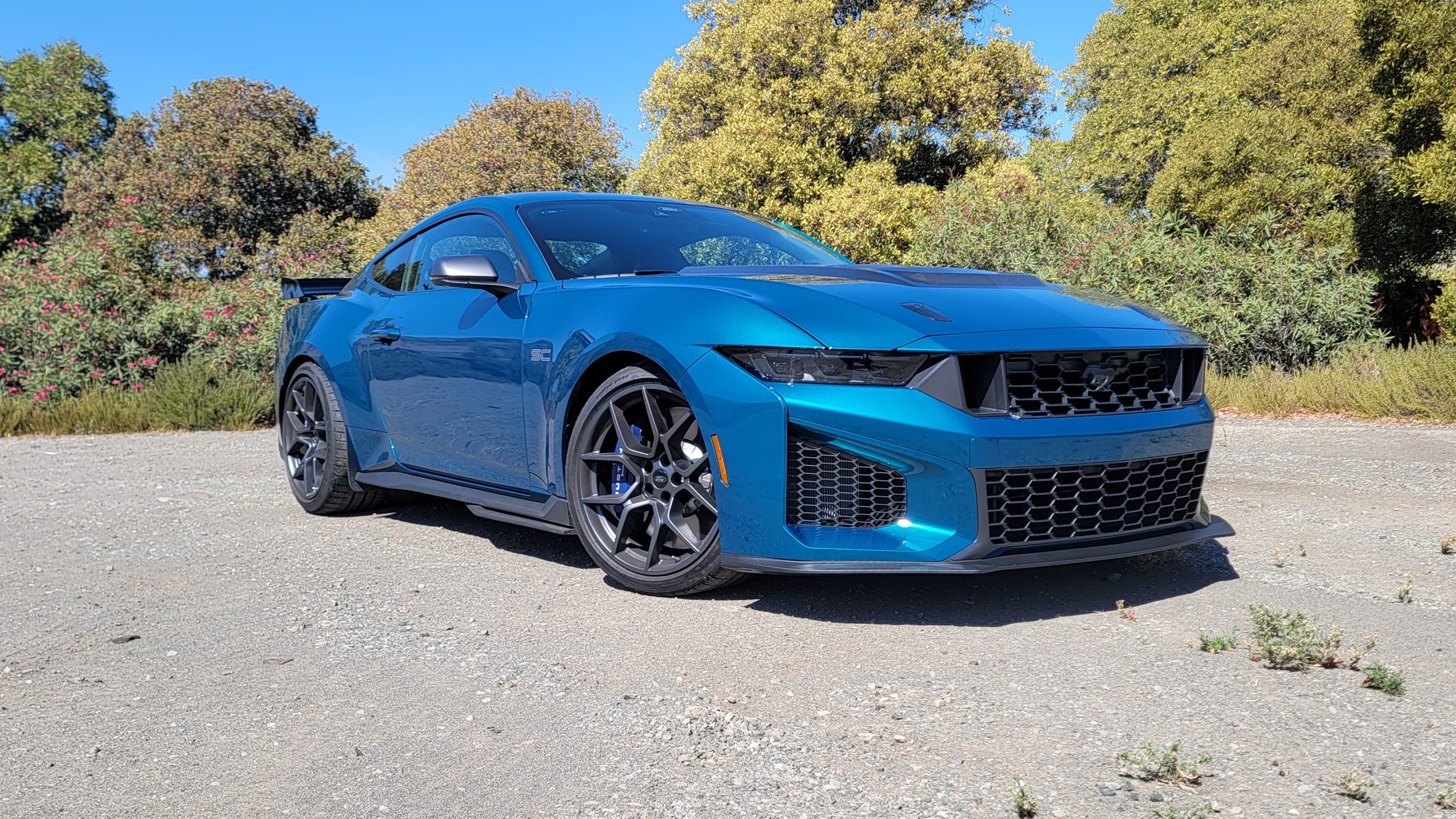
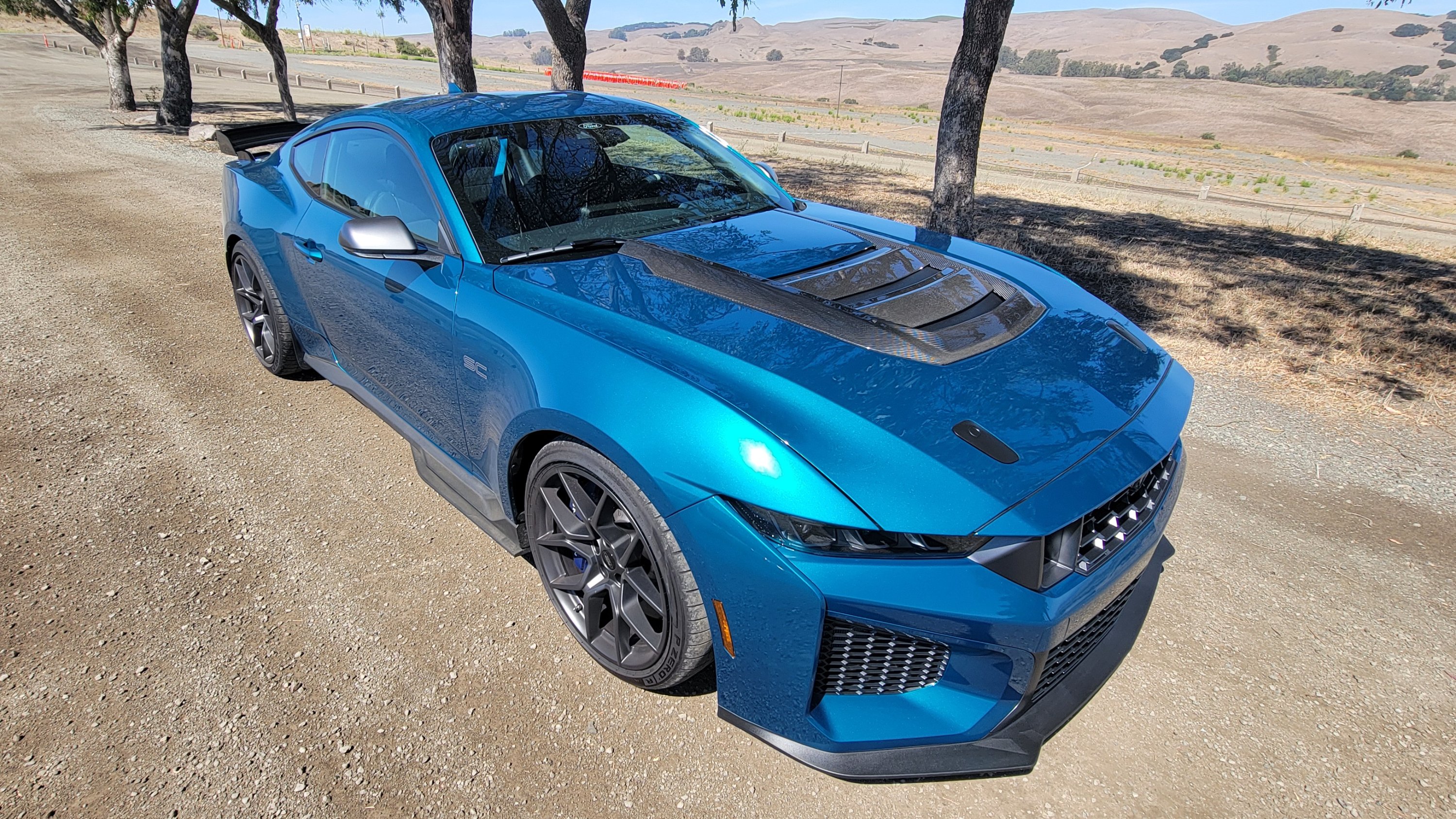
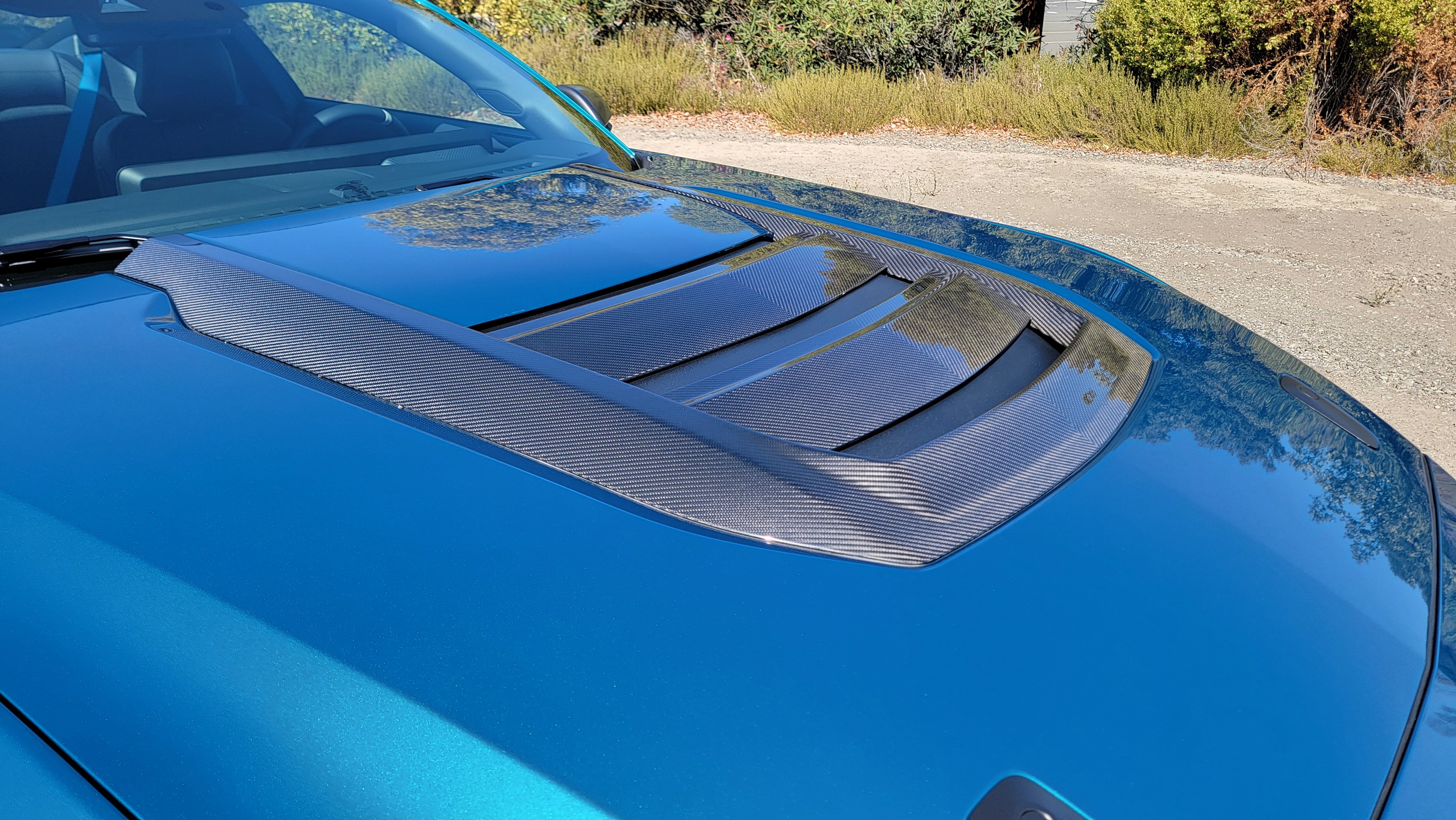
Ford has fundamentally redesigned the nose of the S650 to accommodate the extreme thermal demands of such a high-output engine. The front bumper now features aggressive outboard cut-outs that channel air directly into an auxiliary radiator and a dedicated oil cooler. Furthermore, the massive hood-mounted heat-extraction vent—larger than that of the standard Dark Horse—allows for significant cooling capacity. For dedicated track enthusiasts, the rain tray under this vent is removable, further enhancing airflow and reducing aerodynamic lift across the hood.
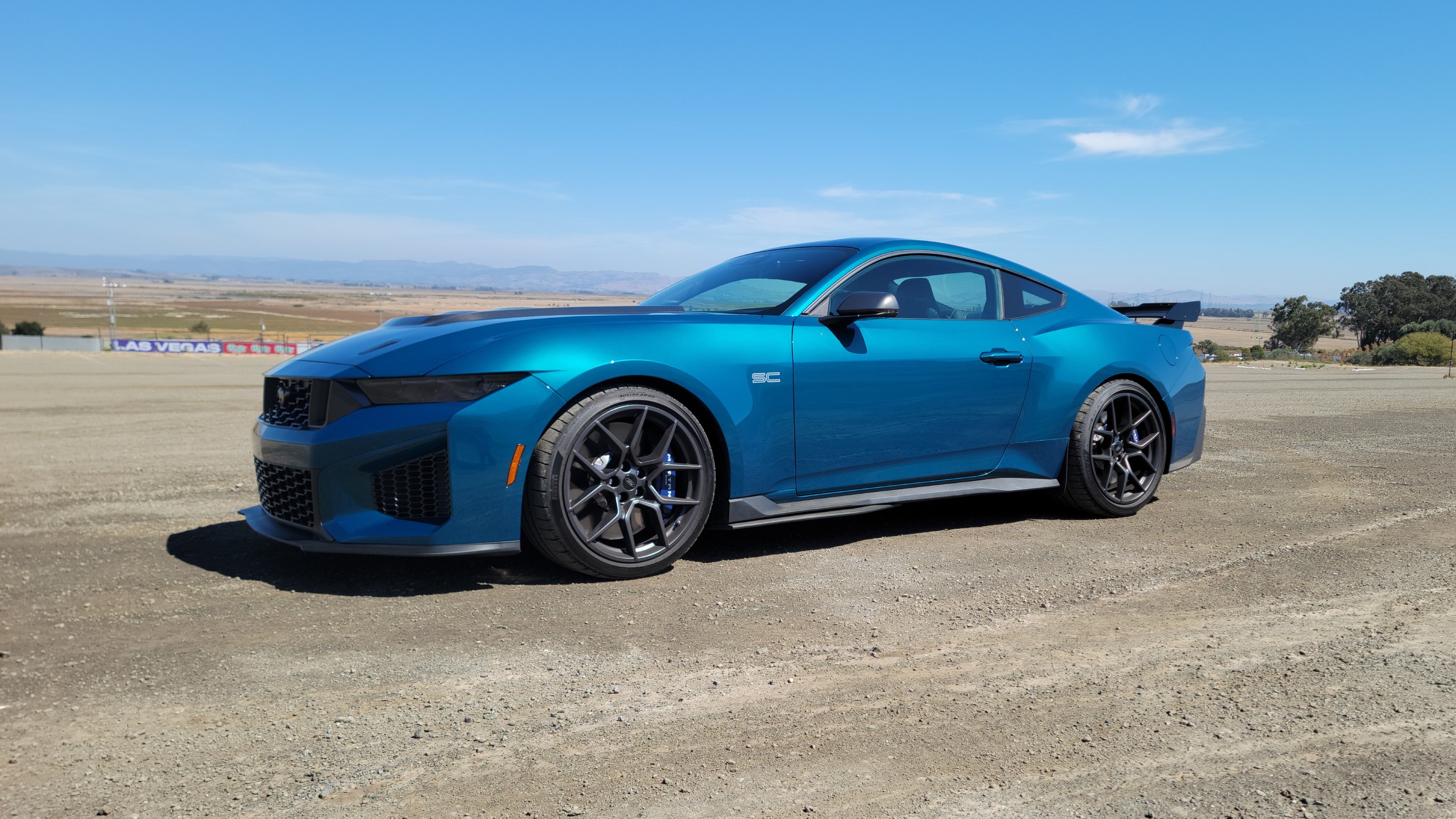
The braking system is equally impressive. The standard configuration utilizes enormous iron rotors with six-piston front and four-piston rear calipers. However, those opting for the "Track Pack" unlock the true potential of the chassis with 16.5-inch carbon-ceramic front rotors and 14.6-inch rear rotors, a direct influence from Ford’s ultra-high-performance GTD program.
A Chronological Evolution: From GT500 to Dark Horse SC
To understand the significance of the Dark Horse SC, one must look at the trajectory of Ford’s performance division over the last decade.
- 2015: The S550 platform debuts, setting a new benchmark for Mustang handling.
- 2016-2020: Ford releases a succession of track-focused variants, including the GT350 and the flat-plane crank masterpiece, the GT350R.
- 2020: The 760-horsepower Shelby GT500 arrives, utilizing a dual-clutch transmission to redefine straight-line speed for the brand.
- 2025: The introduction of the $325,000 Mustang GTD introduces revolutionary suspension and traction control software.
- 2026: The Dark Horse SC launches, effectively "democratizing" the race-bred technology of the GTD while maintaining the accessible, albeit high-end, performance profile of the Shelby legacy.
The Dark Horse SC is essentially the "greatest hits" compilation of Ford’s recent engineering breakthroughs, wrapped in a more attainable (though still premium) package.
Supporting Data: Track Performance and Dynamics
Testing at the storied Sonoma Raceway reveals the true character of the Dark Horse SC. During quarter-mile trials, the vehicle demonstrated its launch capabilities, with a recorded time of 10.947 seconds at 131 mph. While the car features digital line-lock and advanced launch control, the raw mechanical grip provided by the Michelin Pilot Sport Cup 2 R tires (standard on the Track Pack) is the real hero.
The weight distribution and chassis tuning have been significantly optimized. The Track Pack, by utilizing lighter wheels and the carbon-ceramic brake assembly, sheds 150 pounds of curb weight compared to the base model, with the vast majority of that reduction coming from the unsprung mass. This results in a vehicle that feels significantly smaller and more agile than its 4,110-pound displacement would suggest.
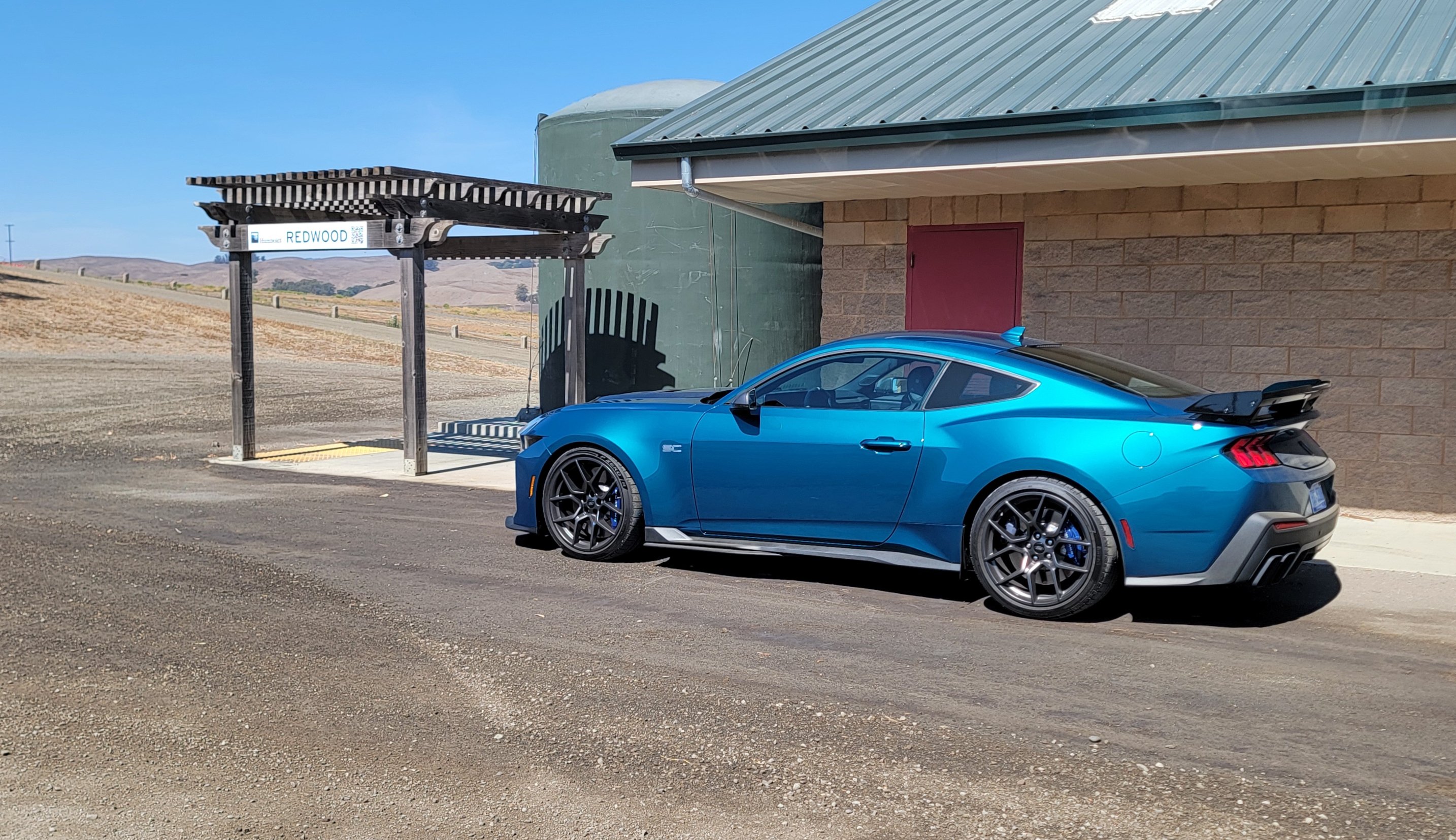
The suspension, featuring the latest generation of MagneRide adaptive dampers, has evolved beyond the "tram-lining" tendencies that plagued earlier S550-based performance models. Whether navigating the lumpy, uneven asphalt of Napa Valley backroads or the high-speed transitions of the Sonoma long course, the suspension maintains tire contact with surgical precision, allowing the driver to command the vehicle with minimal steering effort.
Official Perspectives and Technical Integration
Ford’s engineers have prioritized "function-first" design in the cockpit. While the interior retains the familiar, driver-focused layout of the S550, it is augmented by a sophisticated new suite of digital tools.
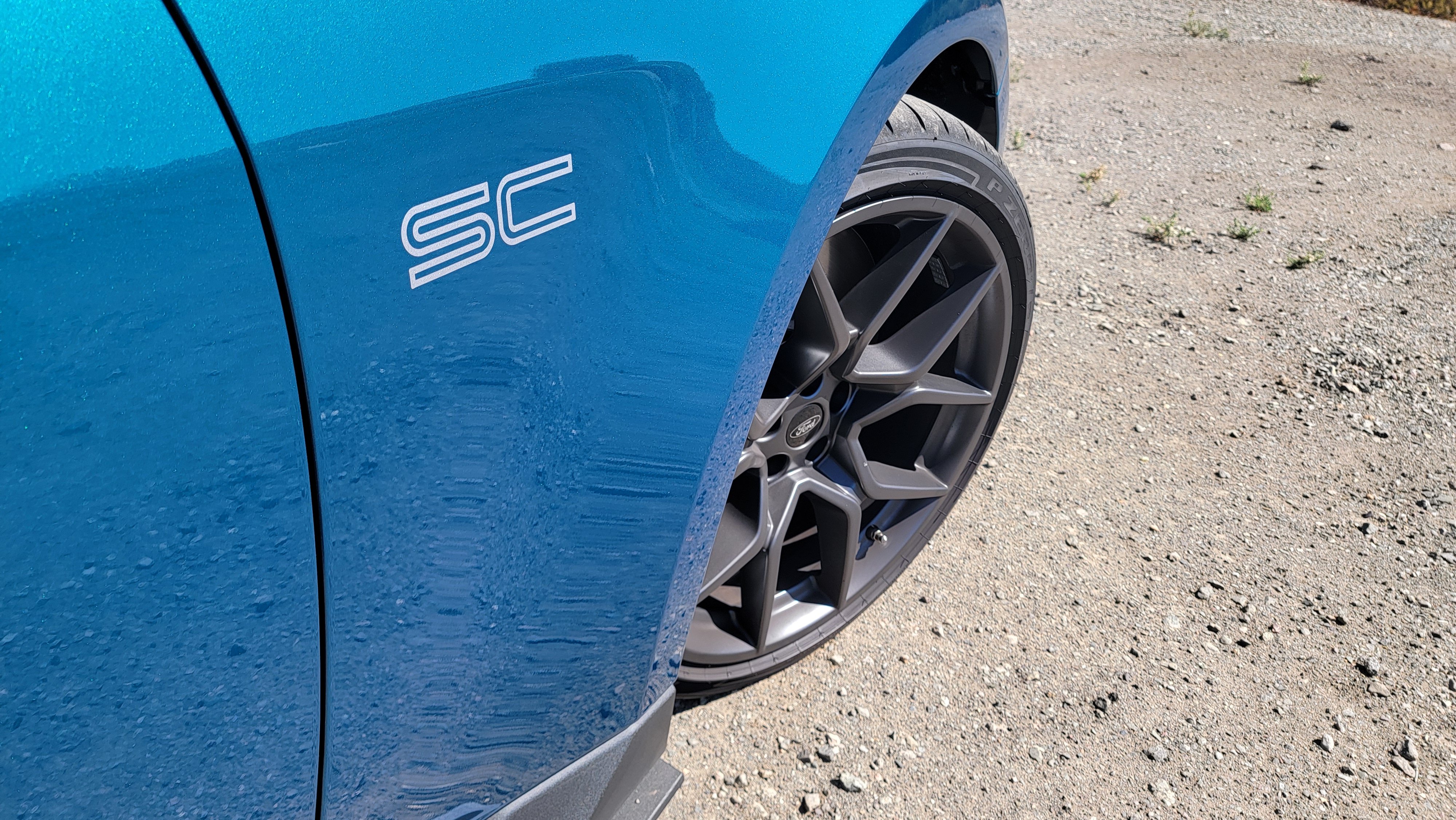
Perhaps the most significant addition is the Variable Traction Control (VTC). Borrowed from the GTD and refined for the Dark Horse SC, this system allows for five distinct levels of stability intervention. Unlike systems of the past that were buried deep within infotainment sub-menus, the VTC is controlled via the cruise control toggles, allowing for rapid, intuitive adjustments while on the track.
During our testing, the system proved essential. With 795 horsepower on tap, the VTC is not a gimmick—it is a mandatory safety and performance bridge. It enables the driver to exploit the car’s massive power band with confidence, providing just enough slip to satisfy the enthusiast without risking the catastrophic loss of control that can accompany such high-torque, rear-wheel-drive platforms.
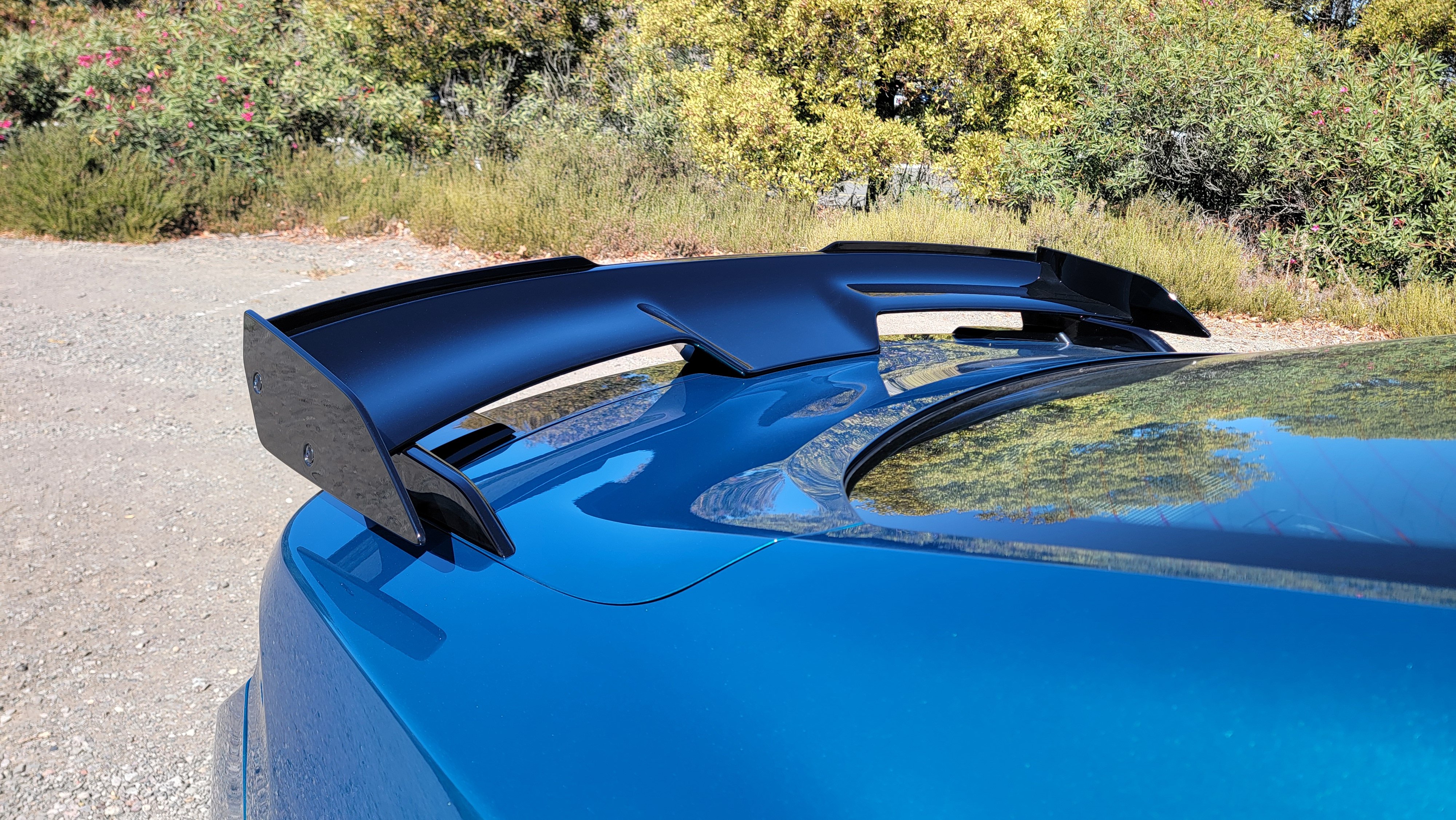
Implications for the Performance Market
The 2026 Mustang Dark Horse SC exists in a unique, perhaps unprecedented, niche. With a starting price around $105,000 and the Track Pack pushing the as-tested price to $155,825, it sits in an awkward but enviable position. It is too expensive to be a "budget" muscle car, yet it provides performance metrics that rival supercars costing twice as much.
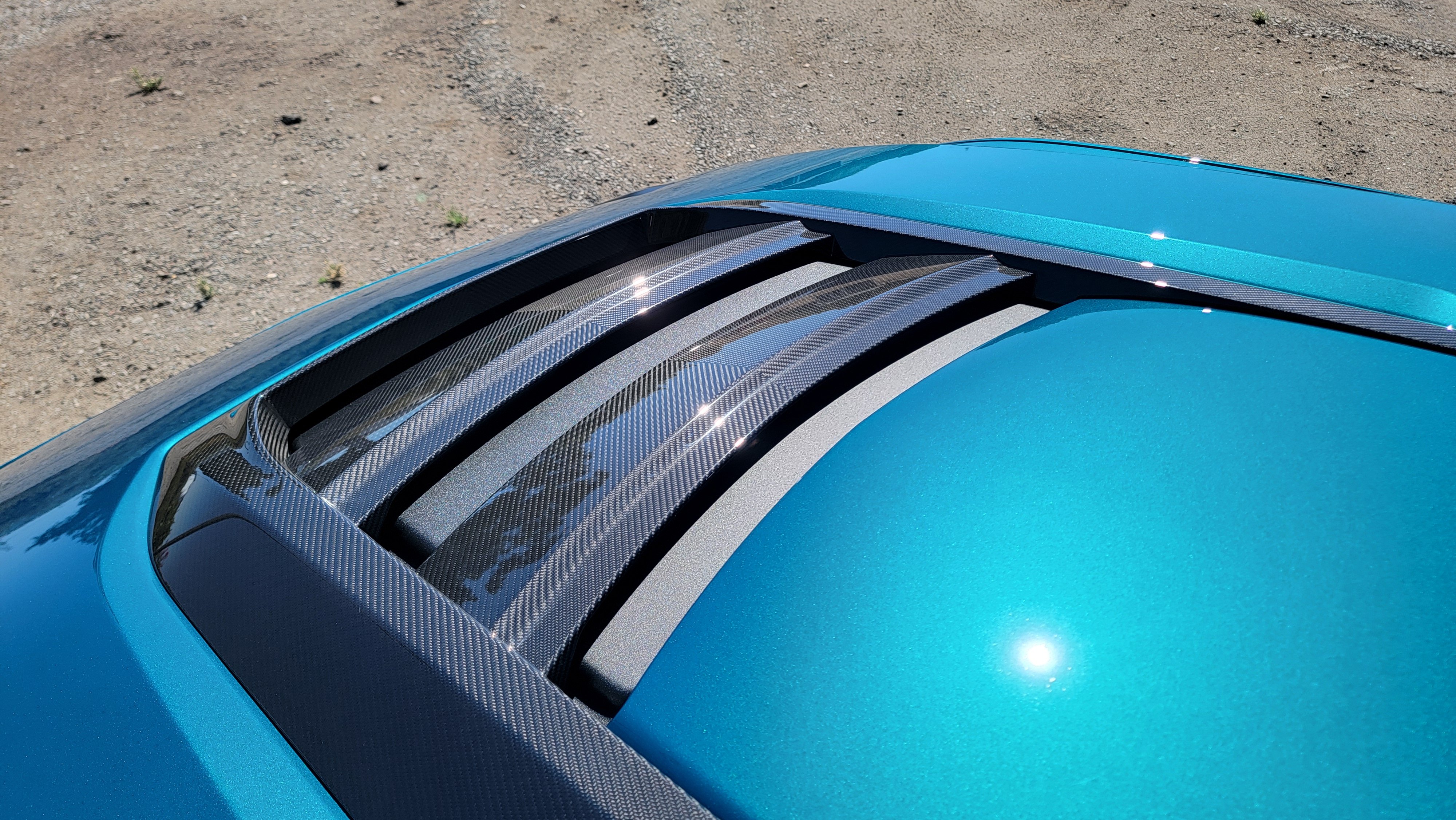
The absence of a direct competitor from Chevrolet (following the retirement of the Camaro) means that for the time being, the Mustang occupies the performance space alone. While the Corvette Z06 offers a similar price point and perhaps superior mid-engine rotation, the Dark Horse SC offers a different experience—one of front-engine, forced-induction tradition married to the absolute pinnacle of modern digital aids.
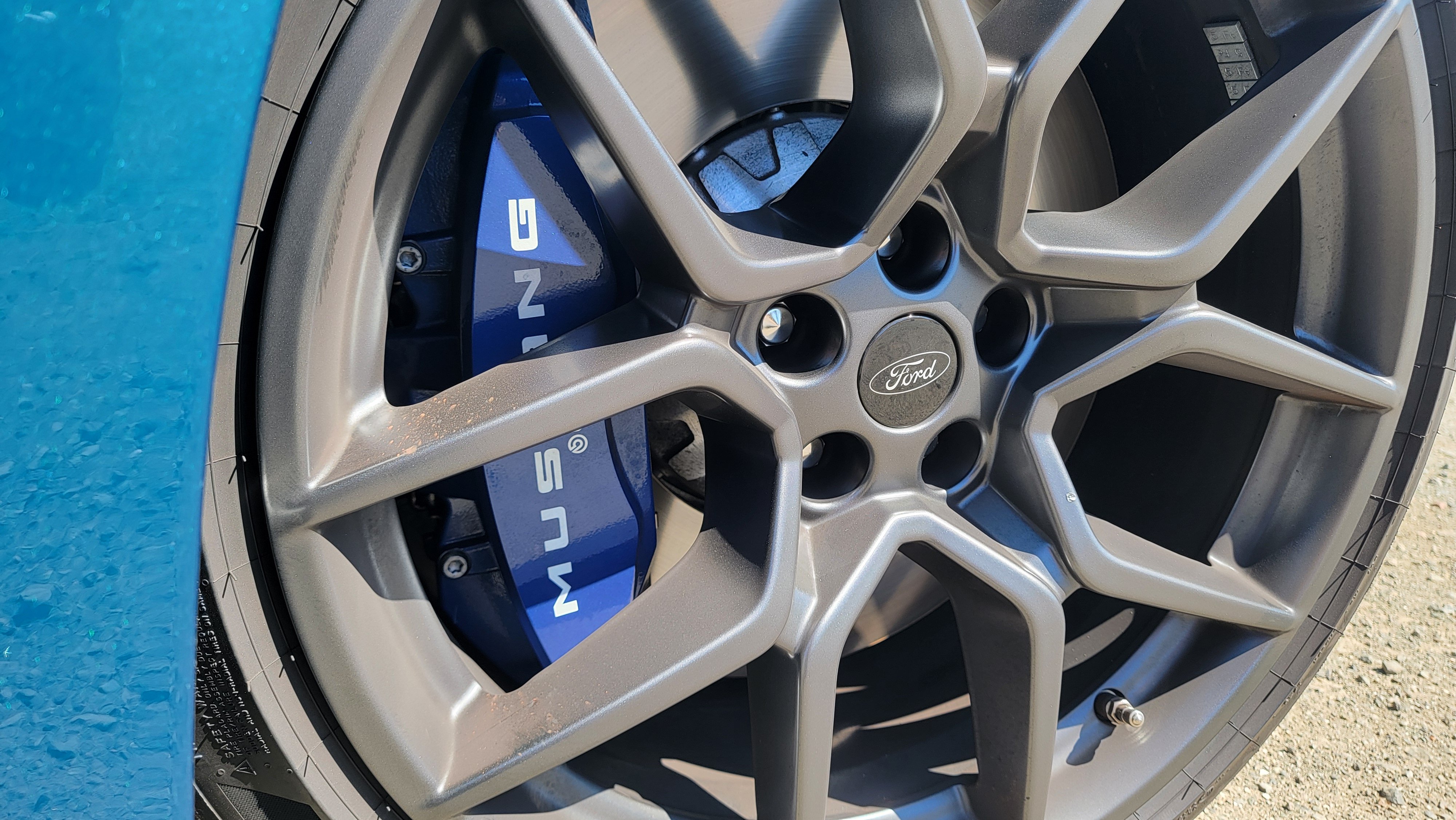
The implications are clear: Ford has effectively secured its dominance in the traditional sports coupe market. The Dark Horse SC is not just a faster Mustang; it is a smarter one. By filtering down the technology from the six-figure GTD into a mass-produced halo car, Ford has ensured that the "pony car" remains relevant in an era dominated by electrification and mid-engine exotics.
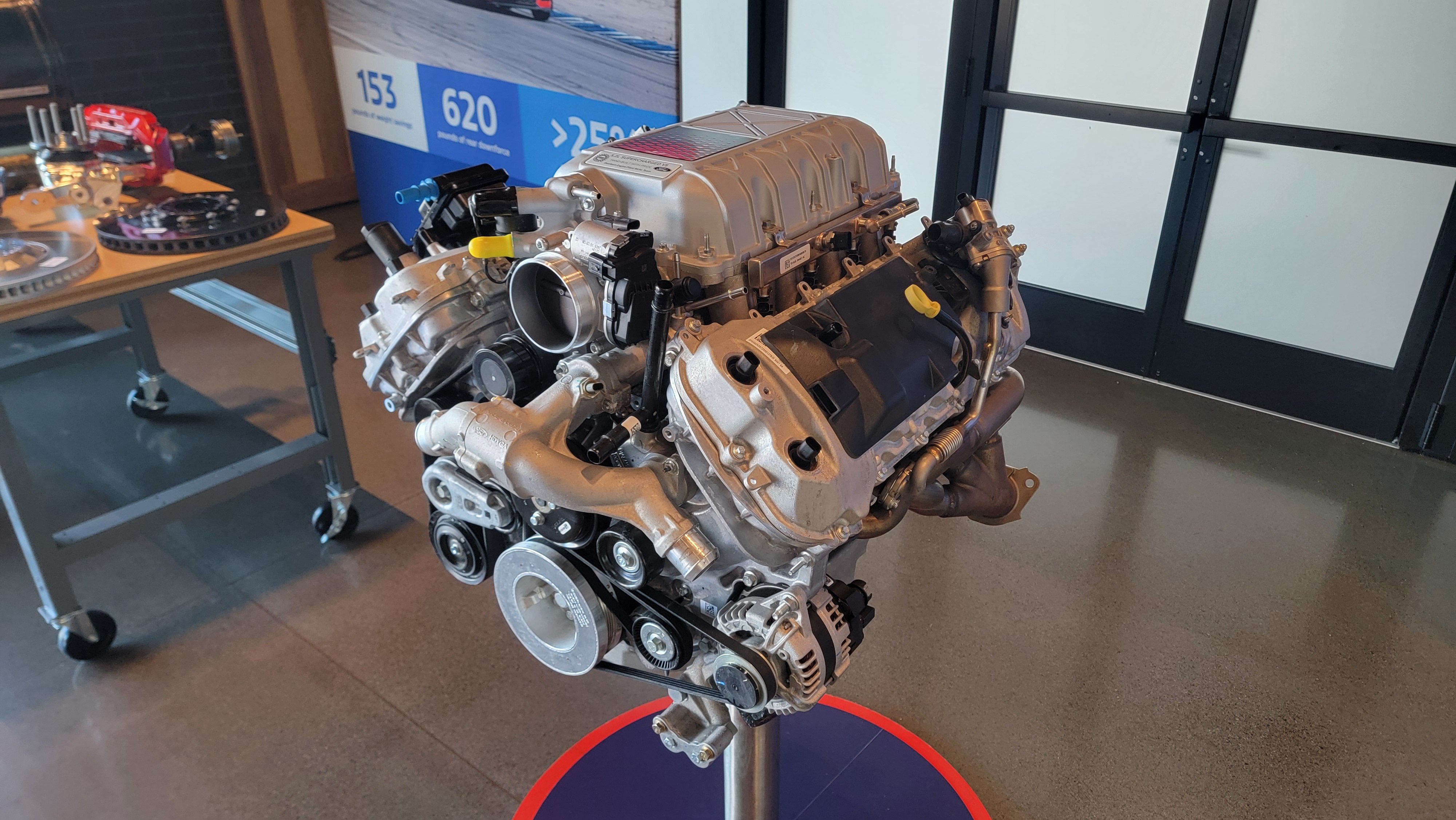
The early verdict is overwhelmingly positive. While some may find the screen-heavy interior and long boot-up animations to be a minor nuisance, the driving experience is, in a word, intoxicating. The 2026 Dark Horse SC is the most capable, balanced, and rewarding Mustang ever to wear the badge. For those who prioritize the visceral thrill of a supercharged V8 and the mechanical feedback of a well-tuned chassis, the SC is, without question, the new king of the hill.
